
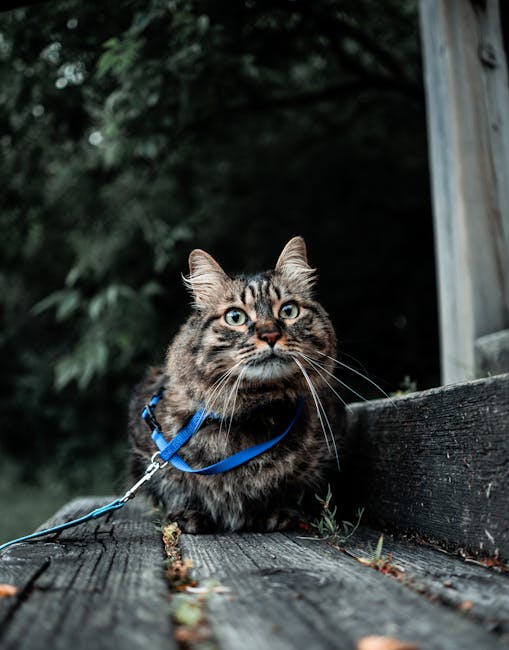
Imagine the joy of exploring the outdoors with your feline friend by your side, sharing in the adventure together. Training your cat to walk on a leash can open up a whole new world of experiences for both of you.
You might think that leash training is only for dogs, but cats can enjoy it too, with the right approach. Are you ready to transform your cat's routine and unlock the door to exciting outdoor excursions? This guide will show you how to make leash training a fun and rewarding experience for your furry companion.
Whether your cat is a curious kitten or a set-in-her-ways adult, these tips will help you navigate the process smoothly. You’ll learn how to build trust, encourage cooperation, and ensure your cat feels safe every step of the way. Dive in to discover how to turn your timid homebody into a confident explorer.
Credit: www.facebook.com
Choosing The Right Leash And Harness
Training your cat to walk on a leash can be rewarding. It offers a fresh way for your feline to explore safely. The first step is selecting the right leash and harness. Not all leashes and harnesses are suitable for cats. Choosing the wrong one could lead to discomfort or escape. Let's explore how to make the best choice for your cat.
Types Of Leashes
Leashes come in various types, each with its own benefits. Standard leashes are simple and easy to use. They provide good control over your cat's movements. Retractable leashes offer more freedom for your cat to explore. They can extend and retract as needed, but require careful use to avoid tangling. Bungee leashes absorb shock from sudden pulls, offering a smoother experience. They are ideal for energetic cats. Choose a leash that matches your cat's personality and your walking style.
Selecting A Comfortable Harness
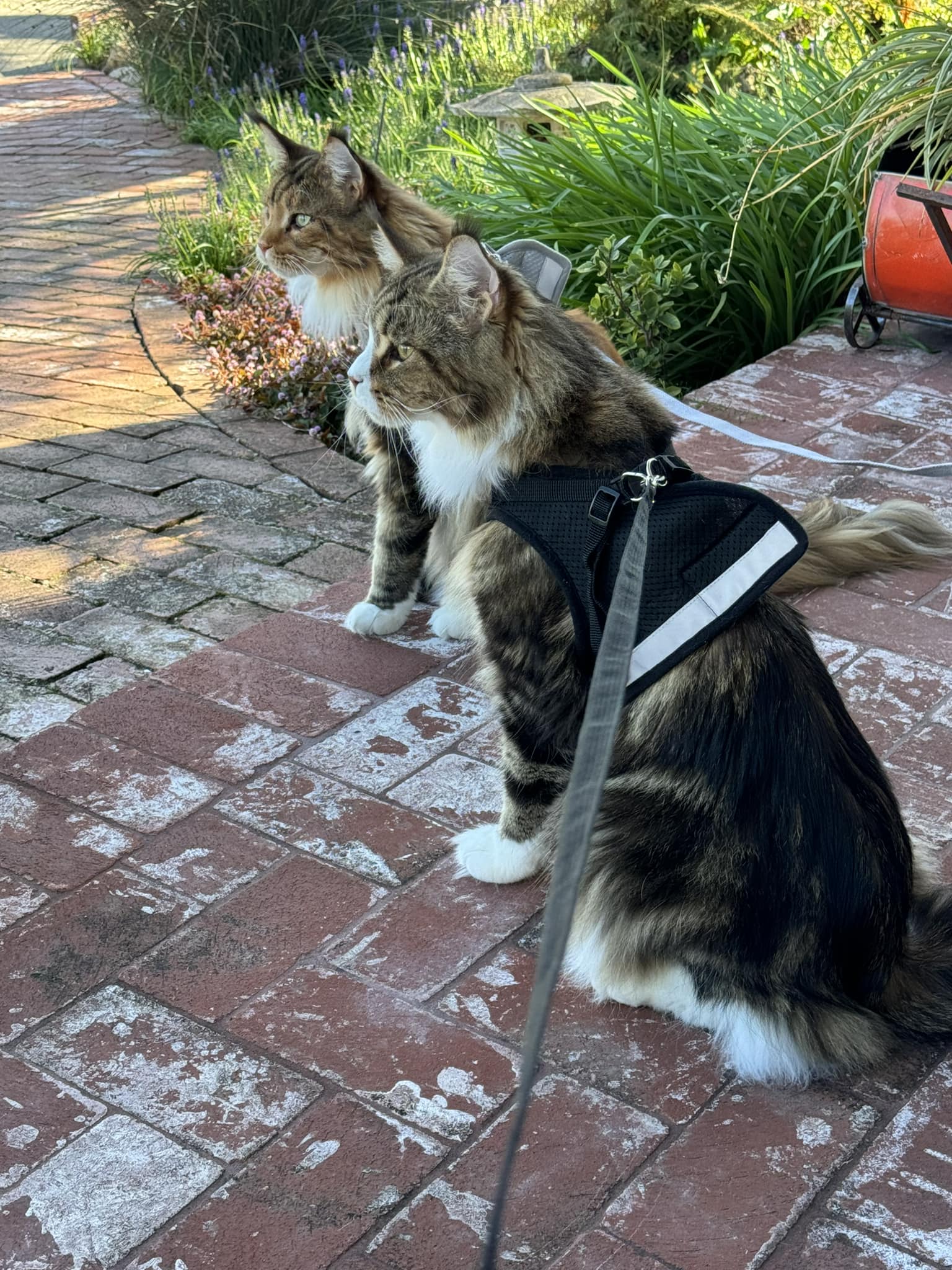
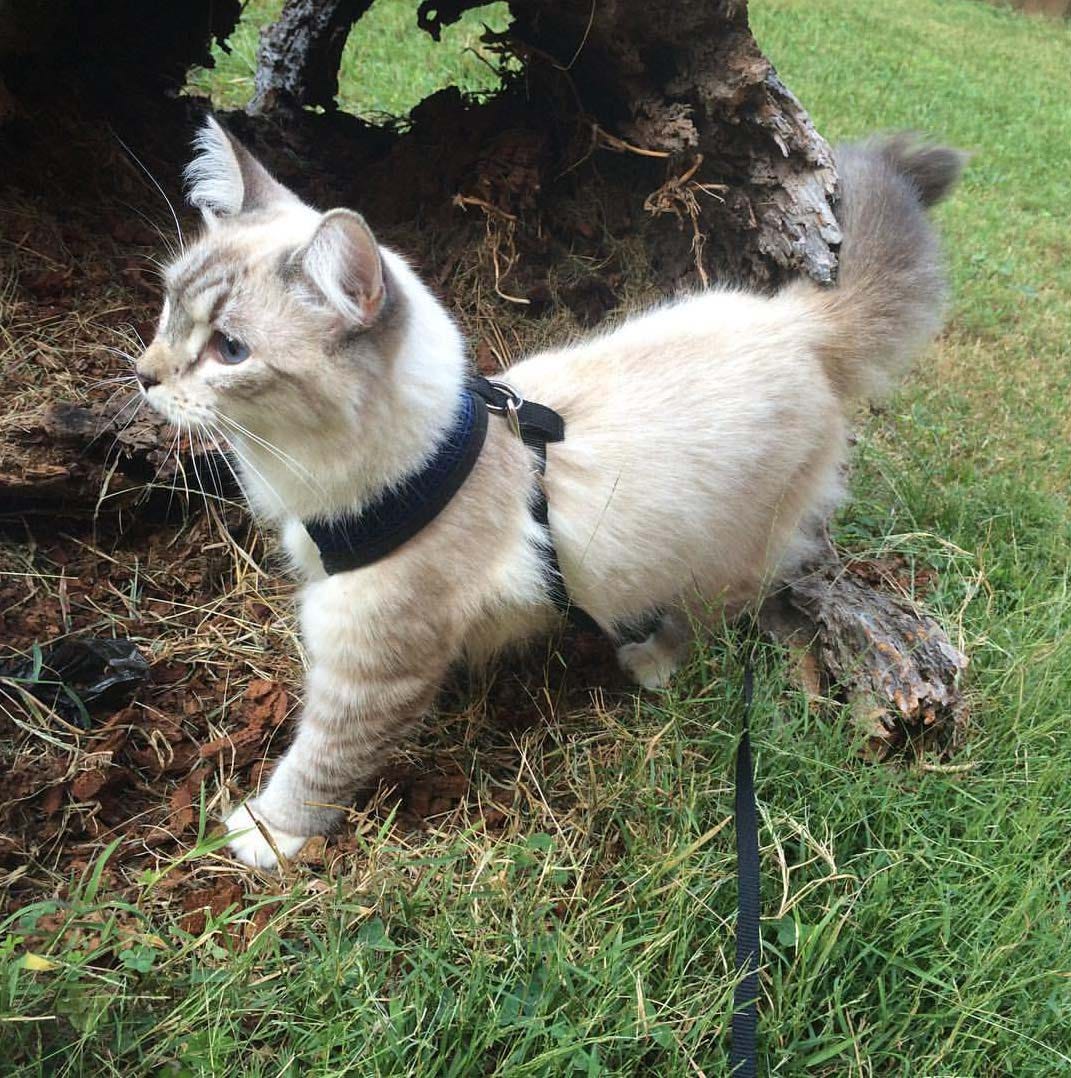
The harness must fit well to ensure safety and comfort. There are different styles to consider. Vest-style harnesses distribute pressure evenly across your cat's body. They are often padded, providing extra comfort. H-style harnesses are lightweight and easy to adjust. They offer a snug fit without restricting movement. Step-in harnesses are simple to put on and take off. They are great for cats who dislike overhead harnesses. Measure your cat's chest and neck before purchasing. This ensures the harness is neither too tight nor too loose.
Introducing The Gear
Introducing the right gear helps cats feel comfortable walking on a leash. Start with a lightweight harness that fits snugly. Ensure the leash is long enough to provide freedom but still secure.
Introducing the Gear Training your cat to walk on a leash begins with choosing the right gear. A well-fitted harness is crucial, as cats can easily slip out of regular collars. Opt for a harness that is specifically designed for cats, ensuring comfort and security. Consider the material and adjustability; a soft, breathable fabric is ideal. Think about the leash length too; a shorter leash gives more control, while a longer one allows your cat to explore. It's not just about picking the gear but also introducing it to your feline friend in a way that feels natural and non-threatening. This sets the stage for a successful leash training experience.
Familiarizing Your Cat
Before you even attempt attaching the leash, let your cat explore the harness. Place it near their favorite spot or bed. This way, they can sniff and examine it without pressure. You might notice your cat being cautious initially. That's normal. The aim is to get them used to seeing and smelling the gear. Sometimes, leaving the harness in their space for a few days helps. It becomes part of their environment, diminishing any anxiety they might have.
Positive Reinforcement Techniques
Positive reinforcement is key in leash training. Reward your cat with treats when they show interest in the harness or leash. Use encouragement and praise when they allow you to put the harness on. This makes them associate the gear with positive experiences. Consider using a clicker to mark good behavior. Cats respond well to the consistent sound, making them more likely to repeat actions that earn rewards. Have you noticed how your cat responds to praise? Tailoring your approach based on their reactions can make all the difference.
Indoor Practice
Introduce your cat to a leash indoors, allowing them to explore at their own pace. Gradually increase leash time, using treats and positive reinforcement to build confidence. Ensure the environment is calm to help your cat feel safe and comfortable.
Training your cat to walk on a leash can be an exciting journey, both for you and your feline friend. Before venturing outdoors, it's crucial to start practicing indoors where your cat feels safe. This initial stage sets the foundation for a successful leash-walking experience, ensuring your cat gets comfortable with the harness and leash in a familiar environment.
Safe Spaces For Training
Creating a safe indoor space is essential for your cat's training. Begin in a room where your cat feels most relaxed, like the living room or a bedroom. Remove any distractions or hazards, such as sharp objects or fragile items. Consider laying out a few of your cat’s favorite toys or a cozy blanket. This can make the training session more enjoyable. A safe space encourages your cat to explore without fear, boosting their confidence.
Building Confidence Indoors
Start by letting your cat wear the harness for short periods. This helps them get used to the sensation without the leash attached. Gradually increase the time as they become more comfortable. Once your cat is at ease with the harness, attach the leash and let them drag it around. This allows your cat to familiarize themselves with the added weight and movement. Reward them with treats or affection to reinforce positive behavior. Engage your cat with interactive play while they wear the harness and leash. This builds their confidence and associates the gear with fun. How does your cat react during these indoor sessions? Observing their behavior can guide your training pace.
Transitioning Outdoors
Training your cat to walk on a leash can be a rewarding experience. Begin by introducing the harness indoors, letting your cat get comfortable. Gradually practice walking in safe, familiar outdoor spaces, encouraging curiosity and confidence.
Transitioning your cat to the great outdoors is a big step. Cats are naturally curious and enjoy exploring. Walking them on a leash offers a safe way to satisfy that curiosity. But, it requires patience and careful planning. Start by choosing quiet locations and gradually expose them to new environments.
Choosing Quiet Locations
Select places with minimal noise and distractions. Busy areas can overwhelm your cat. Parks during off-peak hours are ideal. A quiet backyard is also a good start. Observe your cat’s reactions closely. If they seem anxious, pause and reassure them. Let them adjust to the new surroundings at their own pace.
Gradual Exposure To New Environments
Introduce new environments slowly. Begin with short, stress-free walks. Familiarize your cat with one place before moving to another. Increase exposure as they grow more comfortable. Use treats to encourage positive behavior. This builds their confidence and reduces fear. Always be attentive to their cues. Turn back if they seem uneasy or stressed.
Handling Challenges
Training a cat to walk on a leash requires patience and gradual steps. Start by letting your cat wear the harness indoors to get used to the feel. Slowly introduce outdoor walks, keeping each session short and rewarding positive behavior with treats.
Training your cat to walk on a leash can be a delightful adventure, but handling challenges along the way is inevitable. Every cat is unique, and patience is crucial. Understanding how to deal with resistance and manage distractions will make the journey smoother for both you and your feline friend.
Dealing With Resistance
Cats are independent creatures and might resist the leash initially. It's essential to introduce the leash gradually. Start with short indoor sessions where your cat can wear the harness without the leash. You could use treats or toys as positive reinforcement, encouraging them to associate the harness with enjoyable experiences. Have you ever noticed your cat’s tendency to freeze or back away when faced with something unfamiliar? This is a natural response. Instead of forcing the leash, give them time to adapt. Observe your cat’s body language and adjust the pace accordingly. If your cat is particularly resistant, consider whether the harness fits comfortably. Sometimes, resistance is due to discomfort. Testing different types of harnesses might be necessary. Remember, patience and observation are your best allies.
Managing Distractions
Once outdoors, the world becomes a playground of distractions for your cat. Birds, squirrels, or even passing cars might divert their attention. Planning walks during quieter times of the day can help minimize overwhelming stimuli. Have you tried using toys or treats to maintain your cat's focus during walks? Bringing along their favorite toy can help keep them engaged. Another effective technique is to walk in familiar areas initially, gradually introducing new environments. Think about how you handle distractions—are you calm and reassuring? Your demeanor can influence your cat's behavior. Staying calm and composed will encourage your cat to mirror your confidence. Training a cat to walk on a leash is a rewarding experience that strengthens your bond. What challenges have you faced, and how did you overcome them? Sharing your experiences could inspire others embarking on this adventure.
Maintaining Safety
Training a cat to walk on a leash requires patience and care. Begin indoors, allowing your cat to get comfortable with the harness. Gradually introduce outdoor walks, ensuring a safe and stress-free environment for your feline friend.
Maintaining your cat's safety while walking on a leash is crucial. Cats are naturally cautious and may feel vulnerable outdoors. Properly training your cat helps reduce stress and enhances their experience. It's important to understand your cat's needs and comfort levels. Keeping them safe ensures enjoyable walks for both of you.
Recognizing Stress Signals
Cats may show stress through their body language. Look for signs like flattened ears and puffed fur. A tail tucked between the legs might indicate fear. Excessive meowing or hiding are also stress signals. Watch your cat's behavior closely during the walk. If you notice any of these signs, pause and comfort your cat. Gradually ease them into the experience.
Ensuring Your Cat's Safety
Choose a harness that fits snugly but isn't tight. This prevents escape and discomfort. Avoid retractable leashes; they can be unsafe for cats. Keep the leash short for better control. Walk in safe, quiet areas away from traffic. Check the surroundings for potential hazards. Be aware of other animals, especially dogs. Carry a small towel to dry your cat's paws if needed. Always supervise your cat during the walk. Safety first ensures a positive experience.
Building A Routine
Introducing a leash to a cat requires patience and consistency. Begin indoors with short, positive sessions. Gradually increase time and move outdoors once comfortable.
Building a routine is key in training your cat to walk on a leash. Cats thrive on predictability. Establishing a routine helps them feel secure and confident. Consistency and patience are your best tools. With these, you'll help your cat embrace leash walking.
Consistency In Training
Consistency builds trust and understanding. Set a specific time each day for training. This helps your cat know what to expect. Start with short sessions. Gradually increase the duration as your cat becomes more comfortable. Use the same leash and harness each time. Familiarity with equipment eases the process. Reward your cat with treats and praise. Positive reinforcement encourages good behavior. Always end sessions on a positive note. This leaves your cat with a good impression of the activity.
Incorporating Walks Into Daily Life
Incorporate walks into your daily routine. Begin by using the leash indoors. This allows your cat to get used to it. Once comfortable, try short outdoor walks. Choose a quiet, safe area free from loud noises. Gradually introduce new environments. Pay attention to your cat's comfort level. Never force your cat to walk if it's scared. Allow them to explore at their own pace. Walking can become a bonding activity. It adds enrichment to your cat's life. Make it a regular part of your day. This strengthens your relationship and keeps your cat happy.

Credit: www.reddit.com
Credit: medium.com
Frequently Asked Questions
Is It Hard To Train A Cat To Walk On A Leash?
Training a cat to walk on a leash can be challenging. Cats are independent and may resist initially. Start with a comfortable harness and practice indoors. Use treats and patience to encourage them. Gradually introduce outdoor environments. With consistency, many cats can learn to enjoy leash walks.
What Age Should I Start Leash Training My Cat?
Start leash training your cat at 8-12 weeks old. Early exposure helps them adapt to the leash. Gradually introduce the harness indoors before stepping outside. Positive reinforcement encourages acceptance and builds confidence. Ensure comfort and safety throughout the training process.
Is It A Good Idea To Walk Your Cat On A Leash?
Walking your cat on a leash can be a great idea. It offers them fresh air and exercise. Ensure the cat feels comfortable and safe with the leash. Gradually introduce them to the leash indoors before venturing outside. Always use a cat-specific harness for proper support.
Why Does My Cat Refuse To Walk On A Leash?
Cats often dislike leashes due to their independent nature and unfamiliarity. Leashes can restrict their movement, causing discomfort. Gradual introduction and positive reinforcement might help. Each cat is unique, so patience and understanding are essential for successful leash training.
Conclusion
Training your cat to walk on a leash takes patience. Start slowly. Let your cat get used to the harness indoors. Once they're comfortable, try short walks outside. Always use treats and praise. Keep sessions short and fun. Watch your cat’s body language.
If they seem scared, take a break. Practice often, but don’t rush. Every cat learns at their own pace. Celebrate small victories. Walking together can be a great bonding experience. With time and care, your cat might enjoy exploring new places.
Enjoy the journey with your furry friend!
