
Bringing a new cat or kitten into your home comes with plenty of excitement — and a fair share of questions, especially around litter box training. While most cats have an innate instinct to bury their waste, accidents happen, whether you’re working with a curious kitten, an adult cat with prior bad habits, or a recently adopted rescue adjusting to a new space. The good news? With intentional setup, consistent positive reinforcement, and a bit of patience, you can teach your cat to use the litter box reliably, keeping your home clean and your feline friend stress-free. This 2026 guide covers updated, veterinary-backed strategies to avoid common pitfalls and set your cat up for long-term success, no outdated myths or harsh punishment required.
Before You Start: Prep Work for Success
The first step to successful litter box training happens before you even bring your cat home. Having the right supplies ready eliminates confusion and helps your cat settle into their routine faster. You can also read our guide on high sided cat litter box.
- Have your litter box(es) set up in their designated spots 1–2 days before your cat arrives, so they can explore the space without pressure.
- If you’re adopting an adult cat, ask the shelter or previous owner what type of litter and box they used, to make the transition as seamless as possible.
- Stock up on high-value training treats to reward desired behavior immediately.
- Keep an enzymatic cleaner on hand for any accidents that occur during training — this will completely eliminate urine scent, preventing your cat from returning to the same spot to eliminate again.
Skipping this prep step is one of the most common mistakes new cat owners make, as a last-minute box setup can lead to confusion and early accidents.
Choosing the Right Litter Box for Your Cat
The right litter box is the foundation of successful training, as cats will avoid using a box that feels unsafe, uncomfortable, or unhygienic. Match the box to your cat’s specific needs rather than your aesthetic preferences. You can also read our guide on how to handle aggressive cat behavior.
Size and Entry Height
The golden rule for litter box size: choose a box that is at least 1.5 times the length of your cat from the tip of their nose to the base of their tail. This gives them enough room to turn around, dig, and eliminate without feeling cramped. For large breeds like Maine Coons or Ragdolls, opt for extra-large or even "giant" sized boxes to avoid discomfort.
Entry height matters too: kittens, senior cats, and cats with arthritis or mobility issues need low-entry boxes (under 3 inches tall) to avoid strain. Avoid high-sided boxes for these groups, as jumping in and out can be painful or impossible. If you’re unsure what size fits your cat, size-appropriate litter box options are rated by cat weight and length to simplify your search. You can also read our guide on automatic self cleaning cat litter box.
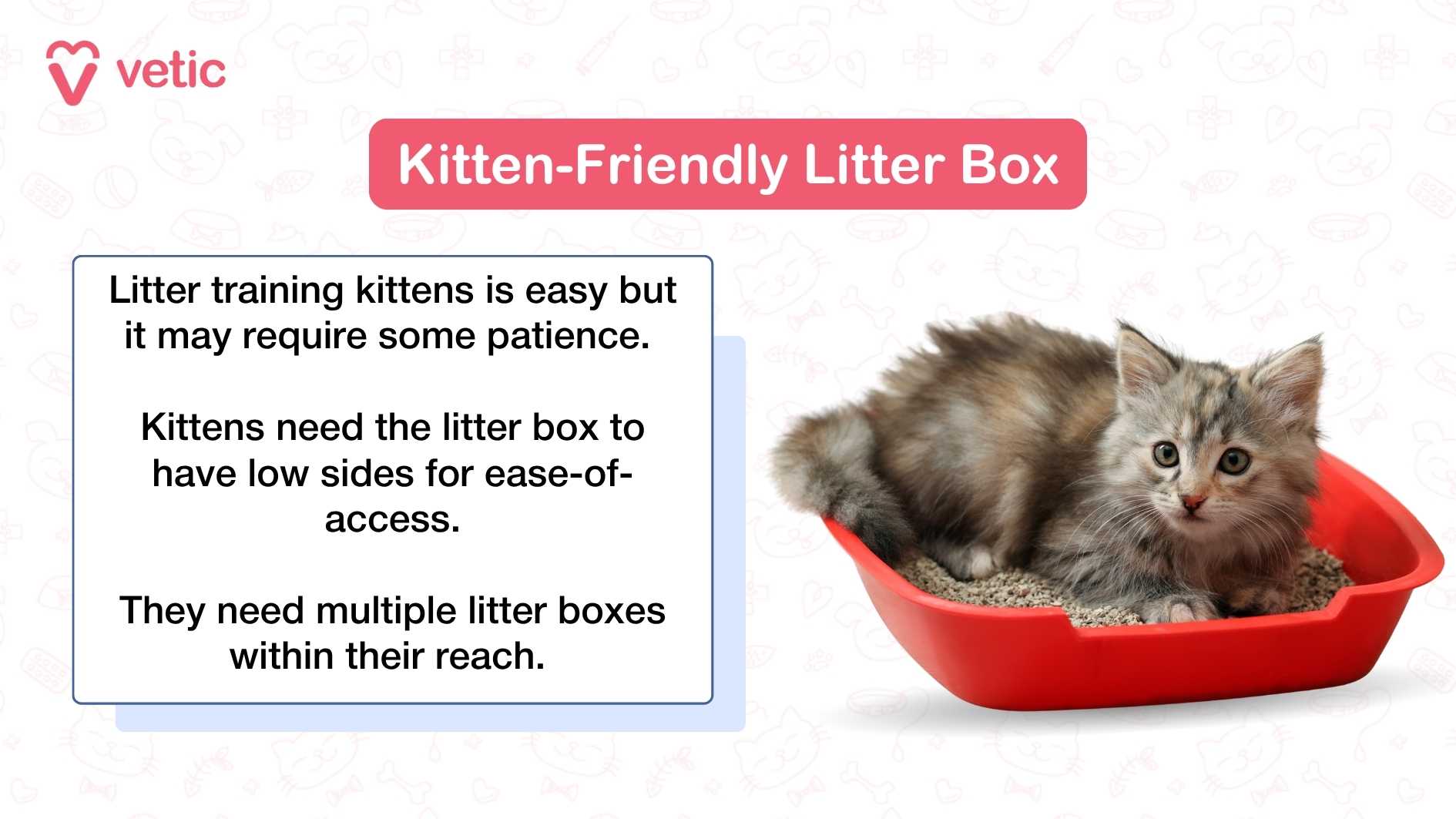
Low-entry boxes are the safest choice for kittens, senior cats, and cats with mobility impairments.
Credit: vetic.in
Covered vs. Uncovered
This is one of the most debated litter box choices, and the right answer depends entirely on your cat’s preferences. Covered boxes contain litter scatter and trap odors, which many owners prefer, but they can feel confining to cats, especially in multi-cat homes where a cat may feel trapped by another pet while inside. They also make it harder to scoop regularly, so built-up waste smells can accumulate inside the box, deterring use.
Uncovered boxes offer a more open, secure feel for most cats, and make it easier to monitor your cat’s bathroom habits for signs of medical issues. If your cat is hesitant to use a covered box, start with an uncovered option first, and only switch to covered if they show a clear preference for the added privacy. You can also read our guide on cat litter box mats best.

High-sided boxes work well for cats that kick litter while digging, but are not ideal for senior cats or kittens.
Credit: www.amazon.com
Multi-Cat Household Considerations
If you have more than one cat, follow the "one box per cat plus one extra" rule to avoid territorial conflicts and ensure no cat is blocked from accessing a box when they need it. Place boxes in separate, low-traffic areas of your home so no single cat can guard access to all of them. For multi-cat homes, multi-cat household requirements often include larger boxes and multiple entry points to reduce tension.
Selecting Litter That Cats Actually Want to Use
Cats are extremely particular about litter texture, scent, and material, and a mismatched litter choice is one of the top reasons for avoidable litter box refusal. You can also read our guide on how to train older cat to use scratching post.
Clumping vs. Non-Clumping
Clumping litter forms solid, easy-to-scoop clumps when wet, which makes daily maintenance faster and helps keep the box cleaner for longer. Most cats prefer clumping litter because it mimics the texture of natural sand, which they would use in the wild.
Non-clumping litter (including silica, paper, or pine pellet varieties) absorbs moisture but does not form clumps, requiring full litter changes every few days to control odor. Some cats with sensitive paws, or cats with a history of litter box avoidance, prefer the softer texture of non-clumping options, so it’s worth testing both if your cat is hesitant to use the box. If you use an automatic litter box, check that your litter is compatible with the system’s sifting mechanism — litter formulated for automatic systems is designed to clump properly without jamming the machine.
Scented vs. Unscented
Cats have a far stronger sense of smell than humans, so strong fragrances in scented litter are often overwhelming and deter use. Unscented litter is the best choice for most cats, as it avoids exposing them to harsh chemicals or artificial smells. If you’re concerned about odor control, opt for unscented litter with built-in odor-neutralizing baking soda, rather than scented varieties.
In practice, many cat owners find that switching from scented to unscented litter alone resolves unexplained litter box avoidance issues.
Texture and Depth Preferences
Cats are extremely particular about litter texture: some prefer fine, sand-like clumping litter, while others like the softer feel of paper or silica pellets. If your cat is scratching the sides of the box or eliminating right outside the edge, try switching litter textures to see if that resolves the issue.
Litter depth is just as important: fill the box with 2–3 inches of litter, deep enough for your cat to dig and bury waste, but not so deep that it becomes difficult to scoop.
Strategic Litter Box Placement
Even the perfect litter box and litter will go unused if placed in the wrong spot. Cats are sensitive to their environment, and placement can make or break your training efforts.
Privacy First
Cats are most comfortable eliminating in a quiet, low-traffic spot where they won’t be startled or interrupted. Avoid placing the box near loud appliances (washing machines, furnaces, HVAC units) or high-traffic areas like front doors, busy hallways, or living rooms where lots of people pass through.
Cats also prefer to have an escape route when they’re in a vulnerable position, so avoid tucking the box into a narrow corner with no exit. If space is limited, a corner box with two open sides works well to give your cat a sense of security.
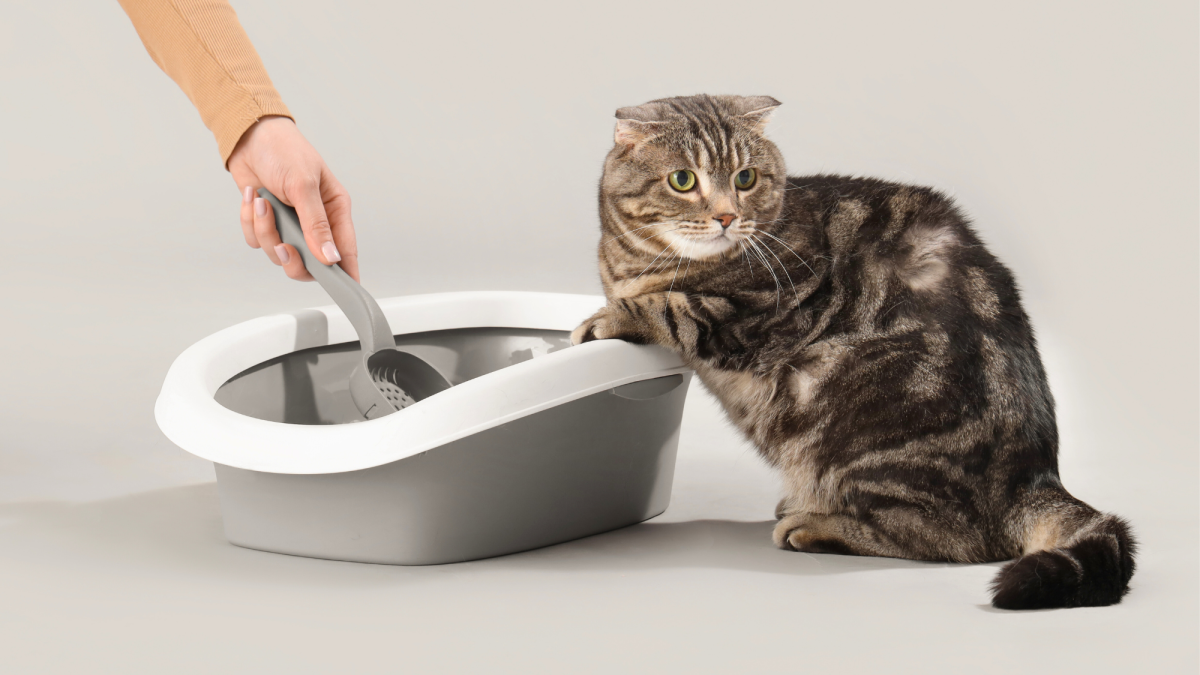
An uncovered box in a quiet location is the best choice for most cats, as it reduces feelings of confinement.
Credit: pethelpful.com
Accessibility for All Cats
Make sure the path to the litter box is clear and unobstructed, with no obstacles your cat has to jump over or navigate around. If you have a multi-story home, place a box on each level so your cat doesn’t have to travel far when they need to go, especially at night.
Most importantly, never place the litter box next to your cat’s food and water bowls. Cats instinctively avoid eliminating near their eating area, and this is one of the most common causes of avoidable litter box accidents.
Step-by-Step Introduction Process
How you introduce your cat to the litter box will shape their long-term habits. Adjust your approach based on your cat’s age and prior experience.
For Kittens (Under 4 Months Old)
Kittens learn litter box habits fastest when introduced early and consistently. Follow this routine:
- Place your kitten in the litter box immediately after they wake up, after every meal, and after every play session — these are the times they are most likely to need to eliminate.
- If they use the box, immediately reward them with a treat and gentle praise to build a positive association.
- If they have an accident, clean the spot with an enzymatic cleaner right away, and do not scold them — kittens do not understand punishment, and it will only make them fearful of eliminating in front of you.
For Adult Cats or Rescues
Adult cats may need a slower, lower-pressure introduction:
- Show your cat the litter box location as soon as they arrive in your home, and let them explore it on their own terms without forcing them inside.
- If they don’t use it within a few hours, gently place them inside after meals or naps, and stay with them for a minute or two to encourage use.
- Use a consistent cue word (like "go potty") when you place them in the box, and reward them immediately after they use it to build the association.
To track progress, use a simple log like the one below:
| Day | Observation | Next Steps |
|---|---|---|
| 1 | Cat sniffs and explores the box | Continue placing them in the box after meals/naps |
| 2 | Cat digs in the litter | Reward this behavior to encourage association |
| 3 | Cat uses the box successfully | Continue rewarding every use for the first 2 weeks |
| 1+ week | Cat uses the box independently | Gradually reduce treat frequency, switching to intermittent rewards |
Positive reinforcement training frameworks work best for cats of all ages, as they build trust and positive associations with the litter box rather than creating fear.
Maintaining Cleanliness to Encourage Consistent Use
Cats are fastidious by nature, and a dirty litter box is the number one reason cats avoid using it, even if they were previously trained. Follow this maintenance routine to keep the box inviting:
Daily Maintenance
- Scoop all solid waste and clumps at least once per day, twice if you have multiple cats.
- Top up litter as needed to maintain the 2–3 inch depth.
- Wipe down the edges of the box with a damp cloth if litter is kicked onto the sides.
Weekly Maintenance
- Empty all litter from the box, and wash it with mild, unscented soap and warm water. Avoid harsh chemical cleaners, ammonia, or bleach, as residual smells will deter your cat from using the box.
- Refill with fresh litter to the recommended 2–3 inch depth.
- Clean the area around the box to remove tracked litter and odors.
Odor Control Hacks
For persistent odors, mix a cup of baking soda into the litter each time you refill it to absorb smells without adding fragrances. If you struggle to keep up with daily scooping, self-cleaning litter box options automate waste removal after each use, reducing odor buildup and maintenance work for busy owners. Just note that some skittish cats may be scared of the motor noise, so introduce automatic boxes gradually by leaving them unplugged for a few days before activating the cleaning cycle. If you struggle with litter scatter or lingering odors near the box, odor-controlling litter box designs feature built-in filters and high sides to contain smells and mess.
Troubleshooting Common Litter Box Issues
If your cat is avoiding the litter box, the first step is to rule out medical causes, as pain or discomfort is a far more common culprit than willful misbehavior.
Rule Out Medical Issues First
Per Cornell University College of Veterinary Medicine's feline behavior guidelines, sudden litter box avoidance, frequent urination in small amounts, or blood in the urine are almost always signs of underlying medical distress, not behavioral problems. Common issues include urinary tract infections, bladder stones, kidney disease, and arthritis (which makes it painful to climb into high-sided boxes). If your cat shows any of these symptoms, schedule a vet visit immediately before adjusting your training approach. For senior cats with mobility issues, switching to a senior-friendly box design with a low entry point can eliminate pain as a barrier to litter box use.
Fixing Accidents Outside the Box
If your cat is peeing on carpets, furniture, or other soft surfaces, follow these steps to stop the behavior:
- Clean the accident spot immediately with an enzymatic cleaner, not just soap and water. Enzymatic cleaners break down urine proteins to completely eliminate the scent, so your cat won’t be drawn back to the spot to mark it again. Avoid ammonia-based cleaners, as they smell like urine to cats and will encourage repeat marking.
- Make the litter box more appealing: add an extra box, switch to unscented clumping litter, or move the box to a quieter location.
- If your cat is only peeing on vertical surfaces (walls, furniture), this is called spraying, a territorial marking behavior unrelated to litter box training. Reduce stress by using feline pheromone diffusers, and address any triggers like new pets or household changes.
Addressing Behavioral Triggers
Stress is a major cause of litter box avoidance. Common triggers include:
- Recent moves, new pets or family members, or changes to your cat’s daily routine
- A dirty or poorly placed litter box
- Territorial conflict in multi-cat households
- Fear of loud noises or disruptions near the box
To reduce stress, keep your cat’s routine as consistent as possible, provide plenty of hiding spots, and make changes to the home gradually. If stress is the root cause, consult a certified cat behaviorist for tailored support.
Expert-Backed Tips for Long-Term Success
Prioritize Consistency Above All Else
Cats thrive on routine, so stick to a consistent schedule for feeding, playtime, and litter box maintenance. If you need to change your cat’s litter type, do it gradually: mix 25% new litter with 75% old litter for 3 days, then increase to 50/50 for 3 days, then 75/25, until you’ve fully switched. Sudden litter changes are a common cause of litter box refusal, as cats are sensitive to unfamiliar textures and smells.
Avoid Punishment at All Costs
The American Veterinary Medical Association's positive reinforcement guidance for cats warns that punishment (including yelling, rubbing your cat’s face in accidents, or spraying them with water) increases fear and anxiety, making litter box problems worse. Cats do not connect punishment to past accidents, so they will only learn to fear you, not to use the box.
When to Seek Professional Help
If you’ve adjusted the litter box setup, cleaned thoroughly, and ruled out medical issues but your cat still avoids the box, reach out to a certified applied animal behaviorist (CAAB) who specializes in feline behavior. They can identify subtle triggers you may have missed and create a customized training plan for your cat.
Frequently Asked Questions
How do I encourage my cat to pee in the litter box?
Start by ensuring the box is clean, placed in a quiet, low-traffic spot away from food and water bowls, and filled with unscented clumping litter. Reward your cat with treats and praise immediately after they use the box, and provide one extra box per cat in multi-cat households. Clean any accidents with an enzymatic cleaner to remove urine scent, and rule out medical issues with a vet if avoidance persists.
How do I get a cat to pee inside a litter box?
For kittens, place them in the box after meals, naps, and play sessions to build the habit early. For adult cats, show them the box location as soon as they arrive in your home, and use a consistent cue word when guiding them to the box. If your cat is hesitant, try a litter attractant (a pheromone-based additive that encourages use) to build positive association.
Do you have to train a cat to pee in a litter box?
Most cats have an innate instinct to bury waste, so kittens raised with a litter box from a young age often learn to use it with minimal formal training. However, adult cats with prior bad experiences, rescues from shelter environments where they were forced to eliminate on concrete, or cats in new homes may need intentional guidance to build the habit. Kittens under 4 months old may need reminders to use the box until their routine is consistent.
Why won’t my cat go pee in the litter box?
Common causes include medical issues (UTIs, bladder stones, arthritis), a dirty or poorly placed box, scented litter they find overwhelming, stress from household changes, or territorial conflict in multi-cat homes. Always rule out medical issues first with a vet visit, then adjust the box setup to match your cat’s preferences.
Final Thoughts
Litter box training doesn’t have to be a source of stress for you or your cat. By setting up the right environment, using positive reinforcement, and addressing underlying issues quickly, you can build a reliable, low-stress bathroom routine for your feline friend. Remember that every cat learns at their own pace: kittens may master the skill in a few weeks, while adult cats with prior bad experiences may take a few months of consistent guidance.
If you’ve tried all the steps in this guide and are still struggling with litter box accidents, reach out to your veterinarian or a certified cat behaviorist for personalized support. With patience and the right strategies, you’ll be on your way to a clean home and a happy, well-adjusted cat in no time.
For more expert cat care tips and product recommendations to simplify cat ownership, explore our full library of feline resources.