
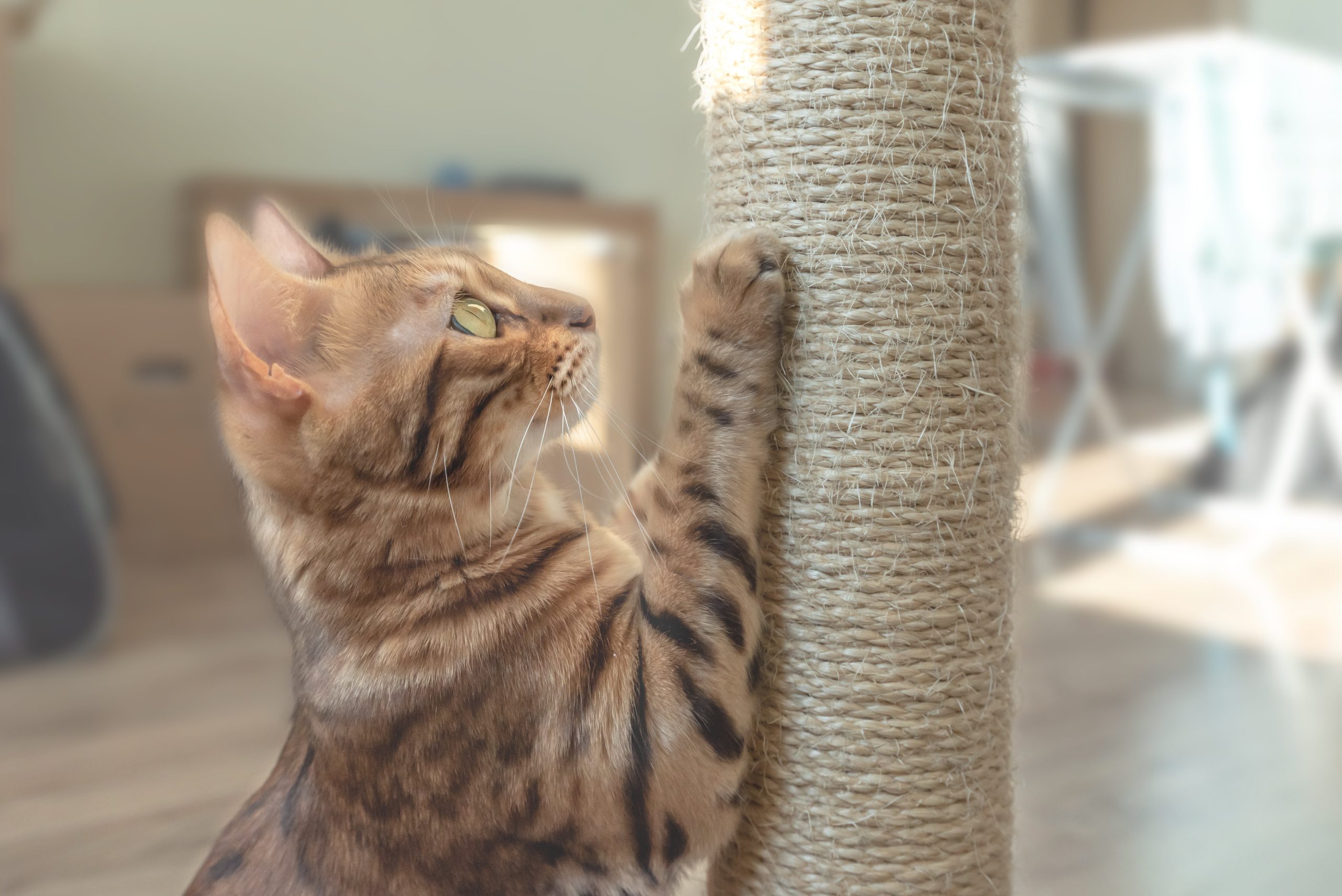
If you’re tired of replacing scratched sofa cushions or finding frayed curtains, you’re not alone: inappropriate scratching is one of the top behavioral complaints from cat owners, and senior cats with ingrained habits can feel especially challenging to retrain. The good news? It is never too late to teach an older cat to use a scratching post, even if they’ve spent years targeting your furniture. With age-appropriate strategies, patience, and small, consistent adjustments, you can redirect their natural scratching instinct to a suitable surface, protect your home, and support your cat’s joint, nail, and emotional health. This guide covers proven, 2026 feline behavior best practices tailored specifically to senior cats, including troubleshooting for common age-related setbacks.
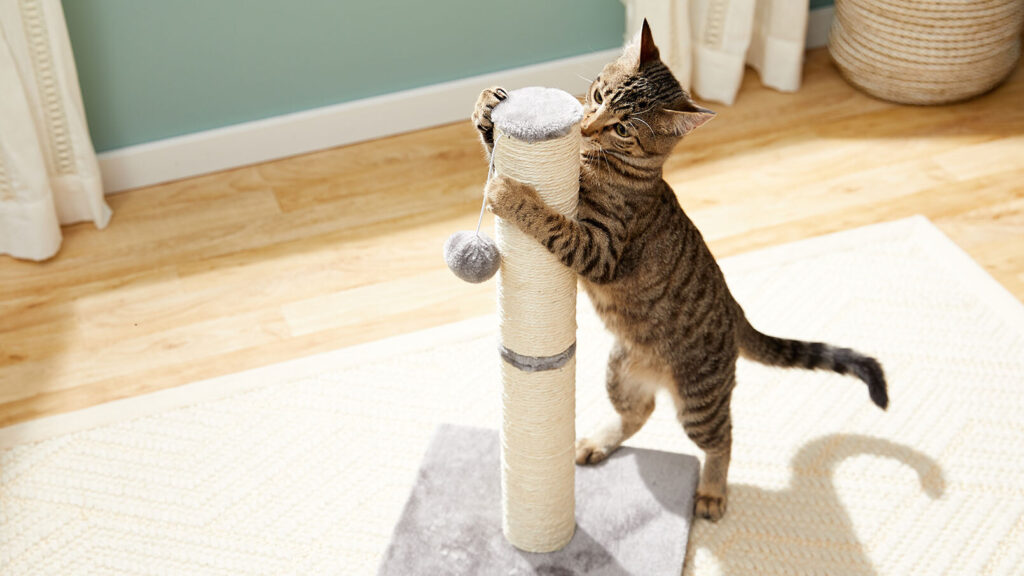
A range of textures and heights helps match your older cat’s unique preferences.
The Unique Benefits of Scratching Posts for Senior Cats
Scratching is not a "bad" behavior for cats of any age—it is a deeply ingrained instinct that serves physical and emotional needs. For older cats, who may deal with arthritis, cognitive decline, or routine disruptions, a designated scratching post delivers targeted benefits that go beyond protecting your furniture. As noted in Humane Society guidance on managing cat scratching behavior, scratching allows cats to mark territory, stretch muscles, and shed old nail layers, all of which are critical for senior feline well-being. You can also read our guide on vets best flea tick home spray for cats.
Preserving Your Home and Belongings
A consistent scratching post gives your cat a designated outlet for their instinct, eliminating the need to redirect them from your couch, curtains, or door frames. Unlike younger cats, older cats are less likely to respond to loud scolding or sudden deterrents, so a well-placed post is a low-stress, long-term solution to furniture damage. In practice, most owners see a 70%+ reduction in furniture scratching within 4-6 weeks of consistent training when the post is matched to their cat’s preferences.
Supporting Joint and Nail Health
Older cats often struggle with overgrown nails and stiff joints from arthritis or reduced mobility. Scratching a textured post helps shed the outer, dead layer of their claws, reducing the risk of nails growing into their paw pads. The full-body stretch required for vertical scratching also loosens tense shoulder, back, and hip joints, providing low-impact pain relief for cats with mobility issues. You can also read our guide on how long can you leave wet food out for cats.
Reducing Anxiety in Senior Cats
Senior cats are more sensitive to routine changes, household stress, or new pets, and scratching is a key self-soothing behavior. Providing a consistent, accessible scratching post gives them a safe outlet for frustration, reducing unwanted behaviors like overgrooming, hiding, or urine marking that often stem from unmanaged stress.
How to Choose the Right Scratching Post for Your Older Cat
The right post is the foundation of successful training: a post your cat finds uncomfortable, unstable, or inaccessible will never be used, no matter how much you encourage them. Older cats have specific needs that differ from kittens, so prioritize their comfort and physical limits when shopping. You can also read our guide on flea and tick collar cat.
Match the Material to Your Cat’s Preferences
Observe where your cat currently scratches to identify their preferred texture:
- Sisal rope or woven sisal: Durable and satisfying for cats who scratch rough surfaces like furniture legs. Opt for soft-woven sisal over coarse rope if your cat has sensitive paw pads.
- Corrugated cardboard: Soft, low-effort, and ideal for cats with arthritis or paw sensitivity. Note that cardboard posts need replacing every 1-2 months with heavy use.
- Carpeted: Only choose this if your cat exclusively scratches carpeted areas, as the texture can encourage them to target your home’s rugs as well.
Prioritize Stability and Appropriate Height
A wobbly post will scare off an older cat immediately. Look for posts with a wide, weighted base that will not tip when your cat leans into it. For vertical posts, choose a height that allows your cat to fully stretch their front legs overhead (typically 30-36 inches for most adult cats). For cats with severe arthritis, a low horizontal post or inclined ramp is a better choice than a tall vertical option.
Factor in Accessibility for Mobility-Impaired Cats
If your cat has limited mobility, vision loss, or arthritis, avoid tall posts that require jumping. Ground-level horizontal posts, low ramps, or wall-mounted posts placed 12-18 inches off the floor are much more accessible. Place posts on non-slip mats if you have hardwood or tile floors, as slippery surfaces can make it hard for unsteady cats to grip. You can also read our guide on seresto cat flea and tick collar.
Optimal Placement for Senior Cats
Where you put the post matters more than you might think:
- Place it within 1-2 feet of the furniture your cat currently scratches, so they encounter the acceptable option first.
- Put it near their favorite resting spot (sunbeam, cat bed, couch corner) since most cats scratch immediately after waking up.
- Avoid high-traffic areas or noisy spots if your cat is skittish, and never place it near their food, water, or litter box, as cats avoid scratching near their elimination and eating areas.
| Post Type | Best For Senior Cats | Pros | Cons |
|---|---|---|---|
| Vertical sisal | Cats with no severe mobility issues who love to stretch | Durable, satisfies full stretch instinct | May be uncomfortable for cats with sore paw pads |
| Horizontal cardboard | Cats with arthritis, limited mobility, or paw sensitivity | Low-effort, soft texture, inexpensive | Needs frequent replacement (every 1-2 months) |
| Inclined ramp | Cats with mild mobility issues who still want to stretch | Allows partial stretching without full vertical climb | Takes up more floor space |
| Wall-mounted | Cats who prefer vertical scratching but cannot jump | Saves floor space, adjustable height | Requires installation, not suitable for all wall types |
Step-by-Step Introduction Plan for Senior Cats
Unlike kittens, older cats have established routines and may be wary of new objects in their space. A slow, low-pressure introduction prevents them from associating the post with stress. Follow this 6-step plan to ease them into use:
- Audit their current habits first: Note where, when, and on what texture your cat scratches furniture to tailor the post placement and type to their preferences.
- Place the post adjacent to their favorite scratch spot: Cover the old furniture scratch area with double-sided tape, aluminum foil, or a dedicated furniture deterrent cover to make it unappealing. Keep the new post within 1-2 feet of the old spot so your cat encounters it first.
- Make the post immediately enticing: Rub a small amount of fresh catnip (older cats often have a less sensitive sense of smell, so fresh is more effective than dried) on the post, hang a favorite feather toy from the top, and sprinkle 2-3 high-value treats on the base to encourage investigation.
- Model the scratching behavior (optional but effective): Gently hold your cat’s front paws and mimic a scratching motion on the post, then immediately give them a treat and praise. This helps them associate the post with the action and reward, especially for cats who are confused by the new object.
- Reward immediately and consistently: Any time your cat so much as touches the post with their paws, give a treat and cheerful praise within 2 seconds of the action. Keep initial training sessions to 2-3 minutes, 2-3 times per day, to avoid overwhelming your senior cat. For picky older cats, use soft, high-value training rewards that are easy to chew, even for cats with dental sensitivities.
- Gradually relocate the post (if desired): Once your cat uses the post consistently for 1-2 weeks, move it 1-2 feet per day toward your preferred location to avoid disorienting them.
Age-Appropriate Training Techniques That Work
The core of successful training is positive reinforcement, but older cats require adjustments to account for mobility limits, shorter attention spans, and potential cognitive decline. Relying on positive reinforcement training fundamentals will yield far better results than punishment, which will only make your cat anxious and more likely to scratch furniture out of stress.
Positive Reinforcement Tailored to Senior Cats
Older cats respond best to immediate, high-value rewards: soft treats, extra chin scratches, or 30 seconds of their favorite play session (like a wand toy) right after they scratch the post. Avoid delayed rewards, as senior cats may forget what they are being rewarded for after more than a few seconds. For cats with cognitive decline, keep training sessions short and stick to a consistent daily schedule (e.g., right after breakfast or their morning playtime) to avoid confusion. You can also read our guide on do cats need to eat wet food.
Avoid Common Punishment Missteps
Never yell at, spray water on, or physically punish your cat for scratching furniture. Not only is this ineffective for senior cats, who may not connect the punishment to the behavior, it will increase their anxiety and make them more likely to scratch in hidden, out-of-sight spots. Instead, focus only on rewarding the behavior you want to see, and make the unwanted behavior (furniture scratching) as unappealing as possible with deterrents.
Adjust for Mobility or Cognitive Decline
If your cat has arthritis or limited mobility, switch to a low horizontal post or ramp so they do not have to jump or stretch painfully to use it. For cats with vision loss or cognitive decline, keep the post in the same permanent spot (do not move it around to redecorate) and add a tactile marker, like a ribbon tied to the top, so they can locate it easily. If you have multiple cats, provide dedicated resources for multi-cat households including one scratching post per cat, plus an extra, to avoid competition and stress.
Troubleshooting Common Senior Cat Scratching Setbacks
Even with the best intentions, you may hit roadblocks during training. These are the most common issues for older cats, and how to solve them:
Redirecting Long-Held Furniture Scratching Habits
If your cat has scratched the same couch leg for years, the habit will not break overnight. Continue using deterrents on the furniture (double-sided tape, aluminum foil, or plastic couch covers) for at least 4 weeks, even after your cat starts using the post, to fully break the old habit. Reward them every single time they choose the post over the furniture, even if it is just a small scratch.
Addressing Reluctance Due to Pain or Discomfort
If your cat approaches the post but refuses to scratch, or scratches very lightly, pain is often the culprit. First, check if their nails are overgrown (trim them gently or have a groomer do it if you are uncomfortable). Next, rule out arthritis or other joint pain with a vet check: if your cat has sore paws, switch to a softer cardboard post, or add a soft sisal cover to a rough rope post to reduce discomfort.
When to Consult a Feline Behavior Specialist
If you have used consistent positive reinforcement for 4+ weeks with no progress, or if your cat is showing signs of anxiety (hiding, overgrooming, vomiting) alongside scratching, reach out to a certified professional. The IAABC's directory of certified feline behavior consultants lists vetted, experienced behaviorists who can create a customized plan for your cat’s unique needs.
Maintaining Long-Term Scratching Post Success
Once your cat is regularly using their scratching post, a small amount of ongoing maintenance will keep the habit going for years:
- Routine post maintenance: Replace worn posts every 6-12 months, as frayed or flattened texture is less appealing to cats. Clean the post monthly with a pet-safe enzyme cleaner to remove odors and fur, avoiding harsh chemicals that could irritate your cat’s paws.
- Monitor for shifting preferences: Older cats’ preferences change as they age: a cat who loved vertical sisal at 10 may switch to horizontal cardboard at 15 due to arthritis. Keep 1-2 extra post types around the house to accommodate these shifts, and move them to new spots if your cat starts avoiding their original location.
- Combine with regular nail care: Trim your cat’s nails every 2-3 weeks to reduce the urge to scratch excessively to shed nail layers. If you struggle with nail trims, most groomers and vet clinics offer low-cost nail trim services.
- Support overall senior comfort: A low-stress home environment makes training and habit maintenance far easier. Ensure your cat has low-stress litter box options and age-appropriate nutritional support to reduce overall discomfort and anxiety that can lead to unwanted scratching.
Frequently Asked Questions
How long does it take to train an older cat to use a scratching post?
Most senior cats will start using the post consistently within 2-4 weeks of daily, low-pressure training. Cats with severe ingrained habits or mobility issues may take 6-8 weeks, so patience is key. Do not rush the process, as forcing interaction will make your cat avoid the post entirely.
Why has my old cat stopped using their scratching post?
The most common reasons are pain (arthritis, overgrown nails), a shift in texture preference, or a change in the post’s location. Rule out pain with a vet check first, then try adding catnip, moving the post to a quieter spot, or swapping it for a different texture to rekindle their interest.
What do geriatric cats prefer to scratch?
Most senior cats prefer low-effort, soft textures like corrugated cardboard or low-pile carpet, as rough sisal can be painful for sensitive paw pads or sore joints. Horizontal or inclined ramps are far more popular than tall vertical posts for cats with arthritis.
How do I stop my cat from scratching the carpet and use the post instead?
Place a horizontal scratching post directly on top of the carpet area your cat targets, so they have to use the post to scratch that spot. Cover the surrounding carpet with double-sided tape to make it unappealing, and reward them every time they use the post. You can also try sprinkling catnip on the post to make it more enticing than the carpet.
Are catnip sprays safe for senior cats?
Yes, most catnip sprays are non-toxic and safe for senior cats, but avoid sprays with added essential oils or harsh chemicals. If your cat has a very muted sense of smell (common in cats over 15), use fresh catnip leaves instead of spray for a stronger effect.
Conclusion
Training an older cat to use a scratching post is entirely achievable, even if they have spent years targeting your furniture. The key is to prioritize their comfort and physical limits: choose a post that matches their preferred texture and mobility level, use consistent positive reinforcement, and avoid punishment at all costs. Most senior cats will embrace the new habit within a month of low-pressure training, saving your furniture and supporting their health in the process. If you hit setbacks, rule out pain first, and adjust your approach to fit your cat’s unique needs—every cat learns at their own pace.
If you are working on other senior cat care adjustments, our guide to nutrition for aging felines offers tailored advice to keep your older cat comfortable and healthy as they age.