
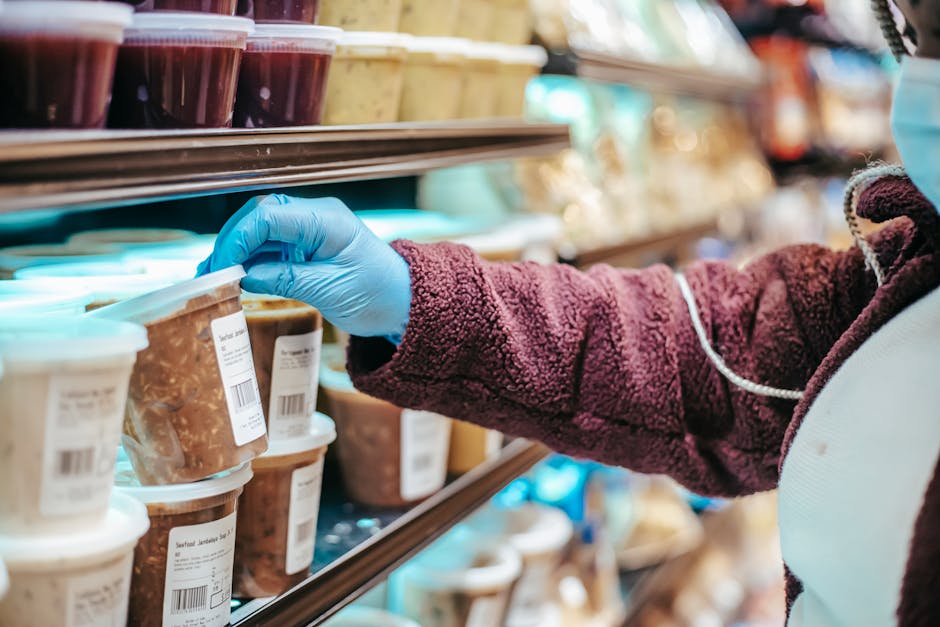
Do you often find yourself standing in the pet food aisle, staring at cat food packaging, and wondering what all those numbers and terms really mean? You're not alone.
Understanding nutrition labels on cat food is crucial for your feline friend’s health and happiness. But, deciphering them can seem like a daunting task. Imagine feeling confident in your choices and knowing that you're giving your cat the best possible diet.
In this guide, you'll learn how to decode these labels with ease. You'll discover how to identify the right ingredients and nutrients that are vital for your cat’s wellbeing. Get ready to become a savvy shopper and ensure your furry companion lives a long and healthy life. Keep reading and empower yourself with the knowledge that will make a difference.

Credit: www.reddit.com
Importance Of Nutrition Labels
Importance of Nutrition Labels Reading nutrition labels on cat food helps pet owners choose balanced meals. These labels reveal essential nutrients and ingredients. Understanding them ensures your cat gets the right diet for health and vitality.
Understanding what goes into your cat's food is crucial for ensuring their health and well-being. The nutrition label on cat food provides valuable insights into the ingredients and nutrients that your feline friend consumes. By learning how to read these labels, you can make informed decisions that support your cat's dietary needs. It's not just about what your cat eats, but how it impacts their overall health and happiness.
Why Nutrition Labels Matter
Nutrition labels give you a clear picture of what your cat is eating. They list the ingredients and the guaranteed analysis of nutrients like protein, fat, and fiber. Knowing these details helps you choose a cat food that aligns with your cat’s specific dietary needs. Have you ever wondered why your cat is more energetic on certain days? It could be related to what they eat. A balanced diet keeps your cat active and healthy.
Understanding Key Ingredients
The first few ingredients listed are usually the most significant, as they make up the bulk of the food. Look for high-quality protein sources like chicken or fish. Avoid foods where fillers like corn or wheat are among the first ingredients. High-quality protein is essential for muscle development and energy. A diet rich in protein can lead to a shinier coat and stronger muscles.
Recognizing Additives And Preservatives
Additives and preservatives are often included to enhance flavor or prolong shelf life. Some cats may have sensitivities to artificial ingredients. It’s important to know what’s in your cat’s food to prevent potential allergies. Would you want to eat food filled with artificial chemicals every day? The same goes for your cat. Opt for cat food with natural preservatives and minimal additives.
Interpreting The Guaranteed Analysis
The guaranteed analysis section lists the minimum or maximum levels of nutrients. It usually includes protein, fat, fiber, and moisture percentages. This information helps you assess whether the food meets your cat's nutritional requirements. Consider what your cat needs most. A senior cat may require different nutrient ratios compared to a kitten. Adjust their diet based on their life stage and health condition.
Examining The Aafco Statement
The Association of American Feed Control Officials (AAFCO) sets standards for pet food nutrition. An AAFCO statement on the label indicates the food meets basic nutritional guidelines. This statement ensures that the food provides a complete and balanced diet for your cat. Next time you shop for cat food, check for the AAFCO statement. It’s a quick way to verify that the food is nutritionally sound. Your cat deserves nothing less than the best.
_441xa.jpg)
Credit: www.natureski.co.nz
Key Components Of Cat Food Labels
Understanding the key components of cat food labels is essential for ensuring your feline friend receives optimal nutrition. With so many choices available, deciphering these labels can feel overwhelming. However, by focusing on three main sections—Guaranteed Analysis, Ingredient List, and Nutritional Adequacy Statement—you can make informed decisions about your cat's diet and well-being.
Guaranteed Analysis
The Guaranteed Analysis provides a snapshot of the nutrient content in cat food. It typically includes percentages of protein, fat, fiber, and moisture. This section is crucial for assessing if the food meets your cat’s specific dietary needs. For example, a kitten requires higher protein levels than an adult cat. Always compare these values to your pet's nutritional requirements.
Consider the moisture content, especially if you're choosing between wet and dry food options. Higher moisture in wet food can aid hydration, but it's essential to balance it with other nutrients.
Ingredient List
The Ingredient List reveals what's inside the cat food, listed in order of weight. Ingredients at the top are most abundant, so prioritize foods with high-quality proteins like chicken or fish. Avoid foods where fillers like corn or wheat dominate the list.
Spotting artificial additives or preservatives? These can impact your cat's health negatively. Aim for natural ingredients for a healthier choice. You might be surprised how ingredient sourcing can affect both quality and taste.
Nutritional Adequacy Statement
This statement confirms the food meets established nutritional standards set by regulatory bodies like the AAFCO. Look for phrases like "complete and balanced" for your cat's life stage. If a food lacks this statement, reconsider its nutritional value for your pet.
Did you know a food labeled for all life stages may not be ideal for senior cats? Tailor choices based on specific needs to ensure comprehensive nutrition. Are you considering the long-term health implications of your cat’s diet?
By understanding these sections, you can make informed choices that support your cat's health and happiness. Remember, the right food can contribute to a longer, healthier life for your furry companion.
Decoding Guaranteed Analysis
Understanding cat food labels is essential for pet health. Guaranteed analysis provides insights into protein, fat, fiber, and moisture content. Look closely at these percentages to ensure balanced nutrition for your feline friend.
Decoding Guaranteed Analysis on cat food labels can seem daunting. These labels provide critical information about the nutritional content. Understanding them ensures your feline friend gets the best diet.
Protein Content
Cats need a high-protein diet. Protein levels are crucial for muscle maintenance and energy. Check the label for protein percentage. Aim for foods with a minimum of 30% protein. Animal-based proteins are preferable. They are easier for cats to digest. Look for chicken, beef, or fish as main ingredients.
Fat Levels
Fats provide energy and aid nutrient absorption. They help maintain a healthy coat and skin. Guaranteed analysis lists fat percentages. An ideal cat food should contain 15-20% fat. Ensure fats come from quality sources like fish oil. Avoid foods with excessive fat levels. It can lead to obesity and health issues.
Fiber And Moisture
Fiber aids digestion and prevents hairballs. A balanced fiber content is vital. Look for foods with 2-5% fiber. Moisture content is equally important. Wet cat food usually contains 75-78% moisture. It helps keep cats hydrated and supports kidney health. Dry food generally has less moisture. Provide fresh water to ensure proper hydration.
Understanding Ingredients
Deciphering cat food labels helps ensure your pet gets balanced nutrition. Look for protein, fat, and fiber percentages. Pay attention to ingredient quality, avoiding fillers and artificial additives.
Understanding cat food labels can be tricky. Ingredients listed on these labels hold vital clues about the food’s quality. Knowing what each ingredient means helps ensure your cat gets the best nutrition. Focus on the first few ingredients; they tell you the most about the food’s nutritional value.
Primary Ingredients
The primary ingredients are listed first. They make up the bulk of the food. Look for whole meats like chicken, fish, or turkey. These are good sources of protein. Protein is essential for your cat's health. Avoid products where fillers precede real meat. A high-quality cat food should have meat as the first ingredient.
Additives And Preservatives
Preservatives extend the shelf life of cat food. Some are natural, while others are synthetic. Natural preservatives include vitamins like E and C. They are safer for your cat. Synthetic preservatives may cause health issues over time. Avoid foods with many chemical names. They could be synthetic additives.
Allergens And Fillers
Some ingredients might cause allergies in cats. Common allergens include corn, wheat, and soy. These are often used as fillers. Fillers add bulk but little nutritional value. Check for grains or gluten if your cat has sensitivity. Choose grain-free options for cats with allergies. Always consult your vet for advice on allergens.
Interpreting Nutritional Adequacy
Understanding nutritional adequacy in cat food is crucial for your cat's health. Nutrition labels provide essential information about the food's nutritional value. This helps ensure your cat receives a balanced diet.
Aafco Standards
The Association of American Feed Control Officials (AAFCO) sets nutritional standards. These standards guide cat food manufacturers in formulating balanced diets. AAFCO-approved foods meet minimum nutritional requirements for cats. Look for labels mentioning AAFCO compliance. This ensures the food is nutritionally adequate.
Life Stage Suitability
Different life stages require different nutrition. Kittens need more protein and fat for growth. Adult cats need balanced nutrients for maintenance. Senior cats may need fewer calories and more fiber. Check labels for life stage suitability. This ensures the food meets your cat's specific needs.
Expert Tips For Choosing Cat Food
Choosing the right cat food can be overwhelming. Nutrition labels provide essential information. Understanding them helps make informed decisions. Here are expert tips for selecting the best cat food.
Consulting With Veterinarians
Veterinarians offer valuable insights on cat nutrition. They understand your cat's health needs. Regular check-ups are essential. Discuss dietary requirements with your vet. They may recommend specific nutrients or brands. Follow their guidance for a healthier cat.
Comparing Brands
Not all cat foods are equal. Compare brands to find the best quality. Look at ingredient lists and nutritional values. Avoid fillers and artificial additives. High-quality brands use real meat. Research brand reputation and reviews. This helps ensure you're choosing wisely.
Tailoring To Your Cat's Needs
Every cat is unique. Tailor food choices to meet specific needs. Consider age, weight, and activity level. Kittens require more protein and calories. Senior cats may need fewer calories. Address any health concerns like allergies. Choose food that supports overall well-being.
Common Misconceptions
Deciphering cat food labels can be puzzling. Many believe that the most prominent ingredient is the healthiest. In reality, understanding the nutritional balance is key to ensuring your cat receives a well-rounded diet.
Reading nutrition labels on cat food can be tricky. Many pet owners face confusion due to common misconceptions. Knowing what each label truly means is crucial. Misunderstandings can lead to poor choices for your feline friend. Let's uncover these misconceptions.
Premium Labels Vs. Quality
Many people equate premium labels with higher quality. They see a fancy label and assume it's better. But that's not always the case. Premium often refers to branding and marketing. Quality, on the other hand, is about ingredient content. A product can have a premium label yet lack essential nutrients. Always inspect the ingredient list and nutritional facts. Look beyond flashy packaging. This ensures your cat gets the best nutrition.
Natural And Organic Claims
Natural and organic claims can be misleading. Many assume "natural" means healthier. But the term "natural" is not regulated in pet food. It doesn't guarantee safety or nutrition. Organic claims can be genuine, but check for certifications. Certified organic products meet specific standards. They must follow strict guidelines. Always verify these claims for authenticity. This prevents falling for empty promises. Ensure your cat's food is genuinely beneficial.
Credit: medium.com
Frequently Asked Questions
How To Read Nutrition Labels For Cat Food?
Check protein, fat, and fiber percentages for balanced nutrition. Ensure the first ingredient is real meat. Look for AAFCO certification for quality assurance. Avoid artificial preservatives, colors, and excessive fillers. Understanding these aspects helps you choose healthy cat food.
What Does Min And Max Mean On Cat Food?
"Min" and "max" on cat food indicate the minimum and maximum nutrient levels. "Min" shows the least amount, while "max" indicates the most. These values help ensure your cat receives balanced nutrition. Always check these levels to meet your cat's dietary needs effectively.
How To Tell If Cat Food Is High In Carbs?
Check the ingredient list for grains like corn or wheat. High carb content often exceeds 10% in guaranteed analysis. Look for low-carb options with high protein and moisture content.
What Is A Good Protein Percentage For Cat Food?
A good protein percentage for cat food is typically between 30% to 40%. Cats are obligate carnivores, requiring high protein levels for optimal health. Ensure the protein is sourced from quality animal ingredients to support their muscle maintenance and overall well-being.
Conclusion
Reading cat food labels is crucial for your pet's health. Labels reveal ingredients and nutritional value. Choose food with quality proteins and few fillers. Avoid artificial colors or preservatives. Ensure your cat gets proper vitamins and minerals. Understanding labels helps make informed decisions.
Your cat deserves the best nutrition. Check labels next time you shop. Knowing what to look for keeps your cat happy and healthy. Taking time to read labels can improve your cat's diet. Healthy food leads to a happy, active kitty.
