
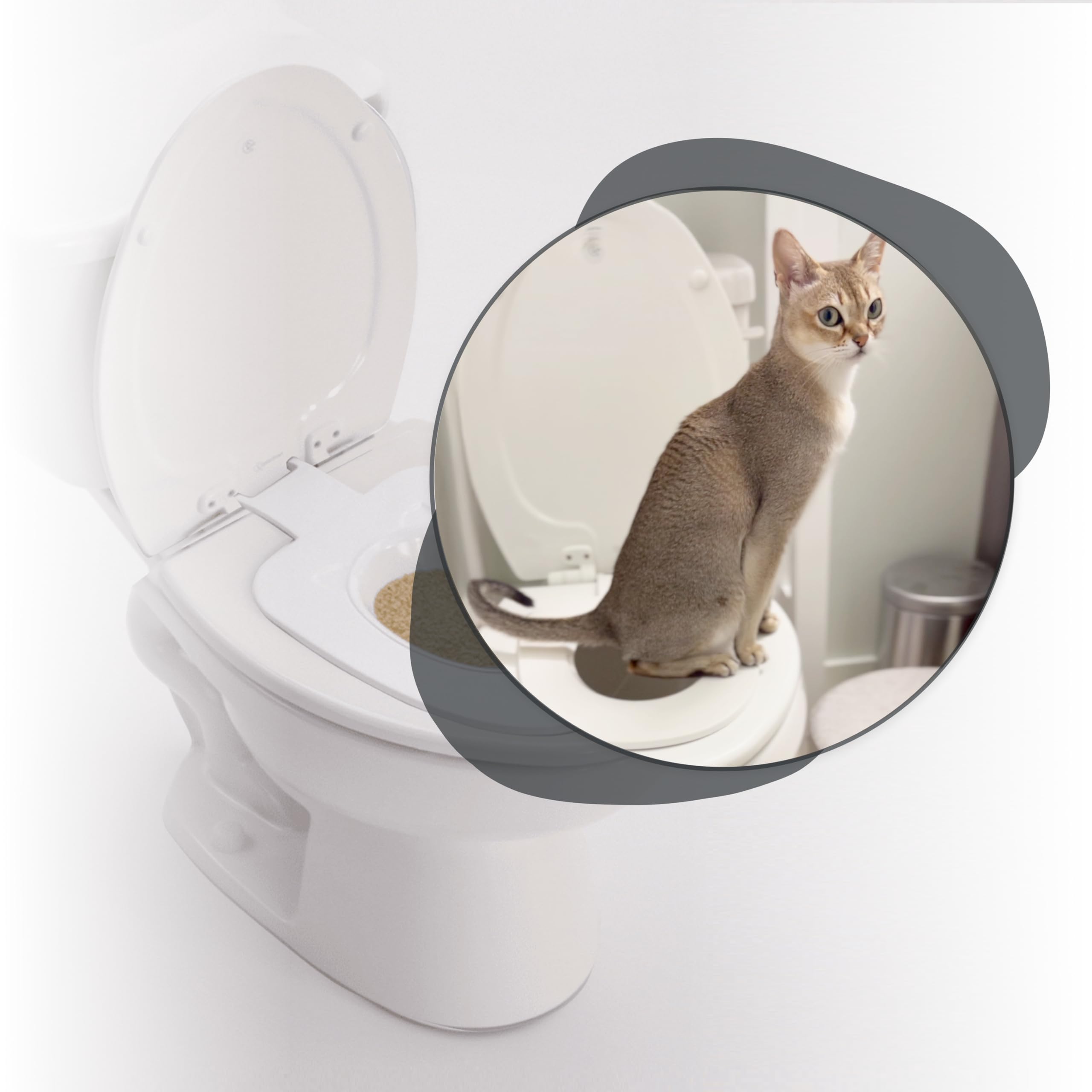
Imagine a world where you no longer have to scoop clumps from a litter box or deal with the unpleasant odor wafting through your home. Sounds too good to be true, right?
It's not. You can actually train your cat to use a toilet, saving you time and keeping your living space fresh and clean. You're probably thinking, "Can my cat really learn to do this? " Absolutely! With the right approach, patience, and a sprinkle of creativity, you can guide your feline friend to master this skill.
This article will reveal the secrets to successful cat potty training, step by step, making it easier for you and your pet to transition smoothly. Dive in to discover how you can transform your home life for the better and impress your friends with your clever kitty's new trick.
Benefits Of Toilet Training Your Cat
Potty training a cat on a toilet can save money on litter and reduce mess in the home. It also creates a cleaner environment, minimizing odors and litter tracking. Plus, it can be an impressive and convenient skill for both cats and their owners.
Toilet training your cat can be a game-changer for both you and your feline friend. It eliminates the need for litter boxes, saving space and reducing the hassle of constant cleaning. Many cat owners find this method not only convenient but also surprisingly easy, with the right approach and patience. Imagine a home free from the smell of litter and the constant chore of scooping. Doesn't that sound appealing?
Environmental Benefits
Switching to toilet training drastically reduces the use of cat litter, which often ends up in landfills. With over two million tons of cat litter disposed of each year, contributing to environmental waste, your efforts make a significant difference. You'll be doing your part in minimizing environmental impact while enjoying a cleaner home environment.
Cost Savings
Litter costs can add up quickly. By toilet training your cat, you save money in the long run, eliminating the need for monthly litter purchases. This financial relief can be redirected towards more enjoyable ventures, like buying your cat a new toy or saving for a family outing.
Improved Hygiene
Litter boxes can be breeding grounds for bacteria if not cleaned regularly. Toilet training enhances hygiene by keeping your home free from litter dust and odor. This not only keeps your space cleaner but also reduces the risk of infections, creating a healthier environment for both you and your pet.
Enhanced Bond With Your Cat
Teaching your cat to use the toilet requires patience and collaboration, strengthening your bond. As your cat learns and adapts, you'll find a sense of accomplishment and pride in your pet's achievement. This shared experience can deepen your connection, making your relationship with your feline friend even more rewarding.
Impress Your Guests
Imagine the surprise on your guests' faces when they discover your cat uses the toilet! It's an impressive feat that often sparks interesting conversations and admiration. Not only does this highlight your cat's intelligence, but it also showcases your dedication as a pet owner.

Credit: www.amazon.com.au
Choosing The Right Toilet Training Kit
Selecting the right toilet training kit for cats simplifies the potty training process. Opt for a kit with clear instructions and adaptable design. Ensure it suits your cat's size and comfort for effective training.
Choosing the right toilet training kit for your cat is crucial. It ensures a smooth transition from litter box to toilet. A well-designed kit can make the process easier. It provides the necessary tools and guidance for both you and your cat. Selecting the perfect kit involves considering several factors. These include compatibility with your toilet, the kit's durability, and ease of use.
Compatibility With Your Toilet
Not all training kits fit every toilet. Check the dimensions and shape of your toilet. Ensure the kit you choose fits securely and comfortably. This prevents accidents or discomfort for your cat.
Durability And Material Quality
A sturdy kit withstands frequent use and the weight of your cat. Look for kits made from strong materials. They should be resistant to scratching and biting. A durable kit lasts longer and offers better value.
Ease Of Use And Setup
The kit should be easy to install and remove. Simple instructions make the training process smoother. Consider kits that require minimal effort to set up. This saves time and reduces frustration for both you and your cat.
Training Stages And Adjustability
Choose a kit that offers multiple training stages. Adjustable stages help your cat adapt gradually. It allows you to progress at a pace comfortable for your cat. This flexibility is key to successful toilet training.
Preparing Your Bathroom
Preparing your bathroom is essential for toilet training your cat. Begin by placing a litter box near the toilet. Gradually raise the litter box height to align with the toilet seat level. This helps your cat adjust to using the toilet naturally.
Preparing Your Bathroom Embarking on the journey to potty train your cat on a toilet can be an exciting and rewarding challenge. One of the first steps is preparing your bathroom to ensure your feline friend feels comfortable and safe. This preparation is crucial for a successful transition, allowing your cat to adapt to their new potty training routine seamlessly.
Securing The Toilet Lid
An essential aspect of bathroom preparation is securing the toilet lid. Cats are naturally curious creatures, and an unsecured lid can lead to accidents. Make sure the lid is always down when not in use. Consider installing a lid lock that prevents your cat from opening it accidentally. This simple adjustment can prevent unwanted splashes and foster a safer environment for your cat to explore. Have you ever wondered how your cat perceives these new changes?
Creating A Calm Environment
Creating a calm environment is vital for your cat's comfort during training. Start by removing any loud or intimidating objects from the bathroom. Soft lighting and gentle music can help soothe your cat’s nerves. You might also want to leave their favorite toy or blanket nearby to encourage feelings of familiarity. Cats can be sensitive to changes; how can you ensure your bathroom becomes a peaceful haven? By addressing these two crucial aspects, you pave the way for a smoother and more successful potty training experience.

Credit: www.walmart.com
Introducing Your Cat To The Toilet
Potty training your cat to use the toilet can be a fascinating journey. It requires patience and a step-by-step approach, ensuring your feline friend feels comfortable throughout the process. Introducing your cat to the toilet is a crucial phase that sets the tone for successful training.
Gradual Transition From Litter Box
Begin by moving your cat's litter box closer to the bathroom. This small change helps your cat associate the bathroom with their usual routine. Gradually, over a few days, inch the litter box towards the toilet.
Once the box is beside the toilet, elevate it slightly. Use sturdy materials like phone books or a small stool to raise the height. This mimics the height of the toilet, preparing your cat for the upcoming transition.
Observe your cat's reaction. If they seem uneasy, slow down the transition. Remember, patience is key during this phase.
Familiarizing With The New Setup
Introduce your cat to the toilet by placing the litter box on top of the closed toilet seat. Ensure it's secure and won't slide off. This step helps them get used to the new height and location.
After a few days, switch to a training seat that fits inside the toilet. Commercially available cat training kits often come with these seats, making the process simpler. Fill the training seat with a thin layer of litter to maintain familiarity.
Monitor your cat's comfort and confidence. Are they using the new setup without hesitation? If so, you're on the right track. If not, consider taking a step back and giving them more time to adjust.
Have you noticed any funny quirks or habits your cat has developed during training? Share your experiences in the comments below. Your insights could help fellow cat owners on their potty training journey!
Step-by-step Training Process
Training your cat to use the toilet can be a rewarding experience. A step-by-step approach is essential for success. Each stage helps your cat adjust gradually, ensuring a smooth transition.
Stage One: Litter Box On The Floor
Begin with the litter box on the floor. This is your cat's comfort zone. Keep it clean and in a familiar spot. Encourage your cat to use it regularly. Praise them after each use. Positive reinforcement is key.
Stage Two: Elevating The Litter Box
Gradually raise the litter box. Use sturdy objects to lift it a few inches. Ensure it remains stable to avoid spills. This teaches your cat to jump up. Increase the height slowly over days or weeks.
Stage Three: Placing The Litter Box On The Toilet
Move the litter box to the toilet seat. Secure it firmly to prevent falls. Your cat will learn to jump onto the toilet. Watch their behavior closely. Reward them for successful attempts. Consistency is crucial.
Stage Four: Using The Toilet Training Seat
Introduce a toilet training seat. Replace the litter box with this special seat. Show your cat how to balance on it. Use less litter each day. Eventually, your cat will use the toilet without litter. Encourage them throughout this process.
Encouraging Positive Behavior
Potty training a cat on a toilet is a unique adventure. Encouraging positive behavior makes this process smoother. Cats are creatures of habit. Positive reinforcement works wonders in changing their routines. Focus on rewarding good behavior and addressing setbacks calmly.
Reward Systems
Positive reinforcement motivates cats to adapt to new habits. Use treats as a reward when your cat uses the toilet. Keep the treats small and delicious. Praise is also essential. Use a gentle voice to show approval. Consistency is key. Always reward immediately after the desired behavior.
Dealing With Setbacks
Setbacks are natural in the training process. Do not show frustration. Cats are sensitive to emotions. Remain calm and patient. If accidents happen, clean them up without scolding. Reassess the training steps. Sometimes moving too fast causes setbacks. Slow down if needed and repeat steps.
Troubleshooting Common Issues
Training a cat to use the toilet can present challenges. Gradually adjust your cat to the toilet's height. Use a litter box on the toilet initially to ease the transition.
Potty training a cat on a toilet can be a rewarding experience, but it's not without its challenges. You might encounter some common issues along the way that require a bit of troubleshooting. Understanding these problems and knowing how to address them can make the transition smoother for both you and your feline friend. Let’s dive into some specific challenges and how you can tackle them.
Fear Of The Toilet
Many cats might be intimidated by the toilet at first. The height, the water, and the unfamiliarity can all contribute to their reluctance. Start by familiarizing your cat with the bathroom environment. Place the litter box near the toilet and gradually elevate it over time. This helps your cat get used to the height of the toilet. Use positive reinforcement. Reward your cat with treats and praise when they show interest in the toilet. Consider using a training seat designed for cats. These can bridge the gap between a litter box and a toilet, making the process less daunting.
Accidents Outside The Toilet
Accidents can be frustrating, but they're a normal part of the learning process. Stay patient and don't punish your cat, as this can create fear and anxiety. First, ensure that the toilet is clean and accessible at all times. Cats prefer a tidy space, and a dirty toilet might discourage them from using it. If accidents occur, clean the area thoroughly to eliminate any lingering odors. Cats are likely to return to spots where they can smell their previous accidents. Observe your cat's behavior. If they seem to have trouble balancing or positioning themselves, they might need more time with a training seat. Remember, each cat is unique. What works for one may not work for another. Have you tried adjusting your approach based on your cat's specific needs and personality?

Credit: www.amazon.com
Maintaining Hygiene And Cleanliness
Potty training a cat on a toilet improves cleanliness. Introduce the litter box near the toilet first. Gradually move it up until it's on the seat.
Maintaining Hygiene and Cleanliness Potty training your cat to use the toilet is a remarkable achievement, but ensuring hygiene and cleanliness is essential for a healthy home environment. This process can be a bit messy, but with the right practices, you can maintain a clean space for both you and your feline friend. Let's dive into practical tips that will help you keep the toilet area spotless and odor-free.
Regular Cleaning Tips
Keeping the toilet area clean is crucial. Start by wiping down surfaces daily, especially those your cat might touch. Use a gentle cleaning solution that is safe for pets. Consider placing a mat around the toilet to catch any litter spills. A washable mat can be easily cleaned and reused, reducing the need for constant sweeping. Check the toilet seat regularly for any residues or dirt. A quick wipe with disinfectant will prevent buildup and maintain hygiene.
Preventing Odors
Odors can be a challenge when potty training your cat on the toilet. To combat this, ensure proper ventilation in the bathroom. Open a window or use an exhaust fan to circulate air. Adding a small bowl of baking soda near the toilet can absorb unwanted smells. This is a simple and effective trick for keeping the area fresh. Think about what you use to clean the toilet. Strong-smelling cleaners may mask odors temporarily but can be overwhelming for your cat. Opt for unscented or mild-smelling options to keep both you and your cat comfortable. By maintaining hygiene and cleanliness, you not only enhance your cat's potty training experience but also ensure a pleasant environment for everyone. Are there any unique tips you’ve tried to keep your bathroom clean? Share your experiences below!
Transitioning To Full Toilet Use
Transitioning your cat from using a training seat to full toilet use can be a rewarding experience. This final stage requires patience and consistency, as you guide your feline friend to adopt this new habit seamlessly. Once your cat has mastered the training seat, it’s time to take the next step and remove it, encouraging the cat to use the toilet independently. Let’s explore how to make this transition smooth for both you and your pet.
Removing The Training Seat
Removing the training seat is a crucial step in transitioning your cat to full toilet use. Begin by observing your cat's comfort level with the training seat. If they show signs of ease, gently remove the seat during their usual bathroom time. This change might initially confuse them, but with persistence, they'll adapt.
Consider leaving the toilet lid up at all times to signal its availability. Ensure your bathroom is a quiet and safe space, free from sudden noises that might startle your cat. Are you ready for the next challenge?
Ensuring Consistency
Consistency is key to successful toilet training. Maintain a regular schedule for bathroom visits to reinforce the new habit. Praise your cat each time they successfully use the toilet, offering a treat or gentle words of encouragement.
Pay attention to their behavior—look for any signs of discomfort or reluctance. Address these promptly to avoid setbacks. Are you noticing any patterns that could help improve the process?
Gradual changes and positive reinforcement will lead to success. Remember, patience is your ally in this journey. Are you prepared to celebrate your cat's victories?
Frequently Asked Questions
Can You Potty Train A Cat To Use A Toilet?
Yes, you can train a cat to use a toilet. Start by gradually moving their litter box closer to the toilet. Use a special cat toilet training kit for guidance. Be patient, as it takes time for cats to adapt.
Ensure your cat feels comfortable with each step of the process.
How Long Does It Take To Potty Train A Cat On The Toilet?
Potty training a cat on the toilet can take 2 to 8 weeks. It depends on the cat's temperament and consistency in training. Start by gradually moving the litter box closer to the toilet, then use a training kit for guidance.
Patience and positive reinforcement are essential for success.
Are Cats Hard To Toilet Train?
Cats can be toilet trained, but it requires patience and consistency. Start gradually by using a litter box. Transition to a toilet training kit. Positive reinforcement helps. Some cats adapt quickly, while others may take longer. Success varies with each cat's personality and training approach.
How To Teach A Cat To Go To The Toilet Outside?
Train your cat by placing its litter box outside. Gradually move it closer to the desired area. Use treats as rewards for successful outdoor trips. Be patient and consistent with the process. Ensure the environment is safe and free from distractions.
Conclusion
Potty training a cat on a toilet can be rewarding. Patience is key. Cats learn at their own pace. Celebrate small successes along the way. Always offer praise and treats. Make the toilet comfortable for your cat. Gradual transition helps prevent stress.
Watch for signs of discomfort. Adjust the process if needed. Safety should be a priority. Keep the bathroom clean and accessible. Remember, every cat is unique. Stay committed and positive. Your cat will soon master this skill. Enjoy a cleaner, litter-free home.
Happy training!