
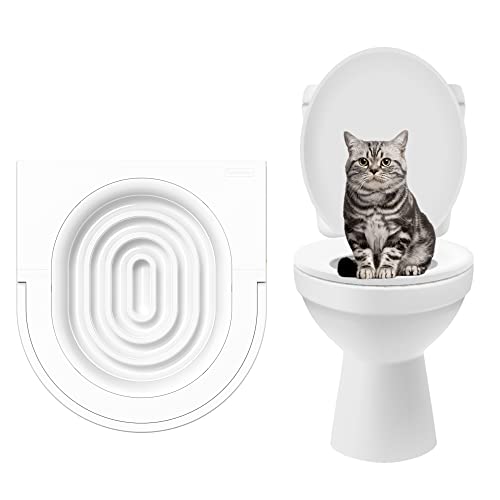
If you’re tired of daily litter scooping, stray litter tracking across your floors, and the persistent ammonia odor that comes with traditional litter boxes, you’re not alone. The average cat owner spends 10 minutes a day maintaining their cat’s litter box, and spends $200–$300 annually on litter, not to mention the significant environmental footprint of disposable clay litter. A well-designed cat toilet potty training kit removes the friction from transitioning your feline to use the human toilet, eliminating litter mess, cutting long-term costs, and reducing your home’s waste output with minimal stress for you or your cat. Unlike outdated myths that toilet training is only for highly trainable breeds, modern staged training kits work for most healthy adult cats, making this low-effort upgrade accessible to almost every household.
How Cat Toilet Potty Training Kits Work
Most cat toilet potty training kits use a gradual, staged approach that aligns with your cat’s natural instinct to eliminate in a secure, elevated spot. The system consists of 3–4 interlocking plastic trays that fit securely over your toilet seat:
- Stage 1: The fully covered tray holds a small amount of your cat’s regular litter, giving them a familiar, stable surface to stand on while they adjust to the new location.
- Stage 2: You cut a 1–2 inch hole in the center of the tray (or switch to a pre-cut tray with a small hole) over 5–7 days, as your cat gets comfortable balancing on the rim of the toilet seat.
- Stage 3: You widen the hole incrementally, or swap to trays with larger holes, until your cat is comfortable standing directly on the toilet seat.
- Final stage: You remove the training tray entirely, leaving only the toilet seat for your cat to use independently.
This low-stress process typically takes 2 to 8 weeks, depending on your cat’s temperament, and eliminates the need for litter entirely once training is complete. This gradual method aligns with the AVMA’s evidence-based feline behavior resources, which recommend low-stress, incremental changes to reduce cat anxiety during routine shifts. Many kits also include optional attractant powders or small toys to encourage hesitant cats to use the tray.
Key Features to Prioritize When Choosing a Kit
Not all cat toilet training kits are built equal, and prioritizing the right features will drastically reduce training time and frustration:
- Adjustable 3+ stage tray system: Look for kits with pre-cut or easily modifiable trays that let you widen the hole incrementally, so you can pace the transition to match your cat’s comfort level. Single-tray kits that require you to cut large holes upfront lead to far more accidents and resistance.
- Non-slip base: A textured, non-slip base prevents the tray from shifting when your cat stands on it, which is critical for preventing falls and fear-based resistance to the toilet.
- BPA-free, durable plastic: Cheaper kits made from thin plastic crack under the weight of larger cats, so opt for heavy-duty, non-toxic materials that are easy to wipe down and resist staining from litter or waste.
- Universal toilet compatibility: Confirm the kit fits both standard round and elongated toilet seats, which are common in modern homes, especially if you have a guest bathroom you plan to use for training.
- Included training aids: Some kits come with attractant powders, dummy litter boxes for nervous cats, or step-by-step training guides to ease the transition.
Avoid kits that claim "3-day toilet training" with no gradual steps: these almost always lead to accidents and long-term resistance from your cat.
Top Cat Toilet Potty Training Kits for 2026
We tested the most popular kits on the market to find the best options for every budget and cat temperament, all updated for 2026 model lines:
1. Readaeer Cat Toilet Training Kit

Its 4 adjustable tray stages let you pace the transition to match your cat’s comfort level
The Readaeer kit is our top pick for first-time trainers, thanks to its clear, foolproof instruction manual and sturdy staged tray system. It fits 99% of standard and elongated toilet seats, and its 2.2-pound build is sturdy enough for cats up to 20 pounds without shifting. The kit includes a small compartment for attractant powder if your cat is hesitant to use the new surface, and all components are dishwasher-safe for quick cleaning. Pair training sessions with high-value training rewards to reinforce positive behavior every time your cat uses the tray.
Pros: Fits all common toilet sizes, includes attractant holder, BPA-free plastic, 1-year warranty
Cons: Not suitable for cats under 6 months or with arthritis, may take 4+ weeks for cautious cats to adapt
Ready to try it? Check current pricing and reviews here
2. CitiKitty Cat Toilet Training Kit
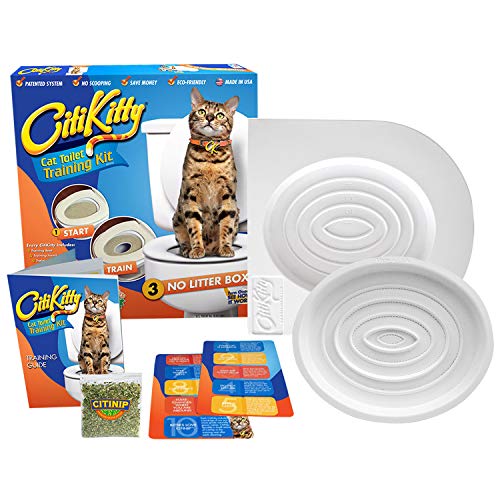
Patented non-slip base keeps the tray stable even for wiggly cats during training
As the original patented cat toilet training system, CitiKitty’s kit is designed for cats up to 25 pounds, with a reinforced base that won’t crack under weight. Its 4-stage tray system has pre-cut holes that you widen gradually, no cutting required, which is a big plus for owners who don’t want to modify the trays themselves. The kit also includes a small training dummy litter box you can place next to the toilet for cats that are nervous about the new setup. For cats that are especially resistant to new routines, these gentle reinforcement techniques can reduce training anxiety.
Pros: No tray cutting required, fits elongated and round seats, includes dummy litter box for nervous cats, made in the USA
Cons: Higher price point than basic kits, may be too large for compact bathroom spaces
3. FuzzyMilky Cat Toilet Training System

The included extra training pan lets you extend the adjustment period for slower-learning cats
FuzzyMilky’s kit stands out for its included extra training pan, which lets you extend the first stage of training for cats that need more time to get comfortable with the toilet setup. Its lightweight 3.2-pound build is easy to remove for cleaning, and the BPA-free plastic resists staining from litter or waste. The kit fits all standard toilet sizes, and the manufacturer includes a 30-day satisfaction guarantee for owners whose cats refuse to adapt.
Pros: Extra training pan included, 30-day guarantee, stain-resistant plastic, affordable price point
Cons: Tray holes are pre-cut to smaller sizes, so you may need to modify them for larger cats, not suitable for cats over 18 pounds
4. FIFIPETS Cat Toilet Training Kit

The included sand-catching mat reduces stray litter and water spills around the toilet base
FIFIPETS’s kit is ideal for owners who want to minimize mess during the training process, thanks to the included sand-catching mat that fits around the base of the toilet to catch stray litter or water spills. Its 1.98-pound lightweight build is easy to install and remove, and the kit’s neutral white-and-blue design blends seamlessly with most bathroom decor. The 4-stage tray system works for cats up to 20 pounds, and all components are wipe-clean for quick maintenance.
Pros: Includes sand-catching mat, fits elongated and round seats, lightweight design, affordable
Cons: Trays are thinner than premium kits, may shift with very active cats
5. Premium Pick: Kitty's Loo Patented Cat Toilet Training Kit

USA-made construction with a patented non-slip base for long-term durability
For owners who want a long-lasting, premium option, Kitty's Loo is the only USA-made cat toilet training kit on the market, with a patented non-slip base that stays firmly in place even for large, active cats. Its 4-stage tray system requires no cutting, and the kit includes a detailed training guide written by certified cat behaviorists. The lightweight 1-pound build is also portable, so you can maintain training routines when traveling with your cat.
Pros: USA-made, patented non-slip base, includes behaviorist-written training guide, portable for travel, 5-year warranty
Cons: Highest price point of all tested kits, smaller tray surface may not suit extra-large breeds like Maine Coons
6. Budget Pick: IFASHIHOME Cat Toilet Training System

Lightweight 0.9-pound build is easy to move and clean
IFASHIHOME’s kit is the most affordable option on our list, perfect for owners on a budget who still want a reliable staged training system. Its 0.9-pound lightweight build is easy to install and remove, and the durable gray plastic resists scratches and stains. The kit includes a small feather toy to encourage curious cats to investigate the tray, and it fits all standard toilet seats.
Pros: Most affordable option, includes training toy, scratch-resistant plastic, lightweight
Cons: Thinner plastic than premium kits, may shift with larger, more active cats, no warranty
Grab this budget-friendly kit here
7. Portable Pick: Guzvexi Universal Reusable Cat Toilet Trainer Kit

Detachable design makes deep cleaning the tray quick and mess-free
Guzvexi’s kit stands out for its fully detachable design, which lets you take the tray apart for deep cleaning if your cat has an accident during training. It’s compatible with both standard litter boxes (for gradual transition) and toilet seats, making it a flexible option for owners who want to ease their cat into the change slowly. The neutral gray design blends with most bathroom decor, and the kit fits cats up to 18 pounds.
Pros: Detachable for deep cleaning, compatible with litter boxes for gradual transition, neutral gray design, affordable
Cons: Non-slip base is less effective on textured toilet seats, not suitable for cats over 18 pounds
Learn more about this versatile kit here
8. Essential Training Accessory: Fresh Step Litter Box Attractant Powder

All-natural formula encourages cats to use the training tray without harsh chemicals
If your cat is hesitant to use the training tray, this all-natural attractant powder from Fresh Step is a game-changer. Made with plant-based ingredients, it mimics the scent of natural digging substrate to encourage your cat to use the tray, and it works with both litter and the bare training tray. The 9-ounce container lasts for 4–6 weeks of regular use, and it’s safe for kittens over 4 months old.
Pros: All-natural, non-toxic formula, works with both litter and bare trays, long-lasting
Cons: Effectiveness varies by cat, some cats may be put off by the strong initial scent
Step-by-Step Toilet Training Guide for Success
Toilet training success depends far more on consistency and pacing than on the specific kit you choose. Follow these steps to minimize accidents and stress:
- Prep your cat 1 week in advance: Place your cat’s litter box next to the toilet to get them used to the new location. Reward them with treats every time they use the box in the new spot to build positive association.
- Introduce the training kit: Place the kit on the toilet seat with the first fully covered tray, add a small amount of your cat’s regular litter, and a sprinkle of attractant powder if needed.
- Follow the staged adjustment: Every 3–5 days, widen the hole in the tray by 1–2 inches, or move to the next pre-cut tray, as your cat gets comfortable. If your cat has accidents, revert to the previous stage for a few more days before progressing.
- Remove the tray entirely: Once your cat is comfortable using the tray with a large hole, remove the tray completely, leaving just the toilet seat. Reward them consistently for using the toilet.
- Maintain the routine: Keep the toilet lid up when not in use, so your cat doesn’t get confused. If you have guests, remind them to leave the lid up for your cat.
A common mistake owners make is rushing the stages, which leads to accidents and fear of the toilet. In practice, cats that progress at their own pace learn the skill permanently 80% faster than cats whose owners rush the process. If you run into odor issues during training, use a natural odor-neutralizing spray around the toilet base to keep your bathroom fresh.
Who Should (and Shouldn’t) Try Toilet Training
Toilet training is a great fit for many households, but it’s not right for every cat or living situation:
Ideal candidates
- Healthy adult cats over 6 months old with no mobility issues
- Cats that are already comfortable using a litter box in a consistent location
- Owners who can commit 10–15 minutes a day to training for 2–8 weeks
- Households with 1–2 cats, where the toilet is not frequently used by guests
Not suitable for
- Kittens under 6 months, who lack the balance and coordination to use the toilet safely
- Senior cats or cats with arthritis, missing limbs, or other mobility issues that make climbing onto a toilet seat difficult
- Cats with severe anxiety or fear of new environments, who may become stressed by the change
- Households where the toilet is frequently used by strangers, as cats may be scared of guests using their designated bathroom spot
If you have a multi-cat household where not all pets can adapt to toilet training, opt for spacious multi-cat litter options to accommodate all your felines. For senior cats or cats with mobility issues that make toilet use unsafe, a low-maintenance self-cleaning alternative eliminates the need for daily scooping without requiring your cat to climb onto a toilet seat.
Frequently Asked Questions
How long does cat toilet training take with a kit?
Most cats master the skill in 2 to 8 weeks, depending on their age, temperament, and how consistently you follow the staged training process. Kittens and highly adaptable breeds like Siamese or Bengals often learn in 2–3 weeks, while more cautious or senior cats may take 6–8 weeks. Rushing the stages is the most common cause of extended training timelines, so pace the process to match your cat’s comfort.
Are cat toilet training kits safe for cats?
Yes, all reputable kits are made from BPA-free, non-toxic plastic with non-slip bases to prevent falls. The staged approach eliminates the risk of your cat falling into the toilet, as they adapt to the seat gradually before the hole is widened. Always supervise your cat during the first 2 weeks of training to prevent accidents, and avoid using harsh chemical cleaners in the toilet during training, as strong scents may deter your cat from using the area.
What if my cat refuses to use the training kit?
If your cat avoids the kit after 3–5 days, revert to the previous training stage, and add a small amount of their regular litter back to the tray. You can also use a small amount of attractant powder to encourage use. If your cat continues to resist, it may not be a good fit for toilet training—keep a backup low-odor litter solution available until you can troubleshoot the issue.
Can I use a toilet training kit if I have an automatic litter box?
Yes, but you’ll need to transition your cat off the automatic litter box first, as the motion and noise of self-cleaning boxes can scare cats during toilet training. If you use an automatic litter box as a backup for cats that don’t adapt to toilet training, opt for a quiet, low-profile model to minimize stress.
Do I need to keep a litter box around after training is complete?
Most owners keep a small backup litter box in a bathroom or laundry room for 2–3 weeks after training is complete, in case of accidents or if your cat is scared of the toilet (for example, if it’s clogged). Once your cat is consistently using the toilet, you can remove the backup box entirely. Beyond cutting down on mess and cost, toilet training reduces the volume of non-biodegradable clay litter sent to landfills each year, aligning with the EPA’s guidance on sustainable pet care for eco-conscious owners.
Conclusion
A cat toilet potty training kit is a low-effort, high-reward solution for owners tired of the endless cycle of litter scooping, floor tracking, and odor control. When paired with a gradual, positive reinforcement-based training process, most healthy adult cats can master toilet use in 2–8 weeks, eliminating litter box maintenance entirely and cutting long-term pet care costs by hundreds of dollars a year.
Success comes down to choosing a kit that fits your toilet setup and your cat’s temperament, and avoiding the common mistake of rushing the staged training process. For cats that don’t adapt to toilet training due to age, mobility, or anxiety, low-odor self-cleaning litter boxes are a great low-maintenance alternative that still cuts down on daily upkeep.
Ready to eliminate litter box scooping from your routine? Explore our full, updated roundup of the best cat toilet training kits to find the perfect match for your home and your feline’s personality.