
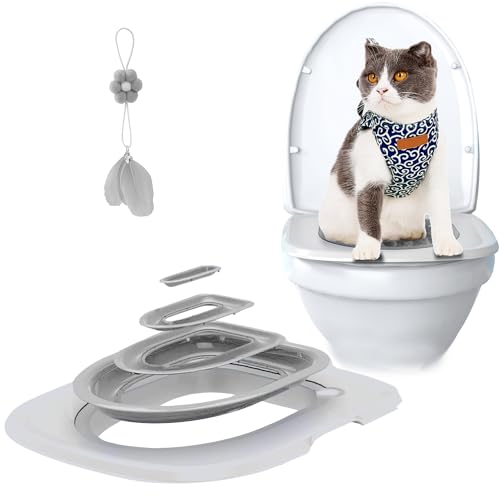
Tired of scooping clumpy litter every day, dealing with tracked litter across your floors, and fighting constant earthy odors that seep into every corner of your home? For cat owners looking to eliminate these nuisances entirely, the CitiKitty Cat Toilet Training Kit offers a proven, stress-free way to transition your feline from their litter box to your household toilet. Unlike generic, flimsy training kits that shift under your cat’s weight or skip critical adjustment steps, CitiKitty’s patented gradual system has been refined over 15 years to align with feline natural instincts, making the process safe and low-stress for even hesitant cats. If you’re new to cat training, our guide to feline training fundamentals breaks down core positive reinforcement principles that make toilet training successful. In this 2026 updated guide, we’ll cover exactly how the system works, who it’s right for, step-by-step training instructions, and honest pros and cons to help you decide if it’s the right fit for your household.
How the CitiKitty System Works
Unlike one-size-fits-all training kits that ask cats to jump directly from a litter box to an open toilet seat, CitiKitty uses a 3-step gradual adjustment process that matches how cats learn in the wild. The kit includes three adjustable plastic rings that fit over your standard toilet seat, each with a progressively smaller opening. You start with the largest ring, which covers the entire seat and holds a small amount of your cat’s usual litter, so your cat associates the new surface with their regular potty spot. Over 7-10 days (or once your cat is fully comfortable using the ring without accidents), you swap to the medium ring, then the small ring, until your cat is comfortable balancing on the toilet seat rim to eliminate with no training aid at all.
The included replaceable feather toy is designed to be placed on the edge of the training seat to encourage cats to jump up and explore the setup, building positive associations early. The entire process requires no permanent modifications to your toilet, making it a great option for renters or owners who want to keep a traditional litter box as a backup during training. In practice, owners who stick to the recommended adjustment schedule see far higher success rates than those who rush steps, as pushing cats too fast often leads to them avoiding the toilet entirely.
Key Features Differentiating CitiKitty From Generic Kits
CitiKitty’s design has been iterated on for over a decade to fix common pain points seen in cheaper, no-name training kits:
- Durable, BPA-free non-porous plastic: Unlike porous plastic kits that hold onto odors and bacteria, CitiKitty’s material wipes clean in seconds and is fully dishwasher safe for deep cleaning.
- Patented non-slip base: 2024 model updates added silicone grips to the bottom of the seat to prevent shifting when cats jump on, a top complaint in early CitiKitty versions.
- Adjustable 3-ring system: The rings are specifically sized to accommodate cat paw width, preventing slipping while your cat learns to balance. The kit fits 99% of standard round 15-16 inch toilet seats; owners with modern square or elongated toilets can purchase a $9.99 adapter directly from the official CitiKitty product page.
- Compact, portable design: Weighing just 1.2 pounds, the kit is easy to remove when guests need to use the bathroom, and stores flat under a sink for travel or storage.
- Included engagement toy: The replaceable feather toy helps reduce training resistance by giving cats a positive reason to jump onto the seat, a feature most generic kits omit.
For full product specs and compatibility guides, check the official CitiKitty site.
Who This Kit Is (and Isn’t) For
Toilet training is not a one-size-fits-all solution, and CitiKitty works best for specific household setups:
Ideal candidates:
- Single-cat households where the cat is at least 6 months old, fully vaccinated, and has had consistent litter box habits for at least 3 months.
- Owners tired of spending $200-$300 annually on litter, dealing with tracked mess, or fighting persistent litter odors (if you’re still battling smells even while training, our guide to managing litter box odors has extra tips to keep your home fresh).
- Renters or owners who want a no-permanent-modification solution for pet waste management.
Not recommended for:
- Kittens under 6 months old, who lack the bladder control to hold it through the night or while you’re away.
- Cats with arthritis, hip dysplasia, or other mobility issues that make jumping onto a toilet seat difficult or painful. For these cats, explore accessible traditional litter box options designed for low-mobility pets.
- Multi-cat households where each cat would need their own training kit and separate schedule, which can be logistically challenging. For multi-cat household setup guides, check our dedicated resource for alternatives that work for multiple cats at once.
- Cats with severe anxiety around bathrooms or loud noises (like flushing), who may never adjust to the new setup. Forcing training on a stressed cat will only create negative associations with bathroom time.
Step-by-Step 8-Week Toilet Training Guide
Sticking to a consistent schedule is the biggest predictor of toilet training success. Follow this 8-week plan tailored to the CitiKitty system for the best results:
- Weeks 1-2: Acclimation to the seat: Place the training seat on the toilet with the largest ring (full 15-inch opening covered with 2 inches of your cat’s usual litter). Encourage your cat to jump on the seat with treats and the included feather toy. If they refuse to jump, place a small step stool next to the toilet to lower the height. Reward any interaction with the seat with treats and praise.
- Weeks 3-4: Reduce litter coverage: Switch to the medium ring, which has a 6-inch opening. Reduce the amount of litter by 25% every 2 days, so your cat gets used to eliminating through the smaller opening. Clean any accidents immediately with an enzymatic cleaner to remove all scent traces that might attract your cat back to the spot.
- Weeks 5-6: Eliminate litter entirely: Use the smallest ring, with only a thin layer of litter, then no litter at all. Your cat will learn to balance on the toilet seat rim to eliminate. If your cat struggles to balance, stay on this step for an extra 3-5 days before moving forward.
- Weeks 7-8: Remove the training seat: Take the training seat off entirely. Most cats will now use the toilet on their own. If your cat has an accident, clean it immediately and place the training seat back on for a few more days to reinforce the habit.
Pair each successful toilet use with high-value positive reinforcement rewards to build a lasting positive association with the new routine.
Top Alternative Cat Toilet Training Kits To Consider
While CitiKitty is the most widely recommended option for most households, a few alternatives may be a better fit for specific needs:
- Cat Throne System™: The best pick for households with elongated toilets, as its 17-inch seat fits larger fixtures without needing an adapter. It’s also vet-approved and has a higher weight capacity for larger cats.
- Kitty’s Loo™: The only USA-made cat toilet training kit on the market, with a patented non-slip base ideal for heavy or large cats.
- FuzzyMilky Cat Toilet Training System: A budget-friendly pick that includes an extra training pan for slow learners, making it a good option for owners on a tighter budget.
That said, CitiKitty remains the most popular option among cat owners and veterinarians due to its proven gradual training system and high user satisfaction rate, making it the best all-around pick for most households.
Troubleshooting Common Training Setbacks
Even with the best system, you may run into minor hurdles during training. Here’s how to fix the most common issues:
- Cat refuses to jump on the seat: Place a low step stool next to the toilet for the first 2 weeks to help them build confidence. You can also sprinkle a small amount of catnip on the seat to encourage exploration.
- Cat is scared of the toilet flushing: Keep the toilet lid down at all times during training, and only flush after your cat has left the bathroom to avoid startling them. If your cat is still anxious, close the bathroom door during the day to give them a quiet space to adjust.
- Cat has frequent accidents: Keep a backup self-cleaning litter box nearby during training to give them an alternative. Accidents are almost always a sign you’re moving too fast, so go back to the previous training ring for a few days.
- Cat won’t use the seat without litter: Try rubbing a small amount of used litter from their old box on the edge of the training seat to transfer their familiar scent.
If your cat is showing signs of stress (hissing, avoiding the bathroom, urinating outside the box), stop training immediately and consult the Humane Society’s guide to litter box issues to rule out medical or behavioral problems before continuing.
Frequently Asked Questions
How long does it take to toilet train a cat with CitiKitty?
Most cats take 4 to 8 weeks to fully transition to using the toilet independently, though hesitant kittens or cats with previous negative litter box experiences may need up to 12 weeks. Consistency is the single biggest predictor of success — owners who follow the recommended 7-day adjustment schedule per ring see far higher completion rates than those who skip steps.
Is the CitiKitty kit safe for cats?
Yes. The kit is made from BPA-free, non-porous plastic that won’t hold onto harmful bacteria or odors, and its low-profile design minimizes fall risk. The system aligns with feline natural potty instincts (cats prefer to eliminate in a quiet, elevated spot), so it causes minimal stress when used as directed. Always consult your veterinarian before starting training if your cat has pre-existing health conditions.
Does CitiKitty fit all toilet types?
Standard CitiKitty kits fit 99% of standard round 15-16 inch toilet seats. Owners with modern square or elongated toilets will need to purchase the optional $9.99 elongated adapter, available directly from the official CitiKitty site.
Do I need to keep a litter box during training?
Yes. It’s recommended to keep a secondary litter box in a nearby bathroom for the first 4 weeks of training to give your cat a familiar alternative if they’re uncomfortable with the training seat. This reduces the risk of accidents around your home and prevents your cat from associating the toilet with stress.
What if my cat refuses to use the training seat?
Some cats never adjust to toilet training, and that’s completely normal. If your cat shows consistent signs of fear or avoidance after 2 weeks of consistent training, stop the process and return to a traditional litter box. You can explore accessible traditional litter box options designed for cats of all mobility and preference levels.
How do I clean the CitiKitty training seat?
The training seat and all three adjustable rings are dishwasher safe, or you can wipe them down with mild soap and warm water after each use to prevent odor buildup. Avoid harsh chemical cleaners, as their strong scents can deter cats from using the seat.
Final Verdict: Is CitiKitty Right For You?
For cat owners tired of the endless cycle of scooping litter, dealing with tracked mess, and fighting persistent odors, the CitiKitty Cat Toilet Training Kit offers a low-stress, cost-effective solution that works for the majority of feline households. While it’s not a one-size-fits-all option — and it’s not right for kittens, cats with mobility issues, or highly anxious pets — it’s the most proven, vet-endorsed toilet training system on the market in 2026. By following the gradual 8-week schedule, rewarding your cat for progress, and avoiding common mistakes like rushing the process, you can say goodbye to litter box maintenance for good. Ready to revolutionize your cat’s potty routine? Shop the official CitiKitty kit here to get started with the complete, all-inclusive system today.


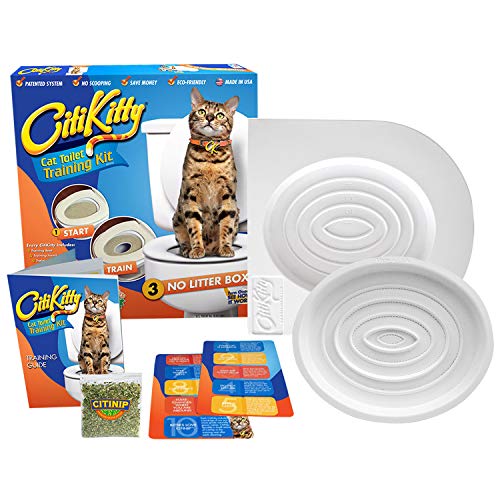
The original CitiKitty kit includes three adjustable training rings to gradually increase the toilet seat opening as your cat adapts.


The Cat Throne System’s elongated design fits larger toilets and provides extra stability for bigger cats.


Kitty’s Loo is the only USA-made cat toilet training kit on the market, with a patented non-slip base.
