

Imagine never scrubbing urine stains off your rug or dealing with a stinking litter box multiple times a day. That reality is achievable for most cat owners, whether you’re training a new kitten to use a litter box reliably or teaching an adult cat to use the toilet. While cats have natural instincts to bury waste, successful potty training still requires the right setup, consistent routine, and an understanding of your cat’s unique preferences. This guide covers evidence-based, vet-approved strategies to avoid common pitfalls, reduce accidents, and build a low-stress bathroom routine for you and your feline friend.
Step 1: Choose the Right Litter Box for Your Cat’s Needs
A well-chosen litter box eliminates common training hurdles, reducing the risk of potty training setbacks for new and experienced cat owners alike. Cats are fastidious about their bathroom spaces, and a box that doesn’t meet their needs will lead to avoidance and accidents. You can also read our guide on can you train cats like dogs.
Types of Litter Boxes
Each box type suits different cat personalities and household constraints:
- Open litter boxes: Uncovered, low-sided designs that are easy for kittens, senior cats, and cats with arthritis to access. Most cats prefer them for their open, airy feel, and they make it easy to monitor waste for health red flags.
- Covered litter boxes: Enclosed designs that contain odors and provide privacy for skittish cats. The downside is that they trap smells inside, which can deter cats with sensitive noses, and they make it harder to spot health issues in waste.
- Self-cleaning litter boxes: Automated models that scoop waste after each use, ideal for busy owners. Look for quiet, low-timer models, as loud motors can scare cats away. For multi-cat households, our top picks for multi-cat households include self-cleaning options with large capacities to handle frequent use.
- Top-entry litter boxes: Designed with a hole in the top to reduce litter tracking, but they are not suitable for older, injured, or overweight cats that struggle to jump.
Size and Placement Rules
Size and location are just as important as box type:
- Size: Choose a box that is at least 1.5 times the length of your cat (from nose to base of tail) to give them room to turn and dig comfortably. Kittens and senior cats need low sides (2-3 inches tall) to climb in and out easily.
- Placement: Put the box in a quiet, low-traffic area away from your cat’s food and water bowls—cats instinctively avoid eliminating near where they eat. Avoid noisy spots next to washing machines, furnaces, or high-foot-traffic hallways. For multi-cat homes, place boxes in separate, private locations to avoid territorial conflicts.
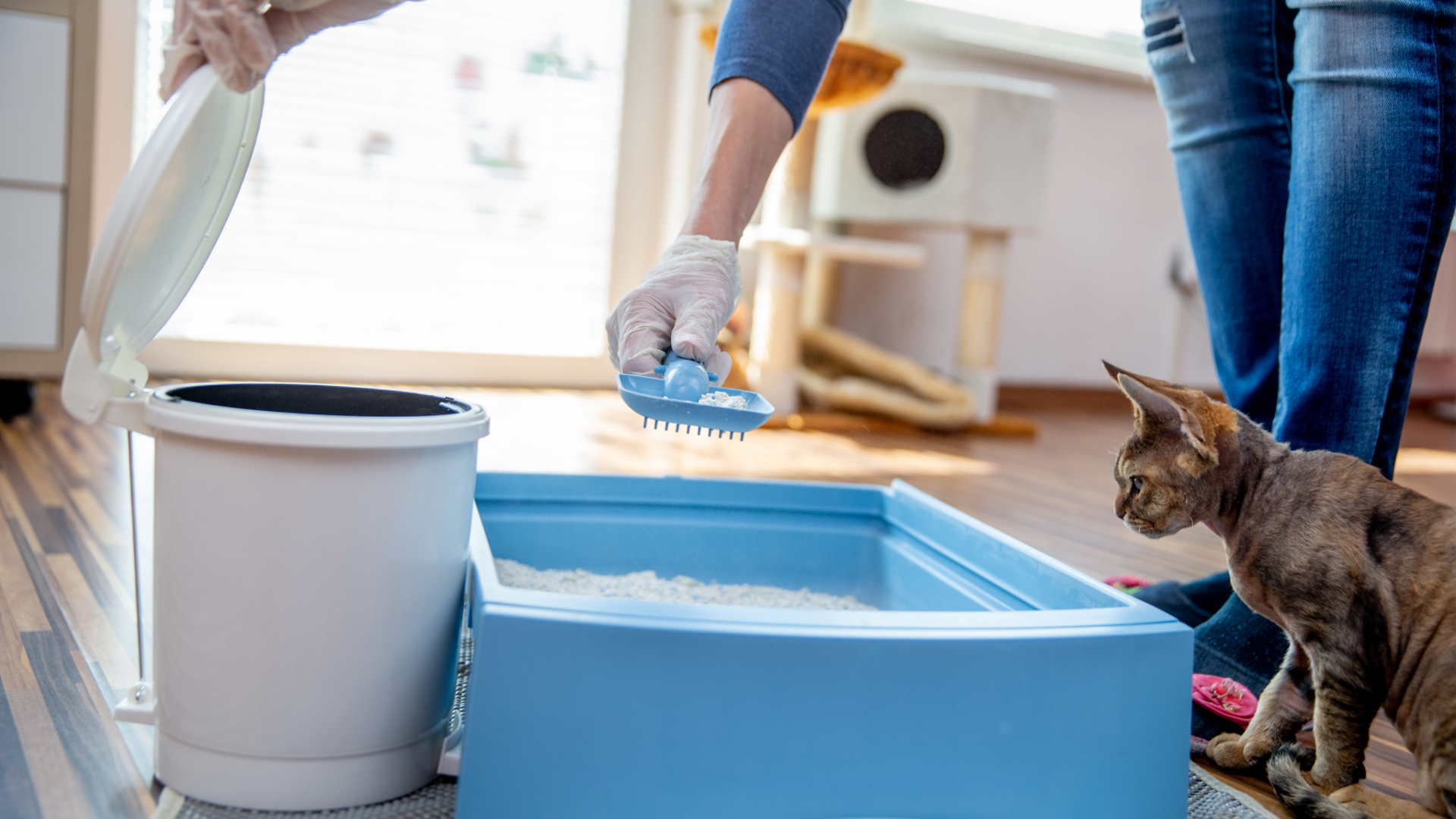
Credit: www.petsradar.com
A low-sided litter box is ideal for kittens, senior cats, and cats with mobility issues.
Step 2: Pick the Perfect Litter for Consistent Use
The right litter eliminates texture or scent-related refusal, which is one of the most common causes of early potty training failure. Test small bags of different options before committing to a full bulk purchase to find what your cat prefers.
Clumping vs. Non-Clumping Litter
- Clumping litter: Forms solid, scoopable clumps when wet, making daily cleaning fast and easy. It is the most popular choice for training because it minimizes odor and stays cleaner longer. Look for low-dust, clay-free formulas if your cat has asthma or allergies.
- Non-clumping litter: Absorbs moisture without forming clumps, requiring full litter changes every 1-2 weeks. Some cats prefer its softer texture, and it is often more affordable, but it is harder to monitor for health issues like blood in urine.
Scented vs. Unscented, and Other Key Considerations
In practice, most cats reject heavily scented litter, as their sense of smell is roughly 14 times stronger than a human’s, so unscented options are almost always the safer choice for training. If odor control is a priority for your home, options that lock in odors use odor-neutralizing crystals instead of artificial fragrances that deter cats. Avoid litters with strong deodorizing sprays, and skip dusty silica-based litters that irritate cats’ respiratory systems. You can also read our guide on what sort of nutrition is needed for a sick cat.
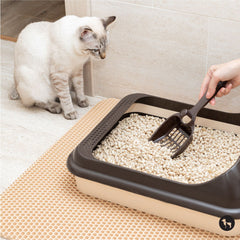
Credit: headsupfortails.com
Unscented, low-dust litter is the safest choice for most cats with sensitive noses.
Step 3: Establish a Consistent Routine to Speed Up Learning
Sticking to a predictable schedule is one of the most impactful steps you can take, dramatically reducing common potty training setbacks for cats of all ages. Cats thrive on routine, and consistent habits help them associate the litter box with bathroom needs.
Predictable Feeding and Play Schedules
Cats typically need to eliminate 15-30 minutes after eating, so feeding at the same time every day lets you predict when to bring them to the litter box. For owners with busy schedules, automated wet food feeders for consistent meal times can keep feeding times on track even when you’re not home. After play sessions, naps, and waking up, gently carry your cat to the litter box and wait for them to use it before rewarding them.
Daily Litter Box Maintenance
A dirty box is the #1 reason cats avoid their litter box. Scoop out solid waste and clumps at least once a day, and do a full litter change every 2-4 weeks depending on litter type. Wash the box with mild, unscented soap and hot water once a month to remove stuck-on residue—never use bleach, ammonia, or harsh chemical cleaners, as their strong smells will deter your cat. For extra odor control between cleanings, use a cat-safe litter box deodorizer to keep the space welcoming.
Positive Reinforcement Techniques That Work (No Punishment Allowed)
Cats do not respond to punishment for accidents: they will not associate yelling or rubbing their nose in waste with the “bad” behavior, and they will only learn to fear you, leading to more secretive accidents and litter box avoidance. Instead, use positive reinforcement to build a positive association with the box.
Reward Timing and High-Value Incentives
Reward your cat the exact second they finish using the litter box, so they connect the action to the positive outcome. High-value our favorite high-value training treats work better than dry kibble for training, as does a quick play session with their favorite toy or extra verbal praise. For kittens and highly food-motivated cats, you can even hide a small treat in the litter once a week to encourage them to dig and use the box.
Clicker Training for Faster Results
For cats that struggle to pick up on routine, beginner-friendly clicker training tools can speed up learning. Press the clicker the exact moment your cat finishes using the box, then immediately give a treat. The clicker acts as a clear marker that your cat will learn to associate with a reward, making training more consistent than verbal cues alone.
Optional: Toilet Training for a Litter-Free Home
If you want to eliminate litter box mess entirely, toilet training is possible for some cats, but it is not suitable for everyone. It requires 2-3 months of gradual work, and not all cats will adapt to the change.
Is Toilet Training Right for Your Cat?
Toilet training is not recommended for senior cats with arthritis, cats with urinary tract disorders, or cats that are easily stressed. It also makes it impossible to monitor your cat’s waste for early signs of illness like UTIs, parasites, or kidney disease, so most vets recommend keeping a litter box accessible even for fully toilet-trained cats.
Step-by-Step Toilet Training Process
If your cat is a good candidate for toilet training, follow this gradual, low-stress process:
- Move your cat’s litter box to the bathroom next to the toilet for 1 week to get them used to the space.
- Gradually raise the litter box 1-2 inches per day using sturdy books or a plastic platform, until it is level with the toilet seat.
- Switch to a gradual toilet transition kit that fits over the toilet seat and holds a small amount of litter. Over 2-3 weeks, slowly enlarge the hole in the training seat to let your cat get used to balancing on the toilet rim.
- Once your cat is comfortable using the seat with no litter, remove the training seat entirely.

Credit: raleighncvet.com
Toilet training requires gradual steps to avoid stressing your cat.
Troubleshooting Common Potty Training Challenges
Even with the best setup, accidents and behavioral issues can pop up. Addressing them quickly will prevent them from becoming ingrained habits.
Accidents: How to Respond Without Setting Back Progress
If your cat has an accident, never punish them. Instead, clean the area thoroughly with an enzymatic cleaner to break down urine odors—cats are drawn to the smell of urine, so ammonia-based cleaners will only make them more likely to eliminate in the same spot again. Place the litter box in the accident-prone area for a few days to encourage them to use it, then move it back to its original spot once they are consistent.
Common causes of accidents include a dirty box, a poorly placed box, stress from a new pet or household change, or an underlying medical issue. Guidance from the American Veterinary Medical Association notes that sudden litter box avoidance is often the first sign of a painful urinary tract infection, especially in male cats.
Behavioral Issues: Avoiding, Spraying, or Eliminating Outside the Box
If your cat is actively avoiding the litter box, first rule out medical issues with a vet visit. If they are healthy, test different litter types and box locations to find what works for them. For territorial spraying (where cats urinate on vertical surfaces like walls or furniture), this is a stress-related behavior that often requires environmental enrichment or consultation with a certified cat behaviorist. For multi-cat households with tension, adding our top picks for multi-cat households with extra private boxes can reduce territorial conflict.
Maintaining Long-Term Litter Box Success
Once your cat is reliably using the litter box, consistent maintenance will keep the habit strong for life. For busy owners who want to reduce daily scooping, low-maintenance self-cleaning models are a reliable option, as long as they are quiet enough not to startle your cat.
Stick to your daily scooping schedule, and do a full litter change and box wash every month. If you switch litter types, do it gradually over 1-2 weeks by mixing small amounts of the new litter in with the old, to avoid sudden rejection. Advice from the Humane Society of the United States recommends keeping 1 litter box per cat plus 1 extra box in the home, even for single-cat households, to give your cat options and reduce stress.
When to Consult a Veterinarian
Cats are experts at hiding pain, so any sudden change in litter box habits is a red flag that requires a vet visit. Seek care immediately if you notice:
- Straining to urinate or defecate
- Blood in urine or stool
- Increased frequency of urination
- Sudden, unexplained accidents in a previously trained cat
- Lethargy, decreased appetite, or excessive grooming near the genital area
These symptoms can signal UTIs, kidney disease, constipation, or parasites. For cats with diagnosed urinary or kidney conditions, kidney-friendly wet food options can support urinary tract health as part of a vet-recommended treatment plan. For overall nutritional support to reduce urinary issues, nutritionally balanced wet food options are formulated to meet cats’ unique hydration and dietary needs.
Frequently Asked Questions
Are cats easy to potty train?
Yes, most cats are naturally inclined to use a litter box because of their instinct to bury waste, so training is usually much faster than training a dog. Kittens as young as 4 weeks can learn with consistent guidance, and adult cats can be trained in a few weeks with the right setup.
How long does it take to potty train a cat?
For litter box training, most kittens learn within 2-4 weeks, while adult cats may take 4-6 weeks if they have existing bad habits. Toilet training takes 2-3 months on average, and not all cats will adapt to it. Progress depends on your cat’s personality, age, and any past negative experiences with litter boxes.
At what age are cats potty trained?
Kittens start learning litter box use from their mother at 3-4 weeks old, and most are fully litter trained by 8-12 weeks if adopted into a consistent home. Adult cats that have never used a litter box may take a few weeks to adjust, especially if they previously eliminated outdoors. Senior cats may need extra time and modified boxes with low sides if they have arthritis or mobility issues.
How to potty train an indoor cat?
Start by placing a clean, appropriately sized litter box in a quiet, low-traffic area away from their food and water. Show your cat the box after meals, naps, and playtime. Reward them immediately with a treat and praise when they use it. If they have accidents, clean the area thoroughly with an enzymatic cleaner to remove odors, and never punish them, as this will make them fearful of the box.
Conclusion
Potty training your cat is less about rigid discipline and more about working with their natural instincts. With the right setup, consistent routine, and plenty of positive reinforcement, you’ll have a reliably trained cat in a matter of weeks—no messy accidents required. If you’re setting up your cat’s potty station, check out our guide to the best litter boxes for odor control to keep your home fresh while you work through training. Remember: patience is your greatest tool—every cat learns at their own pace, and the effort will pay off in a cleaner, happier home for both you and your pet.