
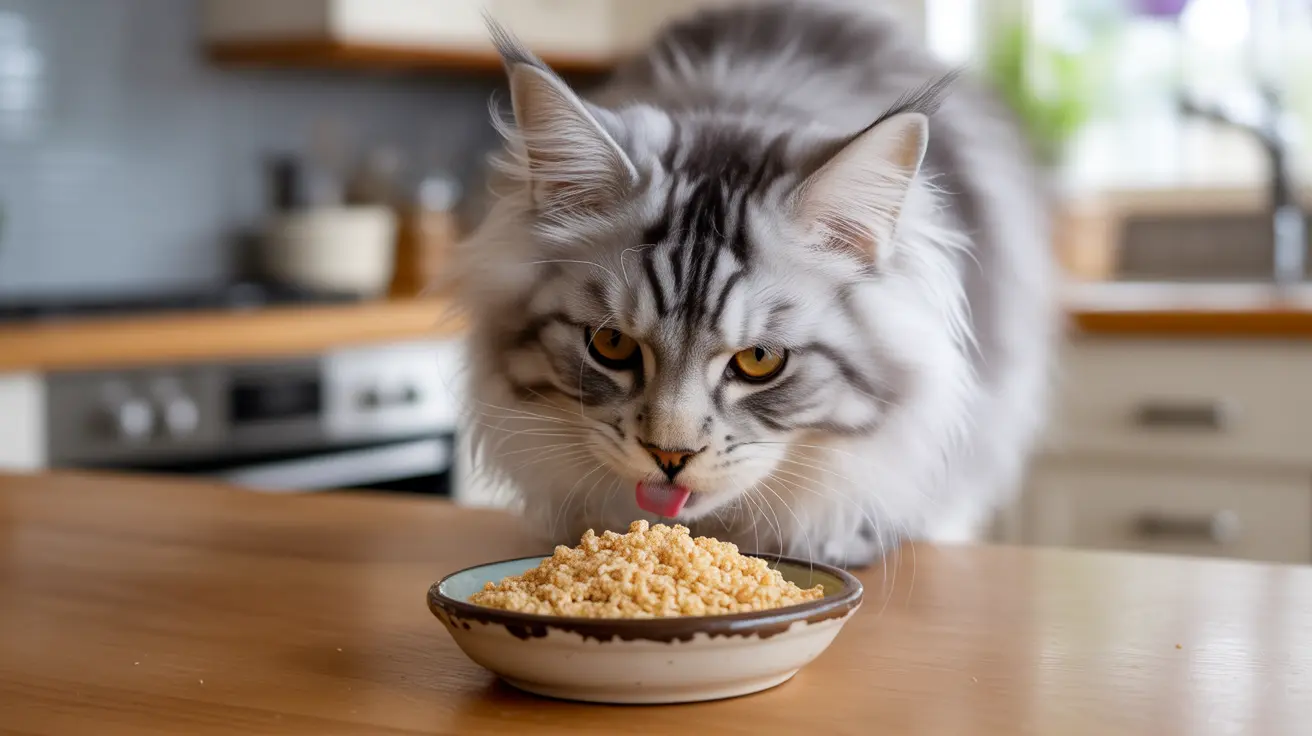
As a loving cat owner, you always want the best for your furry friend. You might have heard about nutritional yeast as a possible addition to your cat's diet.
It's packed with vitamins and minerals, but how much is safe for your kitty? You're about to uncover the surprising truth about nutritional yeast and its benefits for cats. This information could change your cat's life for the better, and you wouldn't want to miss out on giving them the edge in health and happiness.
Get ready to dive into the details and make informed choices for your beloved pet.
Nutritional Yeast Benefits For Cats
Cats can enjoy nutritional yeast, but moderation is key. A small sprinkle on food can boost flavor and nutrients. Consult a vet to ensure safe intake for your pet.
Introducing nutritional yeast to your cat's diet can be a game-changer for their health and happiness. This superfood is packed with essential nutrients that not only enhance your cat's well-being but also add a delightful flavor to their meals. Before you sprinkle it over their food, it's essential to understand the benefits and how it can fit into your pet's diet.
Boosts Immune System
Nutritional yeast is rich in B vitamins, which are vital for maintaining a robust immune system. When your cat's immune system is strong, they're less susceptible to common feline illnesses. Imagine your furry friend enjoying life with more energy and fewer trips to the vet.
Improves Skin And Coat Health
A shiny coat is a sign of a healthy cat, and nutritional yeast can contribute to that glow. The biotin and other nutrients in nutritional yeast support skin health and can reduce shedding. You'll notice fewer hairs on your furniture and more luster in your cat's fur.
Supports Digestive Health
Is your cat struggling with digestion issues? Nutritional yeast contains enzymes that aid in breaking down food more efficiently. By improving their digestive health, your cat will have fewer stomach upsets and better nutrient absorption.
Natural Appetite Enhancer
Some cats can be picky eaters, turning up their noses at meals. Nutritional yeast has a savory, cheesy flavor that many cats find irresistible. Adding a sprinkle to their food can make meal times more enjoyable and ensure they get the nutrients they need.
Reduces Stress And Anxiety
Did you know that certain nutrients can help calm your cat? The B vitamins in nutritional yeast are known to support a healthy nervous system, which can reduce stress and anxiety. A more relaxed cat means a happier household for everyone involved. Incorporating nutritional yeast into your cat's diet is simple and can lead to noticeable improvements in their health. Have you tried it with your cat yet? If so, what changes did you observe?

Deciding on the right serving size of nutritional yeast for your cat can be a bit of a balancing act. While nutritional yeast can offer health benefits, it's crucial not to overdo it. This section will guide you in finding the perfect amount that is both safe and beneficial for your feline friend.
Understanding Your Cat's Dietary Needs
Cats have different nutritional requirements than humans, and what might be a healthy snack for us could be overwhelming for them. Nutritional yeast is rich in B-vitamins, but too much can upset their stomach or lead to other health issues. Always consider your cat's overall diet when introducing new foods.
Start Small And Monitor
Begin with a small amount—about half a teaspoon mixed into their food. This allows your cat to adjust to the new taste and texture without overwhelming their system. Observe for any adverse reactions like diarrhea or vomiting.
Adjust Based On Size And Weight
Larger cats might tolerate a slightly bigger serving. If your cat is on the smaller side, stick to the initial recommended amount. Just like humans, cats have individual tolerances, so adjust accordingly.
Consult Your Veterinarian
If you're unsure, consult your veterinarian for personalized advice. They can offer insights based on your cat's health history and dietary needs. It's always better to err on the side of caution.
Consider Frequency
Instead of daily servings, consider giving nutritional yeast as a treat once or twice a week. This keeps it as a special addition rather than a staple, ensuring your cat maintains a balanced diet.
By carefully monitoring and adjusting the serving size of nutritional yeast, you can safely enhance your cat's diet. Have you noticed any changes in your cat's energy levels or coat after introducing nutritional yeast? Share your experiences and tips below!
Credit: thelittlecarnivore.com
Recommended Serving Size
Potential Risks And Side Effects
When considering adding nutritional yeast to your cat's diet, understanding the potential risks and side effects is crucial. While nutritional yeast can be a valuable source of vitamins and minerals, it’s essential to monitor your cat's reaction to it. Cats are unique creatures with specific dietary needs, and what works for one may not suit another.
Potential Allergic Reactions
Just like humans, cats can develop allergies to new foods. While nutritional yeast is generally safe, some cats may exhibit allergic reactions such as itching or gastrointestinal upset. It's wise to introduce it gradually and observe any changes in behavior or health.
Digestive Issues
Excessive amounts of nutritional yeast can lead to digestive problems. Cats might experience vomiting or diarrhea if their system doesn't handle it well. A small amount mixed with their regular food can minimize these risks while still offering nutritional benefits.
Overconsumption Concerns
Too much of a good thing can be harmful. Nutritional yeast contains high levels of phosphorus, which can be problematic for cats with kidney issues. Always consult with your veterinarian to determine the appropriate amount for your feline friend.
Behavioral Changes
Have you noticed your cat acting differently after trying new foods? Nutritional yeast could cause hyperactivity or other behavioral changes if not consumed in moderation. Keep an eye out for any unusual behavior and adjust accordingly.
Have you ever tried giving nutritional yeast to your cat? Share your experiences and observations in the comments below. Your insights could help other pet owners make informed decisions.
Signs Of Overconsumption
Nutritional yeast can be a tasty addition to your cat's diet, but like many good things, moderation is key. Overconsumption of nutritional yeast may lead to some health issues in your feline friend. Understanding the signs can help you ensure your cat enjoys the benefits without any adverse effects.
Have you noticed any changes in your cat's behavior or health after introducing nutritional yeast? It's important to stay vigilant.
- Digestive Upset:Too much nutritional yeast can lead to digestive problems. Look out for diarrhea or vomiting as signs your cat's stomach is not agreeing with the new addition.
- Skin Irritation:Some cats may develop skin issues like itching or redness. If your cat is scratching more than usual, it might be time to cut back.
- Allergic Reactions:Cats, like humans, can have allergies. Swelling or hives could indicate an allergic reaction to nutritional yeast.
- Weight Gain:Although rare, excessive intake might contribute to weight gain due to the extra calories. Monitor your cat’s weight and activity levels.
Have you ever wondered if your cat is getting enough nutrients from other sources? Nutritional yeast should not replace a balanced diet. Ensure your cat's primary food is complete and balanced. Nutritional yeast can be a supplement, not a substitute.
Consider how much nutritional yeast you are giving your cat. A small sprinkle is usually enough. If you notice any of these signs, it might be time to reassess the quantity. How do you ensure your cat gets the right balance of nutrients?
Keep an eye on your cat’s behavior and health. Regular vet check-ups can help you catch any potential issues early. Your cat’s well-being is in your hands, so make informed choices about their diet.
Consulting A Veterinarian
Consulting a veterinarian helps determine the right amount of nutritional yeast for your cat's diet. They provide guidance on safe portions, ensuring your cat benefits without any health risks.
Consulting a veterinarian is crucial before giving your cat nutritional yeast. Cats have unique dietary needs. A veterinarian can guide you on safe amounts. They will consider your cat's age, weight, and health. This ensures your furry friend stays healthy.
Understanding Your Cat's Dietary Needs
Cats are obligate carnivores. They need a diet rich in animal protein. Nutritional yeast is not a natural part of their diet. It is important to understand how it fits into their nutrition.
Benefits Of Nutritional Yeast For Cats
Nutritional yeast can offer several benefits. It contains B vitamins and protein. These can support your cat’s overall health. It may also help improve coat condition. Always discuss these benefits with your vet. Feeding too much nutritional yeast can cause issues. Some cats may have allergic reactions. Others might experience digestive problems. Always monitor your cat's reaction carefully.
How Veterinarians Determine Safe Amounts
Veterinarians evaluate your cat’s health history. They consider any existing conditions. This helps them recommend a safe amount. Regular check-ups will ensure ongoing safety.
Questions To Ask Your Veterinarian
Prepare questions for your vet. Ask about the right dosage. Inquire if any symptoms should be watched. This ensures you are informed and prepared.
Monitoring Your Cat's Health
Keep an eye on your cat's health. Watch for any changes in behavior or appetite. Report any concerns to your vet promptly. This will help maintain your cat’s wellbeing.

Credit: www.facebook.com
Alternative Supplements
When considering alternative supplements for your cat, it's crucial to ensure you're providing them with safe and effective options that complement their diet. While nutritional yeast is popular, there are other supplements that might offer similar benefits without the risks. This section explores some alternatives, helping you make informed decisions for your feline friend.
Alternative Supplements For Cats
Probiotics:Adding probiotics to your cat’s diet can promote gut health and improve digestion. These beneficial bacteria help maintain a balanced intestinal flora, aiding in nutrient absorption and immune system support.
Omega-3 Fatty Acids:Known for their anti-inflammatory properties, omega-3s can enhance your cat's skin and coat health. Look for supplements derived from fish oil or flaxseed oil, which are both cat-friendly options.
Glucosamine and Chondroitin:If your cat is older or suffers from joint issues, these supplements can support joint health and mobility. They are often found in pet-specific formulations tailored to feline needs.
Taurine:Essential for heart and eye health, taurine is a critical component of a cat's diet. While most commercial cat foods contain adequate taurine levels, supplements can be beneficial if your cat has specific health concerns.
Vitamin B Complex:This group of vitamins supports energy metabolism and nervous system function. Some cats might benefit from a B complex supplement if they're experiencing stress or need an energy boost.
Are you providing your cat with the right supplements?Consider their age, health status, and dietary needs when choosing the best options. Have you consulted with your vet to tailor the supplement plan specifically for your cat? Their professional advice can guide you in making the best choices to ensure your feline’s health and happiness.
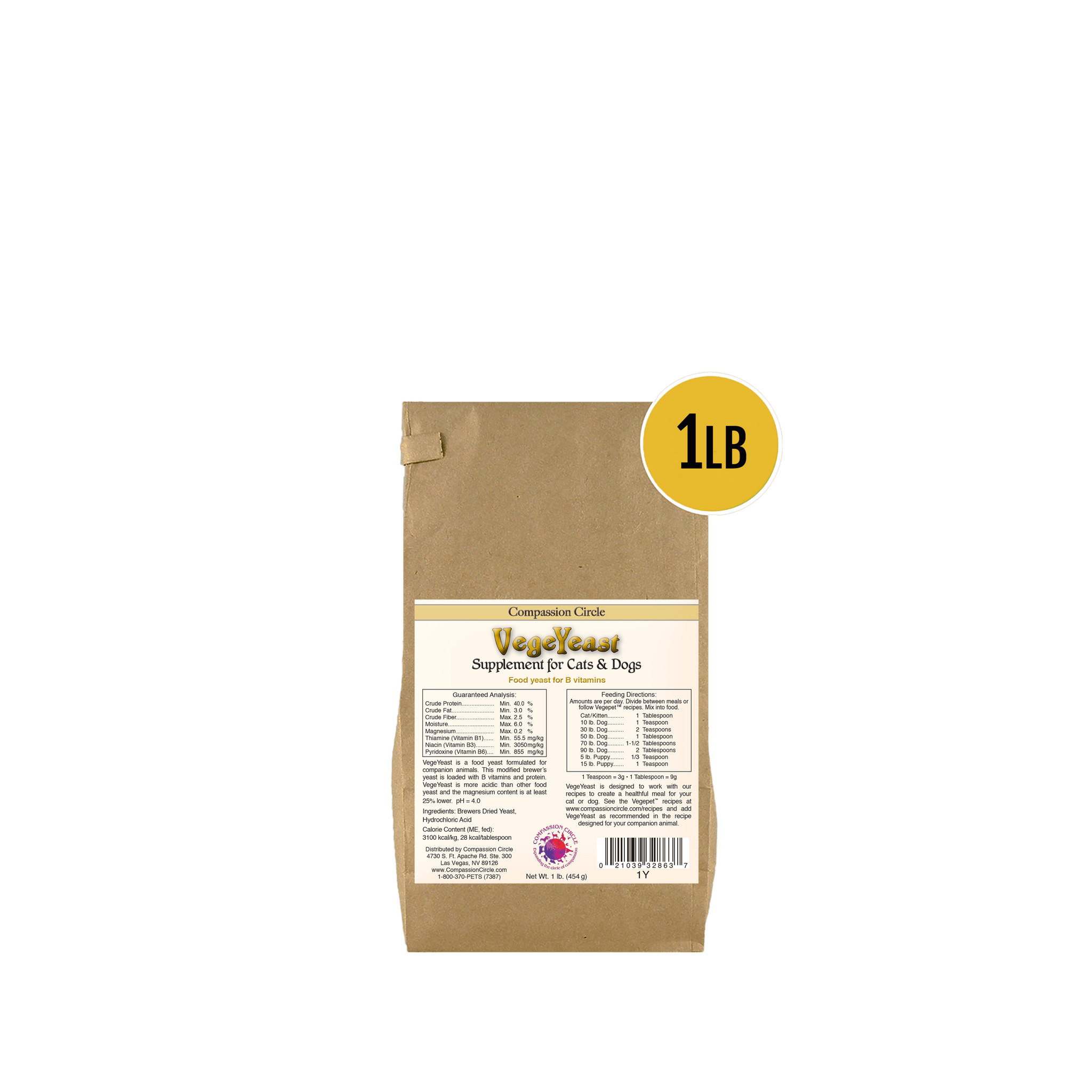
Credit: vecado.ca
Frequently Asked Questions
Can I Give My Cat Nutritional Yeast Every Day?
Yes, you can give your cat nutritional yeast daily. It boosts their immune system and provides essential vitamins. Ensure it's given in moderation to avoid digestive issues. Consult your vet for the right dosage based on your cat's needs.
Why Do Cats Love Nutritional Yeast?
Cats love nutritional yeast for its savory, cheesy flavor. It contains B vitamins and protein, enhancing their diet. The taste and aroma appeal to their senses, making it a favorite treat. Nutritional yeast can also support their immune system, contributing to overall feline health.
Is Nutritional Yeast Safe For Pets?
Nutritional yeast is generally safe for pets in small amounts. It provides vitamins and enhances flavor. Consult your veterinarian before introducing it to your pet's diet. Avoid overfeeding, as excessive amounts may cause digestive issues. Always ensure the yeast is unflavored and free from additives.
How Much Nutritional Yeast Is Safe Per Day?
Consume 1 to 2 tablespoons of nutritional yeast daily. It's rich in vitamins and safe in moderation. Always check for allergies or sensitivities before increasing intake.
Conclusion
Cats enjoy nutritional yeast in small amounts. It's tasty and nutritious. Moderation is key for their health. Always check with a vet first. Each cat is unique. What works for one may not work for another. Monitor your cat's reaction.
Look for any changes in behavior. Nutritional yeast offers benefits but should not replace main meals. Balance is essential for a healthy diet. Keep your cat's needs in mind. They deserve the best care possible. Stay informed and make wise choices.
Your cat's happiness is worth it.
