
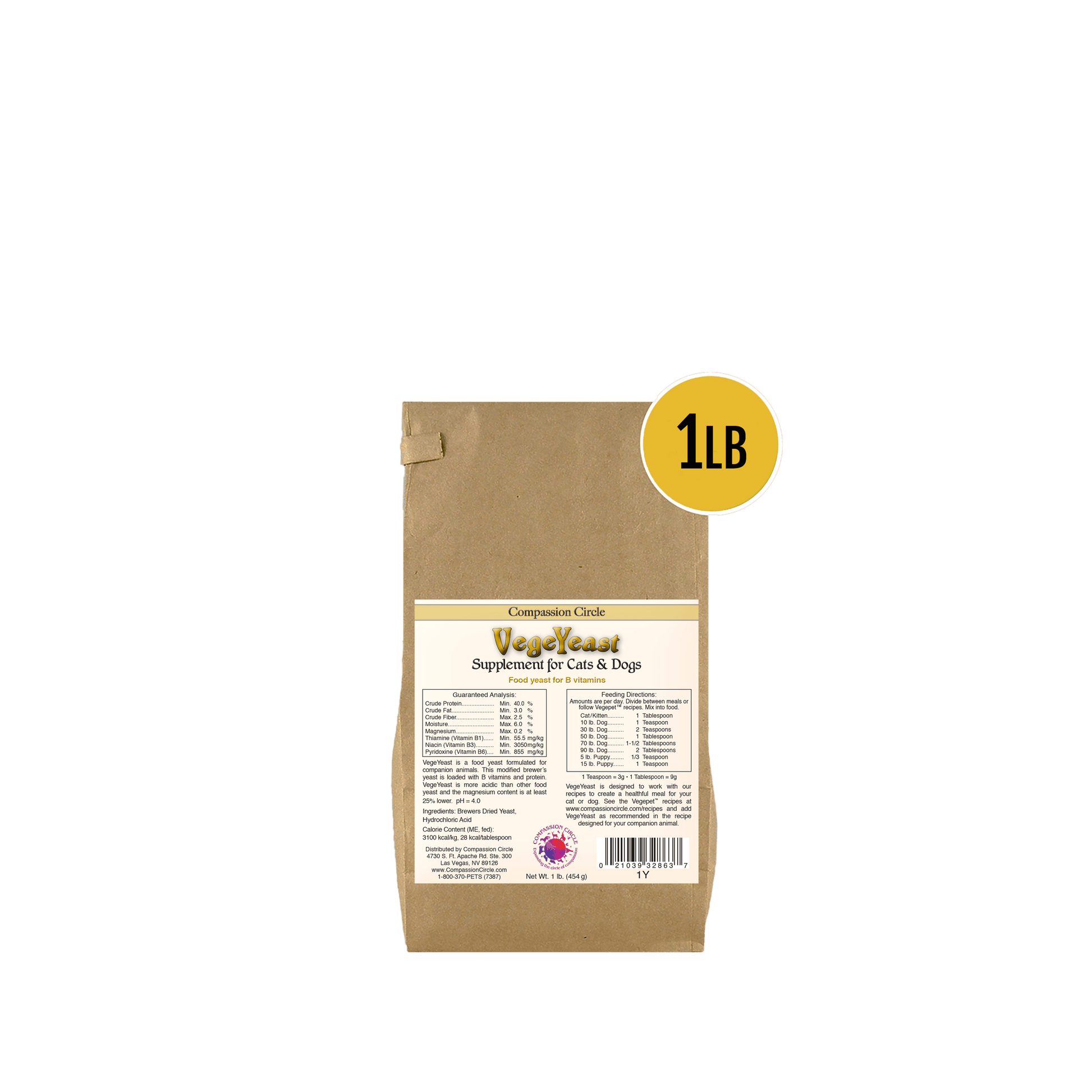
Imagine adding a pinch of something special to your pet's meal that not only boosts flavor but potentially enhances their health. You're probably wondering if nutritional yeast could be that secret ingredient for your furry friends, dogs and cats.
As a pet owner, you're always on the lookout for ways to improve the well-being of your beloved companions. You may have heard about nutritional yeast as a popular supplement for humans, but can you give it to your pets?
Is it safe, and what benefits might it offer? You'll discover everything you need to know about nutritional yeast for dogs and cats. Uncover whether this golden-yellow powder could be the next best thing for your pet's diet or if it should be left on the shelf. Keep reading to find out!
What Is Nutritional Yeast?
Nutritional yeast is a popular ingredient among health enthusiasts and vegans, known for its cheesy flavor and nutritional benefits. But what exactly is nutritional yeast? Understanding its characteristics, composition, and common uses can help you decide if it's suitable for your furry friends. Let's dive into the details.
Characteristics And Composition
Nutritional yeast is a deactivated form of yeast, specifically Saccharomyces cerevisiae. Unlike baker's or brewer's yeast, it doesn't grow or froth. Instead, it comes in flakes or powder form, making it easy to sprinkle on food.
This yeast is packed with essential nutrients. It boasts a high content of B-vitamins, including B12, which is crucial for energy production and brain health. It's also a good source of protein, providing all nine essential amino acids.
Additionally, nutritional yeast contains trace minerals like zinc and selenium, which support immune function. Its rich nutrient profile makes it a valuable addition to various diets, but how does it benefit humans?
Common Uses For Humans
Many people use nutritional yeast as a flavorful seasoning. Its cheesy, nutty taste makes it a popular topping for popcorn, pasta, and salads. It's a go-to ingredient for those seeking a dairy-free cheese alternative.
Besides its taste, nutritional yeast enhances the nutritional value of dishes. Vegans and vegetarians often use it to ensure adequate intake of B-vitamins, especially B12, which is primarily found in animal products.
It's also a versatile ingredient in cooking. You can add it to soups, sauces, and even smoothie bowls for an extra nutrient boost. Have you ever considered how such a seemingly simple ingredient can transform your meals and health?

Credit: www.petfoodprocessing.net
Nutritional Benefits For Pets
Many pet owners explore new ways to boost their pets' health. Nutritional yeast is one such option gaining popularity. This supplement offers a range of benefits for dogs and cats. It can enhance their overall well-being. The rich blend of nutrients in nutritional yeast supports various bodily functions. Let's delve into the specific advantages for your furry friends.
Vitamins And Minerals
Nutritional yeast is packed with essential vitamins. B vitamins stand out among them. They play a crucial role in energy metabolism. This helps pets maintain high energy levels. Additionally, B vitamins support healthy skin and fur. They also aid in proper nerve function. Nutritional yeast is a source of minerals too. It contains zinc and selenium. These minerals boost immune health. They help pets fight off infections.
Protein Content
Protein is vital for pets' growth and repair. Nutritional yeast is a great source of protein. It helps build strong muscles. This is especially beneficial for active dogs. Protein supports healthy tissue development. It can aid in recovery from injuries. Nutritional yeast provides a complete protein profile. This means it contains all essential amino acids. These are necessary for pets' overall health. Amino acids aid in digestion and nutrient absorption.
Safety Concerns For Dogs And Cats
Understanding the safety of nutritional yeast for pets is crucial. Though it's packed with nutrients, some dogs and cats may react negatively. Identifying potential hazards helps in making informed choices.
Allergic Reactions
Pets can develop allergies to new foods, including nutritional yeast. Watch for signs like itching or redness on the skin. Swelling or hives might also appear. Breathing difficulties demand immediate veterinary care. Observe your pet closely after introducing nutritional yeast.
Digestive Issues
Nutritional yeast can upset some pets' stomachs. Diarrhea or vomiting are common symptoms. Gradual introduction helps minimize digestive discomfort. Large quantities can cause bloating or gas. If problems persist, consult a veterinarian. Pets need a balanced diet to maintain health.

Credit: www.facebook.com
Proper Dosage And Administration
Nutritional yeast can be given to dogs and cats in small amounts. Sprinkle a pinch over their food. Ensure it doesn't exceed 5% of their diet to avoid health issues.
Feeding nutritional yeast to your pets can be a healthy addition to their diet, but it's crucial to get the dosage right. A small sprinkle can provide an array of benefits such as B vitamins, protein, and fiber. However, too much could upset their stomach or lead to other health issues. Understanding the proper dosage and administration for dogs and cats is essential to ensure they enjoy the benefits without any drawbacks.
Recommended Amounts For Dogs
When introducing nutritional yeast to your dog's diet, start with a small amount. Typically, a safe dosage is about half a teaspoon for small dogs and up to a teaspoon for larger breeds. Monitor how your dog reacts to the addition. If they show signs of an upset stomach, reduce the amount or discontinue use. It's always wise to consult with your veterinarian before making changes to your dog's diet. They can provide personalized advice based on your dog's health and nutritional needs.
Recommended Amounts For Cats
Cats are generally smaller and more sensitive, so they require even less nutritional yeast. A pinch or approximately 1/8 of a teaspoon is usually enough for most cats. Observe your feline friend closely after introducing nutritional yeast. If they seem to enjoy it and show no adverse reactions, you can continue with the small dosage. Again, consulting your veterinarian is recommended, especially if your cat has existing health conditions. Consider whether your pet's current diet is balanced and how nutritional yeast can complement it. Have you ever wondered if your pet is getting all the nutrients they need? This simple addition might be the answer, but always prioritize their health and well-being by administering the correct amount.
Consulting With Veterinarians
Before giving nutritional yeast to your pets, consult a veterinarian. They can guide you on whether it's safe for your dog or cat. Not all pets react the same to new foods. A vet's advice ensures your pet's health and safety. Veterinarians understand your pet's unique needs and dietary restrictions.
Importance Of Professional Advice
Veterinarians have the knowledge to assess your pet's health. They can determine if nutritional yeast is beneficial. Nutritional yeast contains vitamins and minerals. Yet, it's vital to know the right amount and frequency. A vet can provide a safe dosage plan. This helps avoid unwanted side effects.
Professional advice prevents potential health risks. It ensures your pet's diet remains balanced. Nutritional yeast should complement, not replace, their regular food. Trust a vet to guide you in making informed choices.
Signs Of Adverse Reactions
Watch for signs of adverse reactions in your pet. Common symptoms include vomiting or diarrhea. Some pets may develop itchy skin or rashes. Behavioral changes might also indicate discomfort. If you notice these signs, contact your vet immediately.
A veterinarian can suggest alternatives if nutritional yeast isn't suitable. Monitoring your pet's reaction is crucial. Early detection prevents long-term health issues. Keep an eye on their behavior and physical condition. This ensures their well-being while introducing new foods.
Alternatives To Nutritional Yeast
Many pet owners consider giving nutritional yeast to their dogs and cats. Yet, some may seek alternatives for various reasons. Whether due to allergies or dietary preferences, there are other options. Exploring these alternatives can ensure pets get essential nutrients.
Other Nutritional Supplements
There are several supplements available for pets. These can provide similar benefits to nutritional yeast.
- Probiotics:They support digestive health and boost the immune system.
- Omega-3 fatty acids:These promote a shiny coat and healthy skin.
- Multivitamins:They ensure pets receive a balanced diet with essential nutrients.
Each supplement offers unique benefits. Consult with a vet to determine the best option for your pet.
Natural Food Sources
Many natural foods can serve as alternatives to nutritional yeast. These foods provide essential vitamins and minerals.
- Eggs:They are rich in protein and essential amino acids.
- Fish:A good source of omega-3 fatty acids.
- Leafy greens:Packed with vitamins and antioxidants for overall health.
Incorporating these foods into your pet's diet can enhance their nutrition naturally. Ensure portions are suitable for your pet's size and dietary needs.
Real-life Experiences And Testimonials
Pet owners often share their positive experiences with nutritional yeast for dogs and cats. Many find it enhances coat health and boosts energy levels. Testimonials highlight improved digestion and overall vitality in pets consuming nutritional yeast.
Real-Life Experiences and Testimonials As pet owners explore new ways to enhance their pets' nutrition, nutritional yeast often comes up as a potential supplement. But how do you know if it's right for your furry friend? Real-life experiences and testimonials can offer valuable insights and help you make an informed decision.
Pet Owners' Stories
Many pet owners have shared their success stories of adding nutritional yeast to their pets' diets. One dog owner noticed her aging Labrador became more energetic and playful after a few weeks of including nutritional yeast in his meals. She was thrilled to see her pet's coat become shinier and healthier. Another cat owner found that her feline's picky eating habits improved with a sprinkle of nutritional yeast on her food. The cat not only ate her meals more eagerly but also seemed to have fewer digestive issues. These testimonials highlight the potential benefits of nutritional yeast, but they also remind us that each pet is unique.
Veterinarian Insights
Veterinarians have weighed in on the use of nutritional yeast for pets, offering their expert opinions. Dr. Smith, a seasoned veterinarian, suggests starting with small amounts to gauge your pet's reaction. He emphasizes that while many pets tolerate it well, it’s essential to monitor for any signs of allergies or digestive discomfort. Dr. Lee, another veterinarian, points out that nutritional yeast can be a great source of B vitamins, which are crucial for maintaining your pet's energy levels and overall health. However, she advises consulting with a vet before making significant changes to your pet's diet. Have you tried nutritional yeast with your pet? What was your experience?

Credit: bestiehealth.com.au
Frequently Asked Questions
Is Nutritional Yeast Good For Dogs And Cats?
Nutritional yeast can be beneficial for dogs and cats in moderation. It provides B vitamins and proteins. Always consult your vet before adding it to their diet. Some pets might have allergies or sensitivities. Ensure it's a pet-safe version without added garlic or onion.
How Much Nutritional Yeast To Give Dogs?
Consult your vet before giving nutritional yeast to your dog. Generally, small dogs can have 1 teaspoon daily. Medium to large dogs may consume up to 2 teaspoons. Ensure it doesn't exceed 5% of their diet. Always choose yeast without added garlic or onion.
Can I Put Nutritional Yeast On My Dog's Food?
Yes, you can sprinkle nutritional yeast on your dog's food. It offers vitamins, minerals, and enhances flavor. Always check for allergies and consult your vet for proper dosage. Make sure it doesn't contain added ingredients like garlic, which can be harmful to dogs.
Are Dogs Allowed Nutritional Yeast?
Dogs can safely eat nutritional yeast in moderation. It offers B vitamins and boosts their immune system. Always consult your veterinarian before adding new foods to your dog's diet. Ensure it's plain and free from added ingredients. Excessive amounts may cause digestive issues in some dogs.
Conclusion
Nutritional yeast can be safe for dogs and cats. It offers vitamins and minerals. Always check with your vet first. This ensures the best for your pet’s health. Start with small amounts. Observe your pet's reaction. Look for any signs of allergies or discomfort.
Some pets may love it; others not so much. Each pet is unique. Their needs vary. Your pet's health is the priority. Keep their diet balanced. Always choose quality products. Your furry friend deserves the best. Treat them with care.
Make informed choices for their wellbeing.
