
Are you wondering if nutritional yeast is a safe and healthy addition to your cat's diet? You're not alone.
Many pet owners are curious about this popular food supplement, known for its savory flavor and nutritional benefits. Before you sprinkle it over your cat's food, it's crucial to understand how it might affect their health. This article will unravel the mysteries surrounding nutritional yeast and help you make informed decisions for your furry friend's wellbeing.
Keep reading to discover if this trendy ingredient can be a beneficial treat or if it's best left out of your cat's bowl.
What Is Nutritional Yeast?
Nutritional yeast is a popular supplement. It's made from a single-celled organism, Saccharomyces cerevisiae. This organism is grown on molasses, then harvested and dried. The drying process deactivates the yeast. So, it's different from the yeast used in baking.
This yeast is rich in nutrients. It contains B-vitamins, protein, and antioxidants. Many people use it as a cheese substitute. It has a cheesy, nutty flavor. It's available in flakes or powder.
How Is Nutritional Yeast Made?
Manufacturers grow yeast cells in vats. They feed the yeast with sugar or molasses. After growing, they deactivate the yeast with heat. This process ensures it won't cause fermentation.
Nutritional Benefits Of Nutritional Yeast
This yeast is packed with vitamins. It has B-vitamins like B1, B2, B6, and B12. It also contains protein, fiber, and minerals. It's low in fat and calories. It’s a great source of antioxidants.
Nutritional Yeast Vs. Brewer's Yeast
Brewer's yeast is a by-product of beer making. It's also rich in nutrients. But it has a bitter taste. Nutritional yeast has a savory flavor. Brewer's yeast may contain live yeast cells.
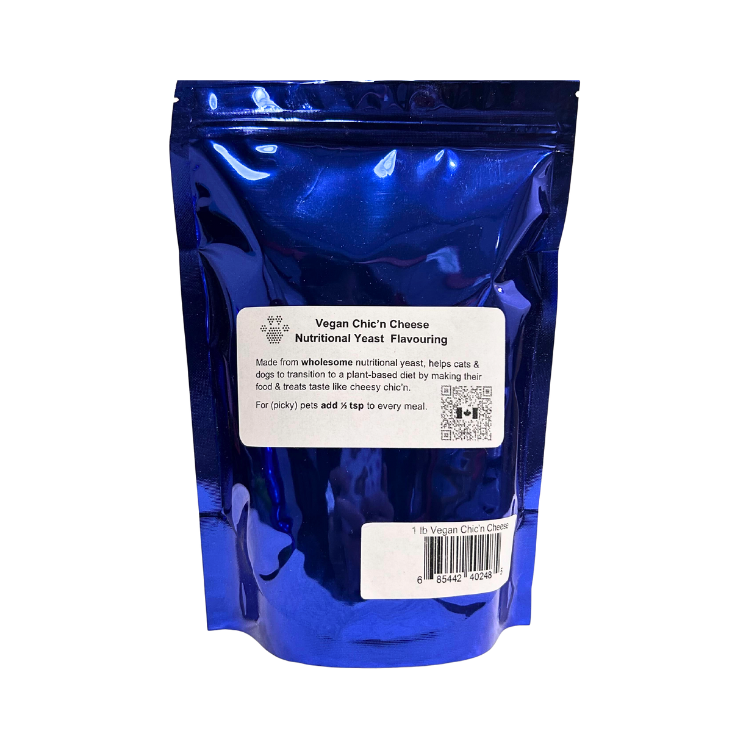
Credit: vecado.ca
Nutritional Components
Nutritional yeast can be safe for cats in moderation. Rich in vitamins and proteins, it supports feline health. Always consult a veterinarian before adding it to your cat's diet to ensure safety.
Nutritional yeast is gaining popularity for its health benefits. People often wonder if it's safe for cats. Let's explore its nutritional components. Understanding these can help decide if it's suitable for feline diets.
Protein Content
Nutritional yeast is rich in protein. Cats need protein for muscle growth. This yeast can be a source of essential amino acids. These help maintain healthy skin and fur.
Vitamin B Complex
It contains a variety of B vitamins. Vitamin B1, B2, and B6 are present. These support metabolism and energy production. They also aid in maintaining a healthy nervous system.
Antioxidants
Nutritional yeast offers antioxidants. These protect cells from damage. They help boost the immune system. This can be beneficial for older cats.
Mineral Content
The yeast includes minerals like zinc and selenium. Zinc supports skin health. Selenium plays a role in thyroid function. Both are vital for overall health.
Low Sodium
Nutritional yeast is low in sodium. Excess sodium can be harmful to cats. It's crucial to keep their intake within safe limits. These components show that nutritional yeast has benefits. Always consult a vet before making dietary changes.
Health Benefits For Cats
Nutritional yeast can be a healthy addition to a cat's diet in moderation. It contains B vitamins and proteins that support feline health. Always consult your vet before introducing new foods to ensure safety.
Nutritional yeast has been gaining popularity among pet owners. It's known for its health benefits for cats. This superfood is not just for humans. Cats can enjoy it too. Rich in vitamins and minerals, it supports overall well-being. Let's explore how it can benefit your feline friend.
Immune System Support
Nutritional yeast is packed with B-vitamins. These vitamins boost the immune system. They help cats fight off infections. A strong immune system means fewer vet visits. Your cat stays healthy and happy.
Digestive Health
This yeast supports digestion. It contains fiber that aids in digestion. Fiber helps prevent constipation in cats. A healthy digestive system means better nutrient absorption. Your cat will feel more energetic.
Skin And Coat Improvement
Nutritional yeast enhances skin health. It promotes a shiny coat. B-vitamins improve skin texture. They prevent dryness and flakiness. A healthy coat reflects a healthy cat. Your feline friend will look beautiful.
Potential Risks
Nutritional yeast is popular among health enthusiasts. It's packed with vitamins and minerals. But is it safe for cats? While it offers benefits, potential risks exist. Understanding these risks can protect your feline friend. Let's explore some common concerns.
Allergic Reactions
Allergic reactions in cats are not uncommon. Nutritional yeast can trigger allergies. Symptoms include itching and swelling. Watch for signs after first exposure. Consult a vet if symptoms persist. Allergy severity varies among cats.
Excessive Intake Concerns
Too much nutritional yeast can pose problems. Cats require a balanced diet. Excess intake may disrupt this balance. It can lead to digestive issues. Monitor your cat's consumption. Introduce new foods slowly. Always prioritize moderation. Balance is key for feline health.
Veterinary Perspectives
The question of whether nutritional yeast is safe for cats is a topic that piques the interest of many pet owners. Often praised for its rich nutrient profile, nutritional yeast is commonly used in human diets. But does it hold the same benefits for our feline friends? Veterinary perspectives provide crucial insights into this matter.
Expert Opinions
Veterinarians emphasize the need for caution when introducing new foods into your cat's diet. While nutritional yeast is high in B vitamins and proteins, not every feline will respond to it the same way. Some experts suggest that in small amounts, it can be a beneficial supplement, while others warn of potential allergies or digestive issues.
Dr. Jane Smith, a well-regarded veterinarian, notes that cats with sensitive stomachs may experience gastrointestinal upset. She recommends consulting with your vet before adding nutritional yeast to your cat's meals. This ensures that you are making a decision that benefits, rather than harms, your pet's health.
Case Studies
Several case studies highlight the varied reactions cats have to nutritional yeast. In one instance, a cat owner named Lisa noticed increased energy levels in her senior cat after introducing a small amount of nutritional yeast. Her cat also seemed more eager at mealtimes, suggesting a positive change.
However, not all stories are positive. Another pet owner observed her cat developing skin irritations shortly after trying nutritional yeast. After consulting her veterinarian, she discovered her cat was allergic to yeast. This underscores the importance of monitoring your cat's response and seeking professional advice.
Have you ever tried nutritional yeast with your cat? Pay attention to any changes and discuss them with your veterinarian. Your observations could provide valuable insights that contribute to broader understanding of this supplement's impact on feline health.
Safe Usage Guidelines
As a cat owner, you're always on the lookout for new ways to enhance your feline friend's diet. Nutritional yeast is one such supplement gaining popularity, but is it safe for your cat? Understanding the safe usage guidelines is crucial to ensure you’re providing the right amount while maintaining your cat’s well-being. Let's explore how to safely introduce nutritional yeast into your cat's diet.
Appropriate Dosage
Determining the correct dosage of nutritional yeast is essential for your cat's health. Typically, a small sprinkle—no more than half a teaspoon—mixed into their food is a good start. Monitor your cat's reaction, and adjust if needed, but always consult your vet for personalized advice.
It's important not to overdo it. Too much nutritional yeast can lead to digestive upset or even an imbalanced diet. Keep it as a treat or supplement rather than a primary food source.
Introducing To Diet
Start by gradually introducing nutritional yeast to your cat's meals. Mix a tiny amount into their regular food and observe how they respond. This slow introduction helps you gauge if they enjoy the taste and if there are any adverse reactions.
Have you ever tried a new food with your cat and seen them turn up their nose? Cats can be picky, and sudden changes might not go over well. Patience is key; give them time to adjust to this new addition.
Always observe for any signs of allergies or intolerance, such as changes in behavior or digestion. If you notice anything unusual, it's best to stop and consult your veterinarian. Your cat's health and happiness are the top priorities.
Alternatives To Nutritional Yeast
Some cat owners wonder about nutritional yeast for their pets. It's often used as a supplement. But, it might not suit every cat. Thankfully, there are other options. Each offers unique benefits. Let's explore some alternatives for your feline friends.
Plain Cooked Meat
Plain cooked meat provides essential proteins. Cats need protein for energy and muscle health. Choose lean meats like chicken or turkey. Make sure the meat is unseasoned and fully cooked. Avoid bones and skin.
Fish Oil
Fish oil is another great alternative. It contains omega-3 fatty acids. These support a cat's coat and skin health. Salmon oil is a popular choice. Add it to their food in small amounts. Always check with your vet first.
Eggs
Eggs are nutrient-rich. They offer proteins and vitamins. Cook the eggs before serving. Raw eggs can be harmful. Scrambled or boiled eggs work well. Serve them in moderation.
Cat-specific Supplements
Cat-specific supplements are designed for feline needs. They contain essential vitamins and minerals. These ensure balanced nutrition. Consult your vet before choosing one. They will recommend the best option for your cat.
Commercial Cat Food
Commercial cat food is formulated to meet nutritional needs. Look for high-quality brands. Check labels for a balanced diet. Many brands include essential nutrients. This ensures your cat gets a complete diet.
Vegetables
Some vegetables can be safe for cats. Cooked carrots or peas add variety. These provide fiber and vitamins. Introduce new foods slowly. Watch for any adverse reactions.

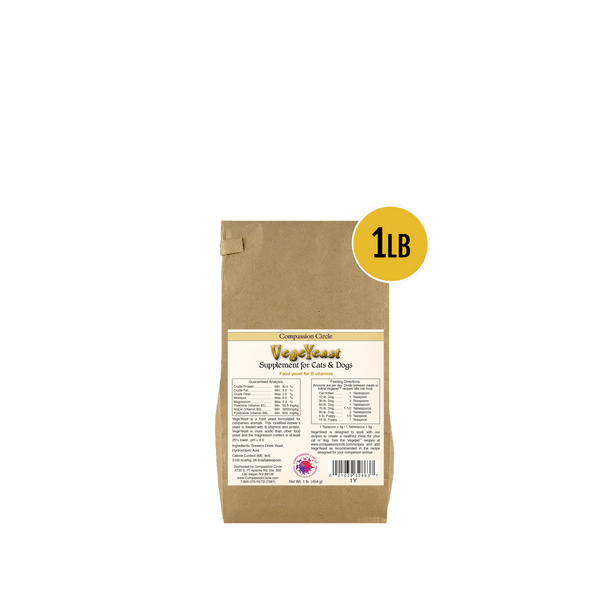
Credit: www.reddit.com

Credit: cattime.com
Frequently Asked Questions
Why Do Cats Love Nutritional Yeast?
Cats love nutritional yeast for its savory, cheesy flavor. It contains B vitamins, enhancing their diet. The umami taste appeals to their palate, making it an attractive treat. Nutritional yeast also boosts their energy levels and supports a healthy coat, adding to its allure for felines.
Is Nutritional Yeast Safe For Pets?
Nutritional yeast is generally safe for pets in moderation. It can boost their immune system and provide B vitamins. Always consult your vet before adding new supplements to ensure safety. Overconsumption might lead to digestive issues. Use as a treat, not a staple.
Is It Safe For Cats To Eat Yeast?
Yeast is not safe for cats to consume. It can cause stomach upset and bloating. Ingesting raw yeast dough can be particularly harmful, leading to alcohol poisoning and intestinal blockages. Always keep yeast products out of reach from cats to ensure their safety.
Is There A Downside To Nutritional Yeast?
Nutritional yeast can cause digestive issues in some people. It may also trigger migraines due to tyramine content. High purine levels can contribute to gout flare-ups. Always consult a healthcare professional before making dietary changes.
Conclusion
Nutritional yeast can be safe for cats in moderation. It offers vitamins and minerals. Cats enjoy its cheesy flavor. Always consult your vet before introducing new foods. Every cat is different. Watch for any adverse reactions. Start with small amounts.
Monitor your cat's health closely. Nutritional yeast is not a replacement for regular cat food. Balance is key in feline diets. Keep your furry friend happy and healthy. Remember, your cat's wellbeing comes first. Make informed decisions for your pet.
A happy cat is a healthy cat. Keep learning about feline nutrition.
