
For cat owners navigating a chronic kidney disease (CKD) diagnosis, finding safe, palatable ways to support your cat’s nutrition is a top priority. Nutritional yeast (often called "nooch") is a trendy human supplement prized for its cheesy umami flavor and high B-vitamin content, leading many pet owners to wonder if it can benefit cats with kidney issues. The answer is not a simple yes or no: safety depends entirely on your cat’s CKD stage, the specific nutritional yeast product you use, and guidance from your veterinarian. This guide breaks down the evidence, risks, and best practices to help you make an informed decision for your feline friend.
What Is Nutritional Yeast?
Nutritional yeast is a deactivated strain of Saccharomyces cerevisiae yeast, grown on molasses, then harvested, washed, and dried. Unlike baking yeast, it is completely inactive and will not cause fermentation in your cat’s digestive tract. It is most popular as a vegan cheese substitute for humans, thanks to its nutty, savory flavor that many cats find extremely appealing. You can also read our guide on what sort of nutrition is needed for a sick cat.
Pure nutritional yeast is packed with nutrients: it is a complete protein (containing all 11 essential amino cats require), high in B-complex vitamins (including B12, B6, and folate, which support energy metabolism and nerve function), and contains beta-glucans that support immune health. It also provides trace minerals like zinc and selenium. That said, commercial products vary widely: many have added sodium, garlic, onion, or artificial fillers that are toxic or harmful to cats, so ingredient checking is non-negotiable.
How Chronic Kidney Disease Impacts Feline Nutrition
CKD is the most common chronic condition in senior cats, affecting an estimated 30% of cats over 10 years old and 80% of cats over 15, per veterinary industry data. The condition impairs the kidneys’ ability to filter waste, balance electrolytes, regulate phosphorus levels, and concentrate urine. Over time, this leads to a buildup of toxins in the blood, dehydration, and secondary complications like hypertension and anemia. You can also read our guide on can you train cats like dogs.
According to IRIS CKD staging and dietary recommendations, the primary dietary goals for cats with CKD are to limit phosphorus intake to less than 0.5% of dry matter, maintain moderate levels of high-quality protein to avoid muscle wasting, maximize moisture intake to reduce kidney workload, and keep sodium intake low to manage blood pressure. For pet owners navigating these restrictions, our guide to specialized renal diet options breaks down the best veterinary-recommended foods that meet these requirements without sacrificing palatability.
Potential Benefits of Nutritional Yeast for Cats With Kidney Disease
When used correctly, nutritional yeast can offer a few targeted benefits for CKD cats, though none are strong enough to justify use without veterinary approval:
Palatability for Cats With Reduced Appetite
CKD cats often experience nausea, reduced sense of smell, and taste fatigue from bland prescription renal food, leading to dangerous weight loss and muscle wasting. Nutritional yeast’s strong umami flavor can entice even finicky cats to eat enough to maintain a healthy weight. As we cover in our breakdown of umami flavor profiles cats prefer, this makes it a popular topper for cats that turn their noses up at plain therapeutic diets. You can also read our guide on do humans and pet dogs cats have similar nutritional requirements.
B-Vitamin Support
CKD cats often lose excess B-vitamins in their urine, leading to fatigue, nerve damage, and increased risk of anemia. The high B-complex content of nutritional yeast can help supplement these losses, supporting energy levels and overall organ function. Most prescription renal diets are already fortified with B-vitamins, however, so the marginal benefit of added nooch is minimal for cats eating a balanced renal diet.
Low Phosphorus (Relative to Other Toppers)
Unfortified, plain nutritional yeast has a lower phosphorus content than most animal-based toppers (like meat broth or cheese), making it a lower-risk option for adding flavor to renal food compared to many common alternatives.
Key Risks of Nutritional Yeast for Cats With Kidney Disease
The risks of nutritional yeast for CKD cats almost always outweigh the benefits if used without strict veterinary oversight:
Excess Phosphorus and Accelerated Kidney Damage
Even plain nutritional yeast contains 200–300mg of phosphorus per tablespoon. For a typical 10-pound cat with CKD, the daily phosphorus limit is 80–120mg to avoid hyperphosphatemia (high blood phosphorus). A single tablespoon of nooch can exceed this limit entirely. Hyperphosphatemia speeds up kidney damage, causes painful itching and bone weakening, and leads to dangerous calcification of soft tissues in the kidneys and heart.
High Sodium Content Worsening Hypertension
Many commercial nutritional yeast products have added salt for flavor, with up to 250mg of sodium per tablespoon. Most CKD cats develop hypertension as their disease progresses, and excess sodium worsens high blood pressure, increasing the risk of kidney failure, stroke, and vision loss.
Toxic Additive Risks
Some brands of nutritional yeast include garlic, onion, chives, or artificial flavors to enhance taste. All parts of the allium family (garlic, onion, etc.) are toxic to cats, causing life-threatening hemolytic anemia even in small doses.
Digestive Sensitivities
While rare, some cats experience vomiting, diarrhea, or gas when first introduced to nutritional yeast, thanks to its high fiber and beta-glucan content. For cats with pre-existing digestive sensitivities common in late-stage CKD, this can worsen nausea and reduce appetite further.
The Bottom Line: When Is Nutritional Yeast Safe for CKD Cats?
Nutritional yeast is not a replacement for a veterinary-prescribed renal diet, but it can be a safe, low-risk palatability topper for cats in early-stage CKD (IRIS stage 1 or 2) if approved by your veterinarian. For cats in mid to late-stage CKD (IRIS stage 3 or 4), even small amounts of added phosphorus are generally not recommended, as the risk of accelerated kidney damage far outweighs any minor benefits of B-vitamin supplementation or appetite stimulation.
As noted in FDA guidance on pet supplement use, any supplement added to a pet’s diet should be evaluated for additive interactions with their existing medical condition and medications, and never used as a replacement for prescribed treatments.
How to Use Nutritional Yeast Safely (If Approved by Your Vet)
If your veterinarian agrees that small amounts of nutritional yeast are appropriate for your cat, follow these guidelines to minimize risk:
Choose the Right Product
Opt for 100% pure, inactive Saccharomyces cerevisiae with no added sodium, garlic, onion, or artificial fillers. Unfortified varieties are safer for CKD cats than fortified options, which often contain extra minerals that can contribute to phosphorus or sodium overload. Always check the nutrition label for per-serving phosphorus and sodium content before purchasing.
Follow Exact Dosage Guidelines
For early-stage CKD cats, limit intake to no more than 1/8 teaspoon (roughly 0.5g) per day, mixed thoroughly into wet renal food to avoid concentrated doses. Never exceed 1/4 teaspoon per day, even for healthy cats, let alone those with kidney disease. Avoid giving nutritional yeast as a standalone treat, as this increases the risk of overconsumption.
Monitor for Adverse Effects
Watch for signs of hyperphosphatemia or sodium overload at home, including increased thirst and urination, lethargy, itching, or vomiting. Schedule regular bloodwork (every 3–6 months) to check your cat’s phosphorus, calcium, BUN, and creatinine levels, to confirm the nooch is not impacting kidney function. For cats that need frequent, small meals to maintain hydration and appetite, a consistent wet food feeding schedule can help ensure they’re eating enough throughout the day without overloading their kidneys.
Kidney-Friendly Alternatives to Nutritional Yeast
If your veterinarian advises against nutritional yeast for your cat’s specific CKD stage, these safer, kidney-friendly alternatives can provide similar benefits without the risk:
| Supplement | Phosphorus per tbsp | Sodium per tbsp | Key Benefit for CKD Cats | Primary Risk |
|---|---|---|---|---|
| Plain nutritional yeast | 200–300mg | 0–250mg (varies by brand) | Palatability, B-vitamin boost | Excess phosphorus/sodium if overfed |
| Unsalted, additive-free bone broth | <10mg | <5mg | Hydration, palatability | Risk of hidden garlic/onion in store-bought varieties |
| EPA/DHA fish oil | 0mg | 0mg | Reduces kidney inflammation, slows disease progression | GI upset if overdosed |
| Veterinary renal topper | <20mg | <10mg | Optimized for CKD nutrient limits | May be less palatable than nooch for some cats |
For cats with sensitive digestive systems that can’t tolerate new toppers, our guide to safe fiber sources for digestive health outlines low-risk fiber options that won’t irritate the GI tract. While B-vitamin supplementation can support energy levels in cats with CKD, most prescription renal diets are already formulated to meet all of a cat's nutritional needs for chronic conditions. For owners looking to understand how to evaluate food labels for these tailored requirements, our guide to tailored nutrition for cats with chronic conditions walks through key nutrient ratios to look for.
Frequently Asked Questions
Can I give my cat with kidney disease small amounts of nutritional yeast?
Only if your veterinarian explicitly approves it, and only in very small doses (no more than 1/8 teaspoon per day for early-stage CKD). It must be 100% pure, inactive nutritional yeast with no added sodium, garlic, or onion. Even then, it should only be used as a rare palatability topper, not a regular supplement, and your cat's kidney values should be monitored closely with regular bloodwork.
Does nutritional yeast have too much phosphorus for cats with kidney disease?
Yes, even pure nutritional yeast contains moderate levels of phosphorus. A single tablespoon can contain 200–300mg of phosphorus, which may exceed the daily limit for many CKD cats. For cats in IRIS stage 3 or 4 kidney disease, even small amounts of nutritional yeast are generally not recommended, as excess phosphorus accelerates kidney damage and causes painful complications like bone loss and soft tissue calcification.
What are safer alternatives to nutritional yeast for CKD cats with poor appetite?
Veterinary-recommended alternatives include low-phosphorus wet renal food toppers, unsalted additive-free bone broth, and small amounts of cooked, unseasoned chicken or white fish. EPA/DHA fish oil supplements are also a safe, kidney-friendly option that supports overall health without adding phosphorus.
Can nutritional yeast help with CKD symptoms like lethargy or poor appetite?
Its umami flavor may help entice cats with reduced appetite to eat their renal food, which is its only proven benefit for CKD cats. While its B-vitamin content may help with mild energy deficits, there is no clinical evidence that it slows CKD progression or reduces other symptoms, and the risks of excess phosphorus and sodium often outweigh any minor benefits for most CKD cats.
Conclusion
Nutritional yeast is not a miracle supplement for cats with kidney disease, but it can be a safe, useful tool to improve palatability for early-stage CKD cats when used in tiny, vet-approved amounts. For most cats with mid to late-stage CKD, the risk of excess phosphorus and sodium accelerating kidney damage far outweighs any potential benefits. The foundation of effective CKD care remains a veterinary-prescribed renal diet, regular bloodwork monitoring, and close collaboration with your veterinarian to adjust your cat’s care as their condition progresses.
If you’re looking for safe, vet-approved ways to boost your CKD cat’s appetite and nutrition without risking kidney damage, consult your veterinarian about tailored dietary adjustments, and explore our guide to specialized renal diet options to find foods that support your cat’s kidney health without unnecessary risks.
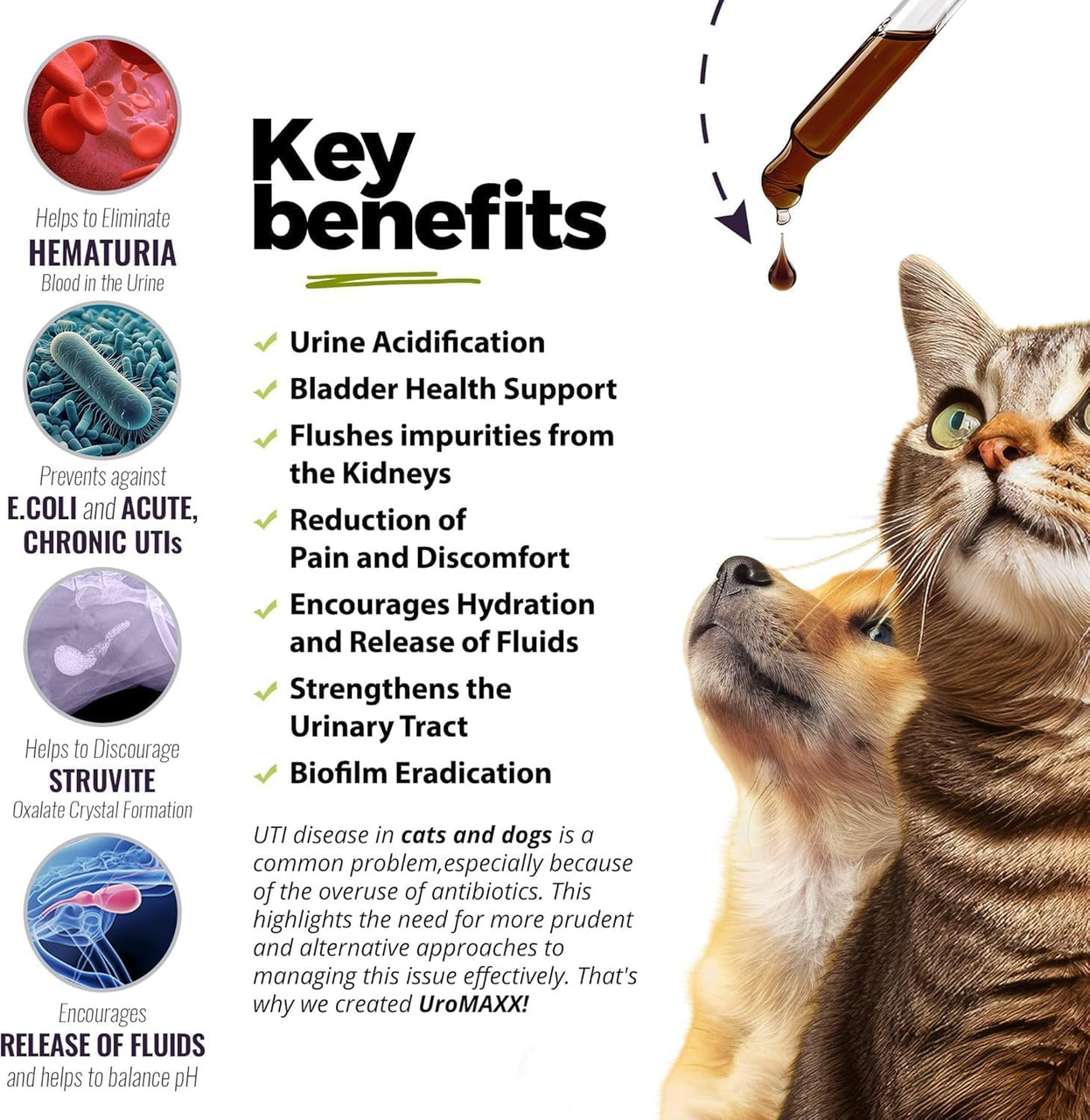
Plain, unflavored inactive nutritional yeast is the only safe option for cats with kidney disease, if approved by a veterinarian.
Credit: www.abetterwaypetcare.com
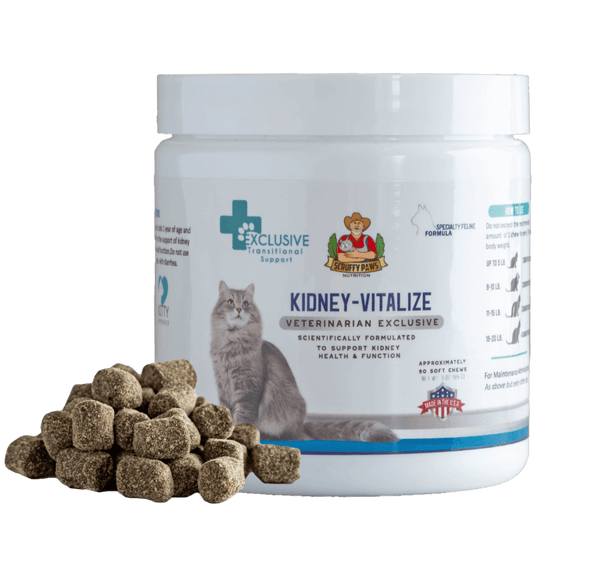
Pre-made yeast chews almost always contain added sodium, fillers, or toxic ingredients like garlic that are unsafe for cats with kidney disease.
Credit: scruffypawsnutrition.com

Always check the full ingredient label of any nutritional yeast product before sharing it with your cat, to avoid hidden sodium or toxic additives.
Credit: www.amazon.com
Dosage Recommendations
Even for early-stage CKD cats approved for nutritional yeast use, strict dosage limits are non-negotiable to avoid phosphorus and sodium overload. Start with no more than 1/8 teaspoon (roughly 0.5g) of 100% plain, unsalted nutritional yeast mixed thoroughly into a single meal of wet renal food. This small amount is enough to add palatable umami flavor without pushing your cat over their daily phosphorus limit.
Never exceed 1/4 teaspoon per day, even for healthy cats, and never offer nutritional yeast as a standalone treat or in large handfuls, as concentrated doses drastically increase the risk of hyperphosphatemia. Avoid feeding any product fortified with extra vitamins or minerals, as these often add hidden phosphorus, sodium, or potassium that can strain compromised kidneys. For cats on multiple supplements or medications, confirm with your veterinarian that nutritional yeast will not interact with drugs like phosphate binders or antihypertensives.
Monitoring Health And Reactions
Consistent at-home monitoring paired with regular veterinary bloodwork is the only way to confirm nutritional yeast is not harming your cat. Track changes in appetite, water consumption, urination frequency, and energy levels daily: increased thirst or urination, lethargy, sudden itching, or vomiting can be early signs of hyperphosphatemia, sodium overload, or digestive sensitivity.
Schedule bloodwork every 3 to 4 months (or as recommended by your veterinarian) to check your cat’s phosphorus, calcium, blood urea nitrogen (BUN), and creatinine levels. If any values trend upward, stop using nutritional yeast immediately and consult your vet. For cats that need frequent, small meals to maintain hydration and appetite, a consistent wet food feeding routine can help ensure they’re eating enough throughout the day without overloading their kidneys.
Kidney-Friendly Alternatives to Nutritional Yeast
If your veterinarian advises against nutritional yeast for your cat’s specific CKD stage, these safer, kidney-friendly alternatives can provide similar benefits without the risk:
| Supplement | Phosphorus per tbsp | Sodium per tbsp | Key Benefit for CKD Cats | Primary Risk |
|---|---|---|---|---|
| Unsalted, additive-free bone broth | <10mg | <5mg | Hydration, palatability | Risk of hidden garlic/onion in store-bought varieties |
| EPA/DHA fish oil | 0mg | 0mg | Reduces kidney inflammation, slows disease progression | GI upset if overdosed |
| Veterinary renal topper | <20mg | <10mg | Optimized for CKD nutrient limits | May be less palatable than nooch for some cats |
| Cooked unseasoned chicken or white fish | 15–25mg | <10mg | High-protein palatability for cats with low appetite | Must be lean, unseasoned, and limited to <10% of daily calories |
| For cats with sensitive digestive systems that can’t tolerate new toppers, our guide to safe fiber sources for digestive health outlines low-risk fiber options that won’t irritate the GI tract. While B-vitamin supplementation can support energy levels in cats with CKD, most prescription renal diets are already formulated to meet all of a cat's nutritional needs for chronic conditions. For owners looking to understand how to evaluate food labels for these tailored requirements, our guide to nutritional guidelines for cats with chronic illnesses walks through key nutrient ratios to look for. |
Frequently Asked Questions
Can I give my cat with kidney disease small amounts of nutritional yeast?
Only if your veterinarian explicitly approves it, and only in very small doses (no more than 1/8 teaspoon per day for early-stage CKD). It must be 100% pure, inactive nutritional yeast with no added sodium, garlic, or onion. Even then, it should only be used as a rare palatability topper, not a regular supplement, and your cat's kidney values should be monitored closely with regular bloodwork.
Does nutritional yeast have too much phosphorus for cats with kidney disease?
Yes, even pure nutritional yeast contains moderate levels of phosphorus. A single tablespoon can contain 200–300mg of phosphorus, which may exceed the daily limit for many CKD cats. For cats in IRIS stage 3 or 4 kidney disease, even small amounts of nutritional yeast are generally not recommended, as excess phosphorus accelerates kidney damage and causes painful complications like bone loss and soft tissue calcification.
What are safer alternatives to nutritional yeast for CKD cats with poor appetite?
Veterinary-recommended alternatives include low-phosphorus wet renal food toppers, unsalted additive-free bone broth, and small amounts of cooked, unseasoned chicken or white fish. EPA/DHA fish oil supplements are also a safe, kidney-friendly option that supports overall health without adding phosphorus.
Can nutritional yeast help with CKD symptoms like lethargy or poor appetite?
Its umami flavor may help entice cats with reduced appetite to eat their renal food, which is its only proven benefit for CKD cats. While its B-vitamin content may help with mild energy deficits, there is no clinical evidence that it slows CKD progression or reduces other symptoms, and the risks of excess phosphorus and sodium often outweigh any minor benefits for most CKD cats.
What should I do if my cat accidentally eats a large amount of nutritional yeast?
If your cat consumes more than the recommended 1/8 teaspoon dose, contact your veterinarian or an emergency pet poison helpline immediately. Large doses can cause acute phosphorus toxicity, leading to vomiting, diarrhea, lethargy, and rapid worsening of kidney function. Do not induce vomiting unless directed by a veterinary professional.
Conclusion
Nutritional yeast is not a miracle supplement for cats with kidney disease, but it can be a safe, useful tool to improve palatability for early-stage CKD cats when used in tiny, vet-approved amounts. For most cats with mid to late-stage CKD, the risk of excess phosphorus and sodium accelerating kidney damage far outweighs any potential benefits. The foundation of effective CKD care remains a veterinary-prescribed renal diet, regular bloodwork monitoring, and close collaboration with your veterinarian to adjust your cat’s care as their condition progresses.
If you’re looking for safe, vet-approved ways to boost your CKD cat’s appetite and nutrition without risking kidney damage, consult your veterinarian about tailored dietary adjustments, and explore our guide to specialized renal diet options to find foods that support your cat’s kidney health without unnecessary risks.