
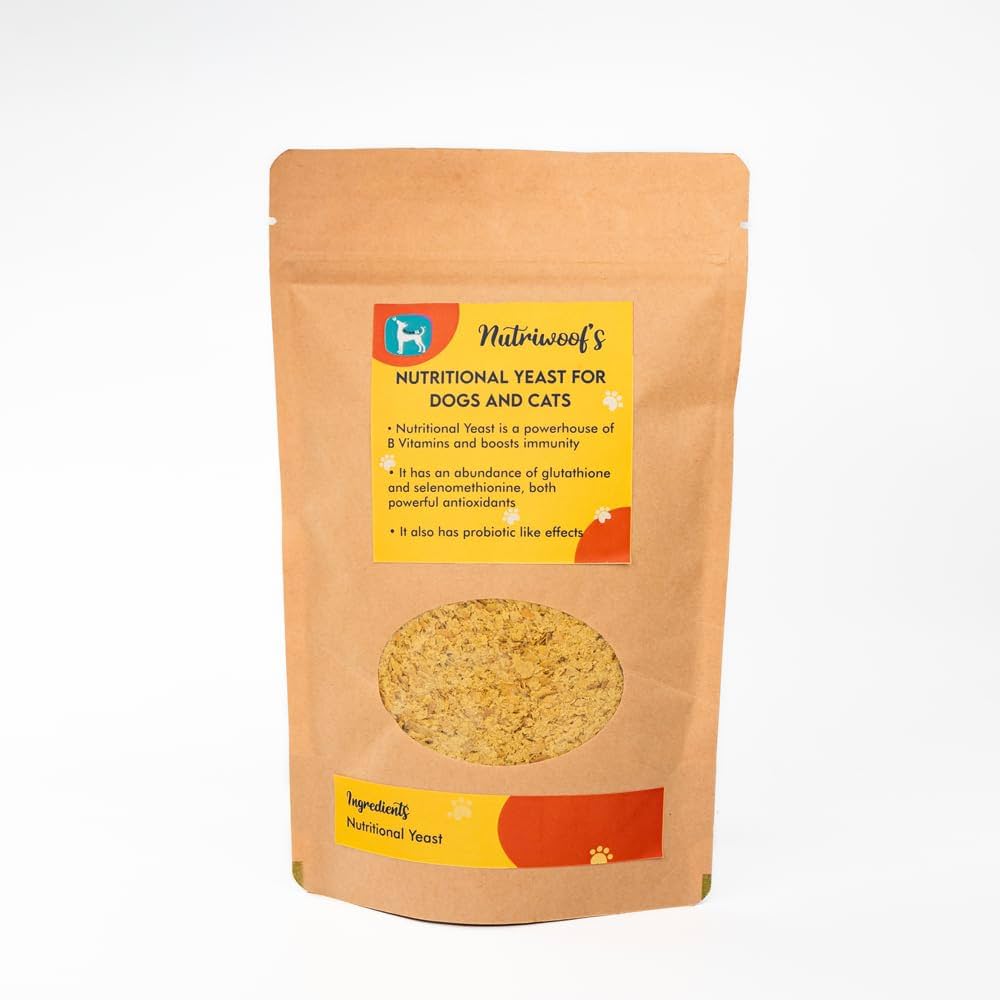
Are you a cat parent curious about adding nutritional yeast to your feline's diet? You might have heard about its benefits for humans, but is it safe for your furry friend?
As a pet owner, you want the best for your cat, ensuring they stay healthy and happy. Imagine discovering a simple ingredient that could enhance their wellbeing. This article will explore everything you need to know about giving nutritional yeast to cats, addressing your concerns and providing the insights you need.
Dive in to uncover whether this trendy supplement is a purr-fect addition to your cat's meals!
Nutritional Yeast Basics
Nutritional yeast is a popular supplement in many diets. It offers a cheesy flavor without any dairy. Many wonder if it's safe for cats. Before exploring that, let's understand the basics of nutritional yeast.
What Is Nutritional Yeast?
Nutritional yeast is a deactivated yeast. It comes from the fungus species Saccharomyces cerevisiae. Unlike baking yeast, it doesn't help dough rise. It's cultivated specifically for its nutritional value. Once harvested, it is washed and dried. This process deactivates it, making it safe to eat.
Common Uses In Human Diet
Nutritional yeast is often used in vegan diets. It adds a cheesy flavor to dishes. People sprinkle it over popcorn or pasta. It is rich in B vitamins and proteins. Many use it as a seasoning or a supplement. Its savory taste makes it a popular choice for enhancing meals. Some even mix it into soups or sauces for extra depth.
Credit: vecado.com
Nutritional Benefits For Cats
Nutritional yeast offers several benefits for cats. It's a healthy addition to their diet. This yeast is rich in vitamins and proteins. It also supports their digestive health.
Vitamin Content
Nutritional yeast is loaded with B vitamins. These vitamins are essential for cats. They help in energy production and overall health. B vitamins also support a shiny coat and healthy skin.
Protein Source
This yeast is a good protein source. Cats need protein for muscle growth and repair. Nutritional yeast provides high-quality protein. It's a plant-based option that cats can enjoy.
Digestive Health Support
Nutritional yeast aids in digestion. It contains fiber that supports gut health. A healthy gut means better nutrient absorption. It can help prevent digestive issues in cats.
Potential Risks For Cats
Nutritional yeast is popular among health enthusiasts, but when it comes to sharing it with your feline friend, caution is key. Cats have unique dietary needs, and while nutritional yeast offers some benefits, it's crucial to be aware of potential risks. Let's explore some common concerns.
Allergic Reactions
Just like humans, cats can have allergies. Nutritional yeast might trigger an allergic response in some cats, leading to symptoms like itching or skin irritation. If you notice any unusual behavior or physical changes, consult your vet immediately.
Digestive Upset
Cats have sensitive stomachs. Introducing new foods can sometimes result in digestive issues such as vomiting or diarrhea. Moderation is vital, and you should monitor your cat's reaction closely when offering nutritional yeast.
Overconsumption Concerns
While nutritional yeast contains beneficial nutrients, too much can be problematic. Overconsumption can lead to imbalances in your cat's diet. Are you confident about the portion size? Ensure your cat's diet remains balanced and consult with a vet for guidance.
Credit: cattime.com
Safe Feeding Practices
Cats can safely consume nutritional yeast in moderation. This supplement offers a boost of B vitamins, supporting feline health. Always consult a vet before adding new foods to a cat's diet.
Safe feeding practices are essential when introducing nutritional yeast to your cat's diet. While this supplement offers potential health benefits, including improved digestion and a shiny coat, it's crucial to ensure that your feline friend receives it safely. By following the right guidelines, you can make nutritional yeast a beneficial part of your cat's nutrition plan.
Recommended Dosage
When giving nutritional yeast to your cat, start with a small amount. A pinch or a quarter teaspoon is a good starting point. Gradually increase the dosage if your cat shows no adverse reactions. Mix it into their food to see if your cat enjoys the taste. Some cats love the cheesy flavor, while others may need time to adjust. Always ensure that the total amount given does not exceed half a teaspoon per day.
Monitoring Your Cat’s Health
Keep an eye on your cat's health after introducing nutritional yeast. Look for signs of allergies, such as itching or gastrointestinal issues. If you notice any negative reactions, stop feeding it immediately. Observe changes in behavior and energy levels. Positive changes might include increased playfulness or improved coat condition. Tracking these changes helps determine if nutritional yeast is beneficial for your cat.
Consulting A Veterinarian
Before making any dietary changes, it's wise to consult your veterinarian. They can provide guidance based on your cat's specific health needs and conditions. Discuss any concerns or questions you have about nutritional yeast. A vet can also help you determine the appropriate dosage for your cat. Professional advice ensures that your cat's diet remains balanced and healthy. Remember, your vet is your best resource for keeping your pet's nutrition on track.
Alternatives To Nutritional Yeast
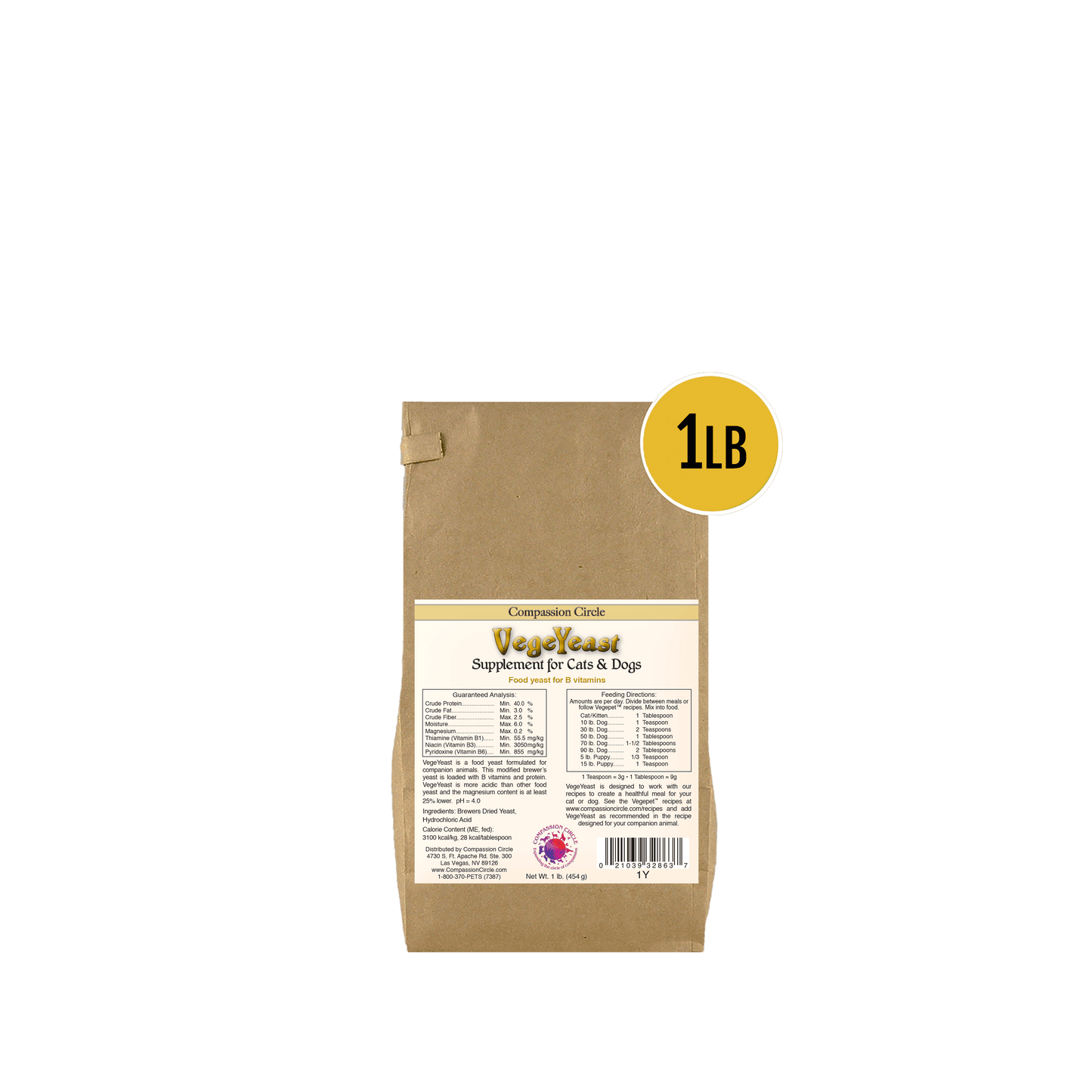
Can You Give Nutritional Yeast to Cats Cats can enjoy nutritional yeast in small amounts. It adds a cheesy flavor to their food. But there are alternatives like brewer's yeast or fish flakes. These are also safe and tasty for cats.
Always check with a vet before changing your pet’s diet.
Exploring alternatives to nutritional yeast for your cat can open up a world of possibilities. While nutritional yeast is popular for its B vitamins and cheesy flavor, there are several other options that can offer similar benefits. Whether you're looking for a supplement or a natural food source, it's important to find what works best for your feline friend.
Other Supplements
Supplements can be a great way to ensure your cat gets the nutrients they need. Brewer's yeast is a popular alternative, rich in B vitamins and known to support a healthy coat. It's often found in powdered form, making it easy to sprinkle over your cat's food. Another option is fish oil supplements, which provide omega-3 fatty acids for joint health and a shiny coat. Have you noticed your cat's fur looking a bit dull? Fish oil might just be the boost they need. Probiotics can also serve as a great addition to your cat's diet, supporting digestion and immunity. Consider chatting with your vet to find the best option for your furry companion.
Natural Food Sources
Natural food sources can provide essential nutrients without the need for supplements. Eggs are a fantastic source of protein and B vitamins. Simply cook and serve them plain, avoiding any seasoning or additives. Salmon, whether fresh or canned, is rich in omega-3 fatty acids and can be a tasty treat for your cat. Just ensure it's cooked properly to avoid any harmful bacteria. Have you ever tried spinach? This leafy green is packed with vitamins and can be mixed into your cat’s meal. But remember, moderation is key to avoid any digestive upset. Are there any natural foods your cat loves that might surprise others? Consider sharing your experiences and see what works for other pet owners too.
Expert Opinions
Veterinarians suggest caution when offering nutritional yeast to cats. While it contains beneficial nutrients, excessive intake might lead to digestive issues. Always consult your vet before introducing new foods to your pet's diet.
When considering adding nutritional yeast to your cat's diet, understanding expert opinions can provide clarity. Cats have unique dietary needs, and while nutritional yeast is popular among humans for its health benefits, it’s essential to determine if it's suitable for your feline friend. Let’s explore what veterinarians and animal nutritionists have to say on this topic.
Veterinary Insights
Veterinarians often advise caution when introducing new foods to your cat’s diet. They emphasize that while nutritional yeast is generally safe, moderation is key. Overconsumption could lead to digestive issues or an imbalance in nutrients. Some vets have noted that nutritional yeast might appeal to cats due to its savory flavor. However, it's crucial to ensure that the yeast is free from additives harmful to cats. Always consult with your vet before making any dietary changes to ensure it complements your cat's health needs.
Animal Nutritionists’ Perspectives
Animal nutritionists highlight the potential benefits of nutritional yeast as a source of B vitamins. These vitamins are essential for maintaining your cat's energy levels and coat health. Yet, they stress that it should not replace a balanced diet. They suggest starting with small amounts, observing your cat's reaction, and then adjusting accordingly. If your cat enjoys it, nutritional yeast can be a healthy treat. However, if your cat shows signs of allergies or discomfort, it's best to discontinue use immediately. Ultimately, understanding both veterinary and nutritionist perspectives can guide you in making informed decisions. Have you ever tried adding new foods to your pet's diet? What was their reaction? Sharing insights can help others in similar situations.

Credit: www.reddit.com
Frequently Asked Questions
How Much Nutritional Yeast Can I Give My Cat?
Cats can have nutritional yeast as a treat, but limit it to a small pinch daily. Ensure it's unsweetened and free from added flavors or spices. Always consult your veterinarian before introducing any new food to your pet's diet for safety and health reasons.
Why Do Cats Love Nutritional Yeast?
Cats love nutritional yeast because it is rich in B vitamins and has a savory, umami flavor. This flavor mimics meaty tastes, attracting cats. Nutritional yeast also provides essential nutrients, enhancing their diet and overall health. Its texture adds a delightful crunch, making it a favorite treat.
Is Nutritional Yeast Safe For Pets?
Nutritional yeast is generally safe for pets in moderation. It provides B vitamins and protein. Always consult your vet before introducing new foods. Avoid varieties with added garlic or spices, as they can harm pets. Monitor for any adverse reactions after giving nutritional yeast.
Is It Safe For Cats To Eat Yeast?
Cats can eat yeast in small amounts, but excessive intake may cause stomach upset. Yeast is not toxic, but monitor your cat's reaction. Always consult a vet for dietary advice. Avoid feeding cats raw yeast dough, as it can expand in their stomachs.
Conclusion
Nutritional yeast can be a healthy treat for cats. It offers vitamins and minerals. But moderation is key. Too much might upset their stomach. Always check with your vet first. Every cat is unique. Their needs vary. Observe your cat's reaction.
If they enjoy it, that's great! If not, that's fine too. Your cat's health comes first. Nutritional yeast isn't a must-have. It's just an option. Keep your cat's diet balanced. Happy and healthy cats bring joy.
