
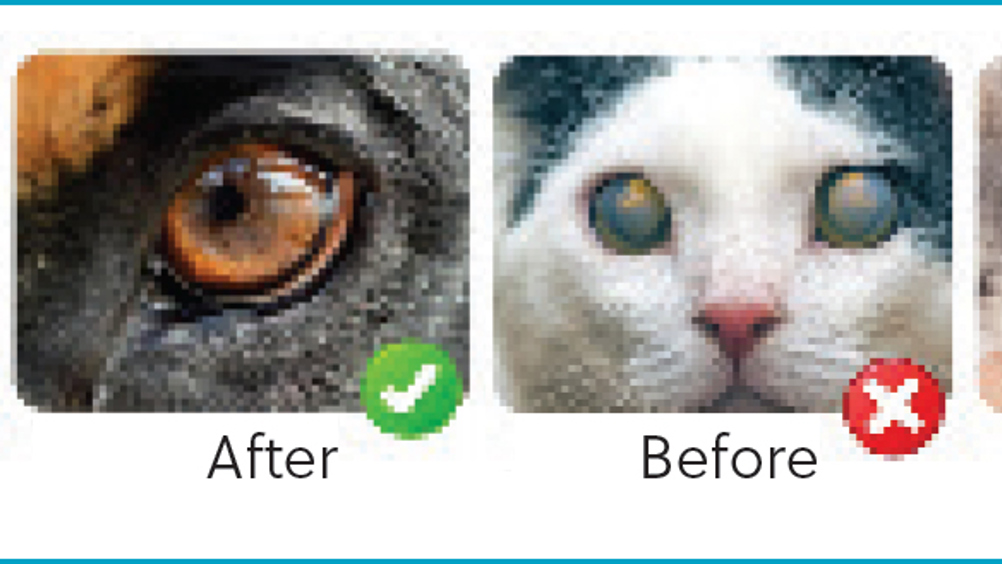
Imagine noticing a subtle change in your cat's eyes—a cloudy appearance that wasn't there before. As a dedicated pet owner, you might wonder if it's something serious.
You're right to be concerned; your feline friend could be experiencing nutritional cataracts. But here's the good news: there's a possibility that these cataracts can be reversed. We'll dive into the world of nutritional cataracts in cats and explore whether you can help your pet regain its clear vision.
You'll discover essential insights into what causes these cataracts and learn about practical steps you can take to potentially reverse them. By the end, you'll feel empowered with the knowledge to make informed decisions for your cat's eye health. Curious? Keep reading to uncover the secrets that could restore your cat's sight and improve its quality of life.
Nutritional Cataracts In Cats
Cataracts can affect many animals, including cats. These cloudy spots on the eye lens can hinder a cat's vision. While cataracts often occur due to aging, some can develop from poor nutrition. Understanding nutritional cataracts in cats is essential for pet owners.
Causes And Risk Factors
Poor diet is a primary cause of nutritional cataracts. Cats need a balanced diet rich in proteins, vitamins, and minerals. Deficiencies can lead to eye problems. Low taurine levels are particularly concerning. Taurine is essential for cats' vision health. Malnutrition can also trigger cataracts. Cats with a history of poor diet are at higher risk.
Symptoms To Watch For
Recognizing cataract symptoms early can help. Look for cloudy or opaque spots in the eyes. Your cat might bump into furniture or have trouble seeing. They might seem disoriented in familiar spaces. Increased clumsiness can also be a sign. If you notice these symptoms, consult a vet.
Role Of Diet In Cataract Development
Exploring the impact of diet on cataract development in cats reveals a link to nutritional deficiencies. Proper nutrition may help manage cataract symptoms. Quality diets rich in antioxidants and essential nutrients potentially offer benefits.
The role of diet in cataract development in cats is significant. A balanced diet can prevent health issues. Cataracts are no exception. Nutrition plays a key part in eye health. Poor diet choices can lead to deficiencies. This may cause cataracts in cats. Understanding how diet affects cataracts helps in managing them.
Nutritional Deficiencies
Certain deficiencies can impact a cat's eye health. Lack of antioxidants is one example. These substances protect the eyes from damage. Vitamins E and C are crucial. They help in maintaining eye clarity. Omega-3 fatty acids are also important. They support overall eye health. Deficiencies in these nutrients can lead to cataract development. Regular checks on nutrient intake are vital. Ensuring a balanced diet can minimize risks.
Impact Of Poor Diet Choices
Poor diet choices can worsen cataracts in cats. High sugar foods are harmful. They may accelerate cataract formation. Processed foods often lack essential nutrients. They may contribute to eye problems. Fresh, whole foods provide better nutrition. They support a cat's overall health. Junk food should be avoided. It can lead to more health issues. Choosing the right foods is crucial. It helps in maintaining eye health and preventing cataracts.
Reversing Cataracts Through Nutrition
Cataracts in cats can affect their vision and quality of life. Reversing cataracts through nutrition is a promising approach. A diet rich in specific nutrients can support eye health and potentially improve vision. Below, we explore essential nutrients and dietary changes that may help.
Essential Nutrients For Eye Health
Certain nutrients are vital for maintaining eye health in cats. Antioxidants play a key role in protecting eye cells from damage. Vitamin C and vitamin E are powerful antioxidants. They may help slow cataract progression. Omega-3 fatty acids support retinal health. These fatty acids can be found in fish oils. Taurine is an essential amino acid for cats. A lack of taurine can lead to eye problems. Ensure your cat's diet contains adequate taurine.
Dietary Changes To Implement
Consider altering your cat's diet to include foods rich in eye-supporting nutrients. Include fish like salmon or tuna for omega-3 fatty acids. Vegetables like carrots and sweet potatoes are high in beta-carotene, a vitamin A precursor. These foods can support vision health. Ensure your cat's food is balanced and high-quality. Consult with a veterinarian before making significant diet changes. They can provide guidance tailored to your cat's needs.

Credit: www.facebook.com
Supplements And Treatments
Reversing nutritional cataracts in cats may be possible with proper supplements and treatments. Essential nutrients and antioxidants can play a key role in eye health. Consult a vet for tailored advice and appropriate care.
Cats may develop cataracts due to poor nutrition. This condition affects their vision and overall health. There are ways to help improve or even reverse nutritional cataracts in cats. Supplements and treatments offer hope for pet owners who want to help their furry friends. It is important to understand which supplements are effective and what veterinary treatments are available.
Effective Supplements
Certain supplements can aid in managing cataracts in cats. Antioxidants play a crucial role. They help in reducing oxidative stress on the eyes. Vitamin C and E are beneficial. These vitamins protect eye health. Omega-3 fatty acids also support overall eye function. They may slow cataract progression. Taurine is another essential nutrient. It promotes eye health in cats. Ensuring your cat has a balanced diet with these nutrients is vital.
Veterinary Treatments
Veterinary treatments can address cataracts effectively. Regular check-ups are crucial. They monitor the cataract's progress. Surgery is an option for severe cases. It involves removing the cloudy lens. This procedure restores clear vision. Eye drops may also be prescribed. These drops can help manage symptoms. They keep the eyes moist and healthy. Consulting a vet is key to finding the best treatment plan. Early intervention can prevent further eye damage.
Prevention Strategies
Balanced diets can potentially prevent cataracts in cats. Proper nutrition supports eye health and may slow cataract progression. Regular vet check-ups ensure optimal dietary choices for your feline friend.
Preventing nutritional cataracts in cats is a proactive way to ensure your feline friend maintains clear vision throughout their life. While cataracts can develop for various reasons, focusing on nutrition and regular health care can significantly reduce the risk. Here are some effective prevention strategies to keep your cat's eyes healthy and bright.
Balanced Diet Tips
Feeding your cat a balanced diet is crucial for preventing nutritional cataracts. Ensure their food contains essential nutrients like taurine, omega-3 fatty acids, and antioxidants. These nutrients support eye health and can be found in high-quality commercial cat foods or supplements recommended by your vet. It's tempting to share your meals with your cat, but human food often lacks the nutrients cats need. Stick to specially formulated cat food that meets all their dietary requirements. If you're considering a homemade diet, consult with a veterinarian to ensure it's balanced and complete.
Routine Health Checks
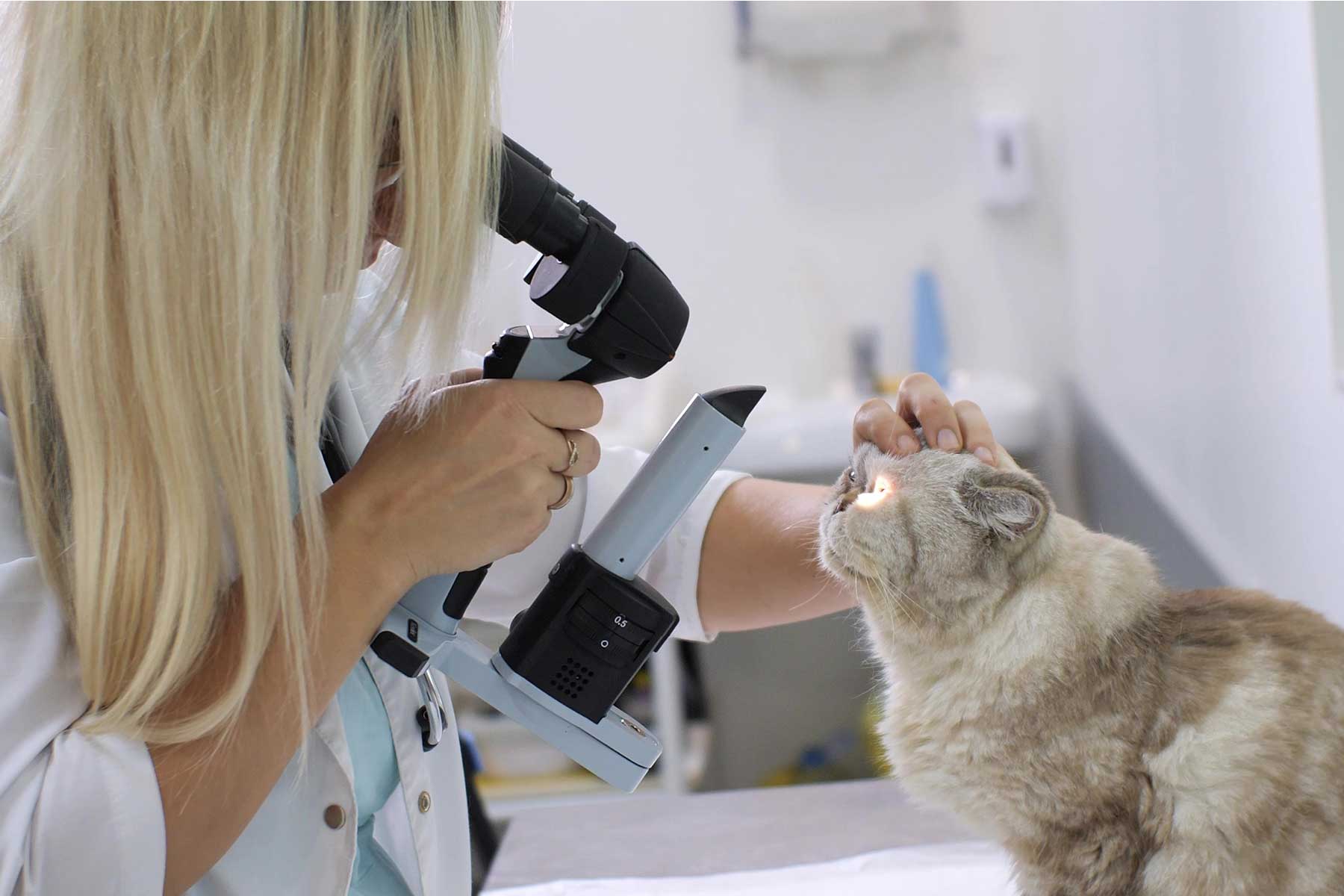
Regular veterinary check-ups are vital in catching any health issues early, including potential eye problems. During these visits, your vet can perform eye examinations and identify any signs of cataracts or other conditions. Early detection can lead to more effective management and better outcomes for your cat's vision. You can also monitor your cat's eyes at home. Look for signs like cloudiness, redness, or excessive tearing, which could indicate an issue. If you notice anything unusual, schedule an appointment with your vet promptly. By focusing on a balanced diet and routine health checks, you're taking active steps to safeguard your cat's vision. These strategies not only support eye health but also contribute to your cat's overall well-being. After all, who doesn't want their furry friend to enjoy a long, healthy life with clear, vibrant eyes?
Credit: www.petmd.com
Success Stories
The journey to reverse nutritional cataracts in cats is filled with inspiring success stories that shed light on the effectiveness of dietary interventions. Many pet owners have witnessed remarkable improvements in their cats' vision, thanks to strategic nutritional changes. These stories not only offer hope but also pave the way for others seeking solutions for their feline friends.
Case Studies
Meet Bella, a sprightly tabby whose cataracts began to cloud her world. Her owner, Sarah, decided to tackle the issue head-on by altering Bella's diet. Within months, Bella's vision showed significant improvement. The addition of omega-3-rich fish oils and antioxidant-packed vegetables played a pivotal role in her recovery. Bella's case serves as a testament to the power of nutrition.
Another compelling story is of Max, a playful Persian who struggled with cataracts despite his young age. Max's journey to better vision involved the careful integration of vitamin E and taurine supplements. His owner, Jake, noticed a marked decrease in cataract cloudiness, highlighting how specific nutrients can make a difference. Max's story encourages others to explore tailored dietary solutions.
Lessons Learned
These success stories teach us invaluable lessons. First, consistency is key. Regularly incorporating beneficial nutrients into your cat's diet can lead to visible improvements. It's not about quick fixes but sustained changes that yield long-term results.
Secondly, each cat is unique. What works for Bella might not work for Max. Understanding your cat's specific needs and consulting with a veterinarian can guide you in making informed decisions. Personalized plans often lead to better outcomes.
Finally, these stories remind us to never underestimate the power of nutrition. Have you considered the role diet plays in your cat's health? It's a thought-provoking question that invites exploration and reflection, potentially leading to transformative results for your feline companion.
Credit: vety.com
Frequently Asked Questions
Can Cataracts Be Reversed With Nutrition?
Cataracts cannot be reversed with nutrition. A healthy diet may slow progression and support eye health. Nutrients like vitamins C and E, lutein, and zeaxanthin are beneficial. Surgery is currently the only effective treatment for cataracts. Always consult with an eye specialist for personalized advice.
Can Cataracts Be Reversed In Cats?
Cataracts in cats cannot be reversed naturally. Surgical removal is the primary treatment option. Consult a vet for diagnosis and possible surgery. Early detection helps manage symptoms effectively. Regular eye check-ups are crucial for maintaining your cat's eye health.
Can Malnutrition Cause Blindness In Cats?
Yes, malnutrition can cause blindness in cats. Vitamin A deficiency is a common cause. Ensure a balanced diet for your cat's health. Regular vet check-ups help prevent nutritional deficiencies. Proper nutrition is crucial for maintaining vision and overall well-being in cats.
What Is The Most Common Cause Of Cataracts In Cats?
The most common cause of cataracts in cats is aging. As cats get older, lens proteins can degrade, leading to cataract formation. Some cats may also develop cataracts due to genetic factors, diabetes, or trauma. Regular veterinary check-ups can help detect and manage cataracts early.
Conclusion
Caring for a cat's vision is important. Nutritional cataracts may impact their sight. Some cases can improve with dietary changes. Regular vet visits help track progress. A balanced diet supports overall eye health. Omega-3 and vitamins are key nutrients. Consult your vet for tailored advice.
Each cat's needs vary. Early intervention is crucial. It helps prevent further complications. A healthy lifestyle benefits your cat. They deserve the best care. Keep their eyes bright and healthy.
