
Finding the best litter box for cats is about more than convenience. A well-chosen box reduces daily scooping, controls odor before it settles into rugs and furniture, and encourages consistent use from even the most particular feline. The wrong box — too small, too enclosed, or placed in a stressful spot — can trigger litter box avoidance and unwanted accidents.
This guide is updated for 2026 buying decisions. It covers what to look for before you buy, category-specific top picks, and the practical setup and cleaning habits that make any litter box work better in your home. You can also read our guide on best ear wipes for cats.
How to Choose the Best Litter Box for Your Cat
Before comparing models, work through the features that matter most for your cat’s age, size, mobility, and your household’s layout. A budget box in the right size and location will often outperform a premium model in the wrong setup.
Size and Entry Height
A litter box should be at least 1.5 times the length of your cat from nose to the base of the tail. For a typical 10-pound cat, that means an interior length of about 18 inches or more. Measure your cat while they are stretched out rather than curled up; many owners underestimate how much room a cat needs to turn around and dig comfortably. You can also read our guide on best cat litter box for odor control.
A common mistake is buying a box that looks roomy on the shelf but is too cramped once litter is inside. Cramped boxes are a frequent cause of avoidance, which is why Cornell University’s College of Veterinary Medicine guidelines emphasize generous sizing as a core part of preventing problems.
Entry height matters just as much. Kittens and senior cats with arthritis or reduced mobility do best with low-entry designs under 4 inches high. High-sided or top-entry boxes can contain enthusiastic diggers, but they are not always suitable for older cats or cats recovering from surgery. You can also read our guide on travel cat carrier with litter box.
Material and Durability
Most quality litter boxes are made from BPA-free high-impact plastic. It is lightweight, easy to disinfect, and with normal use a well-made box often lasts several years. Thin, flexible plastic is a false economy: aggressive diggers can scratch it, and deep cleaning can eventually crack it.
Non-porous surfaces are important because they do not absorb urine or odor over time. If you want a more sustainable option, look for recycled plastic, bamboo, or biodegradable cardboard. Cardboard boxes are best treated as short-term solutions for foster care, travel, or temporary housing rather than permanent setups. You can also read our guide on cat grooming santa rosa ca.
Ease of Cleaning
The easier a box is to clean, the more likely you are to clean it on schedule. Look for smooth, crevice-free interiors, rounded corners, and a removable tray that lifts out for rinsing. Tight seams and hard-to-reach corners trap waste and hold bacteria.
For automated options, check how often the waste drawer needs emptying and whether replacement parts are easy to source. A self-cleaning box is only convenient if you can maintain it without hunting for proprietary filters or liners. You can also read our guide on fleatick prevention for cats.
Odor Control
Odor control starts with daily scooping, not with the box itself. Carbon filters, sealed waste compartments, and antimicrobial coatings help between cleanings, but they do not replace consistent maintenance.
Covered boxes can trap odors inside, which often makes cats reluctant to enter. If you choose a covered or furniture-style design, check it more frequently than you would an open pan. Pair any box with a low-dust, unscented clumping litter for the most manageable everyday setup.
Design and Space Requirements
In small apartments or open-plan living spaces, a furniture-style enclosure can hide the litter box inside a cabinet, bench, or side table while keeping it functional. These designs work well for owners who want the litter area to blend into the room, but the entrance still needs to be easy for your cat to find and use.
Top-entry boxes reduce tracking because the cat steps down through a grate on the way out. That said, they require a jump in and out, so they are not ideal for kittens, seniors, or cats with joint pain. Measure your intended spot before buying and leave enough clearance for the lid, door, or top opening.
Litter Compatibility
Not every litter works in every box. Most standard open pans accept clay, silica gel, corn, wheat, or paper litters. Many self-cleaning models, however, work best with clumping clay or specific silica gel formulas. Read the manufacturer’s litter recommendations before committing, because the wrong litter can cause clogs, poor sifting, or sensor errors.
Top Self-Cleaning Litter Boxes
Self-cleaning boxes cut daily scooping down to a weekly task and are a practical upgrade for busy households. The trade-off is a higher upfront cost, more parts to maintain, and a short adjustment period for some cats.
How Self-Cleaning Models Work
Most self-cleaning litter boxes use one of three mechanisms:
- Rotating drums sift clumps into a sealed waste drawer and return clean litter to the bed.
- Conveyor belts slowly move waste into a covered compartment.
- Washable systems use water and reusable granules to flush waste through a drain line.
All require a power source, and most perform best with a specific litter type. In practice, the biggest adjustment is noise: some cats startle during the cleaning cycle, so a gradual introduction is always wise.
Top Picks
| Model | Best For | Mechanism | Notes |
|---|---|---|---|
| Litter-Robot 4 | Overall convenience | Rotating sifting drum | Works with many clumping litters; app alerts; lower entry than older models |
| PetSafe Simply Clean | Quiet operation | Conveyor system | Simpler setup; no Wi-Fi required; good for noise-sensitive cats |
| CatGenie 120 | Reducing disposable waste | Washable granules | Requires water and drain hookup; eliminates litter replacement |
Pros and Cons of Automation
The benefits are clear: less daily scooping, less odor buildup, and less direct contact with waste. The downsides are equally real. Upfront costs can range from a few hundred dollars to well over $500, and ongoing expenses may include replacement trays, filters, sensors, or water use.
Some cats never fully accept a motorized box. Watch for hesitation, scratching at the entrance, or accidents nearby. If those signs continue after a slow introduction, an open or low-tech box may be the better long-term choice.
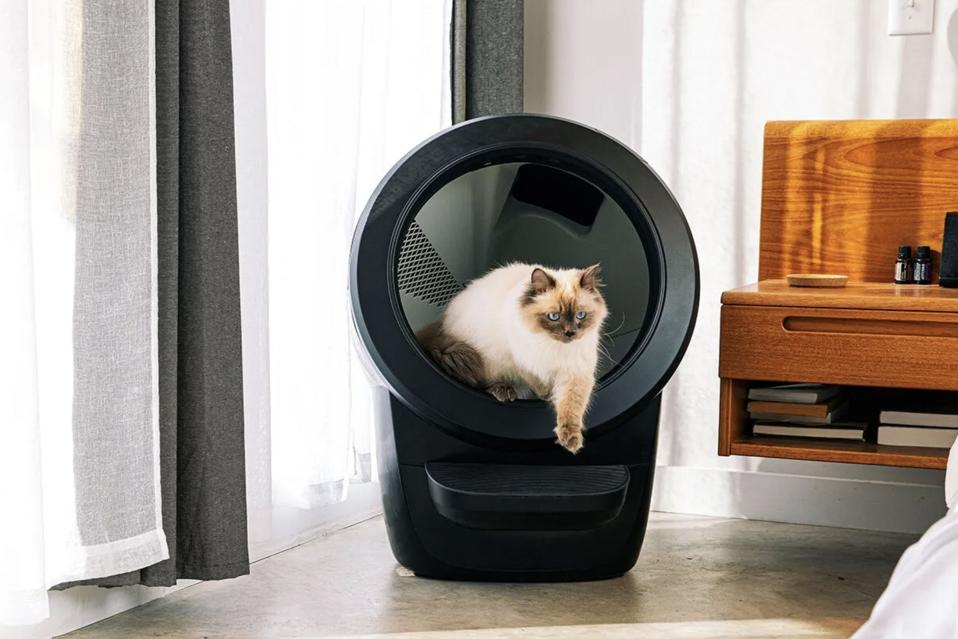
Premium self-cleaning boxes reduce daily scooping but usually require a gradual introduction.
Credit: www.forbes.com
Eco-Friendly Litter Box Options
Sustainable litter boxes reduce waste without sacrificing everyday function. They are a strong choice if you are already using plant-based litter or want to lower your household’s plastic footprint.
Sustainable Materials
Look for boxes made from 100% recycled plastic, rapidly renewable bamboo, or biodegradable cardboard. Many eco-friendly designs pair well with corn, wheat, wood, or paper litter, creating a lower-waste system from box to disposal.
The ASPCA’s cat litter safety guidance notes that flushable litter should only be used if your local wastewater system explicitly allows it. Septic systems and some municipal treatment plants cannot process litter the way they process human waste, so check locally before flushing anything.
Low-Waste Features
Some eco-friendly models include built-in sifting trays that separate clumps from clean litter, reducing how much fresh litter you use each month. Others accept compostable liners, although compostability depends on your local facility’s rules for pet waste. In practice, these features work best when combined with daily scooping and a full change only when the remaining litter is no longer fresh.
Top Picks
- Bamboo litter boxes: Naturally antimicrobial, lightweight, and durable enough for several years of regular use.
- Disposable cardboard boxes: Leak-resistant and fully biodegradable, useful for travel, foster care, or temporary setups.
Budget-Friendly Litter Boxes Under $30
A dependable litter box does not need to be expensive. If you are on a tight budget, prioritize thick plastic, smooth surfaces, and a size that fits your cat.
Best Value Picks
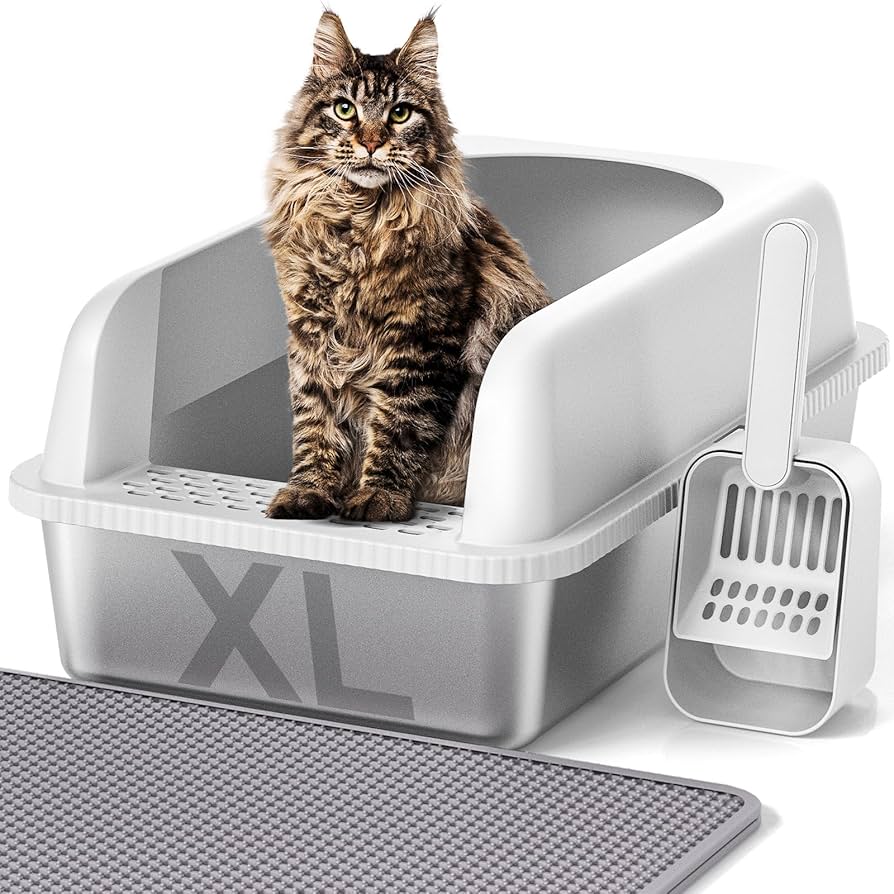
- High-sided open pan: A simple high-sided box with 12-inch walls contains scatter and works with standard liners and most litters.
- Top-entry box: The enclosed shell reduces tracking and usually includes a textured lid that helps knock litter off paws.
- Covered dome box: A private, enclosed design with a removable base for easier cleaning.

A simple high-sided pan remains one of the most reliable budget choices.
Credit: www.amazon.com
Long-Term Cost Savings
Avoid boxes that require proprietary liners, filters, or waste drawers unless you are comfortable with the recurring expense. Generic liners and standard replacement parts are easier to find and usually cheaper over time. A durable open pan may not look exciting, but it avoids the hidden costs that some specialty designs carry.
Luxury Litter Boxes for Discreet, High-Tech Use
Luxury litter boxes prioritize aesthetics, premium materials, and advanced features. They are designed for owners who want the litter area to disappear into the home or who want to reduce maintenance even further.
Furniture-Style Designs
High-end furniture boxes mimic end tables, benches, cabinets, or planters. A side or rear entrance keeps the litter area hidden, while a finished wood or laminate exterior matches common decor. The main trade-off is cleaning access: some designs require opening a door or lifting a lid, so check that the interior tray slides out easily before buying.
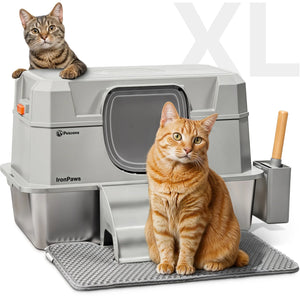
A furniture-style enclosure hides the litter box while blending into a room.
Credit: petcoveshop.com
Premium Self-Cleaning Models
Top-tier automated boxes add Wi-Fi app controls, waste-level alerts, and built-in odor management. Longer warranties and trial periods are common at this price point, which helps offset the risk of buying a high-cost item your cat may not accept.
Extra Features for Comfort
Some luxury options include heated bases for arthritic cats, antimicrobial surfaces, and extra-large interiors for bigger breeds. These features support cats with specific physical needs and can reduce the strain of daily maintenance for owners.
Multi-Cat Household Solutions
Homes with two or more cats need more planning. The goal is to reduce competition, prevent guarding, and make sure every cat has a clean, accessible place to go.
Litter Box Quantity Guidelines
The standard rule is one box per cat plus one extra. A three-cat household should have four boxes spread across different quiet areas. Even if your cats get along, sharing a single box increases the chance of territorial tension and accidents.
High-Capacity Designs
In multi-cat homes, prioritize extra-large boxes with a 24-inch or longer interior. They hold more litter, stay fresher between scoops, and give larger cats room to move. Self-cleaning models with bigger waste drawers can also reduce how often you need to empty them.
Reducing Territorial Conflicts
Place boxes on different floors or in separate low-traffic rooms. Keep them away from food, water, and loud appliances like washers or furnaces. If you are adding a new cat, give them their own box before you expect shared use. A gradual, positive litter box training process is far more effective than forcing a sudden switch.
Health and Hygiene Benefits of the Right Litter Box
The right box supports your cat’s physical and behavioral health while protecting your household.
Reducing Allergens and Litter Tracking
Clay and silica litters can produce fine dust that irritates both feline and human airways. High-sided or covered designs with filters reduce airborne dust, and a litter mat outside the entrance catches particles before they spread. Pair a low-dust litter with regular grooming to keep tracking under control.
Minimizing Bacterial and Parasite Risk
A dirty box can harbor bacteria and parasites that affect both cats and people. Smooth, non-porous surfaces and removable trays make deep cleaning faster and more effective. If you or someone in your home is pregnant or immunocompromised, daily scooping and regular disinfection become especially important.
Supporting Cat Behavioral Health
Litter box avoidance is often a sign of stress, pain, or discomfort rather than bad behavior. A box that is too small, placed in a busy hallway, or cleaned infrequently can push a cat to eliminate elsewhere. Sudden changes in litter box habits — straining, frequent attempts, blood in urine, or avoiding the box — warrant a veterinary visit.
Common Litter Box Mistakes to Avoid
Small changes often solve persistent problems. Avoid these frequent missteps:
- Choosing a box that is too small for your cat to turn around and dig.
- Using too few boxes in a multi-cat home.
- Switching to scented litter when a cat already shows reluctance.
- Placing the box next to a noisy appliance or in a high-traffic hallway.
- Cleaning with harsh chemicals that leave behind a strong smell.
- Changing box style and location at the same time, which can confuse cats.
- Ignoring early signs of avoidance until the habit is established.
Step-by-Step Setup and Transitioning Your Cat
When you bring a new box home, do not throw the old one away immediately. Set the new box up next to the current one and let your cat investigate at their own pace. Use the same litter at first, then gradually mix in a new litter if you plan to switch.
Keep the box in a quiet, accessible location. Add enough litter — usually two to three inches — but do not overfill. If you are switching to a self-cleaning model, leave it unplugged for the first few days so your cat gets used to entering before the motor ever runs.
For kittens, senior cats, or formerly outdoor cats, a structured introduction to the litter box can prevent long-term problems. Patience during the first two weeks pays off.
Cleaning Schedule That Keeps Any Box Working
Daily scooping is non-negotiable for odor and hygiene. Remove solid waste and clumps every day, and top off with fresh litter as needed.
Every two to four weeks, empty the box completely, wash it with mild soap and warm water, and dry it before adding new litter. Avoid ammonia-based cleaners and strong disinfectants that can leave an odor cats dislike. A roll-and-clean design can speed up this process, but it still needs regular rinsing to prevent buildup in seams.
Frequently Asked Questions
What kind of litter box do most cats prefer?
Most cats prefer an open, uncovered box that is at least 1.5 times their body length. It should be placed in a quiet, low-traffic area away from food and water. Covered boxes are popular with owners, but many cats avoid them because odors build up inside and they feel confined.
Do veterinarians recommend enclosed litter boxes?
Veterinarians sometimes recommend covered boxes for cats that want privacy or for homes with strong odor concerns. However, enclosed boxes need more frequent scooping because trapped odor can quickly deter a cat. If your cat hesitates at the entrance or scratches at the door, switch to an open design.
What is the golden rule of litter box maintenance?
Scoop daily and fully replace the litter every two to four weeks. Provide one box per cat plus one extra, place boxes in low-stress areas, avoid heavily scented litters, and use non-porous materials that are easy to disinfect.
How do I stop litter from tracking around the house?
A high-sided or top-entry box reduces scatter at the source. A textured litter mat outside the entrance catches particles, and a low-dust litter produces less airborne dust overall. Regular sweeping or vacuuming around the box prevents buildup in nearby rooms.
Are self-cleaning litter boxes safe for cats?
Yes, when introduced gradually and maintained correctly. The main concerns are noise sensitivity and mechanical parts. Watch your cat during the first few weeks, and contact the manufacturer or your veterinarian if you notice repeated avoidance or stress.
Final Verdict: How to Choose the Right Litter Box for Your Home
There is no single best litter box for every cat. The right choice depends on your cat’s age, size, mobility, and personality, along with your budget and cleaning habits.
- Busy owners may benefit most from a self-cleaning model that reduces daily scooping.
- Multi-cat homes should prioritize size and the number of boxes over advanced features.
- Small spaces suit furniture-style enclosures or top-entry designs.
- Senior cats need low-entry access and a comfortable, quiet location.
Above all, consistency matters more than the product itself. A simple, well-sized open pan scooped daily will usually outperform a premium automated box that is ignored or poorly maintained. Use the criteria in this guide to narrow your options, then set the box up carefully and watch how your cat responds during the first two weeks.