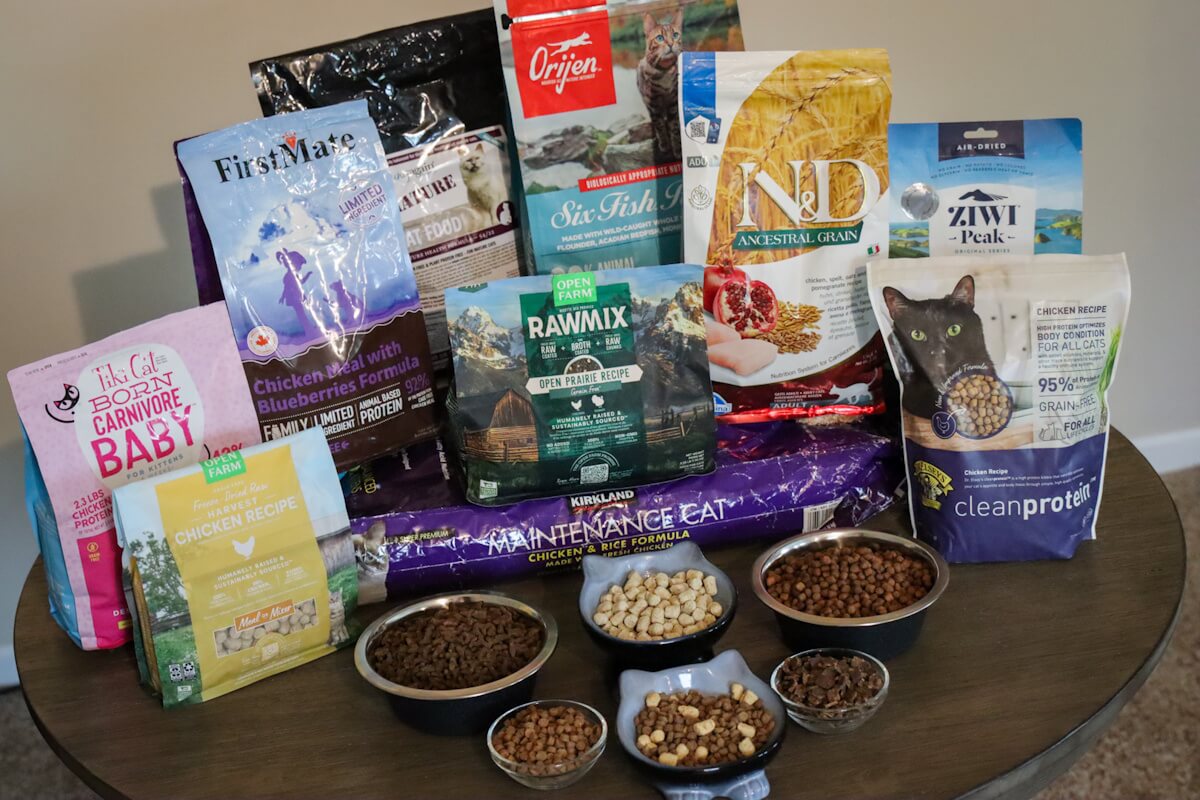
Are you confused about what to feed your furry friend? You’re not alone.
As a cat owner, you want to ensure your pet is getting the best nutrition possible. But with so many options on the shelves, choosing the right cat food can be overwhelming. You might wonder which ingredients are essential and what brands are trustworthy.
Getting the right balance of nutrients is crucial for your cat’s health and happiness. Imagine the satisfaction of knowing you’re giving your cat the best diet possible, leading to a shiny coat, strong bones, and boundless energy. We’ll uncover what makes a cat food nutritionally superior. Stick around to discover tips, expert insights, and the secrets to choosing the perfect meal for your feline friend.
Credit: www.businessinsider.com
Importance Of Nutritional Balance
Understanding the importance of nutritional balance in cat food is crucial. Cats require a diet rich in specific nutrients to thrive. A balanced diet supports their health and longevity. Nutritional balance ensures your cat gets the right amount of proteins, fats, and vitamins. An imbalanced diet can lead to health issues over time.
Protein: The Building Block
Proteins are essential for cats. They help build and repair tissues. Cats need animal-based proteins. These provide the necessary amino acids. A deficiency can lead to muscle loss and poor coat health. Ensure the food label lists meat as the primary ingredient.
Fats: Essential For Energy
Fats are a vital energy source for cats. They support cell function and nutrient absorption. Omega-3 and Omega-6 fatty acids are beneficial. They promote healthy skin and a shiny coat. Check for quality fat sources like fish oil and chicken fat.
Vitamins And Minerals: Supporting Vital Functions
Vitamins and minerals play a key role in a cat's health. They support immune function and bone health. Taurine is a crucial amino acid for cats. A lack of taurine can cause heart and eye problems. Ensure the food contains essential vitamins and minerals.
Water Content: Hydration Matters
Water is vital for your cat's health. Wet cat food provides more hydration than dry food. Cats often don't drink enough water. Consider including wet food in their diet. This helps prevent urinary tract problems.
Avoiding Fillers And Additives
Many cat foods contain fillers and additives. These offer little nutritional value. Corn, wheat, and soy are common fillers. They can cause allergies and digestive issues. Choose foods with fewer artificial additives and preservatives.

Credit: www.amazon.com
Key Nutrients For Cats
Cats need a balanced diet to stay healthy and active. Understanding key nutrients is essential for choosing the best cat food. Each nutrient plays a crucial role in your cat's well-being. Below, we explore the vital nutrients needed for your cat's optimal health.
Proteins And Amino Acids
Proteins are vital for cats. They support muscle growth and repair. Cats require amino acids, especially taurine. Taurine is essential for heart health and vision. Meat sources provide quality proteins for cats. Ensure your cat food lists meat as the first ingredient. This guarantees higher protein content.
Essential Fats
Fats are a key energy source for cats. They help absorb vitamins and maintain healthy skin. Omega-3 and Omega-6 fatty acids support brain function and reduce inflammation. Fish oil and flaxseed are excellent fat sources. Look for cat food containing these fats for optimal health.
Vitamins And Minerals
Vitamins and minerals are crucial for a cat's overall health. They strengthen the immune system and promote bone health. Vitamin A supports vision, while vitamin D aids calcium absorption. Minerals like calcium and phosphorus are essential for strong bones. Ensure your cat food has a balanced mix of vitamins and minerals.
Types Of Cat Food
Selecting the best cat food nutritionally involves understanding different types like dry, wet, and raw diets. Each offers unique benefits, catering to varied needs. Wet food provides hydration, while dry food supports dental health. Raw diets may offer natural nutrients, but require careful preparation.
Choosing the right cat food can be a challenging task given the variety of options available. Each type of food has its own benefits and potential downsides. Understanding these can help you make a more informed decision for your feline friend. Whether you're considering dry, wet, raw, or homemade meals, the nutritional content plays a crucial role in your cat's health and well-being.
Dry Food
Dry cat food is convenient and often more affordable than other options. It's easy to store and has a longer shelf life. However, it typically contains fewer proteins and more carbohydrates. Many cats enjoy the crunchy texture, which can help with dental health by reducing tartar buildup. When choosing dry food, look for options with high-quality ingredients and minimal fillers.
Wet Food
Wet cat food is usually higher in protein and moisture content, which can be beneficial for cats prone to urinary tract issues. Cats often find wet food more palatable, making it a good option for picky eaters. However, it can be more expensive and less convenient due to its shorter shelf life. Always ensure that the wet food you choose is complete and balanced for your cat's nutritional needs.
Raw Diets
Raw diets have gained popularity as they are believed to mimic a cat's natural diet. These diets often include raw meat, organs, and bones. While they can provide high levels of protein, there's a risk of bacterial contamination if not handled properly. It's crucial to ensure that a raw diet is well-balanced, which might require consultation with a veterinarian or a pet nutritionist.
Homemade Meals
Preparing homemade meals allows you to control exactly what your cat eats. This can be beneficial for cats with specific dietary needs or allergies. However, creating a nutritionally complete homemade diet can be challenging and time-consuming. If you choose this route, it's essential to research and possibly consult with a vet to ensure you're meeting all of your cat's dietary requirements. Have you ever wondered if your cat is getting all the nutrients they need? It's worth taking the time to evaluate your options and choose what's best for your furry companion. Remember, what works for one cat might not work for another, so consider your pet's specific needs and preferences.

Credit: cats.com
Age-specific Dietary Needs
Cats have different dietary needs as they age. Understanding these needs helps in choosing the right food for your feline friend. Proper nutrition supports growth, maintains health, and improves quality of life. Let's explore the nutritional needs for kittens, adult cats, and senior cats.
Kittens
Kittens grow quickly. They need more protein and energy. Choose foods rich in these nutrients. Look for DHA for brain development. Calcium supports bone growth. Ensure food has a balanced mix of vitamins and minerals. Wet food can be easier for them to eat. It also keeps them hydrated.
Adult Cats
Adult cats need balanced nutrition. Protein supports muscle maintenance. Opt for moderate fat levels to maintain weight. Fiber aids in digestion. Antioxidants boost their immune system. Vitamins like A and D are essential. Omega fatty acids keep their coat shiny. Hydration remains vital, so consider wet food options.
Senior Cats
Senior cats have slower metabolism. Their dietary needs change. Reduced calorie intake prevents weight gain. High-quality protein keeps muscles strong. Joint supplements can ease mobility issues. Wet food aids in hydration. It also helps with dental problems. Choose foods with added taurine for heart health.
Special Dietary Considerations
When choosing the best cat food, it's essential to consider special dietary needs that can impact your feline friend's health and happiness. Cats, like humans, may have specific nutritional requirements based on their lifestyle, health conditions, and sensitivities. Understanding these considerations can guide you in selecting the right diet to support your cat's well-being.
Weight Management
Is your cat starting to resemble a furry basketball? Cats often gain weight due to overfeeding or lack of exercise. Opt for cat foods labeled "light" or "weight control" to help manage their weight.
These foods are typically lower in calories and higher in fiber, keeping your cat full without the extra pounds. It's also crucial to measure your cat's food portions, avoiding free feeding to prevent overeating.
Allergies And Sensitivities
Cats, like humans, can have food allergies or sensitivities. Common culprits include grains, chicken, or beef. If you notice your cat scratching excessively or having digestive issues, it might be time to switch to a hypoallergenic diet.
Look for cat foods that use novel proteins like duck or venison and avoid grains if your cat seems sensitive. An elimination diet, with your vet's guidance, can pinpoint the exact allergen.
Medical Conditions
Certain medical conditions require special dietary considerations for cats. For example, kidney disease is common in older cats, necessitating low-phosphorus and high-quality protein diets. Your vet may recommend prescription diets specifically formulated for these health issues.
Diabetic cats often benefit from low-carbohydrate, high-protein foods to manage blood sugar levels. Always consult with your veterinarian before making significant dietary changes to ensure your cat's medical condition is managed effectively.
Have you considered how your cat's food impacts their health? Paying attention to these special dietary considerations can make a world of difference in their quality of life. Choose wisely and watch your feline friend thrive.
Reading Cat Food Labels
Understanding cat food labels is vital for choosing the best nutrition. Look for high-quality proteins, essential vitamins, and minerals. Avoid fillers and artificial additives to ensure your cat stays healthy.
Reading cat food labels is vital for your pet's health. Understanding these labels ensures your cat gets the best nutrition. Labels provide crucial information about ingredients and nutritional content. Knowing what to look for can help make informed choices.
Ingredients List
The ingredients list tells you what’s inside the cat food. Ingredients are listed by weight, from most to least. Look for real meat as the first ingredient. Avoid foods with fillers like corn or soy. These are not beneficial for your cat's health. Natural preservatives are better than artificial ones. Check for added vitamins and minerals.
Guaranteed Analysis
The guaranteed analysis shows the nutritional breakdown. It lists the percentages of protein, fat, and fiber. Cats need high protein for muscle and energy. Check the fat content for a balanced diet. Fiber helps with digestion and weight control. Moisture content is also important. Cats need moisture in their diet for hydration.
Aafco Statements
AAFCO statements ensure the food meets nutritional standards. Look for labels with AAFCO approval. This means the food provides complete nutrition. AAFCO statements indicate the food is tested for quality. Foods with these labels support your cat’s health. Choose foods that meet AAFCO's nutritional profiles.
Expert Recommendations
Choosing the best cat food nutritionally involves considering protein content, essential vitamins, and minerals. Expert recommendations often emphasize balanced diets with high-quality ingredients. Prioritizing natural sources ensures your cat's health and vitality.
When choosing the best cat food nutritionally, expert opinions hold great value. They guide pet owners toward balanced and healthy diets for their cats. Experts consider various factors such as ingredients, nutritional content, and brand reputation. Below are some expert recommendations to ensure your feline friend gets the best nourishment.
Understanding Nutritional Needs
Cats are obligate carnivores. They require specific nutrients found in animal products. Key nutrients include protein, amino acids, and essential fatty acids. Quality cat food should provide these in adequate amounts.
Protein-rich Options
High protein content is vital for cats. It supports muscle growth and energy. Experts suggest foods with real meat as the primary ingredient. Look for options like chicken, beef, or fish.
Grain-free Vs. Grain-inclusive
Some cats thrive on grain-free diets. Others do well with grains. Experts recommend observing your cat's response. Grain-free diets can be beneficial for cats with allergies.
Wet Vs. Dry Food
Both wet and dry foods have benefits. Wet food offers hydration and palatability. Dry food is convenient and supports dental health. A combination might suit your cat best.
Reading Labels
Examine the ingredient list on cat food packages. Look for recognizable ingredients. Avoid artificial preservatives and fillers. Labels provide insights into the food's quality.
Consulting A Veterinarian
Veterinarians can offer tailored advice. They assess your cat's specific health needs. Regular check-ups help in making informed dietary choices.
Trusted Brands
Experts often recommend reputable cat food brands. These brands have a history of quality and safety. Research customer reviews and recall histories. Choosing the right cat food involves understanding your cat's unique needs. Expert recommendations can guide you in making the best choice.
Tips For Choosing The Right Cat Food
Choosing the right cat food ensures your pet gets essential nutrients. Look for balanced formulas with real meat as the first ingredient. Avoid fillers and artificial additives to support your cat's health and energy.
Choosing the right cat food can feel overwhelming with so many options available. Ensuring your feline friend gets the best nutritional benefits is crucial for their health. This section will guide you through practical tips to make an informed decision about your cat's diet.
Understand Your Cat's Life Stage
Cats have different nutritional needs at various stages of their life. Kittens, adult cats, and senior cats require specific nutrients to support their growth, maintenance, and aging process. Check the label to ensure the food matches your cat’s life stage.
Read The Ingredients List
The ingredients list reveals a lot about the quality of the cat food. Look for real meat as the first ingredient, as cats are obligate carnivores. Avoid foods with excessive fillers like corn and soy.
Check For Aafco Approval
Ensure the cat food meets the standards set by the Association of American Feed Control Officials (AAFCO). This ensures the food is complete and balanced for your cat’s nutritional needs. AAFCO approval is a good starting point for quality assurance.
Consider Your Cat's Health Needs
Does your cat have any specific health issues, like allergies or a sensitive stomach? Consult with your veterinarian for personalized advice. Specialized diets can address specific health concerns effectively.
Evaluate The Brand's Reputation
Research the brand's history and reputation in the pet food industry. Brands with a long-standing presence often have established trust. Look for recalls or controversies to ensure reliability.
Observe Your Cat's Reaction
After introducing a new food, monitor your cat’s reaction. Are they enthusiastic or hesitant? Check for any digestive issues or changes in energy levels. Your cat’s response can be a strong indicator of the food’s suitability.
Price Vs. Quality Balance
While cost is a factor, prioritize quality over price. Investing in high-quality cat food can prevent future health issues, saving on vet bills. Balance your budget with the nutritional needs of your cat. Choosing the right cat food is an ongoing process. Your feline friend’s health and happiness are worth the effort.
Frequently Asked Questions
What's The Best Nutrition For Cats?
Cats thrive on a balanced diet of high-quality protein, essential fatty acids, and vitamins. Opt for cat food labeled "complete and balanced. " Ensure fresh water is always available. Consult your vet for specific dietary needs based on age, weight, and health conditions.
Avoid feeding them dog food or human leftovers.
What Is The 1 Cat Food?
There isn't a universally recognized "1" cat food. Preferences vary based on a cat's age, health, and dietary needs. Consult your veterinarian for personalized recommendations. Popular brands include Royal Canin, Hill's Science Diet, and Blue Buffalo. Always prioritize high-quality ingredients and nutritional value for your cat's well-being.
Why Do Vets Recommend Royal Canin Cat Food?
Vets recommend Royal Canin cat food for its high-quality ingredients and balanced nutrition. This brand tailors formulas to specific feline needs, ensuring optimal health. Royal Canin conducts extensive research to create scientifically-backed diets, promoting better digestion, coat health, and overall well-being in cats.
This trusted brand ensures consistent quality and results.
What's The Best Diet For Indoor Cats?
Indoor cats thrive on a balanced diet with high-quality protein sources. Choose cat food labeled for indoor cats. Ensure it includes essential vitamins, minerals, and taurine. Avoid fillers like corn and soy. Consult your vet for personalized advice based on your cat's age, weight, and health needs.
Conclusion
Choosing the right cat food means prioritizing your pet's health. Focus on quality ingredients that provide balanced nutrition. Cats need proteins, vitamins, and minerals for energy and growth. Look for labels that list whole meats like chicken or fish. Avoid foods with fillers like corn or soy.
Fresh water is crucial alongside meals. Consult your vet for specific needs based on age and health. A healthy diet leads to a happy cat. Remember, each cat is unique. Tailor their diet to ensure they thrive. Make informed choices for a long, healthy life.
Your cat deserves the best.
