

Ever stood in the pet food aisle, staring at rows of cat food, wondering how often your feline friend should enjoy wet food? You're not alone.
Many cat owners grapple with the right feeding balance. You want your cat to be healthy, happy, and perhaps a little spoiled. But how much wet food is just right? This article has the answers. Discover the secrets to a balanced diet that keeps your cat purring with satisfaction.
Understanding your pet's dietary needs can transform their health and happiness. Stick around to learn tips that might just be the key to unlocking your cat's purr-fect meal plan.
Credit: www.petsmart.com
Benefits Of Wet Cat Food
Wet cat food offers a delightful array of benefits that can significantly enhance your feline friend's health and happiness. As you ponder over how often to serve this tasty treat, consider the myriad advantages it brings to the table. From improved nutrition to better hydration, wet cat food is a worthy addition to your cat's diet.
Nutritional Advantages
Wet cat food is often packed with high-quality proteins and essential nutrients that are crucial for your cat's well-being. Unlike dry kibble, it contains fewer carbohydrates, making it ideal for maintaining a balanced diet. Look for brands that prioritize real meat as the first ingredient, ensuring your cat gets the protein it needs for strong muscles and a shiny coat.
Hydration Support
Cats naturally have a low thirst drive, which can sometimes lead to dehydration. Wet cat food has a high moisture content that helps keep your feline hydrated. This is especially beneficial if your cat isn't keen on drinking water regularly. Think of wet food as a tasty way to ensure your cat stays hydrated.
Weight Management
If your cat is prone to weight gain, wet food can be a game-changer. It typically has fewer calories than dry food, making it easier to control portion sizes and manage weight. The high moisture content also adds volume to the food, helping your cat feel full without overindulging.
Have you noticed how your cat reacts to different foods? Observing their preferences can help tailor their diet for optimal health. Consider these benefits next time you plan your cat's meal schedule. Wet cat food could be the key to a healthier, happier cat.

Credit: www.facebook.com
Frequency Of Feeding Wet Food
Feeding your cat wet food can be a delightful experience for both you and your feline friend. But how often should you serve these tasty meals? Finding the right frequency is key to keeping your cat healthy and satisfied. It’s not just about offering a delicious treat; it’s about ensuring the right balance in their diet. Let's explore how often you should be feeding wet food, considering daily needs, portion adjustments, and specific factors like age and health.
Daily Feeding Recommendations
Most experts suggest serving wet food once or twice a day. The right choice depends on your cat's lifestyle and preferences. If your cat is particularly active, they might benefit from two servings to keep their energy up. On the other hand, a more laid-back feline might be perfectly content with just one serving. Observe your cat's behavior and adjust accordingly.
Adjusting Portions
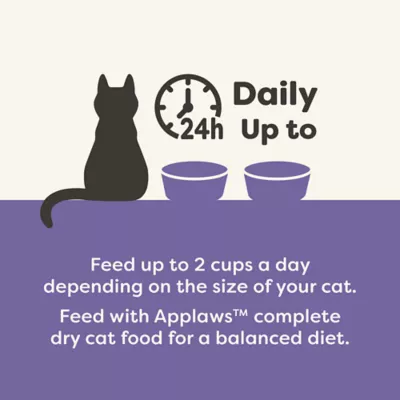
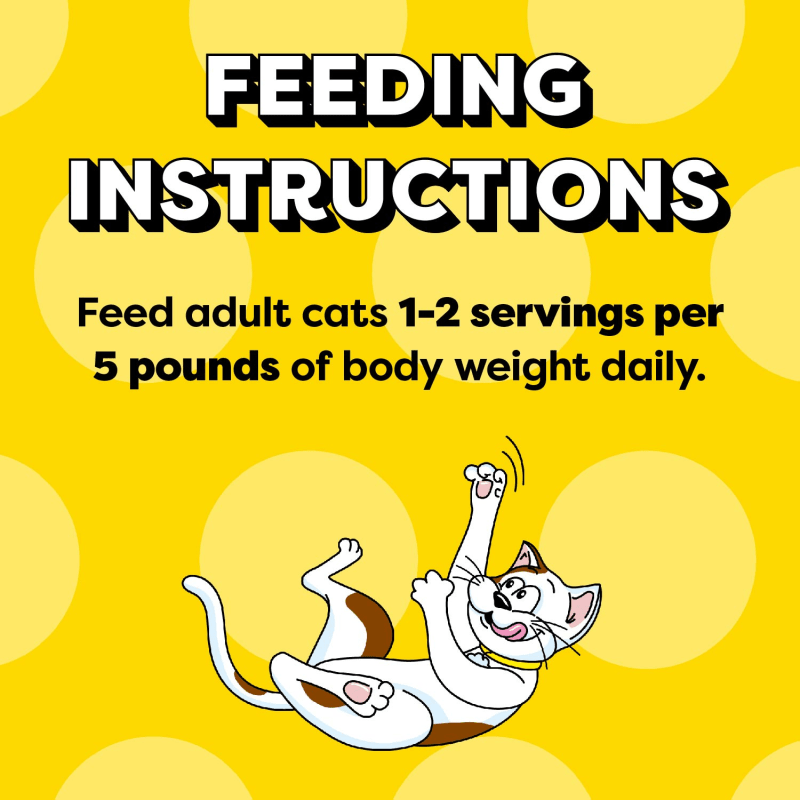
Portion size is crucial to prevent overeating and maintain a healthy weight. Start by checking the packaging for recommended serving sizes based on your cat's weight. From there, you can adjust depending on their activity level and appetite. Do they leave food in the bowl or clean it out completely? Use these clues to refine portion sizes.
Age And Health Considerations
Age and health significantly influence feeding frequency. Kittens may require more frequent feedings due to their rapid growth and high energy needs. Meanwhile, senior cats or those with specific health conditions might benefit from smaller, more frequent meals. Consult with your vet to tailor a plan that supports your cat’s unique needs. Are there any health concerns that might alter typical feeding patterns?
Balancing Wet And Dry Food
Balancing your cat's diet with wet and dry food is essential. Offer wet food two to three times a week. This helps maintain hydration and supports their overall health.
Balancing Wet and Dry Food Finding the right balance of wet and dry food is essential. Wet food keeps your cat hydrated. It provides essential nutrients. Dry food helps maintain dental health. It is also convenient for busy days. A balanced diet keeps your cat healthy and happy.
Creating A Balanced Diet
A mix of wet and dry food offers variety. Cats enjoy diverse textures and flavors. Aim for a ratio that suits your cat's needs. Some cats prefer more wet food. Others might like more dry food. Adjust based on your cat's preference and health.
Transitioning Between Foods
Switching between wet and dry food requires patience. Gradually introduce new food over a week. Mix a little new food with the old. Slowly increase the new food amount. Watch for any digestive issues. Your cat will adapt over time.
Identifying Preferences
Observe your cat's eating habits. Notice which type they eat more eagerly. Offer both types in small amounts. See which one disappears first. Adjust the balance based on their choice. A happy cat is a healthy cat.
Signs Of Overfeeding Or Underfeeding
Feeding your cat the right amount of wet food is crucial. Too much or too little can lead to issues. Understanding the signs of overfeeding or underfeeding helps maintain their health. Observing weight changes, behavior shifts, and health problems provides insights into their diet needs.
Weight Fluctuations
Check your cat’s weight regularly. Sudden weight gain may indicate overfeeding. If they lose weight rapidly, it could mean they’re not eating enough. Weigh them monthly to track any changes. Adjust their food portions accordingly.
Behavioral Changes
Notice any changes in their behavior. Overfed cats might seem lethargic or disinterested in play. Underfed cats often act restless or anxious. Look for signs of increased aggression or vocalization. These behaviors signal dietary issues.
Health Concerns
Monitor their health for signs of trouble. Overfed cats risk diabetes and joint problems. Underfed cats can suffer from malnutrition. Pay attention to their coat condition and energy levels. Regular vet visits help catch issues early. Proper feeding ensures long-term health.
Consulting A Veterinarian
When deciding how often to give your cat wet food, consulting a veterinarian can be a game-changer. Veterinarians have the expertise to understand your pet's unique needs and can provide guidance that is tailored specifically to your cat. This ensures your feline friend receives the nutrition they need for a healthy, happy life.
Customized Feeding Plans
Every cat is unique, and so are their dietary requirements. A veterinarian can help you create a customized feeding plan that considers your cat's age, activity level, and health status. This personalized approach ensures your cat gets the right balance of nutrients and calories.
Addressing Dietary Needs
Cats may have specific dietary needs based on health conditions like obesity, diabetes, or kidney disease. A vet can identify these needs and suggest the right type and amount of wet food. This targeted advice can improve your cat’s health and well-being significantly.
Monitoring Health Progress
Regular check-ups with your vet can help you monitor your cat's health progress. They can assess if the current feeding schedule is working or needs adjustments. This proactive approach can prevent potential health issues and keep your cat in optimal health.
Have you ever wondered if your cat's feeding routine is truly meeting their needs? Consulting a veterinarian can provide the peace of mind that you're doing everything possible for your furry companion's health.
Tips For Choosing Quality Wet Food
Choosing quality wet food for your cat ensures they get necessary nutrients. Not all wet foods are equal, so careful selection is vital. Here are some tips to guide you in choosing the best wet food.
Reading Labels
Labels provide crucial information about the food's ingredients and nutrition. Look for meat as the first ingredient. This indicates high-quality protein content. Check for a complete and balanced label. It ensures the food meets all dietary needs. Avoid foods with vague ingredient descriptions. Specificity in labels suggests quality and transparency.
Avoiding Harmful Ingredients
Some ingredients can harm your cat's health. Avoid artificial preservatives like BHA and BHT. These can be toxic over time. Steer clear of artificial colors and flavors. They offer no nutritional benefits and may harm your cat. Look out for high sodium levels. Excessive salt can lead to health issues.
Considering Brand Reputation
Brand reputation speaks volumes about product quality. Research brands with positive reviews and long-standing history. Trusted brands invest in quality ingredients and safety standards. Check for recalls associated with the brand. Frequent recalls can indicate quality issues. Opt for brands recommended by veterinarians. They usually uphold higher nutritional standards.
Credit: www.temptationstreats.com
Frequently Asked Questions
Should You Give Cats Wet Food Every Day?
Yes, you can feed cats wet food every day. Wet food provides essential hydration and nutrients. Ensure it's balanced and high-quality. Consult your veterinarian for personalized feeding recommendations.
How Often Should Cats Eat Wet Food?
Cats can eat wet food daily, depending on their dietary needs. Consult your vet to determine the right portion size and frequency. Wet food provides hydration and essential nutrients, making it an excellent addition to your cat's diet. Adjust feeding based on your cat's age, activity level, and health conditions.
Is Wet Food Better Than Dry Food For Cats?
Wet food is often more beneficial due to its high moisture content. It helps with hydration and is closer to a cat's natural diet. However, the best choice depends on your cat's specific needs, preferences, and any health conditions. Consult your vet for personalized advice.
Can I Mix Wet And Dry Cat Food?
Yes, mixing wet and dry cat food is common and beneficial. It combines the hydration benefits of wet food with the convenience of dry kibble. Ensure the combined portions meet your cat’s nutritional needs. Always transition gradually to prevent digestive issues.
Conclusion
Finding the right balance in feeding wet food is crucial. Cats need variety for balanced nutrition. Wet food offers hydration and nutrients. Consider your cat's age, health, and preferences. Adjust portions to maintain a healthy weight. Consult your vet for personalized advice.
Observe your cat's reactions and adjust as needed. Remember, moderation is key. Wet food can be a tasty treat or regular meal. Keep your furry friend happy and healthy. A little planning goes a long way. Happy feeding!