

Have you ever found yourself worrying about what your cat eats? You're not alone.
Many cat owners struggle to ensure their feline friends get the right nutrition. Cats can be notoriously picky eaters, making it tough to guarantee they're getting all the nutrients they need to thrive. But what if you could gently guide your cat's eating habits to improve their health and happiness?
Imagine having peace of mind knowing your cat is enjoying a balanced diet that supports their energy levels, coat health, and overall vitality. This article will show you how to take control of your cat's nutrition, even if they have a stubborn streak. You'll discover practical tips and tricks to make mealtime a breeze, transforming your cat's diet without stress or fuss. Don't let another day go by worrying about your cat's eating habits. Dive into the world of feline nutrition and learn how to provide your pet with the best possible diet, ensuring they live a long, healthy, and happy life. Keep reading to uncover the secrets of cat nutrition that every pet owner should know!
Credit: www.chewy.com
Understanding Cat Nutrition
Understanding cat nutrition means providing balanced meals with essential nutrients. A healthy diet supports their energy and well-being.
Understanding Cat Nutrition Cats are unique creatures with specific dietary needs. Their diet influences their health, energy, and lifespan. Knowing what to feed your cat ensures they get the nutrients they need. This guide covers the basics of cat nutrition.
Nutritional Needs Of Cats
Cats are obligate carnivores. They need protein from meat to thrive. Their bodies require certain amino acids found only in animal proteins. Taurine is essential for heart and eye health. Fats provide energy and help absorb vitamins. Cats need vitamin A from animal sources. Plant-based sources don't work for them. Water is crucial for hydration and kidney health.
Common Nutritional Deficiencies
Cats can suffer from several deficiencies. Lack of taurine leads to heart issues. Insufficient vitamin A affects vision and skin health. Calcium deficiency can cause weak bones. Omega-3 fatty acids are vital for a healthy coat. A diet low in protein can lead to muscle loss. It's important to provide a balanced diet to avoid these issues. Understanding cat nutrition is key to a healthy, happy feline.
Choosing The Right Cat Food
Choosing the right cat food is vital for your pet's health. Cats need balanced nutrition to thrive. With so many options, it can be overwhelming. Understanding the basics helps make informed decisions. Let's explore some key aspects.
Wet Vs. Dry Food
Wet food contains more moisture than dry food. This helps cats stay hydrated. It often has higher protein levels, which cats need. Dry food is more convenient to store. It can be left out without spoiling. Some cats prefer the crunch of dry food. Consider your cat's preference and health needs. Mixing both can offer variety and balance.
Reading Labels And Ingredients
Labels provide essential information. Check for the first ingredient. It should be a named animal protein, like chicken or fish. Avoid foods with vague terms like "meat meal." Look for complete and balanced formulas. These meet all nutritional requirements. Keep an eye on preservatives and fillers. Natural options are usually better. Understanding labels ensures your cat gets quality food.
Incorporating Supplements
Enhancing cat nutrition with supplements requires careful selection tailored to feline needs. Choose supplements that complement their diet and boost overall health. Consult with a vet for guidance on the right choices.
Incorporating supplements into your cat's diet can boost their overall health. Supplements fill nutritional gaps and ensure your cat gets essential nutrients. They can improve skin, coat, and general well-being. Here, we explore some key supplements for cats.
Essential Vitamins And Minerals
Cats need specific vitamins and minerals to thrive. Vitamin A supports eye health and immune function. Vitamin D helps with calcium absorption, strengthening bones. Minerals like calcium and phosphorus are crucial for bone development. Taurine is vital for heart and vision health in cats. A balanced diet with these nutrients ensures a healthy and happy cat.
Benefits Of Omega-3 Fatty Acids
Omega-3 fatty acids support your cat's health. They improve skin and coat condition, reducing shedding and dryness. Omega-3s also support joint health, making them beneficial for older cats. They reduce inflammation, which can help with arthritis. Adding these fatty acids to your cat's diet enhances their overall well-being.
Addressing Special Dietary Needs
Cats have unique dietary needs. Addressing these ensures their health and happiness. Special dietary needs vary among cats. Factors include age, weight, and health conditions. Understanding these needs helps you provide the right nutrition.
Managing Obesity
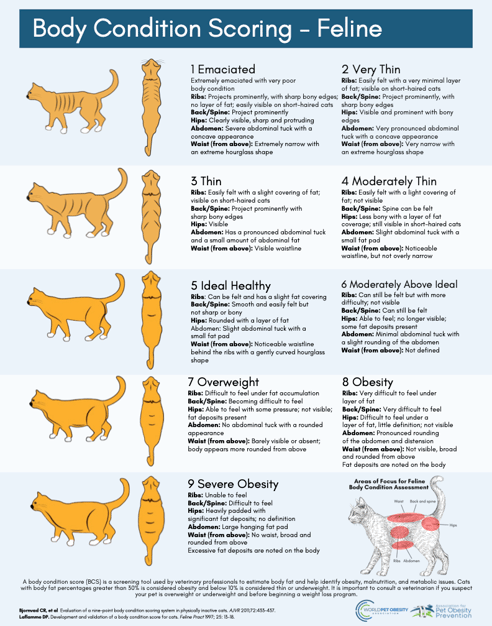
Obesity in cats can lead to serious health issues. Adjust their diet to manage weight effectively. Choose low-calorie, high-protein foods. This keeps them full without gaining weight. Monitor their portion sizes carefully. Smaller meals more frequently can help. Regular exercise also supports weight management. Interactive toys or play sessions encourage physical activity.
Supporting Digestive Health
Digestive health is crucial for cats. Some have sensitive stomachs or food allergies. Opt for easily digestible foods. These reduce stress on their digestive system. Look for foods with prebiotics and probiotics. These enhance gut health. Avoid artificial additives that may upset their stomach. Hydration plays a role in digestion. Ensure they have constant access to fresh water.
Creating A Feeding Routine
Creating a feeding routine helps manage a cat's nutrition effectively. Offer balanced meals at set times daily. Consistency supports a healthy diet and stable eating habits.
Creating a feeding routine for your cat is crucial for their health. A structured schedule helps cats feel secure and balanced. It ensures they receive essential nutrients at the right time. Consistency in feeding times can also prevent overeating and obesity. Let's explore how you can establish a proper feeding routine for your feline friend.
Establishing Meal Times
Setting specific meal times is vital for a cat's health. Cats are creatures of habit and thrive on routine. Choose regular times that fit your daily schedule. Feed them twice a day, morning and evening, for balance. Stick to these times to create predictability for your cat.
Monitoring Portion Sizes
Proper portion sizes prevent obesity and ensure nutrient balance. Check with your vet for recommended serving sizes. Cats' needs vary based on age, weight, and activity level. Use a measuring cup for accuracy. Avoid overfeeding by offering treats sparingly. Adjust portions if your cat gains or loses weight unexpectedly.
Credit: www.tiktok.com
Encouraging Healthy Eating Habits
Cats are known for their finicky eating habits. Encouraging healthy eating can be a challenge. Providing balanced nutrition is crucial for their well-being. It's important to establish good habits early. This will help prevent potential health issues.
Offer a variety of high-quality cat foods. This ensures all nutritional needs are met. Observe your cat's preferences and adjust accordingly. Creating a feeding schedule helps maintain consistency. Avoid free-feeding to control calorie intake. Consistent mealtimes create a routine cats thrive on. Fresh water should always be available.
Avoiding Overfeeding
Overfeeding can lead to obesity and health problems. Measure food portions carefully. Follow guidelines on the food packaging. Cats' activity levels affect their calorie needs. Adjust portions based on their energy use. Use feeding toys to slow down eating. This also provides mental stimulation.
Recognizing Signs Of Poor Nutrition
Poor nutrition can manifest in various ways. Look out for a dull coat or excessive shedding. Weight loss or gain should be monitored closely. Changes in stool consistency might indicate a problem. Lethargy or decreased activity can signal nutritional deficiencies. Regular vet check-ups ensure your cat stays healthy.
Consulting With A Veterinarian
Consulting with a veterinarian is crucial for cat nutrition. They offer expert guidance. This ensures your feline friend gets the right nutrients. A vet can assess your cat's health and dietary needs. They can identify any underlying issues affecting nutrition. Regular consultations with a vet help in creating a balanced diet plan. This promotes overall well-being and longevity for your cat.
Regular Check-ups
Regular check-ups allow your vet to monitor your cat's health. These visits help detect any changes in weight or behavior. Early detection of health issues is possible with routine examinations. A vet can adjust dietary recommendations as needed. This keeps your cat healthy and prevents future problems. Regular vet visits build a history of your cat’s health. This is vital for making informed dietary decisions.
Tailoring Diet To Medical Conditions
Cats with medical conditions need special diets. A veterinarian can diagnose these conditions. They recommend diets that address specific health needs. Cats with kidney issues may require low-protein diets. Cats with diabetes might need high-protein, low-carb meals. Tailoring the diet helps manage these conditions effectively. It improves your cat's quality of life.
Credit: www.preventivevet.com
Frequently Asked Questions
How To Force A Cat To Eat When Sick?
Encourage your sick cat to eat by offering wet food or warming it slightly. Try hand-feeding small portions. Use low-sodium chicken broth or tuna juice to enhance flavor. Consult a vet for appetite stimulants if needed. Always ensure your cat stays hydrated while recovering from illness.
How To Feed A Cat That Doesn't Want To Eat?
Warm the cat's food slightly to enhance aroma. Offer wet food or tuna to entice them. Ensure a stress-free environment. Hand-feed small amounts if necessary. Consult a vet if the issue persists.
How To Get A Malnourished Cat To Eat?
Offer small, frequent meals of high-calorie wet food. Warm the food slightly to enhance aroma. Add chicken broth or tuna juice for flavor. Use appetite stimulants if prescribed by a vet. Ensure a stress-free, calm feeding environment.
How Can I Stimulate My Cat's Appetite?
Offer wet food or warm it slightly to enhance aroma. Try different flavors to find favorites. Serve smaller portions frequently. Use interactive feeders or puzzle toys. Ensure a calm eating environment.
Conclusion
Ensuring your cat gets proper nutrition is crucial. Start with balanced meals. Include proteins, vitamins, and minerals. Monitor your cat's reaction to new foods. Adjust portions as needed. Always consult your vet for advice. Keep food fresh and appealing. Cats can be picky eaters.
Patience is key. Gradual changes often work best. Observe your cat's health and energy levels. A healthy diet means a happy, active cat. Keep learning and adapting. Your cat's well-being depends on it.
