
Imagine watching your cat thrive on a diet that aligns with your ethical choices, without compromising its health. If you're considering vegan cat food, you're likely filled with questions about nutritional balance and whether it's the right choice for your feline friend.
You care deeply about your pet's well-being and want to make informed decisions. This article is here to help you navigate the complexities of vegan cat food and understand if it truly meets the nutritional needs of your cat. Unlock the secrets to a healthier, happier pet by diving deeper into this topic with us.
Your cat's health is in your hands, and you deserve to know if vegan cat food is the key to a balanced diet.
What Is Vegan Cat Food?
Vegan cat food has become a buzzworthy topic among pet owners. It's a diet designed to align with ethical beliefs while catering to our feline friends. But what exactly makes up vegan cat food, and is it a viable option for your pet's health?
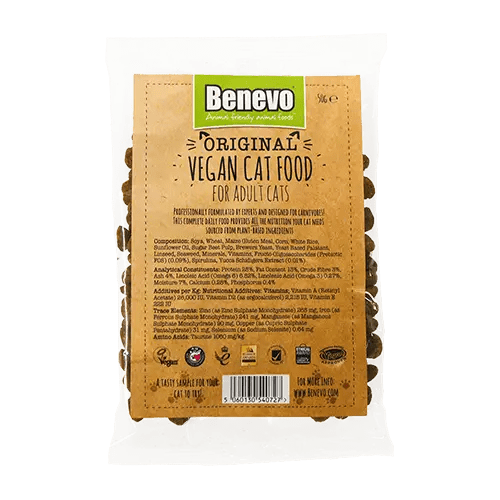
Vegan cat food is crafted entirely from plant-based ingredients. Unlike traditional cat food that includes animal products, vegan options rely on proteins from plants and synthetic nutrients. This diet aims to meet all the nutritional needs of cats, who are naturally carnivorous.
Manufacturers often use ingredients like peas, lentils, and quinoa. These components are chosen to mimic the protein content found in meat. However, ensuring that these plant-based alternatives provide the complete amino acid profile that cats require is a significant challenge.
To bridge this nutritional gap, vegan cat food brands incorporate supplements. These include taurine and vitamin B12, which are crucial for a cat's health and typically found in animal tissues. The inclusion of these supplements ensures the diet is balanced, despite its plant-based nature.
But is vegan cat food truly beneficial for cats? The answer isn't straightforward. While some cats may thrive on a vegan diet, others might not adapt as well. Observing your cat's health and consulting with a veterinarian are essential steps in making this dietary transition.
As a pet owner, you want the best for your feline companion. Would you consider switching to vegan cat food if it aligned with your ethical beliefs? Or do you believe that sticking with traditional options is safer for their health? The choice is complex, with no one-size-fits-all answer.

Credit: myaistra.com
Nutritional Needs Of Cats
Cats are carnivores. They need specific nutrients to thrive. Ensuring a balanced diet for them is crucial. A vegan diet for cats raises many questions. Can it meet their needs? Let's explore the essential nutrients.
Essential Nutrients
Cats need several key nutrients. These include vitamins, minerals, and amino acids. Vitamin A is vital for vision and skin health. Cats cannot convert beta-carotene into vitamin A. They need it in its active form. Calcium and phosphorus support strong bones. They must be in the right balance. Omega-3 and omega-6 fatty acids are important. They help maintain healthy skin and coat.
Protein Requirements
Cats need high protein levels. Protein is crucial for muscle maintenance and energy. Animal-based proteins contain essential amino acids. These are often more digestible for cats. Plant-based proteins might lack some amino acids. Ensuring protein sources meet their needs is important.
Role Of Taurine
Taurine is an essential amino acid for cats. It supports heart health and vision. Cats cannot produce taurine naturally. They must get it from their diet. Taurine is abundant in animal tissues. Vegan diets need careful formulation to include taurine. Supplementation may be necessary to prevent deficiencies.
Formulating Vegan Cat Food
Formulating vegan cat food raises concerns about its nutritional balance. Ensuring a complete diet for cats is crucial. Careful ingredient selection is vital to meet all dietary needs.
Formulating vegan cat food requires careful attention to nutritional needs. Cats are obligate carnivores, needing specific nutrients from animal sources. Creating a balanced vegan diet involves mimicking these nutrients through plant-based means.
Plant-based Ingredients
Plant-based proteins provide essential amino acids. Lentils, chickpeas, and peas are common sources. These offer good protein levels and fiber. Quinoa and soy can also be included. They supply necessary energy and nutrients.
Supplements And Additives
Vegan diets often need specific supplements. Taurine and vitamin B12 are critical for cats. These are usually found in animal tissues. Synthetic versions help meet dietary needs. Omega-3 fatty acids from algae are also essential. They support heart and brain health.
Balancing The Diet
Balancing a vegan cat diet is complex. Every meal must offer complete nutrition. Regular vet check-ups ensure the diet meets health standards. Adjusting recipes based on health feedback is important. Monitoring energy and weight helps maintain balance.
Pros Of Vegan Cat Food
Vegan cat food offers balanced nutrition with essential vitamins and minerals. It supports a healthy lifestyle and reduces environmental impact. Cats can thrive on plant-based diets when properly formulated by experts.
Pros of Vegan Cat Food Vegan cat food is gaining popularity. It offers various benefits that attract pet owners. Understanding these advantages can help make informed choices for your feline friend.
Environmental Impact
Vegan cat food reduces the demand for meat production. This can lower greenhouse gas emissions significantly. Plant-based diets require less land and water. They also produce fewer pollutants. Feeding cats vegan food can contribute to a more sustainable planet. This choice supports environmental preservation efforts.
Ethical Considerations
Choosing vegan food for cats aligns with animal welfare ideals. It reduces the need for farming animals for pet food. Many pet owners feel that vegan cat food respects animal rights. It promotes compassion towards all living beings. Ethical choices in pet diets reflect personal values. They allow for a cruelty-free lifestyle.
Potential Health Benefits
Vegan cat food may offer health advantages. It can be formulated to meet nutritional needs. Some cats thrive on balanced plant-based diets. These foods often contain essential vitamins and minerals. They may help reduce allergies linked to meat proteins. Owners report improved digestion and coat condition.
Cons Of Vegan Cat Food
Vegan cat food is a growing trend among pet owners. But it comes with concerns. Many wonder if it meets all a cat's needs. Here are some drawbacks of feeding cats a vegan diet.
Nutritional Deficiencies
Cats are obligate carnivores. They need nutrients only found in animal products. Vegan diets may lack essential amino acids like taurine. A deficiency in taurine can lead to heart problems and vision loss. Without animal protein, getting enough vitamin B12 is tough. This vitamin is crucial for nerve health and red blood cells. Synthetic supplements might help, but they may not be as effective.
Digestive Issues
Feline digestive systems are tailored for meat. Plant-based diets can cause stomach upset. Cats might experience diarrhea or constipation. Their bodies may struggle to absorb nutrients from plants. This can lead to malnutrition over time. Some cats may reject vegan food altogether. Their natural instincts drive them to seek animal protein.
Veterinary Concerns
Many vets caution against vegan diets for cats. They worry about long-term health risks. Regular check-ups become crucial for vegan-fed cats. Blood tests might be needed to check nutrient levels. Some vets may suggest mixing vegan with traditional food. This ensures a balance of nutrients.
Scientific Studies And Findings
Scientific research into vegan diets for cats is growing. Many people wonder if cats can thrive on plant-based diets. Cats are obligate carnivores, meaning they need certain nutrients from animal sources. But vegan cat food aims to meet these needs with supplements.
Research On Vegan Diets For Cats
Several studies explore vegan diets for cats. They assess the nutritional adequacy of these diets. Some research indicates that well-formulated vegan cat food can meet feline nutritional requirements. These studies often focus on important nutrients like taurine and vitamin B12. Vegan diets for cats must include these essential nutrients. Proper formulation ensures cats remain healthy on such diets.
Case Studies And Examples
Case studies provide insight into vegan diets for cats. Some pet owners report healthy cats on vegan diets. They share stories of improved health and vitality. These examples highlight the potential of vegan cat food. Yet, every cat is unique, and results can vary. Some cats may thrive, while others may not adapt well. Observing your cat's health and consulting a vet are crucial steps.
Veterinary Perspectives
Exploring vegan cat food raises questions about nutritional balance. Cats need specific nutrients like taurine and vitamin B12. Ensuring these are included in vegan options is crucial for their health.
Veterinary perspectives on vegan cat food often stir debates among pet owners and animal health professionals. Many vets express concerns over whether plant-based diets can meet the nutritional needs of obligate carnivores like cats. While some advocate for cautious exploration, others remain skeptical, emphasizing the potential risks involved.
Expert Opinions
Veterinarians are divided on the issue of vegan cat food. Some experts, like Dr. Jane Doe, a feline nutritionist, argue that cats require specific nutrients typically found in animal products, such as taurine and arachidonic acid. She points out that deficiencies in these nutrients can lead to severe health issues, including heart disease and vision problems. On the other hand, there are vets who believe that with careful formulation, a vegan diet can be safe for cats. Dr. John Smith, a proponent of plant-based diets, highlights advancements in synthetic nutrients that can potentially mimic the benefits found in meat. However, he cautions that not all commercial vegan cat foods are created equal, and thorough research is essential.
Recommendations For Cat Owners
If you're considering a vegan diet for your cat, consult with a vet who understands both feline nutrition and vegan diets. Ask about the nutritional completeness of specific brands and whether they meet the Association of American Feed Control Officials (AAFCO) standards. Regular health check-ups and blood tests are crucial to ensure your cat remains healthy on a vegan diet. Consider starting slowly by introducing vegan food alongside their regular diet. Monitor your cat for any changes in behavior, energy levels, or physical condition. Engaging with online forums and communities can provide support and insights from other cat owners who have made similar dietary choices. Have you ever wondered how your cat might respond to a new diet? The journey might surprise you, revealing unexpected preferences and health benefits. Whatever choice you make, ensure it aligns with your cat's specific needs and wellbeing.
Credit: myaistra.com
Choosing The Right Vegan Cat Food
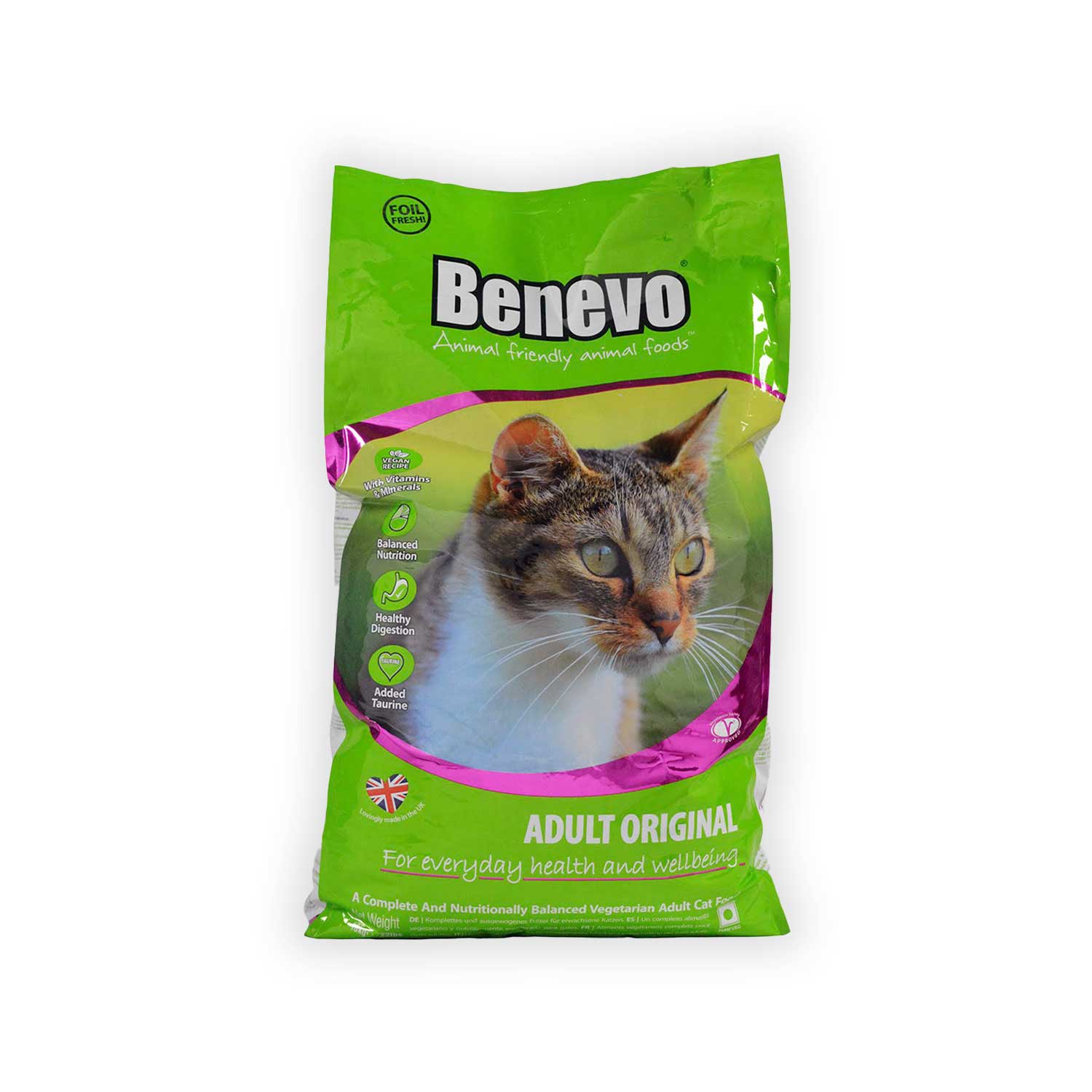
Choosing the Right Vegan Cat Food Vegan cat food must be nutritionally balanced to keep your feline healthy. Check for essential nutrients like taurine and protein. Consulting with a vet ensures your cat gets the needed nutrients without animal products.
Choosing the right vegan cat food requires careful consideration. Cats have specific dietary needs. A balanced vegan diet can be challenging. But it's possible with the right approach.
Reading Labels
Reading labels is crucial for selecting vegan cat food. Look for essential nutrients like taurine and vitamin B12. Check for protein sources like soy or pea protein. Avoid food with excessive fillers or artificial additives. Labels often list ingredients in order of quantity. Prioritize foods where the main ingredients are high-quality proteins.
Trusted Brands
Choose trusted brands with a good reputation. These brands often ensure nutritional completeness. They may invest in research and quality control. Look for brands with positive reviews and transparent practices. Websites and online forums can provide valuable insights. A brand known for quality and safety is a safer bet.
Consulting With A Veterinarian
Consulting with a veterinarian is essential before switching diets. They can provide guidance tailored to your cat's needs. A vet can recommend specific brands or supplements. Regular check-ups ensure your cat remains healthy on a vegan diet. They can monitor for any deficiencies or health issues. A professional opinion is always worth considering.
Future Of Vegan Cat Food
Vegan cat food seeks to balance nutritional needs with plant-based ingredients. Key nutrients like taurine and protein are essential. Cat owners should ensure these are included in the diet for feline health.
The future of vegan cat food is promising and evolving. As more pet owners seek plant-based diets for their furry companions, innovations in this area grow. Companies are exploring new ways to ensure cats receive all essential nutrients while sticking to vegan ingredients.
Innovations In Pet Nutrition
Pet food companies are researching vegan alternatives to traditional ingredients. They focus on providing complete nutrition without using animal products. New technologies are helping create formulas that meet the dietary needs of cats. Scientists are studying plant proteins and supplements to replace animal-based nutrients. This research is vital to ensure cats remain healthy on a vegan diet.
Trends In Pet Food Industry
The pet food industry is seeing a rise in vegan options. Many brands now offer plant-based cat food lines. This shift is driven by increased demand from environmentally-conscious consumers. People want their pets' diets to align with their own ethical choices. Social media and online communities are spreading awareness about vegan pet food. As awareness grows, more companies are likely to invest in vegan products. This trend reflects a broader move towards sustainable living.

Credit: www.amazon.com
Frequently Asked Questions
Can Cats Be Healthy On A Vegan Diet?
Cats cannot thrive on a vegan diet. They require essential nutrients found only in animal products. Taurine, vitamin A, and arachidonic acid are vital for their health. Vegan diets can lead to serious health issues. Consult your veterinarian for appropriate dietary advice for your cat.
Why Don't Vets Recommend Grain Free Cat Food?
Vets often avoid grain-free cat food due to potential links with heart disease. Cats need taurine, found in grains. Grain-free diets may lack essential nutrients, which can lead to health issues. Balanced nutrition is crucial for feline health, so consulting a vet for dietary advice is recommended.
What Is Considered A Balanced Diet For A Cat?
A balanced diet for a cat includes protein, fat, and essential vitamins. Cats need high-quality animal-based protein. Avoid fillers like corn. Fresh water is vital. Ensure taurine, an essential amino acid, is present. Consult a vet for personalized advice. A healthy diet maintains weight and supports overall well-being.
Is There A Downside To A Vegan Diet?
A vegan diet may lead to nutrient deficiencies like vitamin B12, iron, and omega-3. It's crucial to plan meals carefully. Consuming fortified foods or supplements can help meet nutritional needs. Consulting a nutritionist ensures a balanced diet, preventing potential health issues linked to veganism.
Conclusion
Vegan cat food can meet a cat's nutritional needs. Quality ingredients are essential for balanced meals. Always check for taurine and essential amino acids. These are crucial for cat health. Consult your vet for advice on diet changes. Cats have unique dietary requirements.
Regular monitoring ensures they stay healthy. Choose brands with proven nutritional value. Research is important before switching food types. A balanced vegan diet can support your cat's well-being. Prioritize health over trends. Your cat's long-term health matters most.
