

Are you wondering how much wet food to feed your cat? You're not alone.
Many cat owners find themselves puzzled over the right portion sizes for their feline friends. Feeding your cat the right amount of wet food is crucial for their health and happiness. Too little, and your cat might not get the nutrients they need.
Too much, and they could end up overweight and sluggish. You're about to discover the secrets to keeping your cat well-nourished without any guesswork. Imagine the peace of mind knowing your furry friend is eating just the right amount. Dive into this article to find the answers you've been searching for and ensure your cat's optimal health and vitality.
Benefits Of Wet Cat Food
Wet cat food offers hydration and helps maintain a healthy weight. Feeding the right amount ensures your cat gets essential nutrients.
Wet cat food offers numerous benefits for our feline friends. It's rich in moisture, helping cats stay hydrated. Cats often don't drink enough water, so wet food can be crucial. This hydration supports kidney health and prevents urinary tract issues. Wet food generally contains higher protein levels. Cats are carnivores and thrive on protein. This enhances muscle growth and energy levels. Additionally, wet food often has fewer carbs. Cats need more protein and fewer carbs for optimal health. The texture and aroma of wet food can be more appealing. Picky eaters might find it irresistible. Wet food also aids in weight management. It tends to be lower in calories compared to dry food.
Rich In Moisture
Wet cat food contains a high water content. This helps keep cats hydrated. Hydration is vital for kidney health. Proper moisture intake prevents urinary tract problems. Many cats don't drink enough water daily. Wet food compensates for this lack. It's an easy way to ensure they stay hydrated.
High Protein Content
Cats need protein for energy and muscle growth. Wet food often has more protein than dry food. This supports a cat's natural dietary needs. Protein-rich diets improve overall health. Active cats especially benefit from high protein levels.
Lower Carbohydrates
Wet food usually has fewer carbs. Cats thrive on protein, not carbohydrates. Lower carbs help maintain a healthy weight. This is crucial for indoor cats. Wet food aligns with their natural diet.
Appealing Texture And Aroma
The texture of wet food is soft and flavorful. It often smells stronger than dry food. This can entice picky eaters. Cats with dental issues might find it easier to chew. Wet food makes mealtime more enjoyable.
Assists In Weight Management
Wet food is often lower in calories. This helps manage a cat's weight effectively. Portion control becomes easier with wet food. Ideal for cats prone to obesity. It contributes to a balanced diet.
Credit: aimextools.com
Determining The Right Amount
Finding the correct portion of wet food for cats is essential. Consider their age, weight, and activity level. Consult a vet for tailored advice, ensuring a balanced diet for your feline friend.
Determining the right amount of wet food for your cat can seem daunting. Cats have unique dietary needs, influenced by several factors. Finding the perfect portion ensures your cat stays healthy and satisfied. Balancing these factors is key to your cat's well-being.
Factors Influencing Portion Size
Several elements affect how much wet food a cat needs. Body weight is crucial; larger cats usually require more food. Metabolism also plays a role, with some cats burning energy faster than others. Health conditions can change dietary needs, like diabetes or thyroid issues. Consult your vet for guidance based on your cat's health.
Age And Life Stage Considerations
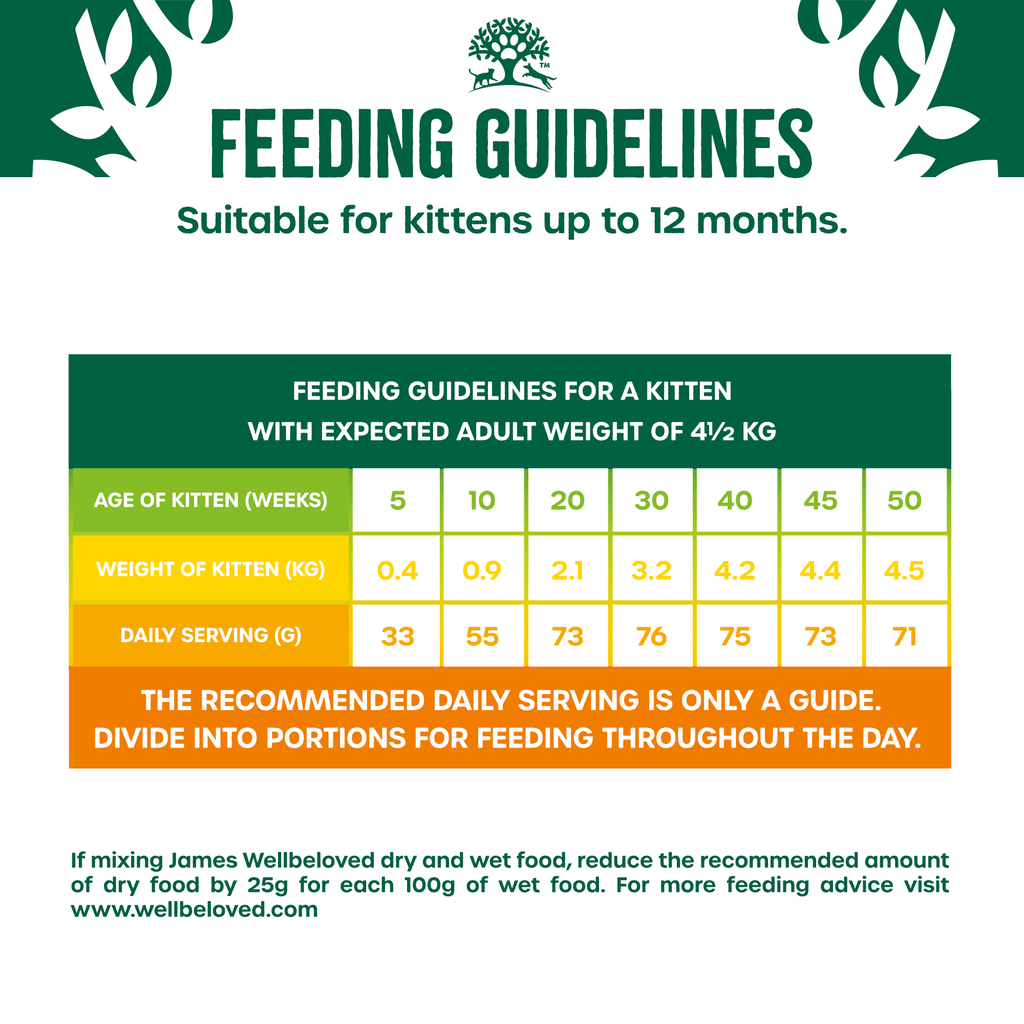
Age impacts how much food your cat needs. Kittens require more food for growth and energy. Adult cats need balanced portions to maintain weight. Senior cats often eat less, needing fewer calories. Their activity level may decrease, affecting portion size. Adjust food amounts based on their life stage.
Activity Level Impact
A cat's activity level significantly affects portion size. Active cats burn more calories, needing larger portions. Lazy cats might need less food to avoid weight gain. Indoor cats often have lower activity levels than outdoor cats. Monitor your cat's activity to determine the right food amount.
Feeding Schedule
Creating a feeding schedule for your cat is crucial. It ensures they receive the right nutrients at the right time. A consistent routine helps maintain their health and well-being. Wet food can be a great addition to your cat's diet. It’s important to know how much and when to feed it.
Frequency Of Meals
Adult cats usually eat twice a day. Kittens need food more often, about three to four times daily. Wet food can be given during these meals. It’s vital to keep meal times consistent each day.
Incorporating Wet Food Into Routine
Introduce wet food gradually. Start by mixing it with their regular diet. Observe how your cat reacts. Ensure they enjoy the taste and texture. Slowly increase the amount of wet food over time. Keep an eye on their weight and health.
Mixing Wet And Dry Food
Determining the right amount of wet food for your cat is essential. Mix wet and dry food to balance nutrition. Typically, feed your cat about three ounces of wet food per meal, adjusting based on size and activity level.
Mixing wet and dry food for your cat can be a great way to ensure they get a balanced diet while enjoying a variety of flavors and textures. Many cat owners have found success in combining these food types, tailoring meals to their feline's preferences and nutritional needs. This approach might seem simple, but it's important to consider several factors to make it effective.
Pros And Cons
Mixing wet and dry food offers several advantages. It provides your cat with a diverse range of nutrients and helps maintain their interest in mealtime. Wet food adds moisture to their diet, which can be beneficial for cats who don't drink enough water. However, there are also challenges to consider. Wet food can spoil quickly if left out too long, and some cats may prefer one type of food over the other, leading to unbalanced meals. It's crucial to monitor your cat's eating habits to ensure they're getting the right mix.
Balancing Nutritional Needs
To achieve a balanced diet, consider the nutritional content of both wet and dry foods. Wet food is typically lower in carbohydrates and higher in protein, while dry food often contains more carbohydrates and essential vitamins. A good strategy is to calculate the calories and nutrients in both types of food to meet your cat's daily requirements. You might start by offering a larger portion of dry food in the morning and a smaller serving of wet food in the evening. Have you considered how your cat's age and activity level might affect their dietary needs? Kittens and active cats may require more protein and calories, while older or less active cats might benefit from a diet lower in calories. Adjusting the ratio of wet to dry food can help meet these needs effectively.
Reading Food Labels
Reading food labels is crucial for feeding your cat the right amount of wet food. Labels provide essential information about ingredients and calories. Understanding these details helps you make informed choices for your cat's diet.
Key Ingredients To Look For
Check for high-quality protein sources like chicken or fish. These should be the first ingredients listed. Avoid fillers like corn or wheat. They offer little nutritional value. Look for added vitamins and minerals. They support your cat's health.
Understanding Caloric Content
Calories per serving tell you how much energy your cat gets. Compare the caloric content with your cat's needs. This prevents overfeeding. Look for the feeding guidelines on the label. They suggest daily portions based on your cat's weight.
Credit: stellarnook.com
Monitoring Health And Weight
Determining the right amount of wet food for cats requires considering their weight and activity level. Typically, cats need about 3 ounces of wet food per 3 to 3. 5 pounds of body weight. Regular monitoring can ensure a balanced diet and maintain a healthy weight.
Monitoring Health and Weight Cats need balanced diets to stay healthy. Wet food is beneficial, but portion control is vital. Monitoring your cat's health and weight helps ensure proper feeding. Pay attention to your cat's body condition and activity level. Both factors determine how much wet food they should eat. Regular checks can prevent weight issues and support overall health.
Signs Of Overfeeding
Overfeeding can lead to weight gain and health problems. Notice if your cat is getting lethargic or gaining weight quickly. Check for visible ribs under their fur and a defined waistline. A round belly might indicate excess food intake. Watch for changes in their coat condition and energy levels. Increased water intake can also be a sign of overfeeding. These indicators help gauge if your cat's diet needs adjustment.
Adjusting Portions For Weight Management
Adjust portions to maintain a healthy weight. Start by reducing the amount of wet food slightly. Observe your cat's response to the new portions. If weight stabilizes, continue with the adjusted amount. Monitor weight changes regularly to ensure balance. Consider their activity level when adjusting food portions. Active cats may need more food than sedentary ones. Consult a vet for personalized feeding advice. They can provide guidance based on your cat's specific needs.
Consulting A Veterinarian
Choosing the right amount of wet food for your cat can be tricky. It's essential to ensure your pet gets the proper nutrition. Consulting a veterinarian can provide valuable insights. They can guide you to make the best dietary choices for your cat's health and well-being.
When To Seek Professional Advice
Consult a vet if your cat's eating habits suddenly change. Unexplained weight loss or gain also warrants professional advice. Vets can help determine the right food portion based on your cat's age and activity level.
Tailoring Diet To Specific Health Needs
Some cats have unique health needs requiring special diets. Conditions like diabetes or kidney disease need specific food plans. A vet can create a customized diet to manage these health issues.
For kittens or senior cats, dietary needs vary. Kittens need more calories, while seniors may need fewer. A vet can recommend the right type and amount of food for every life stage.

Credit: www.tiktok.com
Frequently Asked Questions
How Much Wet Food Should A Cat Eat At A Time?
A cat typically needs about 3-4 ounces of wet food per meal. This depends on their weight and activity level. Always check the feeding guidelines on the food packaging. Consult your veterinarian for personalized advice tailored to your cat's specific needs and health conditions.
Is 2 Ounces Of Wet Food Enough For A Cat?
Two ounces of wet food might be enough for small cats. Larger cats may require more. Consider factors like age, activity level, and health for accurate feeding. Consult with a vet for personalized advice. Adjust portions if your cat seems hungry or gains weight.
How Much Wet Food Should A Cat Eat Daily?
The amount varies by cat's size, age, and activity level. Generally, feed an average adult cat about 3-5 ounces of wet food daily. Always consult your vet for specific recommendations based on your cat's needs.
Is It Okay To Mix Wet And Dry Cat Food?
Yes, mixing wet and dry food can offer balanced nutrition. Wet food provides moisture and flavor, while dry food helps dental health. Adjust portions to maintain a healthy weight and ensure your cat enjoys both types of food.
Conclusion
Feeding your cat wet food requires careful consideration of their needs. Balance is key. Too much can upset their stomach; too little may not satisfy hunger. Monitor your cat’s weight and energy levels. Adjust portions as they grow or age.
Consult your vet for personalized advice. Cats enjoy variety in their diet. Keep mealtime exciting with different flavors. Always ensure fresh water is available. Remember, a happy cat is a well-fed cat. Your furry friend deserves the best nutrition. Keep their bowl filled wisely, and they will thrive!
