
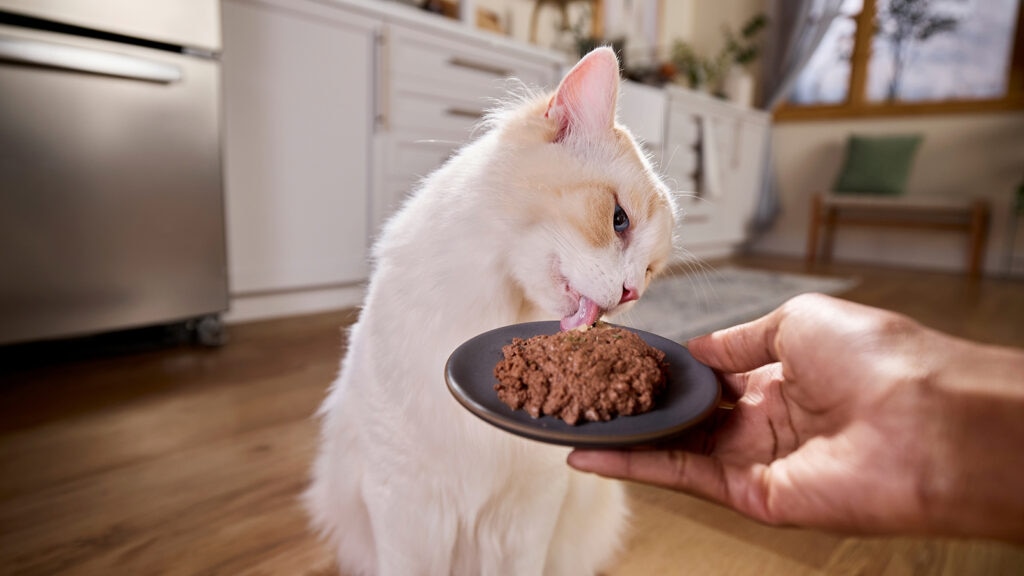
Feeding your cat isn't just about filling their bowl. It's about making sure they're getting the nutrients they need to stay healthy, active, and happy.
You might be surprised at how what you feed your feline friend can affect their mood, energy levels, and even their lifespan. Are you confident that your current feeding routine meets your cat's nutritional needs? If not, don't worry—you've come to the right place.
You'll discover simple yet effective strategies to ensure your cat is getting a balanced diet. Dive in, and learn how to transform mealtime into a nourishing experience for your beloved pet. Your cat deserves the best, and you're just a few steps away from providing it.
Understanding Feline Dietary Needs
Understanding feline dietary needs ensures cats receive balanced nutrition. Choose high-quality cat food rich in proteins, healthy fats, and essential vitamins. Maintain portion control to prevent obesity and promote overall health.
Understanding your cat's dietary needs is crucial for their health and happiness. Cats are obligate carnivores, meaning they require nutrients found only in animal flesh. Unlike humans or dogs, they cannot synthesize certain nutrients and must obtain them from their food. This makes it essential to feed them a diet rich in protein, healthy fats, and specific vitamins and minerals.
Assessing The Right Protein Sources
Cats thrive on protein from animal sources. Chicken, fish, and beef are excellent choices. Ensure the protein is high-quality and fresh. Avoid processed meat with added fillers. Why not try cooking a small piece of chicken for your cat? Watch their reaction—it’s often a sign of approval.
Understanding The Role Of Taurine
Taurine is a vital amino acid for cats. It supports heart health and vision. This nutrient is naturally found in meat, but commercial cat foods often supplement it. Check the labels on cat food to ensure taurine is included. It's one of those little details that make a big difference.
Balancing Fats And Omegas
Healthy fats are essential for energy and maintaining a shiny coat. Omega-3 and Omega-6 fatty acids are particularly beneficial. These can be found in fish oils or flaxseed. Have you ever noticed how a cat’s coat gleams after eating fish? It's a testament to the power of omegas.
Incorporating Essential Vitamins And Minerals
Cats need a variety of vitamins and minerals for optimal health. Vitamin A, B vitamins, calcium, and phosphorus are crucial. These should be part of your cat's daily intake. Consider the quality of the food you buy. Premium brands often ensure a balanced mix of these nutrients.
Monitoring Portion Sizes
Overfeeding can lead to obesity, while underfeeding can cause malnutrition. It's important to find the right balance. Use a measuring cup to control portion sizes. Is your cat showing signs of weight gain or loss? Adjust accordingly to maintain their ideal weight.
Personalizing Your Cat's Diet
Every cat is unique. Age, activity level, and health conditions can affect dietary needs. Adjust their diet to suit these factors. Have you ever noticed changes in your cat’s energy levels? A dietary tweak might be just what they need to thrive. Understanding these aspects of feline nutrition ensures your cat enjoys a happy, healthy life. Engage with your cat's dietary needs and see the difference it makes.
Essential Nutrients For Cats
Feeding your cat isn't just about filling their bowl with food. It's about ensuring they receive the right balance of essential nutrients to thrive. Cats are obligate carnivores, meaning their diet primarily consists of meat. This makes their nutritional needs quite unique compared to other pets. But what exactly should you be looking for in your cat's diet?
Protein Requirements
Protein is crucial for your cat's growth and maintenance. Unlike humans, cats derive much of their energy from proteins. Animal-based proteins are essential as they provide the amino acids that cats can't produce on their own. Think of it as the building blocks that support everything from muscle development to a shiny coat.
If you're unsure whether your cat is getting enough protein, check the food label for ingredients like chicken, turkey, or fish. These are rich sources of animal protein. Have you ever noticed how your cat becomes more energetic after a meal? That's the power of protein at work!
Fatty Acids Importance
Fatty acids, particularly omega-3 and omega-6, play a vital role in your cat’s health. They support skin health, promote a healthy heart, and are essential for brain function. But, not all fats are created equal. Your cat needs quality fats found in fish oil or flaxseed oil.
You might wonder, "Why is my cat's coat looking dull?" It could be a sign they're not getting enough essential fatty acids. Try adding fish oil supplements to their diet to see a noticeable difference in their coat shine.
Vitamins And Minerals
Just like humans, cats require a range of vitamins and minerals to stay healthy. Vitamins like A, B, and E are crucial for vision, metabolism, and immune function. Meanwhile, minerals such as calcium and phosphorus support bone health.
A well-balanced cat food will typically contain these nutrients, but it's always good to check. Have you ever considered why your cat's mood sometimes shifts? A deficiency in certain vitamins might be the culprit. Ensuring a balanced intake can help maintain their overall well-being.
Now, take a moment to think about your cat's current diet. Are they receiving these essential nutrients? By paying attention to their nutritional needs, you can ensure your feline friend leads a healthy and happy life. After all, their health is in your hands!
Choosing The Right Cat Food
Choosing the right cat food ensures your furry friend stays healthy. Cats are obligate carnivores, meaning their diet should be rich in proteins. The market offers a variety of cat food options, each with its benefits. Understanding the differences helps in making an informed decision.
Dry Vs. Wet Food
Dry food is convenient and cost-effective. It helps keep your cat's teeth clean. However, it contains less moisture than wet food. Wet food provides hydration and is closer to a natural diet. Cats with kidney issues benefit from the extra moisture. Consider your cat’s needs before choosing.
Grain-free Options
Grain-free cat food has gained popularity. Some believe grains can cause allergies or digestive issues. Grain-free diets often use alternative carbohydrates like potatoes. Not all cats need grain-free food, though. Consult your vet to see if it’s suitable for your cat.
Reading Food Labels
Food labels hold key information about nutritional content. Look for high-quality protein sources like chicken or fish. Avoid foods with excessive fillers or artificial additives. Check for essential nutrients like taurine and omega fatty acids. These support heart and coat health. Understanding labels helps you choose wisely.

Credit: m.facebook.com
Homemade Vs. Commercial Diets
Choosing between homemade and commercial diets for your cat can be a tricky decision. While commercial cat food offers convenience and a balanced nutrient profile, homemade meals can be tailored to your cat's specific needs. Let's explore the benefits, risks, and how you can balance nutrients at home.
Benefits Of Homemade Meals
Homemade meals allow you to control the ingredients and avoid additives or fillers commonly found in commercial foods. You can tailor recipes to your cat's taste preferences and dietary needs, ensuring they get the best nutrition possible.
Cooking at home can also strengthen the bond between you and your cat. As you prepare their meals, you become more attuned to their likes and dislikes, making mealtime a more enjoyable experience for both.
Have you ever noticed your cat turning their nose up at store-bought food? A homemade meal might just be the answer to their finicky appetite.
Risks Of Homemade Diets
While homemade meals have their perks, they come with risks. It's easy to accidentally miss vital nutrients that cats need, like taurine, which is crucial for heart and eye health.
Improperly balanced diets can lead to health issues over time, so it's essential to research thoroughly or consult a vet before making dietary changes.
Additionally, homemade diets can be time-consuming and costly, especially if you need specific supplements or ingredients.
Balancing Nutrients At Home
To ensure your cat gets a balanced diet, consider using a nutrition guide or consulting a veterinarian. You can also use online resources to find recipes that meet the dietary requirements of cats.
Including a variety of protein sources, like chicken, fish, and eggs, can help provide essential amino acids. Incorporate vegetables like peas and carrots for added vitamins and minerals.
Ever thought about creating a meal plan for your cat? It can help you track their nutrient intake and ensure they're getting everything they need.
Feeding Schedule And Portion Control
Feeding cats on a regular schedule helps maintain their health. Portion control prevents overeating and promotes a balanced diet. Make sure to adjust portions based on age and activity level.
Feeding your cat properly is essential to their health and happiness. Establishing a feeding schedule and practicing portion control can ensure your feline friend gets the nutrition they need without overindulging. Striking the right balance can be challenging, but it's crucial for their well-being. By understanding your cat’s needs and adjusting their meals accordingly, you can help maintain a healthy weight and energy level.
Meal Frequency
Cats are natural grazers, often preferring to eat multiple small meals throughout the day. Offering your cat two to three meals per day can mimic their natural eating habits. If you have a busy schedule, automatic feeders can help maintain consistency. Some cats thrive on free-feeding, where food is available at all times. However, this method requires monitoring to prevent overeating. Consider your cat's age, health, and activity level when deciding on meal frequency.
Adjusting Portions
Portion control is key to preventing obesity and ensuring your cat receives adequate nutrition. Begin by checking the feeding guidelines on your cat's food packaging. These recommendations offer a useful starting point, but individual needs can vary. Monitor your cat’s intake and adjust portions based on their energy levels and weight. If you notice leftover food, try reducing the portion size. Conversely, if your cat seems hungry between meals, slightly increase their portion.
Monitoring Weight
Keeping an eye on your cat’s weight is vital to their health. Regularly weigh your cat and track any changes. A simple bathroom scale can work well for this purpose. Look out for visible signs of weight gain or loss, such as changes in body shape or coat condition. Consult your vet if you notice significant fluctuations. They can provide guidance on maintaining a healthy weight and adjusting feeding practices as needed. Is your cat maintaining a healthy weight, or could their feeding schedule use some tweaking? By observing and adjusting, you can help them thrive.
Special Dietary Considerations
Cats have unique dietary needs that change over time. Understanding these needs helps keep them healthy. Special dietary considerations are essential for cats with specific health conditions. Tailoring their diet can improve their quality of life. Let's explore how to cater to senior cats, manage food allergies, and create a diet for overweight cats.
Catering To Senior Cats
As cats age, their nutritional requirements change. They may need more protein to maintain muscle mass. Reduced calorie intake is often necessary due to decreased activity levels. Older cats benefit from diets rich in antioxidants. This supports their immune system. Joint health is crucial, so look for foods with omega-3 fatty acids. Hydration is also vital. Wet food can help increase water intake.
Managing Food Allergies
Food allergies are common in cats. Symptoms include itching, vomiting, and diarrhea. Identifying the allergen is the first step. Common allergens include beef, dairy, and fish. A limited ingredient diet can help pinpoint the problem. Choose foods with novel protein sources. Rabbit or duck are good options. Grain-free diets may reduce allergic reactions. Regular vet visits ensure the allergy is managed effectively.
Diet For Overweight Cats
Obesity is a growing issue among cats. It leads to health problems like diabetes. Portion control is key. Measure food to avoid overfeeding. High-protein, low-carb diets help manage weight. Fiber-rich foods promote satiety. Encourage exercise with interactive toys. Wet food is often better for weight management. Consult a vet for personalized diet plans.
Hydration And Its Importance
Hydration plays a vital role in a cat's health. Cats often have a low thirst drive. This can lead to dehydration if not monitored. Proper hydration supports kidney function and overall well-being. Water aids digestion and nutrient absorption. It's crucial for cats to have access to fresh water daily.
Encouraging Water Intake
Some cats may not drink enough water. Encourage them to drink more. Place multiple water bowls around the house. Cats like variety. Try using different types of bowls. Ceramic or stainless steel are good choices. Avoid plastic. The taste can deter cats.
Consider a cat water fountain. Many cats enjoy running water. It can stimulate their interest. Change the water regularly. Fresh water attracts cats more. Add ice cubes in summer. Some cats find this intriguing.
Wet Food Benefits
Wet food can boost your cat's hydration. It contains more moisture than dry food. This helps prevent dehydration. Wet food can be a tasty treat. It often has rich flavors cats love. Mixing wet and dry food balances nutrition.
Check the label for high-quality ingredients. Avoid artificial additives. They aren't good for your cat's health. Select wet food with real meat as the first ingredient. This ensures your cat gets the protein it needs. Regularly including wet food supports your cat's hydration needs.

Credit: www.ptinews.com
Recognizing Nutritional Issues
Cats need a balanced diet for a healthy life. Understanding their nutritional needs helps prevent health problems. It's crucial to recognize signs of nutritional issues early. This ensures your cat receives proper care and nutrition.
Symptoms Of Deficiency
Cats show specific signs when lacking nutrients. Watch for these symptoms:
- Weight Loss:Unexplained weight loss may indicate a deficiency.
- Dull Coat:A lack of essential fats can make fur look dull.
- Lethargy:Low energy might mean insufficient calories or nutrients.
- Poor Appetite:A cat not eating well may have nutritional gaps.
Early detection of these signs is vital. It helps in addressing nutritional issues promptly.
When To Consult A Vet
If you notice any deficiency symptoms, consult a vet. They can provide expert advice on dietary needs. Vets can also recommend supplements if needed. Regular check-ups ensure your cat's diet remains balanced.
Addressing nutritional concerns early can prevent serious health issues. Keeping your cat healthy involves monitoring their diet and consulting professionals when necessary.

Credit: www.lilyskitchen.co.uk
Frequently Asked Questions
What Is The 25 Rule For Cat Food?
The 25% Rule in cat food means the product must contain at least 25% of the named ingredient. For example, "Chicken Dinner" must have a minimum of 25% chicken. This labeling regulation ensures transparency in pet food ingredient percentages.
What Should A Cat Eat Every Day?
Cats need a balanced diet of high-quality protein, fats, vitamins, and minerals. Offer wet or dry food specifically formulated for cats. Include fresh water daily and occasional treats. Ensure portion control to maintain a healthy weight. Consult a veterinarian for personalized dietary advice.
What Is The Most Nutritious Food For A Cat?
High-quality commercial cat food offers balanced nutrition. It contains proteins, fats, vitamins, and minerals essential for health. Wet food provides hydration, while dry food aids dental health. Consult your vet for specific dietary needs. Always ensure fresh water is available to your cat.
How Do I Give My Cat Nutrients?
Feed your cat high-quality commercial cat food for balanced nutrients. Include wet and dry options for variety. Provide fresh water daily. Occasionally offer cooked meats or fish as treats. Consult your vet for specific dietary needs and supplements.
Conclusion
Feeding your cat right is vital for its health. Choose quality cat food. Balance nutrients. Include protein, fats, and vitamins. Fresh water is essential. Monitor portion sizes. Avoid overfeeding. Treats should be rare. Consult your vet for dietary advice. Regular check-ups help track health.
Adjust diet as your cat ages. Keep an eye on weight and energy levels. Healthy cats live longer, happier lives. Nourish wisely and enjoy your feline friend. Remember, a well-fed cat is a joyful companion. Make feeding time a positive routine.
Your cat depends on you for its well-being.
