
If you've ever stood in the pet food aisle wondering how much wet food your cat really needs, you're not alone. You want the best for your furry friend, ensuring they stay healthy and happy.
But with so many options and conflicting advice, it can be overwhelming. This article will guide you through the essentials of feeding your cat the right amount of wet food. Discover how the right portion can contribute to your cat's well-being, and why getting it right is easier than you think.
Keep reading to uncover the simple truths that will transform your approach to feeding your beloved pet.

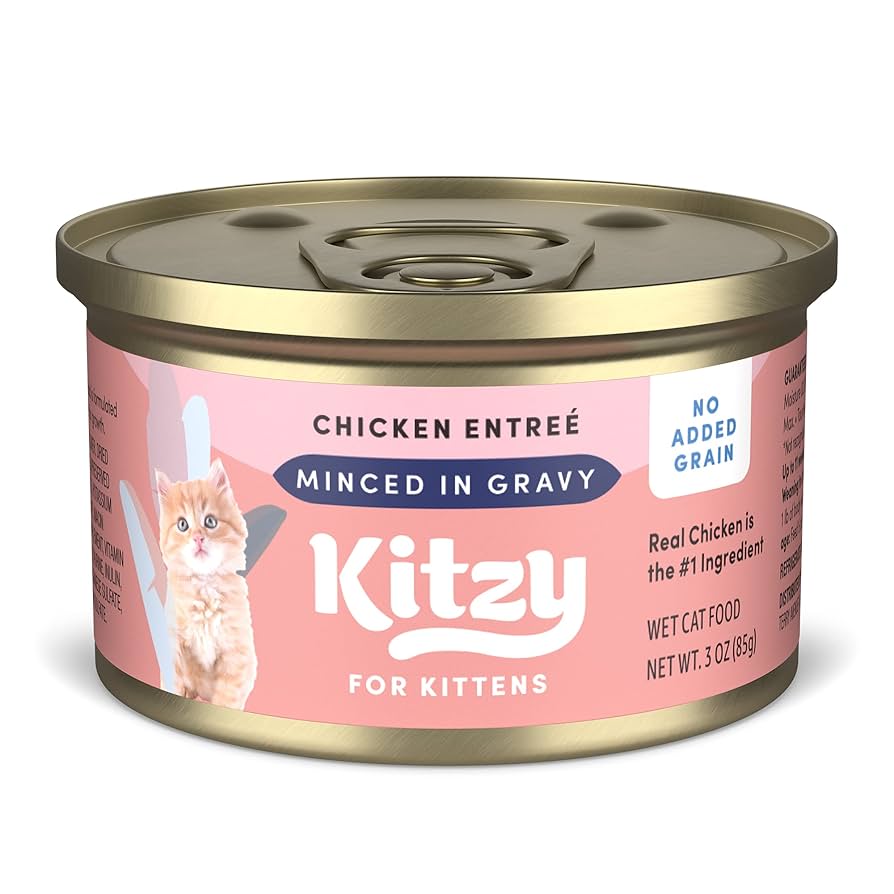
Credit: www.amazon.com
Factors Affecting Wet Food Requirements
Understanding your cat's wet food needs is important. Various factors influence how much wet food a cat requires. These factors are vital in ensuring your cat gets the right nutrition.
Age And Life Stage
Kittens need more calories for growth. They require more frequent feeding. Adult cats have different needs. Senior cats may need special diets.
Weight And Size
Larger cats need more food. Smaller cats eat less. Maintaining a healthy weight is crucial. Consult a vet for advice.
Activity Level
Active cats burn more calories. They need more food. Less active cats need fewer calories. Monitor their activity for adjustments.
Health Conditions
Certain health issues affect food needs. Cats with diabetes may have special diets. Always follow veterinary guidance for health-related needs.
Credit: www.purina.com
Calculating Wet Food Portions
Calculating the right portions of wet food for your cat is crucial. It ensures they receive adequate nutrition without overeating. Cats have different caloric needs based on their age, weight, and activity level. Understanding these needs helps in determining the correct amount of wet food to serve. Let's explore how to calculate wet food portions effectively.
Understanding Caloric Needs
Each cat has unique caloric requirements. A kitten needs more calories for growth. An adult cat's needs depend on their activity level and health. Senior cats might require fewer calories. Consult your vet for specific advice. They can provide insights into your cat's caloric needs.
Reading Food Labels
Food labels offer essential information. They list caloric content per ounce or can. This helps in calculating the right portion size. Check for protein and fat content. Ensure the food meets your cat's dietary needs. Labels may also suggest serving sizes, which can be a useful guide.
Using Portion Calculators
Online portion calculators can simplify feeding. Input your cat’s weight and age. The calculator provides recommended serving sizes. It's a quick way to adjust portions as needed. These tools help ensure your cat receives balanced meals.
Daily Feeding Schedule
Creating a daily feeding schedule for your cat is important. It ensures they get the right amount of wet food. This helps maintain their health and energy levels. Knowing how to plan their meals can make feeding time stress-free. Let's look at the key factors in setting up a daily feeding routine.
Meal Frequency
Cats often prefer small, frequent meals. Feeding them two to three times a day works well. This mimics their natural hunting instincts. It also helps keep their metabolism active. Offering several smaller meals can prevent overeating. Adjust the portion sizes to avoid excess weight gain.
Timing And Routine
Set specific times for feeding your cat. Cats thrive on routine. Consistent meal times help them feel secure. Choose times that fit your daily schedule. This could be morning, afternoon, and evening. Having a routine helps manage your cat's expectations. It also supports their digestive health.
Adjusting For Lifestyle
Consider your lifestyle when planning feeding times. If you work late, feed them before leaving and upon returning. Automated feeders can help maintain a routine. They dispense food at set times, ensuring your cat doesn't miss a meal. Adjust meal times if your schedule changes. This keeps your cat happy and healthy.
Signs Of Overfeeding Or Underfeeding
Cats are notorious for their finicky eating habits, and finding the right balance of wet food can be a challenge. But how do you know if you're feeding them too much or too little? Monitoring your cat’s health and behavior can provide essential clues. Here are some key signs to help you determine if you're overfeeding or underfeeding your feline friend.
Weight Gain Or Loss
One of the most telling signs is a change in your cat's weight. Rapid weight gain might indicate you're serving too much wet food. Conversely, weight loss suggests insufficient intake. Regularly weigh your cat to keep track of any drastic changes, and consult a vet if you're unsure about your cat's ideal weight.
Behavioral Changes
Have you noticed your cat seems unusually lethargic or hyperactive? Overfed cats may become lazy and uninterested in playtime, while underfed ones might appear restless or irritable. Observing your cat's energy levels and mood can be a strong indicator of their feeding needs.
Digestive Issues
Your cat's litter box habits can reveal a lot about their diet. Overfeeding can lead to diarrhea or excessive flatulence, whereas underfeeding might result in constipation. Are you finding frequent messes in the litter box? Adjusting the portion sizes of wet food can help alleviate these digestive disturbances.
Are there any particular signs you've noticed in your cat that might indicate overfeeding or underfeeding? Taking a closer look at these aspects can ensure your furry companion stays healthy and happy.
Transitioning To Wet Food
Transitioning your cat to wet food? Start with about 3-4 ounces per day, adjusting based on activity and weight. Always monitor your cat's response and consult your vet for personalized advice.
Transitioning your cat to wet food can be a rewarding experience for both you and your furry friend. Cats often find wet food to be more palatable, and it can be beneficial for their hydration. However, switching from dry to wet food requires a thoughtful approach to ensure a smooth transition. Here's how you can do it effectively.
Gradual Introduction
Begin by gradually introducing wet food into your cat's diet. Start with a small amount alongside their usual dry food. Over the course of a week, slowly increase the wet food portion while decreasing the dry food. This gradual shift allows your cat's digestive system to adapt. It also helps them get accustomed to the new texture and flavor. A sudden change can upset their stomach or lead to food refusal.
Mixing With Dry Food
Mixing wet food with dry food can ease the transition. Combine a small amount of wet food with their dry kibble. This blend can entice your cat to try the wet food due to the familiar scent of the dry food. Ensure the mixture is well-blended so your cat can't pick out the dry kibble. You might find that your cat enjoys the variety of textures. Over time, you can adjust the ratio, increasing the wet food amount.
Monitoring Cat's Response
Pay close attention to your cat's response during this transition. Look for signs of digestive issues such as diarrhea or vomiting. These could indicate the need for a slower transition or a different brand of wet food. Observe your cat's enthusiasm towards the new diet. Are they eagerly eating, or showing reluctance? Their behavior can guide you in adjusting the plan. Transitioning to wet food is a journey that requires patience. Have you noticed any changes in your cat's behavior or health since making the switch?
Benefits Of Wet Food For Cats
Wet food offers hydration and nutrition for cats, supporting their overall health. It's recommended to serve 3-5 ounces per meal, depending on the cat’s size and activity level.
Feeding your feline friend the right diet is crucial for their health and happiness. Wet food for cats is not just a luxury; it's a necessity that offers numerous benefits. From hydration to nutrition, wet food can make a significant difference in your cat's life. Let's explore the benefits of wet food for your furry companion.
Hydration And Moisture Content
Cats are notorious for not drinking enough water. They have evolved from desert-dwelling ancestors and often get their moisture from their food. Wet cat food is an excellent source of hydration, as it contains about 70-80% water. Imagine your cat enjoying a delicious meal while also staying hydrated. This is especially beneficial for cats with kidney issues or urinary tract problems, as adequate moisture intake is crucial for their health.
Nutritional Advantages
Wet food often contains higher protein levels compared to dry food. This is important because cats are obligate carnivores, requiring a protein-rich diet for optimal health. Wet food also typically contains fewer carbohydrates, aligning more closely with a cat's natural dietary needs. By feeding your cat wet food, you're ensuring they receive essential nutrients that support muscle maintenance and overall well-being.
Palatability And Preference
Have you noticed your cat turning up their nose at dry kibble? Many cats find wet food more appealing due to its aroma and texture. The rich flavors and moisture content make wet food irresistible for picky eaters. Observing your cat eagerly running to their bowl at mealtime is a rewarding sight. Wet food can transform feeding time into a delightful experience for both you and your pet. Choosing the right food for your cat is a significant decision. Why not consider the benefits of wet food and make a positive impact on your cat's health and happiness today?
Choosing The Right Wet Food
Choosing the right wet food for your cat is crucial to ensuring they receive the necessary nutrients for a healthy life. Wet food offers moisture that can benefit your cat's hydration and kidney health. But with so many options available, how can you make the best choice for your feline friend?
Quality Ingredients
Start by examining the ingredient list on the wet food packaging. Look for real meat as the first ingredient, such as chicken, beef, or fish. Avoid products that list meat by-products or fillers like corn and soy. High-quality ingredients ensure your cat gets the protein and nutrition they need.
Consider the source of the ingredients. Foods made with organic or sustainably sourced ingredients often provide better health benefits. Have you noticed a difference in your cat's energy levels when switching to a brand with superior ingredients?
Brand Reputation
Research the brand's reputation before purchasing. Trusted brands often have a history of providing safe and nutritious food. Check for recalls or complaints related to the brand. A good reputation can be an indicator of consistent quality and safety.
Read reviews from other cat owners. Does the brand have positive testimonials about improving their cat's coat or digestion? Engaging with fellow pet owners can provide insights into how the food might affect your cat.
Special Diet Options
Does your cat have specific dietary needs? Some cats require special diets due to allergies, weight issues, or age-related concerns. Look for wet food options tailored to these needs, such as grain-free or senior formulas.
Consult your veterinarian for recommendations on special diet options. They can suggest foods that align with your cat's health requirements. Have you ever tailored your cat’s diet to address health issues? The right food can make a noticeable difference in their well-being.
Choosing the right wet food involves careful consideration of ingredients, brand reputation, and special diet needs. By being mindful of these factors, you can ensure your cat enjoys a happy and healthy life. What changes are you considering in your cat's diet today?

Credit: www.amazon.com
Frequently Asked Questions
How Many Ounces Of Wet Food Should A Cat Eat?
A cat typically needs 3-5 ounces of wet food daily. Adjust based on weight, age, and activity level. Consult your vet for personalized advice.
Is 2 Cans Of Wet Food Too Much For A Cat?
Two cans of wet food might be excessive for some cats. Consider your cat's weight, age, and activity level. Consult your vet for tailored feeding advice. Generally, smaller portions can prevent obesity and promote overall health. Adjust the diet based on your cat's needs for optimal well-being.
How Many Ounces Should I Feed My Cat Daily?
The amount depends on your cat's weight and activity level. Generally, cats eat 4-6 ounces of wet food daily. Always check the food packaging for specific feeding guidelines. Consult your vet for personalized advice.
Can Wet Food Replace Dry Food For Cats?
Wet food can replace dry food, offering moisture and palatability. It's beneficial for hydration and urinary health. However, ensure it meets nutritional needs. A balanced diet might include both wet and dry food. Consult your vet for optimal feeding strategies.
Conclusion
Finding the right food amount keeps your cat healthy. Cats need balanced nutrition. Wet food provides moisture and nutrients. Consult with your vet for exact amounts. They consider age, weight, and activity level. Follow feeding guidelines on packaging. Adjust as your cat grows or changes.
Check for signs of overfeeding or underfeeding. Cats with special needs may require different amounts. Regular vet check-ups ensure proper nutrition. Remember, each cat is unique. Tailor feeding to your cat's specific needs. Happy, healthy cats enjoy life more.
