
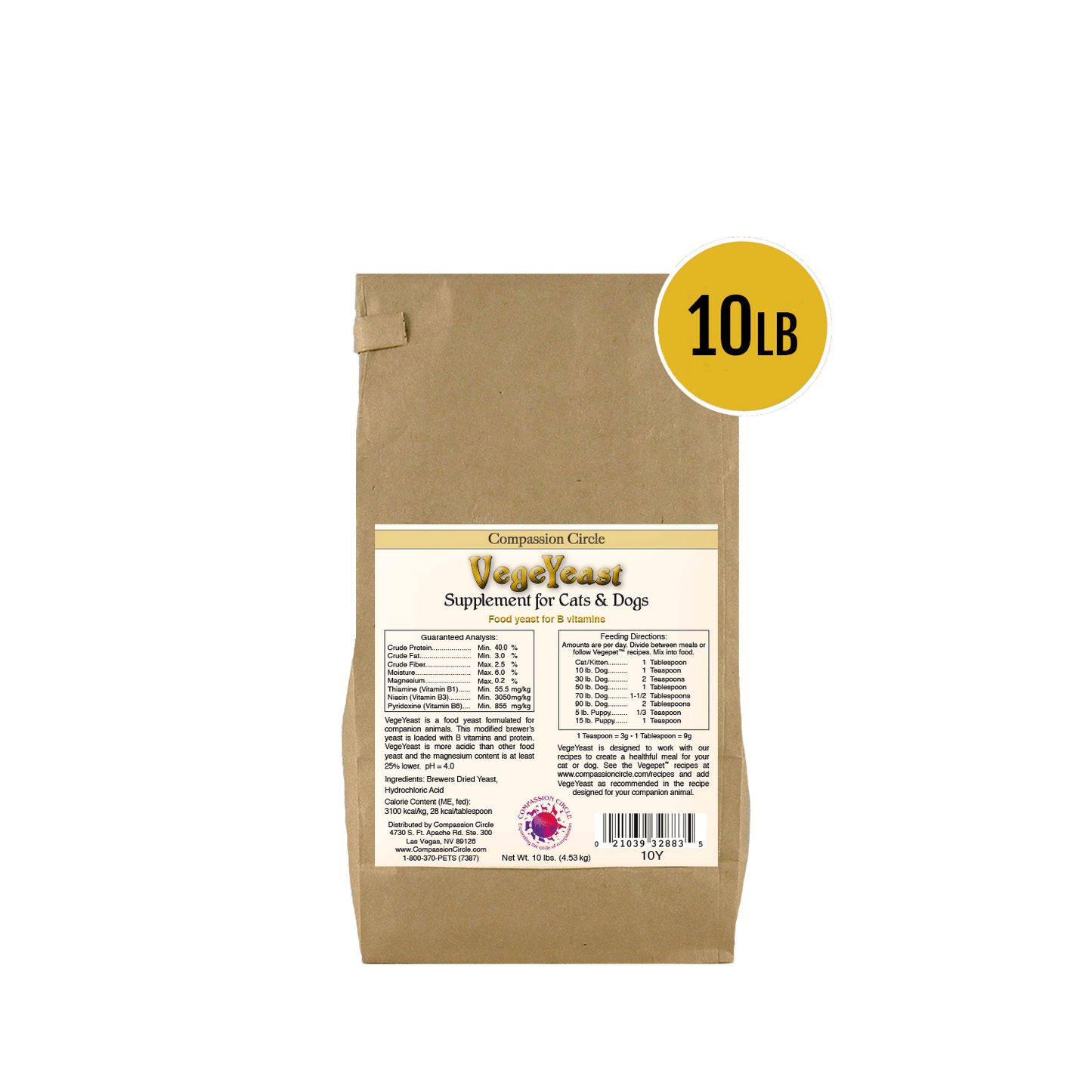
Imagine the moment your furry friend approaches you with that endearing curiosity, those eyes full of questions. As a devoted pet owner, you want nothing but the best for your cat’s health and happiness.
But when it comes to their diet, things can get a bit confusing. You’ve heard about nutritional yeast being a popular supplement for pets, but what about regular yeast? Can cats have yeast instead of nutritional yeast? Understanding the difference and knowing what’s best for your beloved feline can make all the difference.
You’re about to uncover the truth about yeast, its potential benefits, and risks for cats, and how you can make informed decisions for your pet’s diet. This article will guide you through everything you need to know, ensuring you feel confident and equipped to nurture your cat with the best. Keep reading to discover the facts that could transform your cat’s well-being and see them thrive like never before!

Credit: www.facebook.com
Cats And Yeast Consumption
Cats should not consume yeast as a substitute for nutritional yeast. Regular yeast can cause digestive issues and discomfort. Nutritional yeast, on the other hand, provides essential nutrients and is safer for feline consumption.
Cats and Yeast Consumption Cats are known for their curious nature, often leading them to sniff out things that might not be in their best interest, like yeast. Yeast, while a staple in many human foods, can be quite the topic of debate when it comes to our feline friends. Is it safe for them, or should it be avoided?
Understanding Yeast: Baker's Vs. Nutritional
Baker's yeast is commonly used in bread-making, while nutritional yeast is a popular supplement. Baker's yeast can cause digestive issues in cats, leading to bloating or even alcohol poisoning if consumed in large amounts. On the other hand, nutritional yeast is often touted for its health benefits, being rich in B vitamins and proteins.
Health Benefits Of Nutritional Yeast For Cats
Nutritional yeast can be a beneficial addition to your cat's diet. It is packed with essential vitamins that support their overall health. Some cat owners even notice shinier coats and increased energy levels after adding small amounts to their cat's meals.
Potential Risks Of Yeast Consumption
While nutritional yeast has its perks, it's important to be cautious. Overconsumption can lead to digestive upset or allergic reactions in some cats. Always introduce it gradually and monitor your cat for any adverse reactions.
Signs Your Cat May Be Allergic To Yeast
Keep an eye out for symptoms like vomiting, diarrhea, or excessive scratching. These could indicate an allergic reaction to yeast. If you notice any of these signs, it's best to consult with a veterinarian immediately.
How To Introduce Nutritional Yeast To Your Cat's Diet
Start by sprinkling a small amount over their regular food. Observe your cat's reaction and adjust the amount accordingly. Remember, moderation is key to ensuring their safety and well-being.
Consulting Your Veterinarian
Before making any significant changes to your cat's diet, it's wise to seek professional advice. Your veterinarian can provide personalized recommendations based on your cat's health needs. This ensures that you're making the best choice for your feline friend.
Nutritional Needs Of Cats
Cats have unique nutritional needs that require careful attention. These needs differ from humans and dogs. Understanding them helps ensure a healthy life for your feline friend.
Protein As A Primary Nutrient
Cats need high levels of protein in their diet. Animal-based proteins are essential. They provide necessary amino acids. Without them, cats can face serious health issues.
Essential Fatty Acids
Fats are vital for cats. They provide energy and support skin health. Omega-3 and Omega-6 fatty acids are crucial. These fats help maintain a shiny coat.
Vitamins And Minerals
Cats require specific vitamins like A, D, and B-complex. These vitamins support vision, bone health, and metabolism. Minerals like calcium and phosphorus are also needed. They ensure strong bones and teeth.
Taurine: A Non-negotiable Requirement
Taurine is a must for cats. It supports heart function and vision. Taurine deficiencies can lead to severe problems. Ensure it is present in cat food.
Water: The Vital Nutrient
Cats often don't drink much water. They get moisture from food. Wet food can help meet their hydration needs. Always provide fresh water as well.
Types Of Yeast
Yeast is an essential ingredient in many foods. It comes in various types, each with unique properties. Understanding these types is crucial, especially for pet owners. Cats have specific dietary needs, and not all yeast types are safe for them.
Baker's Yeast
Baker's yeast is used in baking to make bread rise. It is not safe for cats. Consuming it can cause gas and bloating. In severe cases, it may lead to alcohol poisoning. Keep it away from your feline friends to ensure their safety.
Brewer's Yeast
Brewer's yeast is a byproduct of beer production. It is often used as a supplement for pets. This yeast is rich in B vitamins and can benefit cats. It may improve their coat and boost their immune system. Yet, always consult a vet before adding it to your cat’s diet.
Nutritional Yeast
Nutritional yeast is popular among vegetarians and vegans. It has a cheesy flavor and is used as a seasoning. This yeast is generally safe for cats in small amounts. It contains proteins and vitamins that can be beneficial. But, moderation is key, as too much can upset their stomach.
Potential Benefits Of Yeast For Cats
Many pet owners wonder if yeast can benefit their feline friends. Yeast, especially brewer's yeast, is packed with nutrients. It contains B vitamins, protein, and minerals. These components may offer health benefits for cats. Let's explore how yeast might help your cat's health.
Digestive Health
Yeast may improve your cat's digestion. It can support gut bacteria balance. This balance aids in nutrient absorption. Yeast also helps reduce digestive issues. A healthier gut means a happier cat.
Skin And Coat Health
Yeast is rich in B vitamins. These vitamins are crucial for skin health. They promote a shiny coat and reduce dryness. Yeast may also help with itching and irritation. Your cat's fur will look and feel better.
Immune System Support
Yeast can boost your cat's immune system. It contains antioxidants that fight harmful substances. A stronger immune system means fewer illnesses. Yeast helps keep your cat healthy and active.
Risks Of Yeast Consumption
Yeast consumption in cats can pose several risks. It's crucial to understand these dangers to keep your feline friend safe. While yeast might seem harmless, it can lead to health issues that might require veterinary attention. Let's explore the potential risks associated with yeast consumption in cats.
Allergic Reactions
Some cats may experience allergic reactions to yeast. Symptoms include itching, swelling, or skin rashes. These reactions can make your cat uncomfortable and irritated. In severe cases, breathing difficulties might occur. Always monitor your cat for any unusual behavior after eating yeast.
Gastrointestinal Issues
Yeast can disrupt your cat's digestive system. It may cause bloating or gas. Cats might also experience diarrhea or vomiting after consuming yeast. These symptoms can lead to dehydration if not addressed promptly. Ensuring your cat avoids yeast can prevent these gastrointestinal problems.

Credit: m.facebook.com
Alternatives To Yeast
Finding alternatives to yeast for your cat's diet can be essential. While nutritional yeast offers benefits, it's not the only option. There are various ways to ensure your cat gets necessary nutrients without relying on yeast. Here, we explore some effective alternatives.
Commercial Cat Supplements
Many commercial cat supplements provide essential nutrients. They come in powders, tablets, or liquids. These are formulated to meet feline dietary needs. Always select supplements designed specifically for cats. Check with your vet before introducing new products. This ensures safety and effectiveness.
Natural Food Sources
Natural foods can be excellent sources of nutrients. Fresh meats like chicken or turkey offer proteins and vitamins. Fish provides omega-3 fatty acids, essential for healthy coats. Eggs are another good protein source and are rich in amino acids. Vegetables like peas and carrots add fiber and vitamins. Ensure all foods are safe and prepared properly for cats.
Veterinary Advice On Yeast
Understanding what cats can safely consume is crucial for their health. Yeast, often found in various forms, can impact a cat's diet. It's important to know the difference between regular yeast and nutritional yeast. Both have distinct effects on a cat's health. Veterinarians provide specific advice on this topic. This guidance helps cat owners make informed decisions.
Understanding Yeast Types
Regular yeast is used in baking and brewing. It can be harmful to cats. It ferments in their stomach, causing discomfort. Nutritional yeast, though, is different. It's a deactivated yeast, rich in nutrients. Cats can safely consume it in moderation.
Potential Health Benefits
Nutritional yeast offers vitamins and proteins. It's a good source of B vitamins, which support a cat's metabolism. It also has amino acids, vital for muscle maintenance. Some cats enjoy its cheesy flavor. It can be a tasty supplement.
Risks Of Regular Yeast
Regular yeast can expand in a cat’s stomach. This can lead to bloating or discomfort. It may also produce alcohol, which is toxic. Cats should avoid regular yeast products. Always check labels when feeding new foods.
Veterinary Recommendations
Veterinarians advise caution with yeast. It's best to consult a vet before introducing it. They can guide on suitable amounts and frequency. Each cat's dietary needs are unique. A vet's insight ensures safe feeding practices.
Credit: www.petfoodprocessing.net
Frequently Asked Questions
Is It Okay To Give Nutritional Yeast To Cats?
Nutritional yeast is generally safe for cats in moderation. It can provide vitamins and enhance flavor. Consult your vet before adding it to your cat's diet. Avoid excessive amounts to prevent digestive issues. Always ensure your cat's nutritional needs are met with a balanced diet.
Is It Okay For Cats To Eat Yeast?
Cats should not eat yeast as it can cause digestive issues and bloating. Yeast can ferment in their stomachs, leading to discomfort. Always consult your vet before introducing new foods to your cat's diet. Keep yeast-containing foods like dough away from your cat to prevent accidental ingestion.
Why Is Yeast Added To Cat Food?
Yeast is added to cat food for flavor enhancement, nutritional benefits, and to support digestive health. It provides essential B vitamins and antioxidants, boosting a cat's immune system. Yeast also adds palatability, encouraging cats to eat their meals with enthusiasm.
Why Can't Cats Have Yeast?
Cats can't have yeast because it can cause digestive issues and lead to bloating. Yeast can ferment in their stomachs, producing harmful gases. It's essential to keep yeast-based foods away from them to ensure their health and well-being.
Conclusion
Cats need balanced nutrition for good health. Yeast alone may not suffice. It's important to choose what's best for them. Nutritional yeast offers vitamins and minerals. Yeast is less nutritious. Always consult a vet for advice. They know what's best for your cat.
Health should be the priority. Cats deserve the best care. Don't experiment without guidance. Be mindful of their needs. A balanced diet ensures a happy cat. Keep informed about their food. Make smart choices for their wellbeing. Your cat's health matters most.
