
Are you curious about what your cat really needs to stay healthy and happy? Understanding cat nutrition isn't just a matter of picking up the nearest bag of kibble.
It's about unlocking the secrets to your feline friend's well-being and longevity. Imagine giving your cat the perfect mix of nutrients that not only satisfies their hunger but also fuels their playful spirit and keeps them purring contentedly. You might be surprised at how a few simple changes in their diet can lead to noticeable improvements in their energy levels and mood.
As you dive into this article, you'll discover essential tips and insights that can transform your pet's mealtime into a journey towards optimal health. Get ready to explore the fascinating world of cat nutrition—your kitty will thank you for it!

Credit: www.instagram.com
Basic Nutritional Needs
Cats, much like their human counterparts, have specific dietary needs that ensure their health and vitality. Understanding these basic nutritional needs is essential for every cat owner. Proper nutrition not only supports their growth but also strengthens their immune system and enhances their quality of life. So, what exactly does your feline friend need to thrive?
Essential Nutrients
Every cat needs a balance of nutrients to stay healthy. These include proteins, fats, carbohydrates, vitamins, and minerals. Without these, cats can face health issues ranging from poor coat condition to serious illnesses.
It's crucial to provide these nutrients in the right amounts. Too little or too much can be harmful. For instance, while some vitamins are necessary, excessive amounts can lead to toxicity.
Role Of Proteins
Proteins are the building blocks of life, and this is especially true for cats. As obligate carnivores, they rely heavily on animal proteins. These proteins support muscle development, repair tissues, and produce energy.
Consider feeding your cat high-quality protein sources like chicken, fish, or beef. Keep an eye on their overall protein intake to ensure they’re getting enough to meet their needs.
Importance Of Fats
Fats are vital for a cat's diet, providing energy and supporting cell function. They also help in the absorption of fat-soluble vitamins like A, D, E, and K. Without adequate fat, cats can experience dull coats and skin problems.
Omega-3 and omega-6 fatty acids are essential fats that should be part of your cat's diet. They contribute to brain function, reduce inflammation, and promote healthy skin and fur.
Have you ever noticed how your cat's coat gleams when they're on a balanced diet? That's the power of proper nutrition at work!
- Ensure a balanced diet with all essential nutrients
- Focus on high-quality protein sources for muscle development
- Include healthy fats for energy and vitamin absorption
What steps will you take to ensure your cat gets the nutrition they deserve?
Commercial Vs. Homemade Diets
Choosing between commercial and homemade diets for cats depends on nutrition needs. Commercial foods offer balanced nutrition with convenience. Homemade diets require careful planning to ensure essential nutrients are met.
Choosing between commercial and homemade diets for cats can be challenging. Each option has unique benefits and potential drawbacks. Understanding these can help cat owners make informed decisions.
Pros And Cons Of Commercial Food
Commercial cat food is convenient. It saves time in meal preparation. Most options are balanced and meet nutritional standards. They often include necessary vitamins and minerals. This helps maintain a cat's health. Variety is another advantage. Different flavors and formulas cater to various dietary needs. This includes options for weight control and allergies. But commercial food may contain preservatives. Some brands have artificial colors and flavors. These can impact a cat’s health over time. Not all brands offer high-quality ingredients. Owners should research and choose wisely.
Benefits And Risks Of Homemade Meals
Homemade meals allow control over ingredients. Owners can ensure fresh and high-quality food. It’s easier to avoid additives and preservatives. Customizing meals for specific health needs is possible. This can be beneficial for cats with allergies. However, homemade diets require careful planning. Cats need a balanced intake of nutrients. Missing essential elements can lead to health issues. Preparing meals is time-consuming. It requires commitment and consistency. Additionally, owners must ensure food safety. Proper storage and handling are crucial. Mistakes can lead to contamination and illness.
Understanding Cat Food Labels
Understanding cat food labels can feel confusing. The labels hold key information about your cat's diet. Knowing how to read them ensures your cat gets the nutrients it needs. Let's explore the important parts of cat food labels.
Decoding Ingredients
Ingredients are listed by weight on the label. The first ingredient is often the main one. Look for high-quality protein sources like chicken or fish. Avoid foods with fillers like corn or soy. These fillers add little nutritional value.
Watch out for artificial preservatives. Opt for natural preservatives like vitamin E or C. By understanding these ingredients, you can choose healthier options for your cat.
Nutritional Adequacy Statements
Nutritional adequacy statements tell you if the food meets your cat’s needs. Check for phrases like "complete and balanced." This means the food has all necessary nutrients.
Look for statements approved by AAFCO. AAFCO is the Association of American Feed Control Officials. Their approval ensures the food meets basic nutritional standards. This helps you ensure a balanced diet for your cat.
Common Dietary Misconceptions
Caring for a cat involves understanding its nutritional needs. Unfortunately, many pet owners encounter common dietary misconceptions that can affect their feline friends. Knowing the truth about these myths helps ensure your cat receives a balanced diet.
Myths About Raw Diets
Some believe raw diets are the best for cats. The idea is that raw food mimics a cat's natural diet. But raw meat can carry harmful bacteria. It's a risk for both cats and humans. Cooking food kills bacteria, making it safer. Raw diets also lack certain nutrients. Supplementation is often necessary. Consult a vet before choosing a raw diet.
Misunderstandings About Grain-free Options
Grain-free diets are popular, but not always necessary. Many believe grains are harmful to cats. In reality, most cats digest grains well. Grain-free diets can be high in fat. This can lead to obesity. Some grain-free foods lack essential nutrients. They might not be balanced for a cat's health. It's important to read ingredient labels carefully. Always discuss dietary changes with a vet.
Special Dietary Considerations
Understanding cat nutrition involves recognizing special dietary needs. Cats require high protein from meat and specific nutrients like taurine. Proper balance supports their health and well-being.
Understanding the nutritional needs of your cat is crucial for ensuring a healthy and long life. Cats require a diet that is rich in proteins and low in carbohydrates. However, different life stages and health conditions call for special dietary considerations.
Feeding Kittens
Kittens are bundles of energy and require a diet that supports their rapid growth. They need food that's high in protein and fat. This helps in the development of their muscles and organs. You might notice that kittens eat more frequently than adult cats. That's because their tiny stomachs can only hold so much at a time. Providing small, frequent meals can help meet their nutritional needs without overloading their digestive system.
Senior Cat Nutrition
As cats age, their nutritional requirements change. Senior cats often need fewer calories to prevent weight gain. They may also benefit from foods that are easier to digest. Some older cats might suffer from joint issues or kidney problems. Foods enriched with omega-3 fatty acids or lower in phosphorus can be helpful. Have you noticed your senior cat slowing down lately? It might be time to reassess their diet.
Managing Obesity
Obesity is a common issue in cats, leading to serious health problems like diabetes. If your cat is carrying extra weight, a diet that's high in protein and low in carbohydrates can aid in weight loss. Consider measuring your cat's food to avoid overfeeding. Incorporating playtime into their daily routine can also help burn calories. Have you checked your cat's weight lately? A small change in their diet and activity can make a big difference. By paying attention to these special dietary considerations, you can tailor your cat's diet to their specific needs and ensure they remain healthy and happy throughout their life.
Health Issues Linked To Diet
Cats require a balanced diet to maintain good health. Poor nutrition can lead to various health issues. Understanding these problems helps in choosing the right food.
Urinary Tract Health
Diet plays a big role in urinary tract health. Cats need proper hydration to prevent urinary issues. Wet cat food can help increase water intake. Certain minerals in dry food can lead to crystal formation. Always ensure your cat has access to fresh water. Watch for signs like frequent urination or blood in urine. These can indicate urinary tract issues.
Allergies And Sensitivities
Some cats develop allergies or sensitivities to food ingredients. Common allergens include beef, dairy, and fish. Symptoms can include itching, vomiting, and diarrhea. If you notice these signs, consider a limited ingredient diet. Always consult your vet for proper diagnosis and treatment. Identifying the allergen can improve your cat's life quality.
Importance Of Hydration
Ensuring your cat stays hydrated is crucial for their health and wellbeing. Just like humans, cats rely on water for many bodily functions, including digestion, circulation, and temperature regulation. However, cats often don't drink enough water, which can lead to health issues. Let's explore why hydration is important and how you can help your cat get enough fluids.
Water Needs
Cats are descendants of desert animals, which means they naturally get most of their water from their food. While modern-day cats may not be hunting in the wild, their water needs remain similar. It's essential to monitor how much water your cat consumes daily.
- Provide fresh water: Ensure your cat always has access to clean, fresh water. Consider using a cat fountain to encourage drinking.
- Observe drinking habits: Pay attention to how much water your cat drinks. A noticeable decrease might signal health problems.
Have you noticed your cat drinking less water? This could be an early sign of kidney issues or urinary tract problems. Regular vet check-ups can help catch these issues early.
Wet Vs. Dry Food Hydration
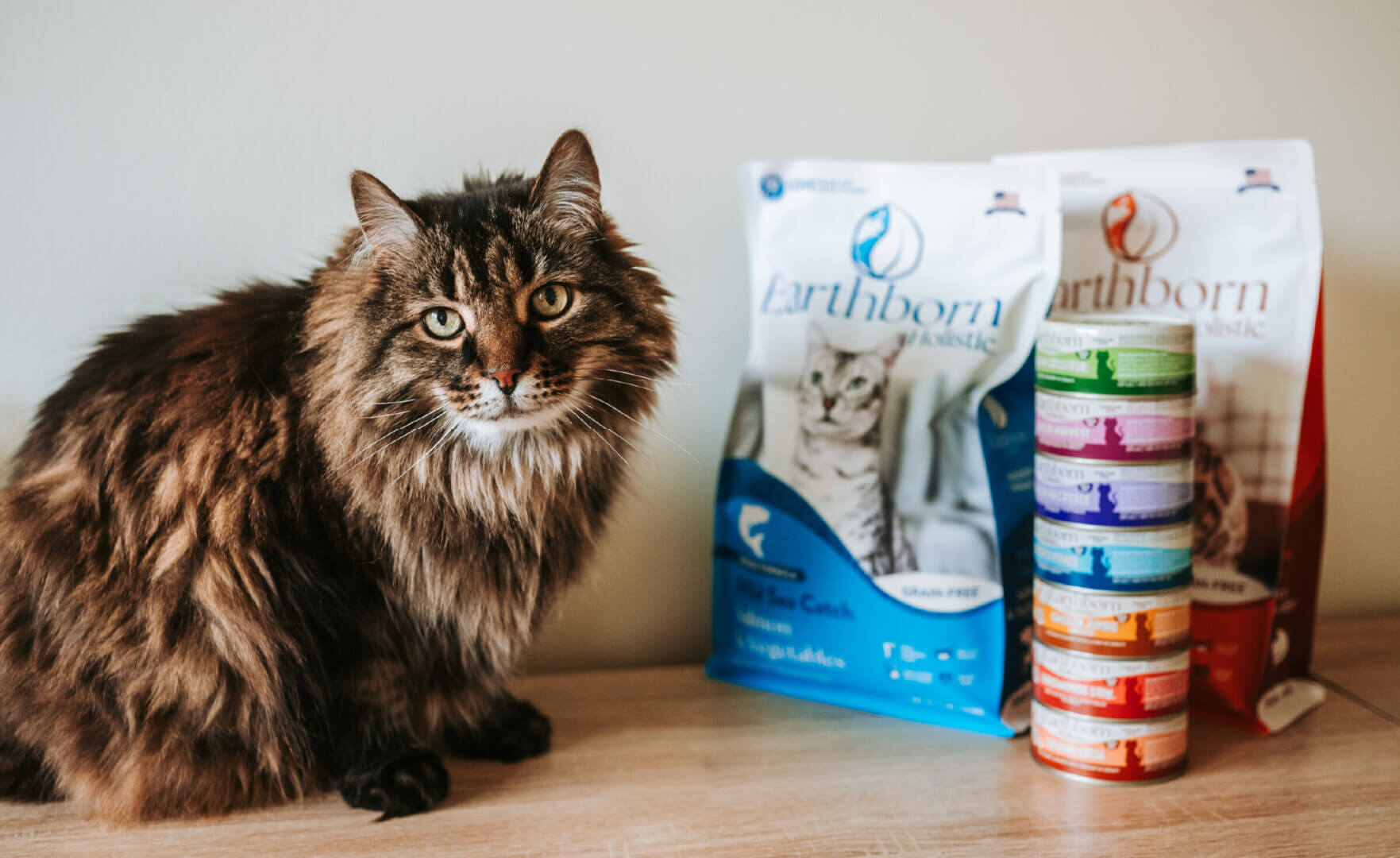
Choosing between wet and dry food impacts your cat's hydration levels. Wet food contains about 70-80% moisture, which helps keep your cat hydrated. Dry food, on the other hand, contains only about 10% moisture.
- Wet food benefits: Feeding your cat wet food can significantly boost their water intake. It's particularly beneficial for cats prone to urinary or kidney issues.
- Dry food considerations: If you prefer dry food, ensure your cat drinks plenty of water to compensate for the lower moisture content.
Mixing both food types can offer balanced nutrition and hydration. Experiment with different brands and flavors to see what your cat prefers. Remember, hydration isn't just about water bowls. It's about integrating moisture into their diet effectively.
How do you ensure your cat stays hydrated? Share your experiences and tips in the comments below!
Credit: www.earthbornholisticpetfood.com
Consulting A Veterinarian
When it comes to ensuring your feline friend's health, consulting a veterinarian about cat nutrition is a crucial step. Many cat owners may not realize that their pets have unique dietary needs that differ greatly from humans or even other animals. A vet can provide insights into the specific nutrients your cat requires, helping to tailor a diet that ensures long-term well-being.
Tailored Nutritional Plans
Every cat is unique, and so are their dietary needs. A veterinarian can develop a tailored nutritional plan that considers your cat's age, weight, activity level, and any health issues. For instance, a high-energy kitten needs a different diet compared to a sedentary senior cat.
Personal experience: When I first adopted my cat, I assumed a generic store-bought food would suffice. However, after consulting with my vet, I realized my cat needed a specific diet to manage her weight and kidney health. This personalized plan made a noticeable difference in her energy levels and overall happiness.
Monitoring Dietary Changes
Changing your cat's diet isn't just about swapping brands or flavors. It's essential to monitor how these changes affect your cat's health and behavior. A veterinarian can guide you on what to watch for, such as changes in coat condition, weight fluctuations, or digestive issues.
Have you ever noticed your cat becoming more lethargic or losing interest in play? These could be signs that their current diet isn't meeting their needs. Regular check-ins with your vet can help you make informed adjustments, ensuring your cat remains healthy and vibrant.
Remember, your cat relies on you for their nutritional needs. By consulting a veterinarian, you gain a partner in keeping your furry friend happy and healthy. What's one change you could make today to improve your cat's diet?

Credit: m.facebook.com
Frequently Asked Questions
What Do You Need To Know About Cat Nutrition?
Cats need protein-rich diets from animal sources. Ensure they get essential fatty acids, vitamins, and minerals. Hydration is crucial, so provide fresh water. Avoid toxic foods like chocolate and onions. Consult a vet for specific needs.
What Is The 25 Rule For Cat Food?
The 25% rule for cat food means it must contain at least 25% of the named ingredient. This applies when terms like "dinner," "entrée," or "platter" are used. Ensure you're buying quality food by checking these labels for nutritional value.
What Is The Best Nutrition For A Cat?
Cats thrive on a balanced diet of high-quality proteins, essential fats, vitamins, and minerals. Wet food ensures hydration, while dry food aids dental health. Choose foods specifically formulated for cats, avoiding fillers and artificial additives. Regularly consult a vet for personalized dietary recommendations.
Is 40% Protein Too Much For Cats?
40% protein is generally suitable for cats, supporting their carnivorous nature and muscle maintenance. Consult a vet for specific dietary needs, as individual requirements may vary. High protein diets benefit active cats but might not suit older or less active ones.
Balance is key for overall health.
Conclusion
Understanding cat nutrition is key to your pet's health. Balanced diets help cats stay active and happy. Choose food with essential nutrients. Protein, vitamins, and minerals matter. Watch portion sizes to avoid weight issues. Hydration is crucial for kidney health.
Fresh water daily is a must. Consult your vet for personalized advice. They know what's best for your cat's needs. A healthy cat means fewer vet visits. Less stress for both of you. Keep your feline friend’s diet in check.
They’ll thank you with purrs and playful moments. Your cat's well-being depends on wise nutrition choices.
