
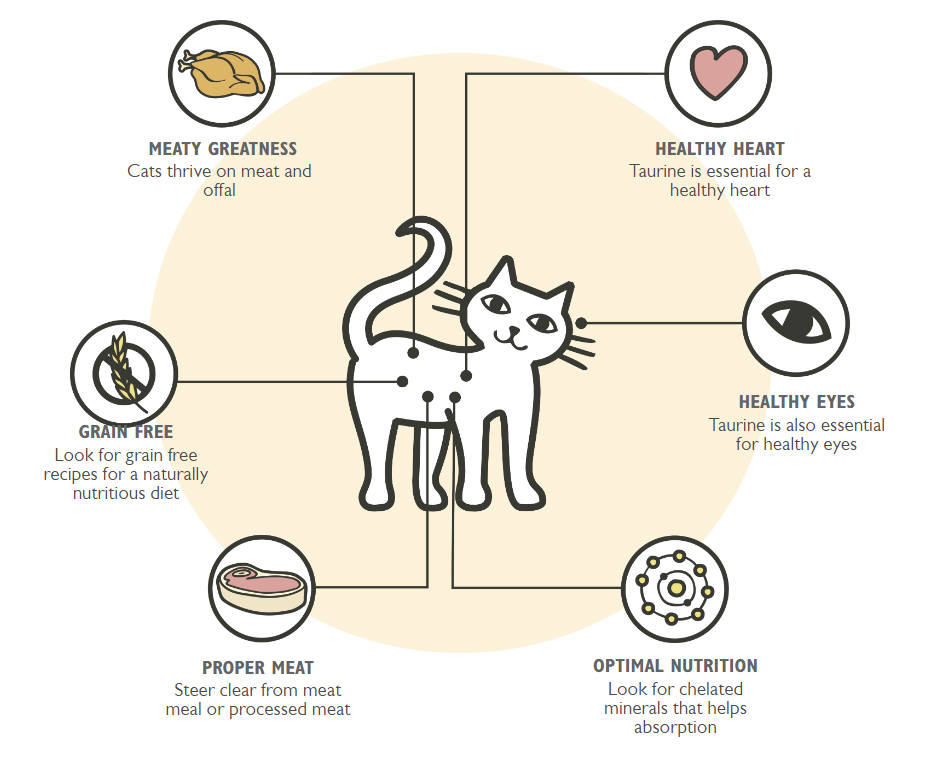
Are you a devoted cat parent curious about what nutrition is best for your furry friend? You've come to the right place.
Understanding what nutrition to provide and identifying what's good for cats can feel overwhelming. You want to ensure your cat is happy, healthy, and full of energy. But with so many options available, how do you choose the best for your feline companion?
You'll discover essential insights into cat nutrition that will help you make informed decisions. We'll unravel the secrets to a balanced diet that keeps your cat purring with joy. Keep reading to find out how you can enhance your cat's life with the right nutrients and ensure their well-being for years to come.

Credit: www.amazon.com
Basic Nutritional Needs
Understanding a cat's nutritional needs is essential for their health. Provide balanced meals with proteins, fats, and essential vitamins. Ensure fresh water is always available to keep your cat hydrated and healthy.
Cats, just like humans, require a balanced diet to maintain their health and vitality. Understanding their basic nutritional needs is crucial to ensure they thrive. A cat's diet should be rich in proteins, fats, vitamins, minerals, and hydration. Each of these elements plays a significant role in their overall well-being. Let's explore these needs in detail.
Proteins And Amino Acids
Cats are obligate carnivores, meaning they require a diet high in protein to survive. Proteins are the building blocks of life, helping in muscle development and repair. Essential amino acids such as taurine are vital for cats, impacting their vision, heart health, and reproductive functions. Consider offering your cat high-quality meat-based proteins. Chicken, turkey, and fish are excellent sources. A friend once shared how her cat's coat became shinier and her energy levels surged after switching to a diet with more real meat proteins.
Fats And Fatty Acids
Fats are another critical component of a cat's diet. They provide energy and aid in the absorption of fat-soluble vitamins. Essential fatty acids like Omega-3 and Omega-6 are crucial for maintaining healthy skin and a glossy coat. Including sources like fish oils or flaxseed can make a noticeable difference. You might notice how your cat’s skin becomes less flaky and their coat more lustrous after a few weeks of a fat-rich diet.
Vitamins And Minerals
Vitamins and minerals support various bodily functions, from boosting the immune system to promoting bone health. Cats require a range of vitamins including A, D, E, and K, along with minerals like calcium and phosphorus. A balanced commercial cat food often meets these needs, but always check labels for specific vitamin and mineral content. Have you ever wondered if your cat’s lethargy is linked to a deficiency? Ensuring they get a full spectrum of nutrients might just be the key to their liveliness.
Hydration Importance
Hydration is often overlooked but is vital for a cat's health. Cats naturally have a low thirst drive, which can lead to dehydration, especially if their diet consists primarily of dry food. Water supports kidney function and helps prevent urinary tract infections. Encourage your cat to drink more by placing water bowls in several locations. A cat fountain can also entice them to drink more frequently. You could try adding wet food to their diet to increase moisture intake—it's a strategy that worked wonders for many pet owners. What are you doing to ensure your cat gets all the nutrition they need? These practical steps can help you keep your feline friend happy and healthy.

Credit: justcatsclinic.com
Choosing The Right Cat Food
Choosing the right cat food is pivotal for your feline friend's health and happiness. With countless options on the market, making an informed decision can be challenging. A good starting point is understanding the differences between wet and dry food, reading labels effectively, and avoiding harmful ingredients. Let's dive into these key aspects to ensure your cat receives optimal nutrition.
Wet Vs Dry Food
Wet and dry food both have their advantages. Wet food often contains higher moisture content, which can help maintain your cat's hydration and support urinary health. It's also more aromatic, which might be appealing to picky eaters.
On the other hand, dry food is convenient and typically more affordable. It can be left out for longer periods without spoiling, making it ideal for cats that prefer to graze. Consider what suits your cat's lifestyle and preferences best.
Reading Labels
Labels are your guide to understanding what you're feeding your cat. Look for a high percentage of protein, which is vital for a carnivorous diet. Ingredients should be listed in order of weight, so ensure that meat or fish is the first listed ingredient.
Avoid products with fillers like corn or wheat gluten. They offer little nutritional value and can lead to weight gain. Familiarize yourself with common terms and their implications to make smarter choices.
Avoiding Harmful Ingredients
Some ingredients can be detrimental to your cat's health. Avoid foods containing artificial preservatives such as BHA and BHT. They may extend shelf life but can pose health risks.
Additionally, steer clear of artificial coloring and flavors. These additives can cause allergies or digestive issues. Opt for food with natural ingredients and additives whenever possible.
Have you checked your cat food's label lately? Making small changes can have a big impact on your cat's well-being. Don't underestimate the power of informed choices in your pet's diet.
Homemade Diets For Cats
Creating a homemade diet for cats requires protein, healthy fats, and essential vitamins. Include chicken, fish, and liver for protein. Add cooked vegetables like carrots for vitamins. Ensure a balanced diet with the right nutrients for your cat's health.
Homemade diets for cats are becoming popular among pet owners. These meals offer control over ingredients and quality. Preparing food at home can cater to specific dietary needs. It's also a way to ensure fresh, preservative-free meals.
Benefits Of Homemade Meals
Homemade meals ensure high-quality ingredients. Owners have peace of mind knowing what's in their cat's bowl. Tailoring meals to fit health needs becomes simple. Fresh food often enhances flavor and palatability. It's a great way to bond with your pet.
Recipes And Ingredients
Consider using chicken, fish, or beef as protein sources. Vegetables like carrots or peas add vitamins and minerals. Cook grains like rice or oats for energy. Use natural oils for healthy fats. Here's a simple recipe:
- 1 cup cooked chicken, shredded
- 1/4 cup cooked rice
- 1/4 cup peas, mashed
- 1 tablespoon olive oil
Mix ingredients thoroughly. Serve at room temperature. Adjust portions based on your cat's size and needs.
Balancing Nutritional Content
Balance is key for homemade cat diets. Ensure protein, fat, and carbohydrates are in proper ratios. Cats need taurine, an essential amino acid. Consider supplementing if needed. Too much or too little can affect health. Consulting a vet can help create balanced meals. Regular checks ensure your cat remains healthy.
Special Dietary Needs
Cats have specific dietary needs that vary with their age and health. Understanding these needs is crucial for their well-being. Each life stage and health condition requires a tailored approach to nutrition. This section explores the dietary requirements for senior cats, kittens, and those managing health conditions.
Senior Cats Nutrition
Older cats need fewer calories but more protein. This helps maintain muscle mass. Foods rich in antioxidants support their immune system. Omega-3 fatty acids help with joint health. Fiber aids digestion and prevents constipation. Monitor their weight regularly to avoid obesity. Specialized senior cat food often meets these needs effectively.
Kitten Dietary Requirements
Kittens require high-energy food to support growth. Protein is vital for developing muscles and tissues. Calcium and phosphorus are essential for strong bones. DHA, an omega-3 fatty acid, helps brain development. Wet food is often recommended for hydration. Offer small meals several times a day to meet their energy needs.
Managing Health Conditions
Cats with health issues need specific diets. Diabetic cats benefit from low-carb, high-protein foods. Cats with kidney disease require low-phosphorus diets. Allergies might necessitate hypoallergenic food options. Always consult a vet for tailored nutritional advice. Prescription diets can be vital for managing certain conditions. Regular check-ups ensure the diet meets their ongoing needs.
Common Feeding Mistakes
Feeding your cat the right nutrition is crucial for their health. Many cat owners unknowingly make common feeding mistakes. These mistakes can lead to health issues for their feline friends. Understanding these errors can help keep your cat healthy and happy.
Overfeeding Risks
Overfeeding is a frequent mistake cat owners make. Cats are prone to obesity, which can lead to serious health problems. Excess weight puts stress on their joints and organs. It can also decrease their life expectancy. Always measure your cat's food to prevent overfeeding.
Inadequate Nutrients
Cats require specific nutrients for optimal health. Some owners provide diets lacking these essential nutrients. This can lead to deficiencies and health problems. Ensure your cat's food contains taurine, protein, and other vital nutrients. A balanced diet supports their overall well-being.
Human Foods To Avoid
Not all human foods are safe for cats. Certain foods can be toxic and harmful. Avoid giving your cat chocolate, onions, or garlic. These can cause serious health issues. Stick to cat-safe foods for their safety and health. Always consult your vet if unsure about a food item.

Credit: www.kwikpets.com
Monitoring Cat Health
Monitoring your cat's health is vital for their well-being. Proper nutrition plays a key role. Regular checks can help identify any health issues early. This ensures your cat stays healthy and happy. A balanced diet is essential, but knowing the signs of nutritional deficiency is crucial too. Regular visits to the vet can catch potential problems. It's important to adjust your cat's diet as needed for optimal health.
Signs Of Nutritional Deficiency
Cats may show specific signs if lacking nutrients. Look for changes in their coat. A dull, dry coat might indicate a deficiency. Weight loss or gain can also be a sign. Pay attention to energy levels. If your cat seems lethargic, it could be nutrition-related. Poor appetite or frequent illness may suggest a problem. Always consult a vet if you notice these signs.
Regular Veterinary Check-ups
Regular vet visits are essential for your cat's health. A vet can provide a thorough health assessment. They can identify issues you might not notice. Vets can recommend dietary changes if needed. They can also check for underlying health problems. Keeping up with vaccinations is important too. Regular check-ups ensure your cat stays healthy.
Adjusting Diet As Needed
Your cat's dietary needs might change over time. Age, activity level, and health status can affect their diet. A growing kitten needs different nutrients than an adult cat. Senior cats might need a diet with fewer calories. Monitor your cat's health and adjust their diet accordingly. Consult your vet for guidance on the right diet. A balanced diet supports your cat's health and longevity.
Frequently Asked Questions
What Is The Best Nutrition For A Cat?
Cats thrive on a balanced diet of high-quality protein, fats, and essential vitamins. Opt for wet or dry cat food with meat-based ingredients. Ensure it meets AAFCO standards for complete nutrition. Fresh water should always be available for hydration. Consult a vet for personalized dietary advice.
What Is The 25 Rule For Cat Food?
The 25% rule for cat food means the named ingredient(s) must make up at least 25% of the product. This applies to terms like "dinner," "entrée," or "platter" on labels, ensuring transparency and quality in cat food content.
Is Canned Tuna Good For Cats?
Canned tuna is not ideal for cats. It lacks essential nutrients and can lead to health issues. Occasionally offering small amounts is okay, but it shouldn't replace regular cat food. Ensure your cat's diet is balanced and meets their nutritional needs for optimal health.
What Kind Of Homemade Food Is Good For Cats?
Cooked chicken, turkey, or fish are great for cats. Include plain rice or small amounts of vegetables. Ensure no seasoning or harmful ingredients like garlic or onions. Consult your vet for balanced nutrition. Homemade meals should supplement, not replace, commercial cat food for complete nutrition.
Conclusion
Providing the right nutrition keeps your cat healthy and happy. Choose quality cat food with essential vitamins and minerals. Balance proteins, fats, and carbohydrates for energy. Fresh water is crucial for hydration. Treats are fine, but don't overdo them. Consult your vet for specific needs or health concerns.
Pay attention to your cat's reactions and preferences. Adjust diet as needed for age or weight changes. A good diet leads to a longer, healthier life for your furry friend. Prioritize nutrition, and your cat will thrive.
