
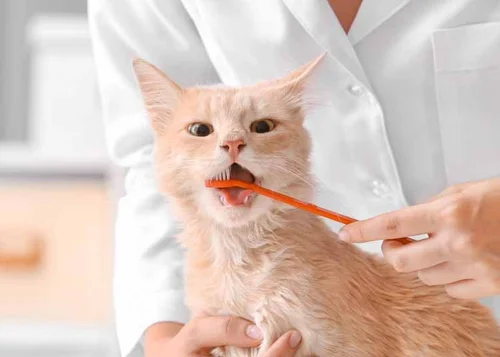
Have you ever wondered if brushing your cat's teeth is really necessary? You’re not alone.
Many cat owners are unsure about this aspect of feline care. You want the best for your furry friend, and oral health is a crucial part of their overall well-being. Cats can’t tell you if they're experiencing dental discomfort, but as a caring owner, you can take steps to prevent problems before they start.
Imagine your cat happily munching on their favorite treat, free from the risk of painful dental issues. Intrigued? Let’s uncover why brushing your cat's teeth might be more important than you think, and how it can lead to a healthier, happier life for your pet. Keep reading to find out how you can make a big difference with just a small daily habit.
Importance Of Dental Care For Cats
Cats, like humans, need proper dental care for a healthy life. Dental health impacts their overall well-being. Many cat owners overlook this important aspect. But why is it so crucial? Let's explore.
Understanding Cat Dental Health
Cats can suffer from dental issues like humans. Plaque and tartar build-up are common problems. These can lead to gum disease and tooth decay. Regular dental care helps prevent these issues. It keeps your cat's mouth healthy and pain-free.
Common Dental Problems In Cats
Gingivitis is a common issue in cats. It causes red and swollen gums. Periodontal disease is another problem. It affects the tissues supporting the teeth. Both conditions are painful for cats. Proper dental care can prevent these problems.
Signs Your Cat Needs Dental Care
Bad breath is a sign of dental issues. Drooling and difficulty eating are also indicators. If your cat shows these signs, it needs dental attention. Regular check-ups with a vet can help catch problems early.
Benefits Of Regular Cat Dental Care
Regular dental care prevents serious health issues. It can also save on costly vet bills in the future. A healthy mouth means a happier, more active cat. Your cat will enjoy eating and playing without pain.
Simple Steps For Cat Dental Care
Brushing your cat's teeth is essential. Use a cat-friendly toothbrush and toothpaste. Introduce the routine slowly to your cat. Regular vet check-ups are also important. They can professionally clean your cat's teeth.
Dental care is vital for your cat's health. It prevents pain and illness. Start caring for your cat's teeth today for a happier pet.

Credit: www.discovermagazine.com
Signs Of Dental Issues
Dental issues in cats are more common than you might think. Regularly checking your cat's mouth for signs of trouble can prevent serious health problems. Cats are masters at hiding discomfort, so it's up to you to notice subtle changes that might indicate dental distress. Here are some signs that your feline friend may be experiencing dental issues:
Bad Breath
Ever leaned in for a cuddle and recoiled from your cat's breath? Bad breath isn't just unpleasant; it's a major sign of dental problems. While a little odor is normal, a consistently foul smell could suggest gum disease or tooth decay. Consider how often you've noticed it and whether it's accompanied by other symptoms.
Difficulty Eating
If your cat is suddenly hesitant to eat or dropping food from its mouth, dental issues might be the culprit. Cats with sore gums or infected teeth often struggle to chew. You might notice weight loss or increased fussiness with food. Pay attention to any changes in eating habits as they can be a cry for help.
Pawing At The Mouth
Does your cat frequently paw at its mouth or face? This behavior can indicate dental pain or irritation. Cats instinctively try to alleviate discomfort by pawing at the affected area. Observe if this behavior is paired with drooling or bleeding gums, as these are clear signs to consult a vet.
Addressing these signs early can save your cat from unnecessary pain and you from hefty vet bills. Always keep an eye on your furry companion's dental health. What steps will you take to ensure your cat's teeth are in top shape?
Benefits Of Brushing Cat's Teeth
Regularly brushing your cat's teeth helps prevent gum disease and plaque buildup. It promotes better oral hygiene and can extend your cat's life. Healthier teeth mean less pain and fewer vet visits.
Brushing your cat's teeth might not be the first thing that comes to mind when you think of pet care, but the benefits are undeniable. Much like humans, cats require oral hygiene to maintain their overall health. Surprisingly, oral health can impact more than just your feline friend's mouth. Let's explore how this simple act can make a significant difference in your cat's life.
Prevention Of Dental Diseases
Regular brushing can help prevent common dental issues like plaque buildup, gingivitis, and periodontal disease. These conditions not only cause discomfort but can also lead to more serious health problems if left untreated. Think about it: would you want to endure constant tooth pain? Your cat certainly doesn't. By brushing their teeth, you can help avoid costly vet visits and ensure a happier, pain-free life for your furry companion.
Improved Overall Health
Did you know that poor dental health can affect your cat's entire body? Bacteria from the mouth can enter the bloodstream, potentially affecting the heart and kidneys. When I started brushing my cat's teeth regularly, I noticed she became more energetic and playful. It was as if she had a new lease on life. This small change had a ripple effect on her overall well-being. Have you ever considered how much your cat's dental health influences their vitality? Brushing their teeth is a simple way to enhance their longevity and quality of life.
:strip_icc()/brush-your-cats-teeth-4778262-hero-9b2c8ee454904454a195642ceaa5454e.jpg)
Credit: www.thesprucepets.com
How To Brush Your Cat's Teeth
Brushing your cat's teeth might seem challenging, but it's important for their health. Cats, like humans, can suffer from dental issues. Regular brushing helps prevent plaque buildup and keeps their teeth healthy. Creating a dental care routine can enhance your cat's overall well-being.
Choosing The Right Tools
Selecting the right tools makes the process easier. Use a cat-specific toothbrush. They are smaller and softer, perfect for feline mouths. Cat toothpaste is essential too. Never use human toothpaste. Cat toothpaste comes in flavors they like, such as chicken or fish.
Step-by-step Brushing Guide
Start by getting your cat comfortable with the toothbrush. Let them sniff it and get used to its presence. Apply a small amount of cat toothpaste. Gently lift your cat's lips to expose their teeth. Brush in a circular motion, focusing on the gum line. Start with a few teeth and gradually increase the number over time. Keep sessions short, especially at the beginning.
Tips For A Successful Routine
Patience is key. Reward your cat with treats after each session. This creates a positive association. Brush at the same time each day to establish a routine. If your cat resists, don't force it. Take a break and try again later. Persistence will pay off in the long run.
Alternatives To Brushing
Brushing your cat's teeth might not always be feasible. Cats, known for their independent nature, don't always cooperate with grooming routines. Luckily, there are alternatives to brushing that can help maintain your cat's dental health.
Dental Treats And Toys
Dental treats are a tasty way to care for your cat's teeth. Many are designed to reduce plaque and freshen breath. Look for those approved by veterinary dental associations.
Consider dental toys as well. These toys not only entertain your cat but also clean their teeth. They often come in various textures that help scrape off tartar.
Professional Dental Cleanings
Sometimes, a professional touch is necessary. Your veterinarian can perform a thorough cleaning, much like a dental hygienist does for humans. This ensures that your cat's teeth are free from plaque and tartar.
Professional cleanings might be a bit costly. However, they can prevent serious dental issues down the road. When was the last time you had your cat's teeth checked by a vet?
Common Challenges And Solutions
Brushing a cat's teeth can be tricky. Cats often resist, making it hard for owners to maintain dental hygiene. Using flavored toothpaste and starting slowly can help ease the process and keep your cat's teeth healthy.
Common Challenges and Solutions Brushing your cat's teeth can be tricky. Many cat owners face challenges. Cats are often resistant to oral care. Understanding common problems can help. Let's explore solutions to keep your cat's teeth healthy.
Dealing With A Resistant Cat
Some cats dislike their mouths being touched. Start slowly with your cat. Use a soft-bristled toothbrush. Let your cat sniff and explore it. Reward calm behavior with treats. Gradually introduce brushing. Keep sessions short and gentle. Patience is key. Consistency helps your cat adjust.
When To Seek Veterinary Help
Sometimes brushing is not enough. Your cat may need professional care. Look for signs of dental problems. Bad breath or bleeding gums indicate issues. If your cat refuses food, visit the vet. Regular check-ups are vital. A vet can provide expert advice. They may recommend dental cleanings.
Maintaining Oral Health
Cats are known for their independent nature, but they need help with oral health. Dental issues can affect their overall well-being. Maintaining oral health is crucial for preventing problems like gum disease or tooth decay. Regular care can ensure your feline friend's mouth stays healthy.
Regular Veterinary Check-ups
Veterinary check-ups are vital for your cat's dental health. Experts examine teeth and gums for signs of trouble. Early detection can prevent serious issues. During these visits, veterinarians may recommend professional cleanings. Cleanings help remove plaque and tartar buildup. Regular check-ups keep your cat's mouth in top condition.
Dietary Considerations
Your cat's diet plays a role in oral health. Some foods help reduce plaque formation. Crunchy kibble can naturally clean teeth. Wet food may stick to teeth, increasing plaque risk. Special dental diets are available to support oral hygiene. These diets contain ingredients that combat dental issues. Choosing the right diet can promote a healthy mouth for your cat.

Credit: www.purina.com
Frequently Asked Questions
What Percentage Of Cat Owners Brush Their Cat's Teeth?
Only about 10% of cat owners brush their cat's teeth regularly. Most owners overlook dental care for cats. Regular brushing can prevent dental issues, but few practice it. It's important for a cat's oral health. Consider consulting a vet for advice on proper cat dental care.
How Often Should I Brush My Cat's Teeth?
Brushing your cat's teeth daily is ideal. It helps prevent plaque buildup and dental issues. If daily brushing isn't possible, aim for at least three times a week. Regular dental care is crucial for your cat's overall health.
What Tools Do I Need For Brushing?
You'll need a cat-specific toothbrush and toothpaste. Human toothpaste is not safe for cats. Choose a toothbrush with soft bristles. Ensure the toothpaste is flavored for cats. These tools will make the process easier and more effective.
Can I Use Human Toothpaste On My Cat?
No, human toothpaste is unsafe for cats. It contains ingredients harmful to them. Always use cat-specific toothpaste. These are designed to be safe and palatable. They often come in flavors appealing to cats, like chicken or fish.
Conclusion
Brushing your cat's teeth is important for their health. It prevents gum disease and bad breath. A routine can help keep their teeth clean. Start slowly and be patient. Use cat-friendly toothpaste and a soft brush. This practice can be part of your cat's care.
It boosts their overall well-being. Your cat deserves a healthy mouth. Don't wait too long to begin. Regular dental care is vital. Make it a habit for your furry friend. Your effort will pay off in the long run. Happy brushing!
