
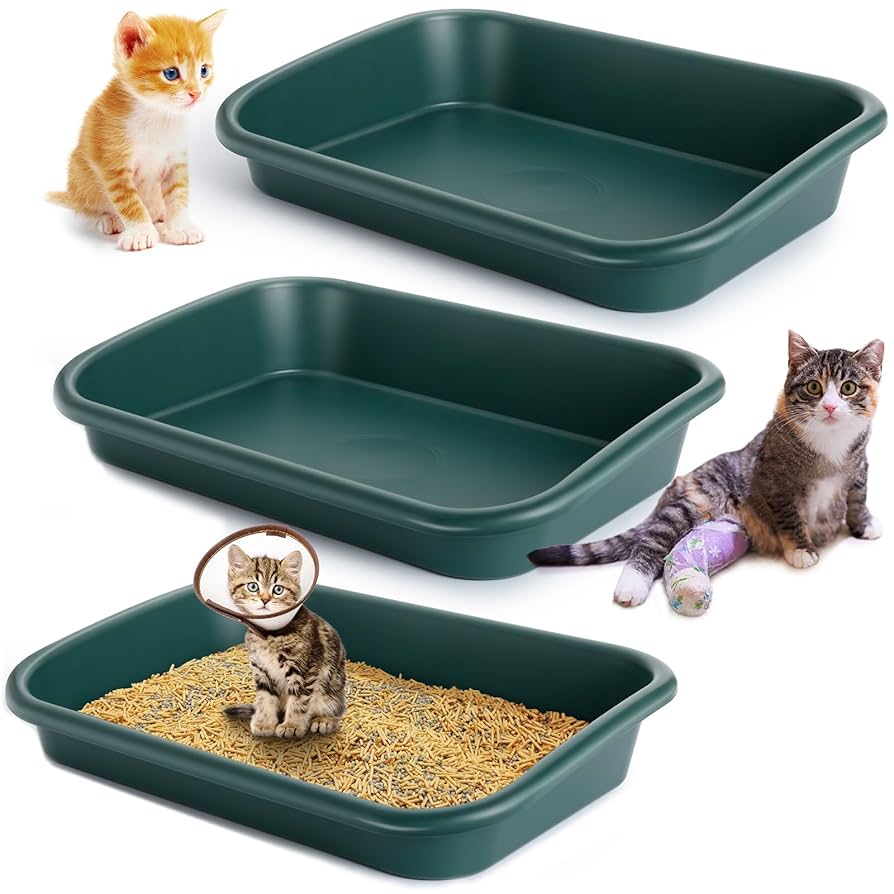
As your cat enters their senior years, small changes to their routine can have an outsized impact on their comfort and well-being. Litter box avoidance is one of the most common issues pet owners face with aging cats, and it’s rarely a sign of stubbornness—more often, it’s a signal that their current setup doesn’t account for age-related mobility issues, cognitive decline, or health sensitivities. Per the Cornell Feline Health Center, an estimated 80% of cats over 10 years old develop osteoarthritis, a condition that can make climbing into high-sided boxes or stepping on hard litter painful. Combined with reduced vision, cognitive dysfunction syndrome (CDS), and increased sensitivity to dust and odors, even a standard litter box can become a source of stress and pain for your older cat.
The right litter box setup isn’t just a convenience—it’s a core part of supporting your cat’s dignity, independence, and long-term health. Below, we break down the essential features to prioritize, common pitfalls to avoid, and small, actionable tweaks to make the litter box a welcoming, low-stress space for your aging feline. You can also read our guide on flea and tick collar cat.
Understanding Senior Cats’ Unique Litter Box Needs
Before selecting a new box, it helps to understand the age-related changes that impact how older cats interact with their litter area:
- Mobility limitations: Arthritis, hip dysplasia, and age-related muscle loss make squatting, climbing, and balancing painful or impossible for many senior cats.
- Cognitive decline: Cats with CDS may forget where the litter box is located, or become disoriented by even small changes to their environment.
- Sensory changes: Reduced vision makes it hard to navigate high-sided boxes or dimly lit areas, while sensitive noses are easily irritated by strong litter fragrances or dust.
- Urinary and digestive shifts: Senior cats are more prone to kidney disease, diabetes, UTIs, and constipation, which can increase urgency and make posturing in the box uncomfortable.
These changes mean standard kitten or adult cat litter boxes are almost never suitable for cats over 10, and small adjustments to your setup can eliminate most litter box-related stress.
Key Features to Look for in a Senior Cat Litter Box
The original litter box your cat used as a kitten likely no longer fits their needs. Prioritize these features when shopping for a new box:
Size and Accessibility
The box should be at least 1.5 times the length of your cat from nose to tail base—for a typical 10lb domestic cat, that means a minimum of 18 inches long by 24 inches wide, to give them room to turn around and squat without feeling cramped. High sides (over 3 inches) and steep entry lips are a major barrier: cats with arthritis or hip pain will avoid the box entirely if they have to climb or step up to enter. Look for boxes with low, gradual entryways (2 inches or less high) and non-slip edges on both the interior and exterior to prevent falls on wet paws. In practice, most senior cats will refuse to use a box that is even slightly too small, even if it was a perfect fit when they were younger, so err on the side of extra space. You can also read our guide on best rated cat litter box.
Box Type: Open, Enclosed, or Self-Cleaning
Not all litter box styles work for senior cats, so weigh the pros and cons of each:
- Open boxes: The best choice for most senior cats. They are easy to enter, easy for you to spot clean, and don’t trap odors or make cats feel trapped. They are ideal for cats with anxiety or vision loss, as your cat can see their surroundings and exit quickly if startled.
- Enclosed boxes: Can offer privacy, but many senior cats find them confining, and they trap odors that can deter use. If you choose an enclosed box, ensure it has ample ventilation and a large, low-entry opening.
- Self-cleaning boxes: These can drastically reduce your daily cleaning workload, which is helpful for owners with limited mobility, but the motor noise can startle cats with noise sensitivity or cognitive decline. If you opt for a self-cleaning model, introduce it gradually, and place a small amount of your cat’s used litter in the new box to help them adjust. For top picks built for senior cats, check out our guide to self-cleaning models.
Multiple Boxes for Multi-Cat or Multi-Level Homes
If you have more than one cat, senior cats are often bullied away from shared litter boxes by younger, more dominant pets, so provide at least one box per cat plus one extra. If your home has multiple floors, place a low-entry box on every level your cat frequents, to avoid painful climbs up or down stairs when urgency strikes. For homes with multiple pets, our guide to multi-cat household setups offers tips for reducing competition and stress around litter box access.
Litter Selection for Senior Cats
The type of litter you use can make the difference between a cat that uses their box happily and one that avoids it entirely. Prioritize these traits when selecting litter for your aging cat:
Soft, Low-Dust Texture
Senior cats with sore paws or arthritis are sensitive to hard, rough litter. Opt for fine-grained, soft clumping clay or silica gel litter that feels like sand under their paws, rather than hard clay pellets or rough wood shavings. Dust from litter can also aggravate asthma and respiratory issues, which are common in older cats, so choose a low-dust formula to reduce airborne particles when your cat digs. You can also read our guide on cat grooming san antonio tx.
Low-Tracking Formulas
Litter that sticks to your cat’s paws is not just a mess for your home—scattered litter can create a slipping hazard for senior cats with balance issues. Look for low-tracking litter formulas that stay in the box, and place a non-slip mat in front of the box to catch any stray grains.
Unscented, Gentle Formulas
Strong fragrances in litter can be overwhelming for senior cats with sensitive noses, and may cause them to avoid the box entirely. Stick to unscented litter, and avoid adding deodorizing sprays directly to the litter, as these can irritate respiratory tracts. If odor is a concern, opt for a box with odor-resistant designs or use small amounts of safe deodorizing additives sprinkled under the litter layer, which are formulated to be non-toxic to cats. You can also read our guide on what sort of nutrition is needed for a sick cat.
Optimal Litter Box Placement
Where you place the litter box is just as important as the box itself, especially for senior cats with mobility or cognitive issues:
Quiet, Low-Traffic Areas
Senior cats, especially those with cognitive decline, are easily startled by loud noises and sudden movement. Place the litter box in a quiet corner of a rarely used room, away from washing machines, furnaces, TVs, and high-traffic hallways. Avoid placing the box near entryways, where door slams or visitor noise can cause stress.
Ground-Level, Consistent Locations
Never place a litter box on an upper floor or in a spot that requires your cat to climb stairs or jump to access it, especially if they have mobility issues. Keep the box in the same spot at all times—moving it even a few feet can disorient a senior cat with vision loss or CDS, leading to accidents. Also, keep litter boxes far away from food and water bowls, as cats naturally avoid eliminating near their eating area. You can also read our guide on automatic self cleaning cat litter box.
Avoid Stress Triggers
Keep the box away from other pets’ feeding or resting areas, as a dominant pet may guard the box and prevent your senior cat from accessing it. If you have dogs, place the box in a room that can be closed off with a baby gate, so dogs can’t reach it, but your cat can jump over easily.
Maintenance and Hygiene Best Practices
Senior cats are far more sensitive to dirty litter boxes than younger cats, and a poorly maintained box is one of the top causes of litter box avoidance in aging felines.
Daily and Weekly Cleaning Routines
Scoop waste from the box at least once per day—senior cats are fastidious, and even a small amount of leftover waste can deter them from using the box. Every week, empty all litter, and wash the box with warm water and mild, unscented soap. The ASPCA recommends avoiding harsh chemical cleaners, bleach, or strong fragrances, as residues can irritate your cat’s paws and respiratory tract. Replace litter completely during this weekly cleaning to prevent bacterial buildup.
Odor Control Without Harsh Chemicals
Strong chemical deodorizers can deter cats from using the box, so opt for natural odor control methods: sprinkle a thin layer of baking soda under the litter to absorb odors, or use small amounts of the safe deodorizing additives we recommend, which are formulated to be non-toxic to cats. Avoid placing air fresheners or scented candles near the litter box area.
Proper Accident Cleanup
If your cat has an accident outside the box, clean the spot immediately with an enzymatic cleaner, which breaks down the urine or feces odor completely. Never use ammonia-based cleaners, as ammonia smells like urine to cats, and will encourage them to repeat the accident in the same spot. For set-in stains, you may need to repeat the enzymatic cleaner application, or cover the area with a rug or piece of furniture until the odor is fully gone.
Health Monitoring and Veterinary Support
Litter box habits are one of the best early warning signs of health issues in senior cats, so paying close attention to their behavior can help you catch problems early.
Common Litter Box Red Flags to Watch For
Small changes in your cat’s routine can signal serious underlying issues:
- Straining, vocalizing, or spending excessive time in the box (signs of constipation, UTIs, or arthritis pain)
- Blood in urine or stool (signs of UTIs, kidney disease, or gastrointestinal issues)
- Increased frequency of urination (a common sign of kidney disease, diabetes, or hyperthyroidism)
- Urinating or defecating outside the box (can indicate pain, cognitive decline, or stress)
If you notice any of these changes lasting more than 2-3 days, schedule a vet visit promptly.
Supporting Urinary and Digestive Health
For senior cats with chronic kidney disease or urinary issues, diet plays a key role in reducing litter box urgency and discomfort. Our guide to kidney-supportive diets offers wet food options formulated to support kidney function and reduce urinary inflammation, which can make litter box use less painful for your cat.
When to Consult a Veterinary Behaviorist
If your vet rules out all underlying health issues, and your cat continues to avoid the box, a veterinary behaviorist can help identify stress triggers or cognitive decline issues, and suggest targeted interventions to encourage consistent use.
Extra Comfort Tweaks for Senior Cats
Small, low-cost adjustments can make the litter box feel far more welcoming for your aging cat:
Non-Slip Surfaces and Ramps
Place a non-slip mat in front of the litter box to prevent your cat from slipping on wet paws when exiting the box, especially if they have balance issues. If the entryway is still slightly too high for your cat, add a small, shallow ramp (1-2 inches high) to make entry even easier.
Warm, Draft-Free Placement
Arthritis pain is worse in cold, drafty environments, so avoid placing the litter box near cold windows, air vents, or exterior doors. For cats with severe joint stiffness, you can place a pet-safe heating pad under part of the box (not directly under the litter, to avoid overheating) to provide gentle warmth that soothes aching joints.
Minimize Environmental Stress
Senior cats with cognitive decline thrive on routine, so avoid moving the litter box, changing litter types, or adding new pets or furniture to the home without a gradual transition period. If you need to change litter, mix a small amount of the new litter in with the old litter over 1-2 weeks to help your cat adjust to the new texture and scent.
Frequently Asked Questions
How can I help my senior cat use the litter box consistently?
Start by ensuring the box meets their accessibility needs: low entry (2 inches or less), at least 1.5x their body length in size, and placed in a quiet, consistent, ground-level location. Use soft, low-dust, unscented litter, and scoop waste daily to keep the box clean. Reward your cat with treats or praise when they use the box correctly, and clean any accidents immediately with an enzymatic cleaner to prevent repeat incidents. If issues persist for more than a few days, consult your vet to rule out underlying health issues.
Are top-entry litter boxes suitable for older cats?
In almost all cases, no. Top-entry boxes require cats to jump up and down to access the litter, which puts significant stress on arthritic joints and can be disorienting for cats with reduced vision or cognitive decline. Side-entry low boxes are a far better choice for most senior cats. The only exception is if your cat has used a top-entry box their entire life with no mobility issues, but even then, monitor closely for signs of hesitation or pain.
What should I do if my elderly cat is pooping outside the litter box?
First, schedule a vet visit to rule out health issues: constipation, arthritis making it painful to squat, or cognitive decline can all cause this behavior. Next, clean all accident spots with an enzymatic cleaner to fully eliminate odor, so your cat doesn’t return to the same spot. Provide multiple low-entry litter boxes in quiet, accessible locations, and consider adding a litter attractant to encourage use. Reduce stress in your home by keeping routines consistent, and if issues continue, consult a veterinary behaviorist for targeted support.
Why is my elderly cat peeing in the house?
Urinating outside the box is often a sign of underlying health issues in senior cats: common causes include UTIs, kidney disease, diabetes, or arthritis pain that makes it hard to enter the box. Start with a vet checkup to rule out medical issues. Clean all accidents with enzymatic cleaner immediately, and ensure you have at least one low-entry litter box on every level of your home, scooped daily. If your cat is urinating on vertical surfaces (walls, furniture), this may be marking behavior due to stress, so assess for new triggers like new pets, moving furniture, or changes to your household routine.
Final Thoughts: Prioritizing Your Senior Cat’s Comfort
Creating a litter box setup that works for your aging cat doesn’t require expensive upgrades—small, intentional changes make the biggest difference. Prioritizing a low-entry, spacious box, soft low-dust litter, quiet consistent placement, and regular cleaning will reduce pain, stress, and accidents for your cat, while also cutting down on cleanup work for you. Remember to monitor your cat’s litter box habits closely, as small changes can be early signs of serious health issues that need prompt veterinary care. With these adjustments, you can help your senior cat maintain their independence and comfort for years to come. Ready to find the perfect box for your cat? Browse our roundup of top-rated senior-friendly boxes to find a low-entry, spacious option that fits your cat’s needs and your home.

This low-entry design eliminates the need for cats to climb high sides, reducing joint strain for arthritic felines.
Credit: www.amazon.com

Placing the litter box in a low-traffic, quiet area reduces stress and encourages consistent use for anxious older cats.
Credit: www.amazon.com

Wide entryways and non-slip edges are key features for senior cats with limited mobility or balance issues.
Credit: www.walmart.com
Transitioning Your Senior Cat to a New Litter Box Setup
Senior cats, especially those with cognitive dysfunction syndrome or long-standing daily routines, are highly sensitive to environmental changes. A rushed switch to a new litter box can trigger avoidance behavior and accidents, so follow a slow, low-stress transition process to help your cat adjust:
- Place the new box adjacent to the old one: Keep both boxes available in their original location for 3–5 days, so your cat can explore the new box at their own pace without losing access to their familiar elimination spot.
- Add familiar scent to the new box: Mix 1–2 scoops of your cat’s used litter from the old box into the new one, so it carries their familiar scent and feels less like an unfamiliar object.
- Gradually shift the new box to its permanent location: Once your cat is using the new box consistently, move it 1–2 feet closer to your desired final spot each day, until it reaches the intended location. Avoid large moves, as sudden shifts can disorient cats with reduced vision or CDS.
- Remove the old box once adjustment is complete: Once your cat is using the new box exclusively in its permanent spot, take away the old box entirely to avoid confusion.
A common mistake owners make is removing the old box immediately after introducing the new one, which leads to accidents as the cat searches for their familiar elimination area. Reward your cat with small treats or gentle praise when you see them using the new box to reinforce the positive association.
Troubleshooting Persistent Litter Box Issues
Even with a perfectly tailored setup, some senior cats continue to have accidents outside the box. If you’ve addressed all basic comfort and access needs, work through these evidence-based steps to resolve ongoing issues:
- Rule out undiagnosed medical conditions first: Pain from undetected arthritis, UTIs, kidney disease, or gastrointestinal distress is the most common cause of persistent litter box avoidance in senior cats. Ask your vet for a full senior blood panel and urinalysis if you haven’t had one completed in the last 6 months.
- Increase accessible box count: For multi-cat households, ensure you have at least one box per cat plus one extra, placed on every level of your home your cat frequents. Even single-cat households benefit from a second box in a separate quiet location, as cats with CDS often forget where their primary box is located.
- Use a cat-safe litter attractant: Unscented attractants made with natural herbal scents can encourage cats to use the box, especially if cognitive decline has made them forget the box’s purpose. Avoid attractants with strong fragrances, which can irritate sensitive senior nasal passages.
- Address hidden stress triggers: New pets, moved furniture, changes to your work schedule, or nearby loud construction can all cause stress-related litter box avoidance in senior cats. Keep daily routines as consistent as possible, and provide extra hiding spots and vertical space to help your cat feel secure. For cats with severe anxiety, consult your vet about short-term calming supplements or prescription medications.
Clean all accident spots with an enzymatic cleaner formulated for pet messes, per ASPCA guidelines, to fully break down urine and feces odor without leaving toxic residues that could encourage repeat accidents. Never use ammonia-based cleaners, as ammonia mimics the scent of urine to cats, and will draw them back to the same spot.
If you’ve tried all these steps and your cat continues to have consistent accidents, consult a veterinary behaviorist, who can identify subtle stress triggers or cognitive issues you may have missed, and create a customized care plan to support your cat’s long-term comfort.