
Have you ever wondered if nutritional yeast is safe for your cat? You're not alone.
As a pet owner, you're always on the lookout for ways to improve your furry friend's health and happiness. Nutritional yeast has gained popularity as a supplement due to its rich vitamin content and savory flavor. But can it benefit your cat too, or could it cause harm?
Understanding what's safe and beneficial for your pet is crucial. We'll explore the ins and outs of nutritional yeast and its effects on your cat's well-being. With the right information, you can make informed decisions and ensure your feline friend stays healthy and happy. Keep reading to uncover the truth about nutritional yeast and how it may impact your cat's life.
Nutritional Yeast Basics
Understanding nutritional yeast is essential if you're considering it for your cat's diet. This unique ingredient has gained popularity among health enthusiasts, but is it safe for our feline friends? Before you sprinkle it into their meals, let's explore what nutritional yeast is and its common uses in the human diet.
What Is Nutritional Yeast?
Nutritional yeast is a deactivated form of yeast, often derived from Saccharomyces cerevisiae. Unlike the yeast used for baking or brewing, nutritional yeast is cultivated specifically for its flavor and nutritional benefits. It's packed with B vitamins and has a cheesy, nutty taste, making it a favorite among vegans and vegetarians.
This flaky yellow substance is often sold in bulk or small jars. You might find it in health food stores or the health aisle of your local supermarket. Its popularity is largely due to its high vitamin content and savory flavor.
Common Uses In Human Diet
Nutritional yeast is a versatile ingredient in the kitchen. You can sprinkle it on popcorn for a cheesy flavor without the dairy, or mix it into pasta dishes for an extra nutrient boost. Many people use it as a seasoning in soups, salads, and even smoothies to enhance flavor and nutrition.
In my own kitchen, I've found it to be a fantastic addition to homemade vegan cheese sauces. It delivers that umami kick without adding extra calories or fats. If you're exploring plant-based diets, nutritional yeast can be a game-changer in achieving that savory depth.
However, before sharing this with your cat, consider their unique nutritional needs. Could this be a beneficial supplement or a potential risk? Let's delve deeper into its implications for feline health in the next sections.

Credit: www.facebook.com
Cats And Nutritional Yeast
Have you ever wondered if nutritional yeast could be a healthy addition to your cat's diet? This savory, flaky substance has gained popularity among humans for its cheesy flavor and health benefits. But how does it fare with our feline friends? Many cat owners are curious about whether nutritional yeast is safe and beneficial for their furry companions. Let’s dive into the potential benefits and nutritional content of nutritional yeast for cats.
Potential Benefits For Cats
Nutritional yeast could be a tempting treat for cats due to its flavor and aroma. Cats often react positively to its savory taste. Some cat owners have found that sprinkling a small amount over food can make meals more appealing to picky eaters. Could this be a secret weapon for getting your cat to eat its dinner?
Beyond the taste, nutritional yeast may offer health benefits. It's known for being rich in B vitamins, which play a crucial role in energy metabolism and maintaining healthy skin and coat. Adding a bit of nutritional yeast might boost your cat's vitality. But remember, moderation is key. Too much of anything can lead to imbalances.
Nutritional Content Analysis
Nutritional yeast is packed with essential nutrients. It contains a variety of B vitamins, including B1, B2, B3, B6, and B12, which are vital for your cat’s energy and overall well-being. These vitamins can aid in cognitive function and support a shiny coat. Who doesn't want their pet looking and feeling their best?
Additionally, nutritional yeast is a source of minerals like selenium and zinc. These minerals contribute to a strong immune system and healthy skin. However, keep in mind that while nutritional yeast is nutritious, it should not replace a balanced cat food diet. It’s more of a supplement or treat to enhance your cat's nutrition.
Have you tried adding nutritional yeast to your cat's meals? What was their reaction? Exploring new dietary options can be exciting, but always consult with your vet first. They can provide personalized advice based on your cat’s health needs.
Safety Concerns
Nutritional yeast has gained popularity among pet owners for its potential health benefits. However, as a responsible cat owner, you might wonder if it's safe for your feline friend. While nutritional yeast can be a source of essential nutrients, it's crucial to consider any safety concerns that might arise.
Toxicity Risks
Nutritional yeast is generally considered safe for cats, but moderation is key. Overconsumption can lead to potential toxicity. Cats have specific dietary needs, and an excess of certain nutrients found in yeast can disrupt their delicate balance.
For instance, too much yeast might result in digestive upset or imbalances in their gut flora. You wouldn't want your cat to experience discomfort or health issues, right? Consider consulting your vet before introducing nutritional yeast into their diet.
Allergic Reactions
Allergic reactions are another concern when feeding your cat nutritional yeast. While rare, some cats might develop allergies to yeast, leading to symptoms like itching or gastrointestinal distress.
If you notice any unusual behavior after introducing nutritional yeast, such as scratching or vomiting, it might be worth reconsidering its inclusion in their meals. Why risk your cat's comfort for a supplement?
Monitoring your cat's reaction to new foods is always a wise approach. Have you ever seen your cat react differently to a new ingredient?
Credit: twocrazycatladies.com
Veterinarian Opinions
Understanding what foods are safe for your beloved feline can be a tricky endeavor. If you've ever wondered whether nutritional yeast is safe for your cat, veterinarians have weighed in with their opinions. It's essential to consider their insights, as they play a crucial role in guiding pet owners to make informed decisions. Let's explore what the experts recommend and learn from real-life cases.
Expert Recommendations
Veterinarians generally agree that nutritional yeast can be a safe supplement for cats, but with a few caveats. It is often recommended due to its rich B-vitamin content, which can be beneficial for your cat's health. However, moderation is key. Too much of anything can lead to complications.
Many experts suggest starting with small amounts to see how your cat reacts. Have you ever considered mixing it into your cat's food? Some vets recommend this as a way to boost your pet's nutritional intake without overwhelming them. Always consult your vet before introducing new foods to ensure it aligns with your cat's specific needs.
Real-life Cases
Real-world experiences shared by cat owners can shed light on how nutritional yeast affects different felines. Some pet owners have noticed a significant improvement in their cat's coat and energy levels after adding nutritional yeast to their diet.
One cat owner reported that their senior cat showed more vitality after including the yeast in their meals. Another noted that their cat's digestive issues improved. What do these cases teach us? Every cat is unique, and while some may thrive, others may not react as positively.
Considering these varied experiences, it’s crucial to monitor your cat’s response closely. Could nutritional yeast be the missing piece in your cat's diet puzzle? Observing your cat’s behavior and health changes can provide invaluable insights.
Alternative Supplements
Nutritional yeast, rich in vitamins, might be safe for cats in moderation. Always consult a vet before introducing new supplements.
Considering alternative supplements for your cat can be a thoughtful way to enhance their nutrition. While nutritional yeast is popular for its B vitamins and savory flavor, it's crucial to explore other options that might suit your cat's specific needs. Some supplements can target different health aspects like skin health, joint support, or overall vitality.
Common Alternatives
There are several supplements that cat owners frequently consider. Fish oil is a popular choice, known for its omega-3 fatty acids, which support healthy skin and a shiny coat. Probiotics can be beneficial for digestion, helping maintain a balanced gut flora. Other alternatives include glucosamine and chondroitin, which are often used for joint health, especially in older cats. Taurine, an essential amino acid for cats, is critical for heart health and vision, and can be found in many cat-specific supplements.
Comparing Benefits
Each supplement offers distinct benefits that can cater to your cat's unique health needs. Fish oil, for example, not only boosts coat health but also supports cognitive function. Probiotics are great for digestive health, potentially reducing issues like diarrhea or constipation. If your cat is aging or has mobility issues, glucosamine and chondroitin can help maintain joint function and comfort. Meanwhile, taurine supplementation ensures your cat's heart and vision remain robust. Think about what specific areas of your cat's health you'd like to support. Are they experiencing digestive troubles or do they have a dull coat? Tailoring supplements to your cat's specific needs can make a significant impact on their overall well-being.
Tips For Safe Consumption
Ensure your cat's safety by offering small amounts of nutritional yeast. Monitor for any digestive issues or allergies. Always consult your vet before introducing new foods.
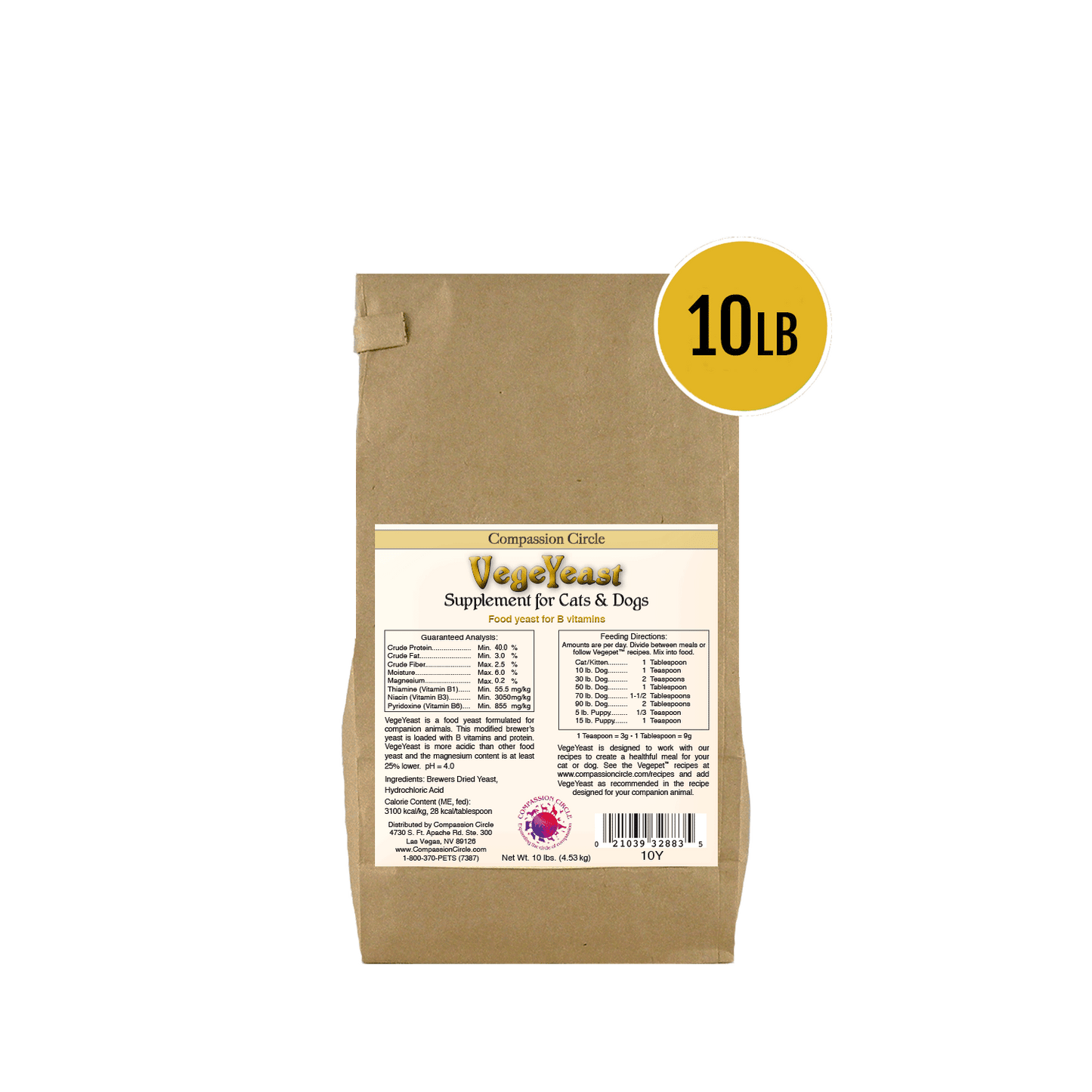
When adding nutritional yeast to your cat's diet, safety is key. Cats have unique dietary needs. Not all human foods are safe for them. Nutritional yeast can be beneficial. It offers B vitamins and protein. Yet, moderation is crucial. Too much can cause health issues. Follow these tips for safe consumption. Ensure your furry friend stays healthy and happy.
Proper Dosage
Begin with small amounts. A pinch is enough for testing. Observe your cat's reaction. Gradually increase to a safe level. Typically, half a teaspoon daily is safe. Consult your vet for personalized advice. Every cat is different. Their dietary needs vary.
Monitoring Your Cat's Health
Watch your cat for any changes. Look for signs of allergies or discomfort. Keep an eye on their skin and fur. Check for digestive issues like diarrhea. If problems occur, stop feeding nutritional yeast. Contact your vet if symptoms persist. Regular health checks are important. They ensure your cat's well-being.
Credit: vecado.com
Frequently Asked Questions
How Much Nutritional Yeast Can I Give My Cat?
Give your cat nutritional yeast in moderation. Limit to 1 teaspoon per day, mixed with food. Consult your vet for advice.
Why Do Cats Love Nutritional Yeast?
Cats love nutritional yeast because it contains a savory flavor they enjoy. It's packed with B-vitamins that benefit their health. The texture and taste mimic natural prey, appealing to their instincts. Nutritional yeast can enhance their food's palatability, encouraging picky eaters to consume their meals.
Can Pets Eat Nutritional Yeast?
Pets can eat nutritional yeast in moderation. It offers B vitamins and protein but may cause allergies. Consult a vet before adding it to your pet's diet. Ensure the yeast is specifically for pets, as some human varieties contain harmful ingredients.
Always monitor for any adverse reactions.
Is There A Downside To Nutritional Yeast?
Nutritional yeast may cause bloating or headaches in some individuals. It contains tyramine, which can trigger migraines. People with yeast allergies should avoid it. High purine content may affect those with gout. Moderation is key to avoid excessive intake of certain nutrients like fiber or B vitamins.
Conclusion
Nutritional yeast offers potential benefits for cats. It can improve coat health and boost energy. But, moderation is key. Too much can lead to problems. Consult your vet before adding it to your cat's diet. Each cat is unique. Always prioritize their health and well-being.
Observe your cat’s reaction. Adjust if needed. Use nutritional yeast as a supplement, not a main food source. This ensures your cat gets balanced nutrition. Happy cats are healthy cats. Keep their diet varied and safe. Your cat deserves the best care.
