
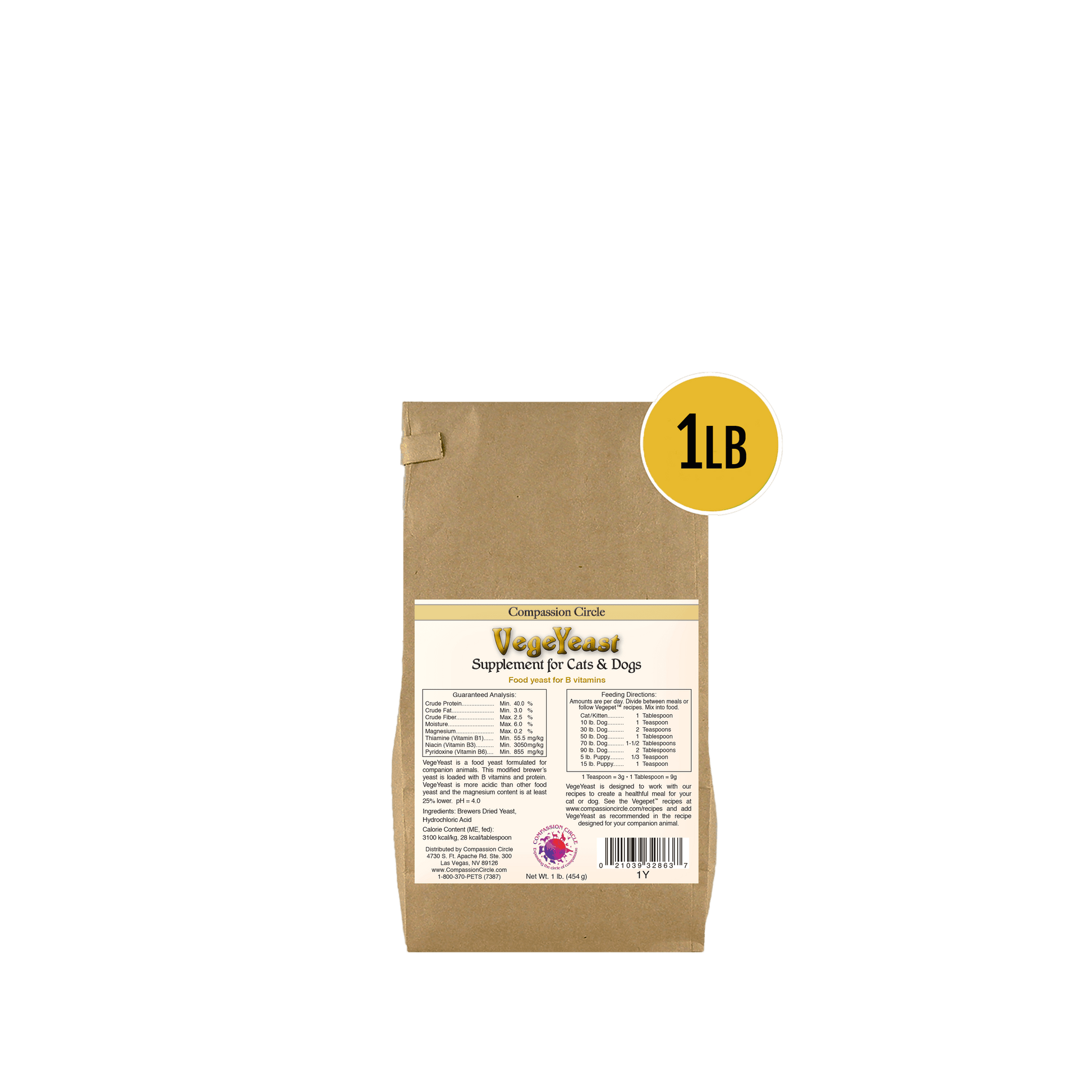
Have you ever wondered if your feline friend can safely enjoy nutritional yeast? As a cat owner, you want the best for your pet, and their diet is a crucial part of their health and happiness.
Nutritional yeast has been gaining popularity not only among humans but also among pet owners looking to enhance their cats' diets. But what exactly is nutritional yeast? This deactivated yeast, often used as a seasoning, is lauded for its cheesy flavor and nutritional profile. Before you sprinkle it over your cat's meal, it’s important to understand its composition, types, and potential benefits.
Composition And Types
Nutritional yeast is derived from the yeast species Saccharomyces cerevisiae. Unlike the yeast used for baking, this type is inactive, meaning it doesn’t ferment or rise. It’s commonly available in two forms: flakes and powder.
- Flakes:Easier to sprinkle over food, making it a convenient choice for adding to your cat’s meal.
- Powder:A finer texture that can blend seamlessly into wet food.
Both forms are typically fortified with essential nutrients like B vitamins, making them an appealing supplement. However, always check the label for any additives that might not be suitable for cats.
Nutritional Benefits
One of the main attractions of nutritional yeast is its rich nutrient profile. It’s packed with B vitamins, which are crucial for your cat’s overall well-being. These vitamins support their metabolism and help maintain healthy skin and fur.
Additionally, nutritional yeast is a good source of protein, which is vital for maintaining muscle mass in cats. But is it enough to meet all their nutritional needs?
Consider using it as a supplement rather than a replacement for their regular diet. This ensures your feline friend receives a balanced intake of nutrients. Always consult with your vet before making significant changes to your cat’s diet.
Have you tried introducing nutritional yeast to your cat’s meals? Did they enjoy the taste, or were they indifferent? Sharing these experiences can offer valuable insights for other pet owners.
Nutritional yeast, often hailed for its health benefits in humans, might seem like a tempting addition to your cat's meals. But is it truly safe for them? Before you sprinkle some into your kitty's bowl, let's explore whether this trendy supplement is a purr-fect choice or something to avoid.
Keep reading to discover the surprising truths about nutritional yeast and your cat's well-being. Your curiosity might just unlock new ways to enhance your pet's diet!
What Is Nutritional Yeast?
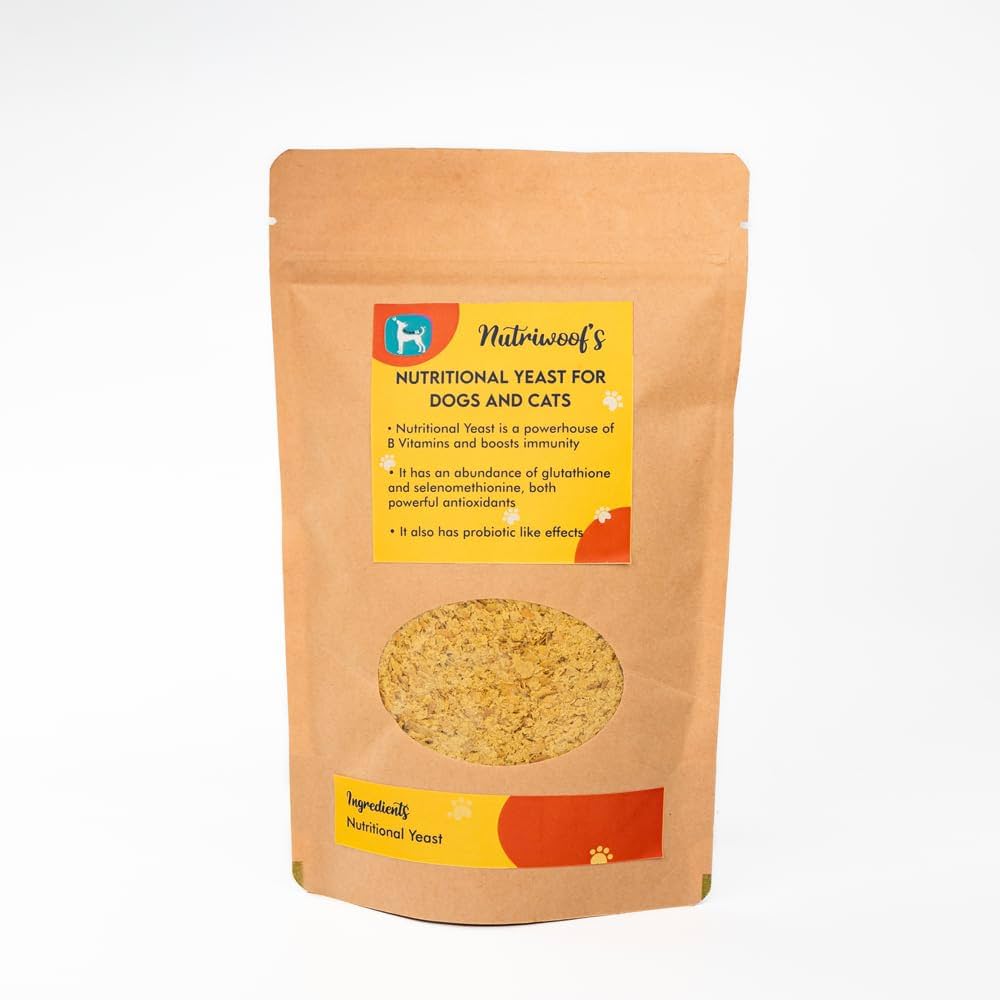
Credit: www.amazon.in
Nutritional Yeast For Cats
Nutritional yeast is a popular supplement for humans, known for its savory flavor and impressive nutritional profile. But what about your feline friends? Is it safe for them, and could it offer any benefits? Let's dive into the world of nutritional yeast for cats and discover how it might fit into their diets.
Potential Health Benefits
Nutritional yeast is packed with B vitamins, which are essential for a cat's overall health. These vitamins support energy production and maintain healthy skin and coat. Some pet owners believe that the yeast’s immune-boosting properties could help cats ward off common illnesses.
Additionally, nutritional yeast contains trace minerals like selenium and zinc. These minerals play a crucial role in enhancing your cat's immune system and supporting their metabolic functions. Could this be a tasty way to enrich your pet's diet?
Common Uses In Cat Diets
Many cat owners sprinkle nutritional yeast over their pet's food to enhance flavor. Cats often find the cheesy taste irresistible, making mealtime more enjoyable. If your cat is a picky eater, a dash of nutritional yeast might entice them to eat more.
Nutritional yeast can also be mixed into homemade cat treats. By incorporating it into snacks, you can offer your cat a nutrient boost. However, it's important to start with small amounts and monitor how your cat reacts. Would you consider trying this in your pet's diet?
Safety Concerns
Nutritional yeast can be safe for cats in small amounts. It offers vitamins and proteins but lacks taurine. Always consult a vet before adding new foods to your pet's diet.
Safety Concerns Nutritional yeast is popular among pet owners for its health benefits. But is it safe for cats? Understanding potential safety concerns helps ensure your cat's well-being. Cats may react differently to new foods, so awareness is key. Let's delve into specific issues like allergic reactions and digestive problems.
Allergic Reactions
Cats, like humans, can have allergies. Nutritional yeast may trigger allergic reactions. Symptoms include itching, swelling, or breathing difficulties. Monitor your cat's reaction when introducing new foods. If you notice any unusual behavior, consult your vet immediately. Allergies can be serious and need prompt attention.
Digestive Issues
Digestive problems are another concern. Nutritional yeast might upset a cat's stomach. Symptoms include vomiting, diarrhea, or constipation. Start with small amounts to gauge your cat's tolerance. Gradually increase the quantity if no issues arise. Watch for signs of discomfort or distress. A balanced diet is essential for digestive health. Always consult a vet before making dietary changes.

Credit: cattime.com
Veterinarian Recommendations
Nutritional yeast can be safe for cats in small amounts. It offers B vitamins and proteins, but moderation is key. Consult with a veterinarian to ensure it suits your cat's diet and health needs.
Veterinarian recommendations play a crucial role in determining if nutritional yeast is safe for cats. Cats have unique dietary needs. Always consult a veterinarian before introducing new foods. Nutritional yeast may offer benefits, but professional guidance is essential.
Consultation Importance
Consulting a veterinarian ensures your cat's safety. Cats have specific health needs. A vet can evaluate your cat's health. They offer tailored advice for dietary changes. An expert opinion prevents potential health risks. It ensures your cat's well-being.
Proper Dosage Guidelines
A veterinarian can guide you on appropriate dosage. Cats need precise amounts of nutritional yeast. Too much may cause digestive issues. Professional advice helps maintain balance. Dosage depends on your cat's weight and health. Follow your vet's recommendations for safe use.
Comparing With Other Supplements
Nutritional yeast is often compared to other supplements for cats. It offers a natural source of B-vitamins and proteins. Unlike synthetic options, it supports overall health without additives.
Comparing with Other Supplements Nutritional yeast has been gaining popularity not only among humans but also as a supplement for our feline friends. It's worth examining how it stands against other common supplements for cats. Understanding the benefits and limitations of nutritional yeast can help you make informed decisions about your cat's diet.
Benefits Over Alternatives
Nutritional yeast is packed with B vitamins, which are essential for your cat's energy levels and overall health. Unlike some other supplements, it is also a natural source of protein, making it a great addition to a protein-rich diet. Moreover, cats often enjoy the taste of nutritional yeast, which resembles a cheesy flavor. This can make it easier to introduce into their diet compared to other supplements that might be rejected due to their taste or smell. Additionally, nutritional yeast is generally affordable and easy to find. You might save a few bucks compared to other specialized cat supplements that promise similar benefits.
When To Choose Other Options
While nutritional yeast is beneficial, there are situations where other supplements may be more appropriate. If your cat has specific deficiencies, like taurine or omega-3 fatty acids, you might need to choose a supplement specifically targeting those needs. Cats with certain health conditions might require specialized diets or supplements. Always consult with your vet before making changes, especially if your cat has pre-existing conditions. If your cat is on a restricted diet, adding anything new, including nutritional yeast, should be carefully considered. Sometimes, sticking to a vet-recommended regimen is the best choice for your pet's health.
How To Introduce Nutritional Yeast
Introducing nutritional yeast to your cat's diet requires a gentle approach. Cats are sensitive creatures, and dietary changes can affect them. By gradually introducing nutritional yeast, you can ensure your cat's acceptance and monitor any reactions. Start with small amounts to let your cat adjust.
Gradual Introduction Tips
Start by sprinkling a tiny amount on your cat's food. Observe your cat's reaction to the new flavor. If your cat accepts it, gradually increase the amount over several days. This slow introduction helps prevent digestive upset. Mix it well with the food, so your cat doesn't eat it separately. Keep a consistent feeding schedule during this period.
Observing Behavioral Changes
Watch for any changes in your cat's behavior or health. Look for signs like increased energy or unusual behaviors. Monitor their stool for any digestive issues. If you notice any adverse reactions, stop the nutritional yeast immediately. Consult your vet if any concerning symptoms persist. Always prioritize your cat's health and comfort during dietary changes.

Credit: www.reddit.com
Frequently Asked Questions
Why Do Cats Love Nutritional Yeast?
Cats love nutritional yeast for its savory, cheesy flavor. It contains B vitamins, which are beneficial for their health. The umami taste appeals to their taste buds, making it an enticing treat. Nutritional yeast is also low in sodium, making it a safe, tasty addition to their diet.
Is Nutritional Yeast Safe For Pets?
Yes, nutritional yeast is generally safe for pets. It provides vitamins and minerals, supporting their health. Consult your vet before adding it to your pet's diet. Moderation is key to avoid potential digestive issues. Always ensure it's unfortified and free from additives for optimal safety.
Is It Safe For Cats To Eat Yeast?
Cats should not eat yeast. It can cause digestive issues and bloating. Yeast dough can expand in their stomach, leading to discomfort and potential emergencies. Keep yeast-containing foods out of their reach to ensure their safety and well-being. Always consult a vet for dietary advice.
Does Nutritional Yeast Keep Fleas Off Cats?
Nutritional yeast is not scientifically proven to repel fleas on cats. It's primarily a dietary supplement. Always consult a veterinarian for flea control advice. Using approved flea treatments ensures your cat's safety and health.
Conclusion
Nutritional yeast can be safe for cats in moderation. Always consult a vet first. Cats have different dietary needs than humans. This yeast offers some benefits, like protein and vitamins. But too much can upset their stomach. Monitor their health and watch for any adverse reactions.
It's a good idea to introduce it slowly. Observe how your cat responds. Every cat is unique, and some may not tolerate it well. Balance is key in their diet. Proper guidance ensures your cat stays healthy. Remember, your cat's well-being is the priority.
