
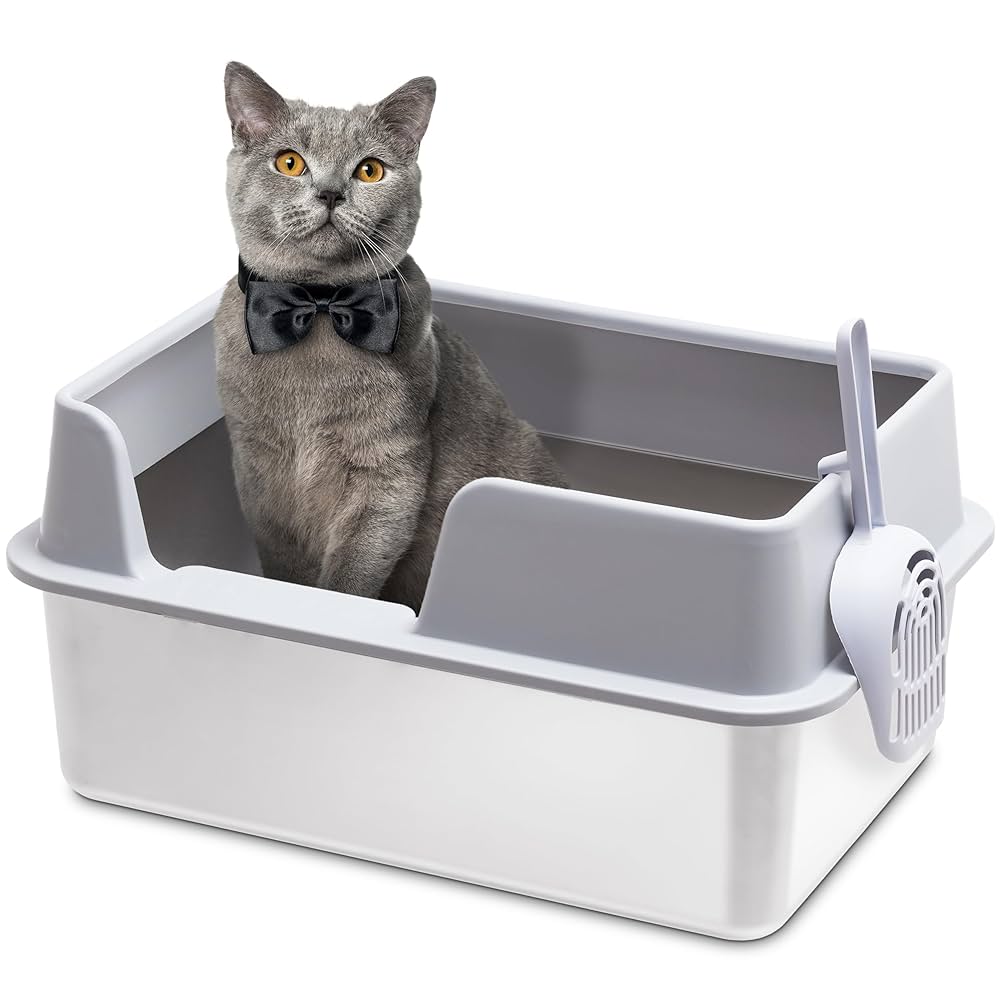
If you share a studio apartment, RV, tiny home, or small bathroom with a petite feline—think Singapura, Munchkin, Cornish Rex, or just a small domestic shorthair—you know the struggle of fitting a standard 36-inch litter box into your space without tripping over it or sacrificing style. A box that’s too large feels overwhelming to a 6-pound cat, while one that’s too small leads to accidents and messy cleanup. The right litter box for small cats solves both problems: it fits your tight space, encourages consistent use from your tiny companion, and cuts down on daily maintenance. In practice, most small-space cat owners overestimate the size their cat needs, leading to wasted floor space and a box their pet avoids entirely. This guide covers exact sizing rules, space-saving designs, key features to prioritize, and maintenance tips tailored to small cats and compact living, so you can find a perfect fit without the hassle.
Why Standard Litter Boxes Fail Small Cats in Tiny Spaces
Most mass-market litter boxes are designed for average 10-12 pound cats, with dimensions of 36x18x12 inches. For a small cat under 8 pounds, this extra space feels exposed and intimidating, especially in high-traffic small homes. High entry lips (4+ inches) are difficult for short-legged breeds or senior cats with arthritis to jump over, leading to accidents outside the box. Oversized boxes also eat up valuable floor space in studio apartments, RVs, and small bathrooms, making it hard to navigate your home without bumping into the box. For tiny spaces, a purpose-built small cat litter box eliminates these issues without sacrificing your cat’s comfort or your home’s functionality. You can also read our guide on enclosed litter box for cats.
Exact Sizing Guidelines for Small Cats
Choosing the right size is the most critical step in finding a box your cat will actually use, and it’s easier than most owners think when you follow simple, measurable rules.
Measuring Your Available Space
Start by measuring the footprint of the area you want to place the box: a small cat needs a litter box that is at least 1.5 times their body length, so for a 10-inch long cat, a 15-inch long box is the minimum. Leave 6 inches of clearance on all sides of the box for easy access—so if your target corner is 24 inches wide, an 18-inch box fits perfectly without blocking pathways. Avoid cramming the box into a closet or tight nook with less than 2 inches of clearance on any side; your cat will avoid using a box that feels cramped, and you’ll struggle to scoop waste efficiently. For entry height, prioritize 2-3 inch lips for short-legged breeds like Munchkins, and no higher than 4 inches for most other small cats. You can also read our guide on what sort of nutrition is needed for a sick cat.
Matching the Box to Your Cat’s Specific Needs
Observe your cat’s habits to fine-tune your choice: if they are a vigorous digger that kicks litter everywhere, opt for a box with 6-8 inch high sides even if it’s compact, to contain mess. If your cat is shy or easily stressed, a covered corner box offers privacy without taking up extra floor space. For kittens or senior cats with limited mobility, a low-entry open box is the most accessible option. If you have multiple small cats, follow the veterinary-recommended rule of one box per cat plus one extra, placed in separate quiet locations to avoid territorial disputes. For evidence-based guidance on litter box placement and sizing, refer to the veterinary-recommended litter box guidelines from the Cornell Feline Health Center.
Top Litter Box Types for Small Cats and Tiny Spaces
Every small-space home has different constraints, so there’s no one-size-fits-all litter box. These are the most popular, space-efficient options for petite felines:
Open vs. Covered Boxes
Open litter boxes are the best choice for most small cats: they offer better ventilation, an unobstructed view of their surroundings (reducing stress), and are easier for you to scoop and clean. Covered boxes are only ideal for cats that actively seek out enclosed spaces for privacy, and only if you place them in a well-ventilated area to prevent stale air from building up in your small home. A common mistake owners make is assuming a covered box will reduce odors in a small space—without proper ventilation, covered boxes actually trap smells, making your home less pleasant and potentially driving your cat to avoid the box. You can also read our guide on litter box mats for cats.
Corner and Triangular Models
Corner litter boxes are the ultimate space-saver for tiny homes, designed to fit snugly into 90-degree corners to eliminate wasted floor space. Many models feature 6-inch high sides to contain litter and a low 2-inch entry lip for easy access, with a grated top layer that catches litter off your cat’s paws before they jump out. These work perfectly in bathroom corners, laundry room nooks, or under stair treads, and free up floor space for other essentials.
Corner models cut down on floor clutter in tight living spaces
Compact Under-Furniture Models
Slim, low-profile litter boxes are designed to tuck under sinks, console tables, bench seats, or even bed frames, making them ideal for studio apartments where every inch of floor space counts. Look for models with a removable lid that lets you scoop waste without moving the entire box, and some even include built-in compartments for storing extra litter and scoops, eliminating the need for separate storage bins. Many are narrow enough to fit in closets, with ventilation slots to prevent stale air buildup. You can also read our guide on cat grooming how to keep your cat clean and comfortable.
Self-Cleaning and Automated Options
For busy small-space owners who want to cut down on daily scooping, compact low-effort self-cleaning models are a game-changer. These use sensors to detect waste and rake it into a sealed, odor-proof compartment automatically, so you only need to empty the waste drawer every 3-5 days. Many brands now make petite versions of self-cleaning boxes specifically designed for small cats, with footprints as small as 20x16 inches, so they fit in closets or under counters. Note that these require access to a power outlet, so plan placement accordingly.
Hidden and Furniture-Concealed Designs
If you want to keep the litter box completely out of sight in an open-concept space, furniture-concealed models look like regular storage cabinets, side tables, or even potted planters. These designs include a hidden compartment for the litter box, with ventilation holes to prevent stale air and a large, unobtrusive entry point for your cat. They’re perfect for small living rooms or dining areas where you don’t want a visible litter box disrupting your decor. Just avoid models with no ventilation, as trapped odors will quickly become a problem in a small space. You can also read our guide on cat grooming santa rosa ca.

Furniture-concealed designs keep litter out of sight in small homes
Key Features to Prioritize (Skip the Gimmicks)
For small cats in tiny spaces, you don’t need extra features that take up room or drive up the cost. Focus on these four non-negotiable features:
- Low entry height: A 2-3 inch lip eliminates the need for your cat to jump, reducing strain on their joints and preventing accidents outside the box, especially for short-legged or senior cats.
- Non-slip base: Smooth plastic bottoms can cause small cats to slip when they’re in a hurry, leading to messes and stress. Look for textured bases or add a small non-slip mat inside the box for traction.
- High, mess-containing sides: If your cat is a vigorous digger, 6-8 inch high sides will contain 90% of litter scatter, even in a compact box. Avoid low-sided models if you don’t want to spend time sweeping up stray granules daily.
- Smooth, non-porous material: Porous materials absorb odors and bacteria over time, making cleaning harder and leading to stale smells in small spaces. Opt for BPA-free plastic or stainless steel that wipes clean in 30 seconds.

This low-entry pan eliminates high lips that trip up small or senior cats
Materials and Durability: What Actually Lasts
The material of your litter box impacts how long it lasts, how easy it is to clean, and how well it controls odors in a small space.
Plastic vs. Stainless Steel
BPA-free plastic is the most popular choice for small-space litter boxes: it’s lightweight, affordable, and can be molded into space-saving shapes like corners and under-furniture slim models. The downside is that it can scratch over time, and low-grade plastic absorbs odors if not cleaned regularly. Stainless steel is virtually odor-proof, indestructible, and easy to disinfect, making it ideal for multi-cat households or owners who want a long-lasting option. It is heavier and more expensive, but many models last 10+ years with proper care, making them a cost-effective long-term investment.
Eco-Friendly and Sustainable Options
For environmentally conscious owners, look for litter boxes made from 100% recycled HDPE plastic, biodegradable bamboo, or compostable cardboard (for temporary use, such as foster cats). Avoid models with harsh chemical coatings, especially if your cat likes to chew on plastic edges. Many eco-friendly models are also designed to be slim, so they don’t sacrifice space for sustainability.
Odor Control for Small, Enclosed Spaces
Odors build up faster in small homes, where stale air circulates through limited space. The right litter box and routine will keep your home smelling fresh without extra work.
Built-In Odor Features
Look for litter boxes with replaceable carbon filters, grated top layers that trap odor as your cat exits, or sealed waste compartments to lock in smells. For corner models, prioritize designs with multiple ventilation slots to prevent stale air from settling in the corner of your room. If you opt for a covered box, make sure it has at least two large ventilation holes to reduce trapped odors.
Litter Choices That Work for Small Spaces
Clumping low-dust clay litter is the most effective for odor control, as it traps moisture and smells immediately. For small spaces, low-dust formulas are ideal, as they reduce airborne particles that settle on furniture and countertops. Natural litters made from pine, corn, or wheat are biodegradable and low-dust, but may not control odor as well for cats with high urine output. Avoid non-clumping litter in small spaces, as it holds more moisture and odor in a confined area, leading to faster smell buildup.
Complementary Odor-Control Tools
Even with a high-quality litter box, small-space owners benefit from adding specialized odor-containment designs and external deodorizing products like activated charcoal bags placed near the box, or a small HEPA air purifier with a carbon filter for the room. Avoid heavily scented deodorizers or air fresheners, as many cats find their strong smells off-putting and will avoid the box entirely.
Space-Saving Placement Strategies
Where you put the litter box is just as important as which box you choose, especially in small homes where every square foot counts.
Best Spots for Small-Space Homes
Prioritize quiet, low-traffic areas with good airflow: a bathroom corner, laundry room nook, or under a stair tread are all ideal. Avoid placing the box near your cat’s food or water bowls, as cats instinctively avoid eliminating near their eating area. For RVs or tiny homes, an under-bed litter box with a small ramp for access works well, as long as the space has a ventilation source to prevent stale air. Never place the box in a closet with no airflow, as this will lead to odor buildup and make your cat avoid the space.
Concealing the Box Without Sacrificing Accessibility
If you don’t want the litter box visible in your living space, use a litter box enclosure that doubles as a side table, plant stand, or storage bench. Make sure the entry point is large enough for your cat to enter and exit comfortably, and that there are ventilation slots to prevent stale air. A common mistake is hiding the box in a closed closet with no ventilation—this leads to strong odors and can cause your cat to develop litter box avoidance issues.
Avoiding High-Traffic Areas
Even if space is extremely tight, avoid placing the litter box in a hallway, kitchen, or main living area. Your cat needs privacy to feel comfortable eliminating, and you don’t want odors drifting into common areas. If you have no other option, use a covered box with a strong carbon filter and place a small air purifier nearby to control smells.
Maintenance Tips That Save Time and Reduce Mess
Consistent, low-effort maintenance keeps your litter box functional and odor-free, even in the smallest of spaces.
Daily and Weekly Cleaning Routines
Scoop waste at least once daily—twice if you have multiple cats or a small space where odors build up quickly. Fully change the litter and wash the box with mild, unscented soap and warm water once a week. Avoid harsh chemicals like bleach or ammonia, as their strong smells can deter your cat from using the box. If you use a self-cleaning model, empty the waste compartment every 3-5 days, depending on how many cats use it.
Reducing Litter Scatter in Small Spaces
Litter scatter is a bigger problem in small homes, where stray granules end up on countertops, floors, and even bedding. To cut down on mess:
- Choose a box with high sides (6" or more) to contain kicked litter.
- Place a large, textured litter mat in front of the box to catch stray pieces before they spread across your floor.
- Opt for heavier, low-dust clumping litter, which is less likely to be kicked out of the box than lightweight clay or silica litter.
- If you use a top-entry box, make sure the holes on top are small enough to prevent litter from falling through when your cat jumps out.
Troubleshooting Common Issues
If your cat starts eliminating outside the box, first check that the box is clean, placed in a quiet spot, and the right size for their needs. If you have shared household litter needs, make sure you have enough boxes to avoid territorial disputes—one per cat plus one extra, placed in separate locations. If your cat avoids a covered box, switch to an open model immediately; many small cats feel trapped in enclosed spaces.
Cost Considerations: What's Worth the Investment
Litter boxes for small cats range from $8 to $200+, but you don’t need to break the bank to find a durable, functional option.
Budget-Friendly Options (Under $20)
Basic open plastic litter boxes start at $8-$15, and corner models are $15-$20. These are perfect for foster cats, kittens, or temporary use in small spaces. Look for BPA-free plastic with smooth sides for easy cleaning, and avoid flimsy models that crack easily.
Mid-Range Options ($20-$60)
These include compact under-furniture models, corner boxes with built-in carbon filters, and basic furniture-concealed enclosures. They offer extra features like higher sides, non-slip bases, and better odor control, and last 2-3 years with regular cleaning. This is the sweet spot for most small-space owners, as you get space-saving design and durability without the premium price tag.
Premium Options ($60+)
High-end options include compact self-cleaning models, stainless steel boxes, and custom furniture enclosures designed to match your home decor. These are worth the investment if you have a busy schedule, multiple cats, or want a seamless, out-of-sight design that doesn’t look like a litter box. Stainless steel models can last 10+ years with proper care, making them a cost-effective long-term choice for owners who want to avoid frequent replacements.
Introducing a New Litter Box to Your Small Cat
Even if you pick the perfect litter box, your cat may need time to adjust, especially if they’re shy, have used the same box for years, or are new to your home. Forcing a new box on your cat will only lead to avoidance and accidents, so follow this simple introduction process:
- Place the new box in the same spot as the old one, if possible, to avoid confusing your cat.
- Add a small amount of used litter from the old box to the new one to familiarize your cat with its scent.
- Leave the old box in place alongside the new one for 3-5 days, so your cat can choose which one to use.
- Once you see your cat using the new box consistently, remove the old one.
If your cat is hesitant to use the new box, use positive reinforcement for litter use like small treats or gentle praise when they use it. Never punish your cat for avoiding the box, as this will increase their stress and make the problem worse.
Frequently Asked Questions
What size litter box does a small cat need?
A small cat under 8 pounds needs a litter box that is at least 15 inches long, 12 inches wide, and 4 inches tall. For short-legged breeds like Munchkins, opt for a box with a 2-3 inch entry lip to eliminate jumping. Avoid boxes larger than 20 inches long, as they can feel overwhelming to a petite cat in a small space. If you have multiple small cats, add one extra box per cat to avoid territorial disputes.
Can I use a regular storage bin as a litter box for my small cat?
Yes, a shallow plastic storage bin works as a temporary, budget-friendly litter box, as long as it has low sides (2-4 inches high) for easy access. For long-term use, opt for a purpose-built compact model, as they have non-slip bases and are designed to contain litter. Avoid cardboard boxes, as they absorb moisture and odors quickly, and can break down after a few weeks.
What is the golden rule of litter box placement?
The golden rule is one litter box per cat, plus one extra box placed in a separate, quiet location. This prevents territorial disputes and ensures your cat always has access to a clean box, even if one is dirty. For small cats in tiny spaces, this doesn’t mean you need huge boxes—compact, space-saving models work perfectly for this rule.
Do cats prefer covered or open litter boxes?
Most cats prefer open litter boxes, as they offer better ventilation, visibility, and an easy escape route if they feel threatened. Covered boxes are only a good option for shy cats that actively seek out enclosed spaces, and only if you place the box in a well-ventilated area to prevent stale air buildup. Always let your cat choose: if they avoid a covered box, switch to an open model immediately.
Can I put a litter box in a small bathroom?
Yes, as long as the bathroom has good ventilation (an exhaust fan works) and the box is placed away from the toilet and sink. A corner litter box is ideal for small bathrooms, as it uses unused corner space and doesn’t block pathways. Just make sure to scoop daily to prevent odors from building up in the small, enclosed space.
Conclusion
Finding the right litter box for your small cat doesn’t have to be a headache, even if you’re working with limited square footage. The key is prioritizing your cat’s needs first: a box that’s 1.5x their body length, with a low entry height and high sides if they’re a kicker, will encourage consistent use and reduce accidents. Pair that with a space-saving design like a corner model, under-furniture box, or concealed enclosure, and you’ll free up valuable floor space without sacrificing your cat’s comfort.
Stick to a daily scooping routine and weekly deep clean to keep odors at bay, and introduce any new box gradually to avoid stressing your petite companion. The right setup eliminates mess, reduces stale smells, and makes both you and your small cat happier in your shared space. For tailored recommendations matched to your cat’s size and your space constraints, browse our guide to top-rated litter box picks to find a model that fits your needs perfectly.