
Are you tired of dealing with messy floors and unpleasant odors because your cat refuses to use the litter box? You're not alone.
Many cat owners face the challenge of training their feline friends to use the litter box effectively. The good news is that you can teach your cat this essential habit with the right approach and a little patience. Imagine a home where your cat automatically heads to the litter box, saving you from cleaning up accidents and ensuring a fresher environment.
Sounds great, doesn't it? In this guide, you'll discover simple steps and practical tips to make litter box training a breeze. Let's dive in and transform your home into a cleaner, happier place for both you and your cat.
Choosing The Right Litter Box
Choosing the right litter box helps train your cat effectively. Ensure the box is easy to access and comfortable for your cat. A clean and spacious litter box encourages consistent use and simplifies the training process.
Choosing the right litter box for your cat can make a significant difference in how quickly and easily they adapt to using it. An ideal litter box suits your cat's size, preferences, and your home's layout. Let's break down the key considerations to help you make an informed decision.
Size And Depth Considerations
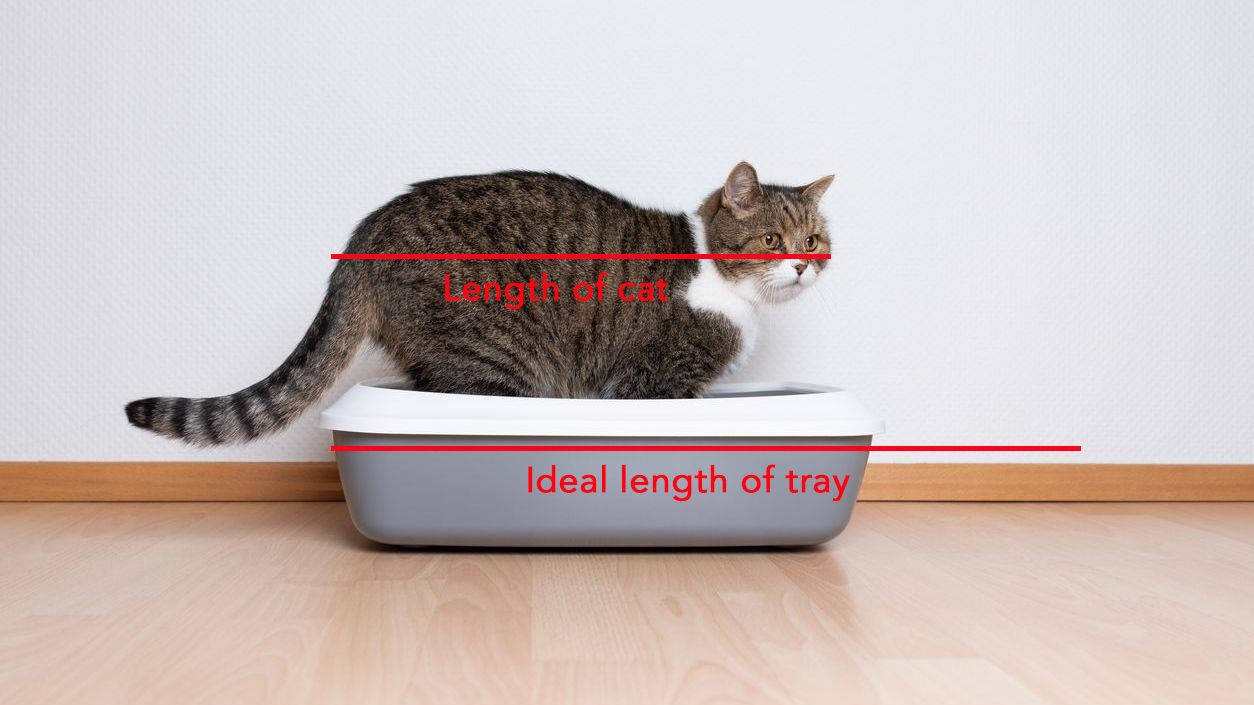
Cats come in various sizes, and so should litter boxes. A box that's too small may feel cramped, while one that's too large might be intimidating for a kitten. Ideally, the litter box should be about one and a half times the length of your cat. Depth is another important factor. A shallow box might not contain all the litter your cat kicks up, but a box that's too deep can be difficult for smaller or elderly cats to enter. Consider your cat's ability and agility when choosing the right depth.
Covered Vs. Uncovered Options
Covered litter boxes offer privacy, which some cats and owners appreciate. They also help contain odors and prevent litter from being scattered around the house. However, not all cats like the feeling of being enclosed. Uncovered boxes, on the other hand, provide easy access and may encourage more frequent use. If you notice your cat hesitates to use a covered box, try removing the lid to see if it improves their comfort level.
Location Matters
Think about where you place the litter box. It should be easily accessible but in a low-traffic area to give your cat a sense of security. Avoid placing it near loud appliances or in a busy hallway. A quiet corner of a room or a secluded bathroom can work wonders. Remember, if you have multiple cats, providing multiple litter boxes in different locations can prevent territorial disputes and encourage regular use. Have you noticed any particular spots your cat seems to favor? That might be the perfect place for their litter box!
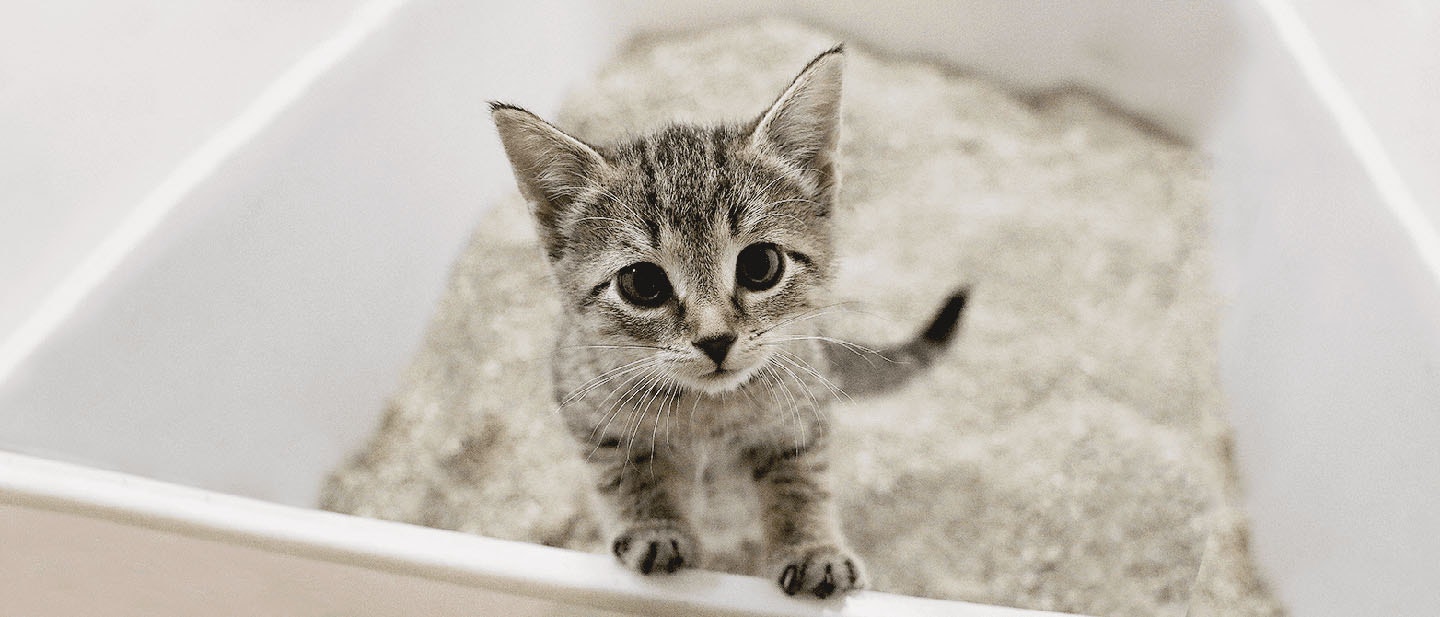
Credit: www.whiskas.com.ph
Selecting The Perfect Litter
Choosing the right litter is crucial for training your cat to use the litter box. Opt for a litter that is low-dust and unscented to appeal to your cat's preferences and ensure easy cleanup.
Selecting the perfect litter for your cat is essential. Cats are particular about their litter preferences. Finding the right type can make training easier. Consider various options available to suit your cat's needs.
Clay, Silica, Or Natural Options
Clay litter is popular due to its absorbency. It controls odor effectively. Silica litter is made from tiny crystals. It absorbs moisture well. Natural litter includes materials like corn, wood, or paper. It's eco-friendly and often biodegradable.
Scented Vs. Unscented
Scented litter masks odors. Some cats dislike strong scents. Unscented options rely on natural odor control. They might be preferable for sensitive cats. Choose based on your cat's reaction.
Clumping Vs. Non-clumping
Clumping litter forms solid clumps when wet. It simplifies cleaning and maintenance. Non-clumping litter absorbs moisture without clumping. It's less convenient to clean but might be suitable for certain cats. Consider your cleaning routine and your cat's preference.
Introducing The Litter Box
Introducing a cat to a litter box can be simple. Place the box in a quiet spot. Encourage your cat to explore and use it by gently placing them inside. Consistent guidance helps your cat learn quickly.
Introducing the Litter Box Training your cat to use a litter box starts with the right introduction. Choosing the right location is crucial. Keep the box in a quiet corner. Avoid busy areas. Cats prefer privacy. Ensure easy access for your cat. The box should be away from food and water. This helps maintain hygiene. Choose a box size that suits your cat. Bigger cats need larger boxes. Make sure the box is easy for your cat to enter.
Familiarizing Your Cat
Place your cat near the litter box. Allow it to sniff around. Cats learn by exploring. Show the box gently. Do not force your cat. Let it investigate naturally. Encourage your cat with a calm voice. Patience is key. Cats adapt at their own pace.
Encouraging Initial Use
After meals, guide your cat to the box. Cats often need to relieve themselves after eating. Wait for signs your cat needs to go. If it starts digging, bring it to the box. Gently place your cat inside. Let it understand the purpose. Consistency helps. Repeat this routine daily.
Using Positive Reinforcement
Praise your cat after using the box. Use a cheerful tone. Reward it with a treat. Positive reinforcement encourages good behavior. Avoid scolding if accidents happen. Keep the tone friendly. This builds trust. Over time, your cat will use the box regularly.
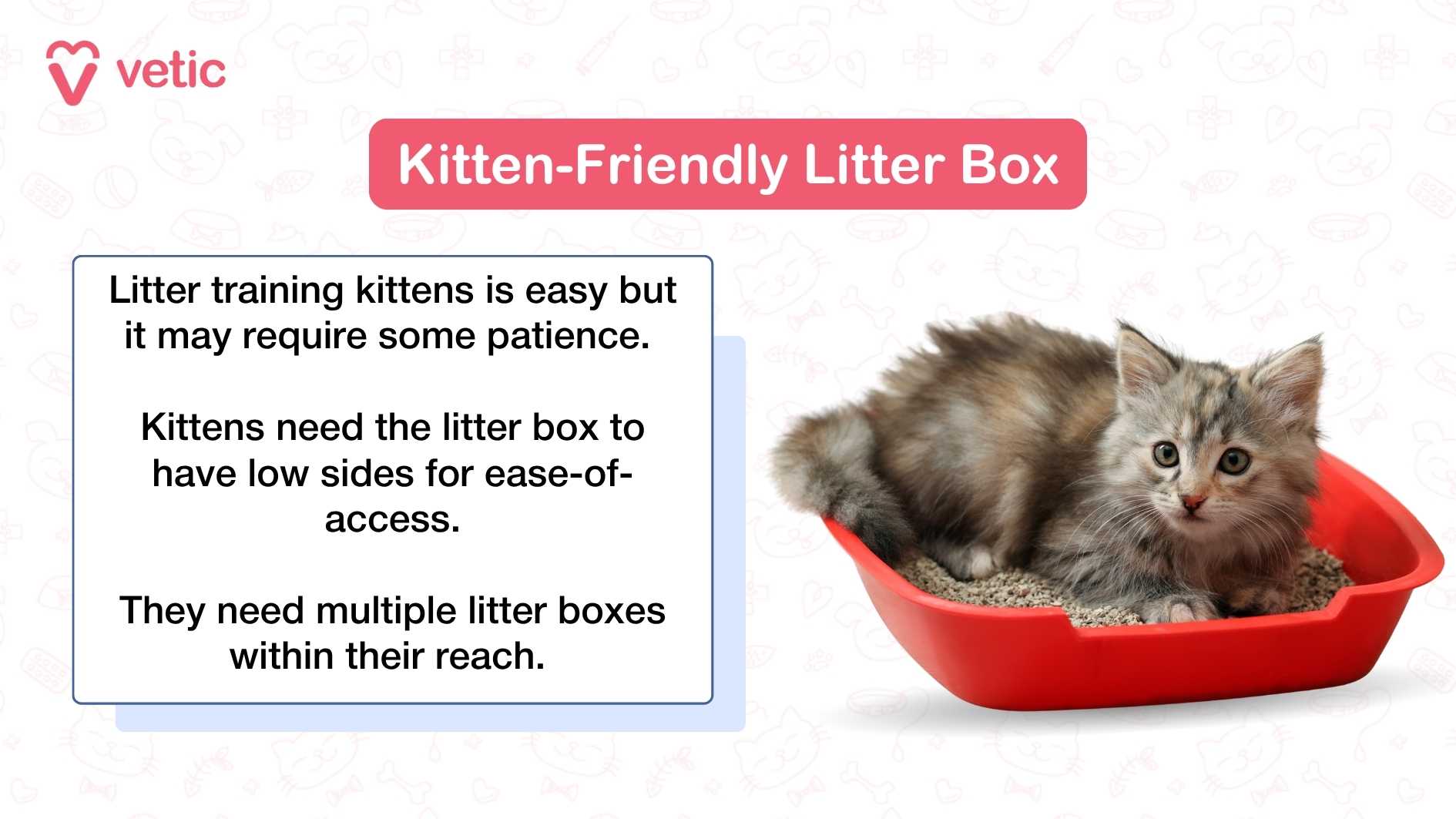
Credit: vetic.in
Maintaining Cleanliness
Training your cat to use the litter box starts with choosing the right location. Ensure the litter box is clean and accessible. Encourage your cat to explore it by placing them in the box after meals or naps.
Maintaining cleanliness in the litter box area is crucial for your cat's health. A clean environment encourages regular use and prevents unwanted behaviors. Focus on keeping the litter box fresh and inviting.
Daily Scooping Routine
Establish a daily scooping routine. Remove waste every day to keep the litter box clean. This helps maintain the litter box's freshness and ensures your cat feels comfortable using it. Regular scooping prevents waste from piling up. It also reduces the risk of unpleasant odors spreading in your home.
Deep Cleaning Schedule
Create a deep cleaning schedule for the litter box. Aim to clean the box thoroughly at least once a week. Empty all the litter and scrub the box with mild soap. Rinse it well to remove any soap residue. This prevents bacteria build-up and ensures a sanitary environment for your cat.
Preventing Odor Build-up
Preventing odor build-up requires attention to detail. Choose a litter that effectively controls odors. Consider adding baking soda to the litter for extra freshness. Ensure proper ventilation around the litter box area. This helps disperse any lingering odors and keeps the space smelling clean.
Troubleshooting Common Issues
Training a cat to use a litter box can be challenging. Start by choosing the right box and litter. Place the box in a quiet area and show your cat where it is.
Training a cat to use a litter box can sometimes be challenging. Cats are independent creatures, and their preferences can be unpredictable. If your cat avoids the litter box or has accidents, it can be frustrating. Understanding these issues is key to finding solutions. Let's explore some common problems and how to tackle them effectively.
Avoiding Litter Box Aversion
Cats may avoid the litter box for several reasons. The box may be dirty or in a noisy area. Cats need privacy and clean spaces. Ensure the box is cleaned daily. Place it in a quiet, accessible location. The type of litter matters too. Some cats dislike scented or coarse litter. Experiment with different litters to find what your cat prefers.
Dealing With Accidents
Accidents can happen, and patience is vital. Clean the area thoroughly to remove any scent. A lingering smell might encourage repeat accidents. Use enzymatic cleaners to neutralize odors. Observe your cat's behavior closely. Sometimes, accidents are a sign of stress or territorial disputes. Provide multiple litter boxes in a multi-cat household.
Recognizing Medical Concerns
Sometimes, medical issues cause litter box problems. If your cat stops using the box, consult a vet. Urinary tract infections or digestive issues can be culprits. Early detection is crucial for your cat's health. Watch for symptoms like straining or frequent urination. Regular vet check-ups help in identifying hidden health problems. Prioritize your cat's well-being by staying observant and proactive.

Credit: www.instagram.com
Enhancing The Training Experience
Training a cat to use a litter box involves consistency and patience. Place the box in a quiet, accessible area. Gently guide your cat to the box after meals and naps.
Enhancing the training experience for your cat can make a big difference. Cats are sensitive creatures who respond well to positive environments. By focusing on key areas, you can make litter box training more effective and enjoyable.
Creating A Stress-free Environment
A calm space helps your cat feel secure. Choose a quiet spot for the litter box. Make sure it's easily accessible and away from noisy appliances. Keep the area clean and free of clutter. Cats appreciate tidy spaces. Use a litter that your cat likes, and avoid strong scents. This reduces stress and encourages regular use.
Incorporating Play And Interaction
Playtime is not just fun; it builds trust. Engage your cat with toys near the litter box. Interactive play can help them associate the area with positive feelings. Use gentle encouragement as they explore the surroundings. Reward their curiosity with treats. This makes the litter box a friendly place, not just a necessity.
Consistency And Patience
Training takes time. Stick to a routine for your cat's comfort. Regular feeding times lead to predictable bathroom habits. Be patient with mishaps and avoid punishment. Praise your cat for using the litter box correctly. Positive reinforcement encourages repeat behavior. Stay calm and persistent, and your cat will learn in time.
Frequently Asked Questions
How Long Does It Take To Train A Cat To Use A Litter Box?
Training a cat to use a litter box usually takes one week. Start with a clean, accessible box. Encourage your cat with gentle guidance and positive reinforcement. Consistency and patience are key. Some cats may learn faster, while others might take slightly longer.
How Do I Train My Cat To Use The Litter Box?
Place the litter box in a quiet, accessible spot. Encourage your cat by gently placing them inside. Praise and reward them after use. Clean the box regularly to maintain hygiene. Be patient and consistent for best results.
How Do I Encourage My Cat To Pee In The Litter Box?
Place the litter box in a quiet, accessible area. Keep it clean by scooping daily. Use unscented litter. Reward your cat with treats and praise after using the box. Ensure the box is the right size for your cat.
Are Cats Hard To Litter Box Train?
Cats usually learn to use a litter box quickly. They instinctively bury their waste. Provide a clean, accessible litter box, and most cats will adapt easily. Choose the right litter type and maintain cleanliness to ensure successful training. Offer encouragement and observe any unusual behavior for effective results.
Conclusion
Training your cat to use the litter box is possible. Patience is key. Start with a clean, accessible box. Place it in a quiet spot. Encourage your cat after each use. Positive reinforcement helps. Use treats and praise. Be consistent with routines.
Cats learn best with repetition. Monitor your cat’s progress. Address any issues promptly. A little effort leads to success. Soon, your cat will be a pro. Keep the box clean always. Happy cat, happy home. Follow these steps, and enjoy a tidy space.