

Have you ever wondered if you're truly meeting your cat's nutritional needs? You're not alone.
Many cat owners are eager to ensure their furry friends are getting the best diet possible. Proper nutrition is vital for your cat's health, happiness, and longevity. But with so much conflicting information out there, it's easy to feel overwhelmed.
What should you feed your cat? How do you know if they're getting the right nutrients? This guide will help you navigate the maze of feline nutrition, empowering you to make informed choices. Stick with us, and you'll soon have the confidence to give your cat the nutrition they deserve.
Understanding Cat Dietary Needs
Understanding Cat Dietary Needs Balanced nutrition keeps cats healthy and energetic. Provide high-quality protein and essential fatty acids. Fresh water is crucial for hydration and digestion.
Understanding your cat's dietary needs is crucial for their health and well-being. Cats are obligate carnivores, meaning they require a diet rich in animal proteins. Unlike dogs, cats can't thrive on a vegetarian diet. How do you ensure your feline friend is getting everything they need to stay healthy and happy?
Basic Nutritional Requirements
Cats need a balanced diet that includes proteins, fats, vitamins, minerals, and water. Proteins provide essential amino acids like taurine, which is vital for heart and eye health. Fats are a primary energy source and help with the absorption of fat-soluble vitamins. Carbohydrates are not essential, but some cat foods contain them for energy. However, ensure they don't make up the bulk of the diet. Fresh water should always be available, as cats are prone to urinary tract issues if they don't drink enough.
Life Stage Considerations
Cats have different nutritional needs at various life stages. Kittens require more proteins and calories to support their rapid growth and development. A diet rich in DHA, a type of omega-3 fatty acid, helps with brain and vision development. Adult cats need a maintenance diet that keeps them at an ideal weight. Senior cats may require fewer calories and more fiber to aid digestion. Consider their dental health too—softer foods might be necessary if they have dental issues. Have you ever noticed how your cat's behavior changes with their diet? A balanced diet can lead to a happier, more active cat. Always consult with your vet to tailor your cat's diet to their specific needs and health conditions.
Credit: www.tiktok.com
Choosing The Right Food
Choosing the right food for your cat is crucial to ensuring their overall health and happiness. With countless options available, making the right decision can feel overwhelming. But remember, your cat's nutrition significantly impacts their energy levels, coat condition, and even mood. Let's dive into the essentials to help you make an informed choice.
Wet Vs Dry Food
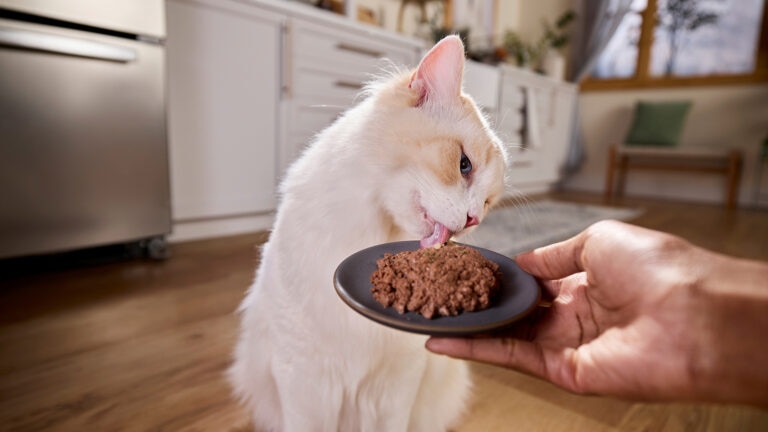
Both wet and dry food have their merits. Wet food is generally more appealing to cats due to its texture and aroma, and it helps keep them hydrated. This can be particularly beneficial if your cat doesn’t drink much water. However, wet food can be pricier and might spoil quickly if not consumed promptly.
Dry food, on the other hand, is convenient and cost-effective. It's easier to store and doesn't spoil as fast. Plus, dry food can help with dental health as the crunchiness can reduce plaque buildup. But, some cats might be less enthusiastic about dry kibble, especially if they're used to wet food.
Ultimately, your choice might depend on your cat’s preferences and your lifestyle. Why not try a mix of both to see what suits your furry friend best?
Reading Cat Food Labels
Understanding cat food labels can feel like decoding a secret language. Yet, it's essential for choosing the right food. Begin by looking for the words "complete and balanced." This ensures the food meets necessary nutritional standards.
Next, check the protein source. Cats are obligate carnivores, so their food should list a specific meat or fish as the primary ingredient. Avoid foods with vague terms like "meat meal" or "by-products" at the top of the list.
Don't overlook the nutritional information table. Pay attention to the percentages of protein, fat, and fiber. High protein and low carbohydrates are usually ideal. Have you ever considered how ingredients impact your cat’s health? It's worth taking the time to read those labels carefully.
Homemade Diets
Crafting a homemade diet for your cat can be a fulfilling endeavor, offering control over ingredient quality and tailored nutrition. When you prepare meals from scratch, you can ensure your feline friend gets a balanced diet. But it's essential to strike the right balance between benefits and potential risks.
Benefits And Risks
Preparing homemade meals allows you to select fresh and high-quality ingredients, ensuring that your cat receives optimal nutrition. You can adjust the diet based on your cat's specific health needs or preferences. This can be particularly beneficial if your cat has allergies or sensitivities.
However, homemade diets come with risks if not properly balanced. Cats require specific nutrients, like taurine, which might be lacking in a homemade diet. An imbalance can lead to serious health issues. It's crucial to consult with a vet or a pet nutritionist to avoid deficiencies.
Essential Ingredients
A balanced homemade diet should include protein sources such as chicken, beef, or fish, as cats are obligate carnivores. You can also include small amounts of vegetables like carrots or peas for added vitamins and fiber.
Don't forget essential fats, which can be provided through fish oil or flaxseed oil. Adding supplements is often necessary to ensure your cat receives all necessary nutrients, such as taurine, calcium, and vitamins.
Have you ever considered making your cat’s meals at home? You might find it rewarding and fun, but always ensure you're providing a nutritionally complete diet. Would you feel confident ensuring all nutritional needs are met?
Feeding Schedule And Portion Control
Establishing a regular feeding schedule helps cats maintain a healthy weight. Portion control prevents overeating and supports balanced nutrition. Adjust meal sizes based on age, activity level, and health needs to ensure proper nourishment.
Feeding Schedule and Portion Control Ensuring your cat gets the right nutrition is not just about choosing the right food. It's also about how much and when you feed them. Having a proper feeding schedule and understanding portion control can significantly impact your cat's health. It might seem simple, but these elements are crucial to maintaining a balanced diet for your feline friend.
Optimal Feeding Times
Cats thrive on routine, and setting consistent feeding times can help regulate their metabolism. Ideally, feed your cat twice a day—once in the morning and once in the evening. This mirrors their natural eating pattern in the wild. Consider your own schedule and find times that fit seamlessly into your day. If you're busy during certain hours, try feeding your cat when you're home and relaxed. This can also be a bonding moment between you and your pet. Ask yourself: are you feeding your cat when they are most active? Aligning feeding times with their energy levels can prevent lethargy and ensure they utilize the nutrients efficiently.
Determining Portion Sizes
Determining the right portion size for your cat can be tricky. You need to consider their age, weight, and activity level. Adult cats typically need around 200 calories a day, but this can vary. If your cat is more active, they might need a bit more. Use a digital scale for precise measurements. This helps prevent overfeeding and keeps your cat from gaining unnecessary weight. Monitor your cat's body condition—are they maintaining a healthy weight? Adjust portions accordingly if you notice any changes. It's also worth consulting with a vet to ensure you're on the right track.
Supplements And Treats
Ensuring your cat's nutrition includes more than just their daily meals. Supplements and treats can play a crucial role. They help fill nutritional gaps and offer occasional rewards. Knowing which supplements and treats are best is important. This helps maintain your cat's overall health and happiness.
Safe Supplementation
Supplements can boost your cat's diet. They provide essential nutrients that food might lack. Omega-3 fatty acids support skin and coat health. Probiotics promote a healthy digestive system. Always consult a vet before adding supplements. This ensures they are safe and necessary for your cat.
Healthy Treat Options
Treats are great for training and bonding. Choose treats with real meat as the first ingredient. Avoid those with artificial colors or preservatives. Freeze-dried treats are a healthy choice. They maintain the original nutrients of the meat. Remember, treats should not exceed 10% of daily caloric intake. This keeps your cat from gaining excess weight.

Credit: untamed.com
Common Dietary Issues
Cats have unique dietary needs. Understanding common dietary issues is crucial. These issues can affect their health and well-being. Identifying and addressing them early can prevent serious problems. Let's explore some frequent dietary concerns in cats.
Identifying Allergies
Allergies in cats often stem from food. Itching, vomiting, and diarrhea are common signs. Monitor your cat's reactions to different foods. Keep a food diary to track any adverse effects. Consult a vet if symptoms persist. They may suggest an elimination diet. This helps pinpoint the allergen. Switching to hypoallergenic cat food can be a solution. This ensures your cat gets balanced nutrition without allergic reactions.
Preventing Obesity
Obesity is a growing problem in cats. It leads to health issues like diabetes and joint pain. Control portion sizes to manage their weight. Use feeding guidelines on cat food labels. Regular exercise is also important. Play with your cat daily. Use toys that encourage movement. Monitor their weight regularly. Aim for a healthy, lean body condition. Consult your vet for personalized advice. They can recommend a balanced diet plan. This helps maintain a healthy weight for your cat.
Consulting A Veterinarian
Ensuring your cat receives proper nutrition can be challenging. Consulting a veterinarian helps navigate this complexity. A veterinarian provides expert guidance tailored to your cat’s needs. This ensures a balanced diet and overall well-being. Understanding when and how to work with your vet is crucial.
When To Seek Professional Advice
Consult your vet if your cat shows unusual eating habits. Loss of appetite or overeating may signal health issues. Weight changes also warrant professional advice. Sudden weight loss or gain can indicate underlying problems. Regular check-ups help catch issues early. These visits ensure your cat’s diet remains appropriate.
Working With Your Vet
Establish a good relationship with your vet. Share your cat’s dietary history. Include any supplements or treats given. Discuss any concerns or observations. Ask questions to clarify doubts. Your vet can recommend specific brands or formulations. They may suggest adjustments based on your cat’s age or health status. Follow their guidance for diet changes.
Credit: www.chewy.com
Frequently Asked Questions
How Do I Give My Cat Nutrients?
Provide a balanced diet with high-quality cat food. Ensure it includes proteins, vitamins, and minerals. Offer fresh water daily. Consult a vet for supplements if needed.
Is It Better To Feed My Cat Wet Or Dry Food?
Feeding wet food offers hydration and may be easier to digest. Dry food is convenient and promotes dental health. Consider mixing both to balance nutritional benefits. Choose based on your cat's preference, health needs, and lifestyle. Consult your vet for personalized advice to ensure a balanced diet.
Is 2 Cans Of Wet Food A Day Enough For A Cat?
Two cans of wet food daily may suffice for a cat. Consider your cat's age, size, and activity level. Consult a vet for personalized feeding advice. Always ensure fresh water is available. Proper nutrition supports your cat's health and well-being.
What Nutrition Do Cats Need Daily?
Cats need a diet rich in proteins, fats, vitamins, and minerals. Essential nutrients include taurine, arginine, and arachidonic acid. Provide fresh water daily for hydration. Ensure their diet includes quality commercial cat food or balanced homemade meals for optimal health.
Conclusion
Feeding your cat well ensures a healthy, happy life. Choose nutritious cat food. Balance proteins, carbs, and fats. Provide fresh water daily. Monitor your cat's weight regularly. Consult the vet for dietary advice. Avoid feeding human food. Understand your cat's specific needs.
Keep food portions consistent. Quality food leads to fewer health problems. A healthy diet supports energy and vitality. Make nutrition a priority for your furry friend. Your cat deserves the best care. Good nutrition is key to a long, joyful life.
Remember, a well-fed cat is a happy cat.
