

Have you ever wondered how often you should brush your cat's teeth? You might think that cats naturally take care of their own dental hygiene, but the reality is quite different.
Just like humans, cats can suffer from dental issues that affect their overall health. Taking the time to understand and implement a proper dental care routine for your feline friend can prevent these problems and ensure they live a happy, healthy life.
Imagine the peace of mind you'll have knowing that your cat's teeth are in great shape, free from plaque and tartar. This article will guide you through the ideal brushing frequency and offer tips on how to make the process easy and effective. Stay with us to uncover the secrets to your cat's perfect dental care routine.
Importance Of Dental Care For Cats
Many cat owners might overlook the significance of maintaining their feline friend's dental health. Yet, dental care is crucial for cats, just as it is for humans. Regular dental care can prevent a host of health issues and ensure your cat's well-being.
Why Dental Health Matters For Cats
Cats, like humans, can suffer from dental problems such as plaque buildup, gingivitis, and periodontal disease. Left untreated, these issues can lead to pain and discomfort for your pet, affecting their ability to eat and play. Moreover, dental diseases can cause bacteria to enter the bloodstream, potentially leading to more serious systemic health issues.
Recognizing Signs Of Dental Problems
Have you noticed your cat having bad breath? This could be a sign of dental disease. Other indicators include drooling, difficulty eating, or pawing at the mouth. Regular checks at home can help you catch these signs early and seek veterinary care when necessary.
Benefits Of Regular Tooth Brushing
Brushing your cat's teeth regularly can significantly reduce the risk of dental disease. It helps in removing food particles and plaque that accumulate over time. This simple routine can save you costly vet bills and more importantly, keep your cat healthy and happy.
How To Make Tooth Brushing Easy
Introducing tooth brushing to your cat can be a challenge, but with patience, it becomes part of their routine. Start by using a cat-friendly toothpaste and a soft-bristled brush. Gradually build your cat's comfort level with the process by rewarding them with treats and affection.
Frequency Of Cat Dental Care
How often should you brush your cat's teeth? Ideally, aim for daily brushing. However, if this seems daunting, even brushing a few times a week can make a significant difference. Consistency is key to maintaining your cat's dental health.
Is your cat's dental care a part of your routine? Consider setting reminders or making it a family activity to ensure it doesn't get overlooked. Your cat's health and happiness depend on it.
Signs Of Dental Problems
Understanding the signs of dental problems in your cat is crucial for maintaining their overall health. Cats, like humans, can suffer from a variety of dental issues that may lead to discomfort or more serious health concerns. Recognizing these signs early can prevent complications and ensure your furry friend stays happy and healthy.
Signs Of Bad Breath
If you notice a foul smell coming from your cat's mouth, it might be more than just a case of tuna breath. Persistent bad breath can indicate dental disease or other underlying health issues. Regularly check your cat's breath, and consult your vet if the odor doesn't improve with regular brushing.
Difficulty Eating
Is your cat suddenly reluctant to eat their favorite treats? Difficulty eating or chewing can signal dental discomfort. Watch for signs such as dropping food, chewing only on one side, or refusing harder foods. These behaviors could mean it's time for a dental check-up.
Swollen Or Bleeding Gums
Healthy cat gums should be pink and firm, not red or swollen. If you notice bleeding gums during brushing, it's a sign that dental attention is needed. Swollen gums can be indicative of gingivitis, which if left untreated, may progress to periodontal disease.
Excessive Drooling
While some cats drool occasionally, excessive drooling can be a red flag for dental problems. This may be caused by pain or irritation in the mouth. If your cat is drooling more than usual, a vet visit should be on your agenda.
Pawing At The Mouth
Frequent pawing at the mouth can be a sign of discomfort or pain. Cats often use this behavior to communicate that something isn't right. Pay attention to any unusual mouth-related behavior as it could indicate a dental issue requiring professional attention.
Have you ever noticed any of these signs in your cat? Regular monitoring and quick action can make all the difference in their dental health journey. How often do you check your cat's dental health? It's time to ensure those pearly whites are in top condition!
Recommended Brushing Frequency
Caring for your cat's dental health is essential, just like it is for humans. But how often should you brush your cat's teeth? Understanding the recommended brushing frequency can lead to healthier gums, fresher breath, and a happier feline friend. Neglecting their dental care can result in serious health issues. So, let's dive into how often you should be tending to those tiny teeth.
Veterinarians generally recommend brushing your cat's teeth at least two to three times a week. Regular brushing helps prevent plaque buildup and reduces the risk of periodontal disease. If possible, daily brushing can be even more beneficial.
Consistency is key to maintaining your cat's dental health. Start slowly if your cat is not accustomed to brushing, gradually increasing the frequency. You may find that your cat becomes more accepting of the process over time.
Signs Your Cat Needs More Frequent Brushing
Have you noticed bad breath or inflamed gums? These are clear indicators that your cat might need more frequent brushing. Cats are masters at hiding discomfort, so you need to be observant of subtle changes.
Frequent brushing can help you identify any unusual dental issues early on. If you spot any signs of discomfort, consider increasing the brushing frequency and consult your vet.
Tools For Effective Brushing
Choosing the right tools can make a world of difference. Use a cat-specific toothbrush and toothpaste for the best results. Human toothpaste is not safe for cats, so ensure you select a product specially designed for feline use.
There are options like finger brushes or small pet toothbrushes that can offer better control. Experiment to find what works best for you and your cat.
Creating A Positive Brushing Routine
Establishing a routine can make brushing a stress-free experience. Try brushing your cat's teeth at the same time daily, perhaps after a meal or playtime. This consistency can help your cat become more comfortable with the process.
Reward your cat with a treat or praise after each session to reinforce positive behavior. Over time, brushing can become a bonding activity that both you and your cat look forward to.
Overcoming Challenges In Brushing
Is your cat resisting the brush? You’re not alone. Many cats initially resist dental care routines. Begin by letting your cat sniff the toothbrush and toothpaste. Gradually introduce brushing by starting with short sessions.
Patience is critical. You may need to try different methods or tools to find what suits your cat's temperament. Remember, persistence and gentleness can overcome reluctance.

Credit: www.purina.com
Choosing The Right Toothbrush
Selecting the best toothbrush for your cat's dental health is crucial. Brush your cat's teeth two to three times a week to prevent plaque buildup. Regular brushing can help maintain healthy gums and teeth for your feline friend.
Choosing the right toothbrush for your cat can feel like a daunting task, but it doesn't have to be. The right choice makes all the difference in maintaining your cat's dental health and ensuring the brushing process is as smooth as possible. You'll want to consider the comfort, safety, and effectiveness of the toothbrush you select.
Comfort For Your Cat
Cats are notoriously fussy about what goes into their mouths. Selecting a toothbrush with soft bristles is essential to avoid irritating their sensitive gums. Look for brushes specifically designed for cats, as these are typically smaller and more comfortable for their mouths.
Finger Brushes Vs. Traditional Brushes
Both finger brushes and traditional toothbrushes have their pros and cons. Finger brushes offer more control and are often less intimidating for your cat. Traditional brushes, on the other hand, might clean more effectively due to their longer handle, which provides better reach.
Size Matters
A toothbrush that’s too large can be uncomfortable for your cat and make the brushing process challenging. Choose a brush with a small head to navigate your cat's mouth easily. If you’re unsure, consult your vet for recommendations on the best size for your feline friend.
Consider Your Cat’s Preferences
Observe how your cat reacts to different toothbrushes. They might be more accepting of one type over another. Experiment with different styles to find which one your cat tolerates best, keeping in mind their comfort and ease of use.
Safety First
Ensure the toothbrush you choose is safe and free from harmful materials. It should not have any sharp edges that could injure your cat’s mouth. Regularly inspect the brush for wear and replace it as needed to prevent any potential harm. Remember, the goal is to make brushing a positive experience for both you and your cat. The right toothbrush can make this routine an enjoyable bonding time rather than a dreaded chore. So, what type of toothbrush will your cat prefer? It might take a little trial and error, but finding the perfect match is well worth the effort for your cat's dental health.
Selecting Cat-friendly Toothpaste
Choose toothpaste designed specifically for cats. Brush their teeth two to three times weekly. Regular brushing helps prevent dental issues.
Selecting the right toothpaste for your cat is crucial. Cats have specific needs, and using the wrong product can harm them. Human toothpaste is not safe for cats. It contains fluoride and other chemicals that can be toxic. Therefore, choosing a cat-friendly toothpaste is essential for their health.
Understanding Ingredients In Cat Toothpaste
Cat toothpaste should be free from harmful ingredients. Look for products with natural enzymes. These help break down plaque and prevent tartar. Avoid artificial flavors and colors. They can upset your cat's stomach.
Flavors Cats Love
Cats are fussy about flavors. Choose a toothpaste with flavors they enjoy. Common flavors include chicken, beef, and fish. These flavors make brushing a positive experience. If they like the taste, they are more likely to cooperate.
Checking For Veterinary Approval
Look for toothpaste with veterinary approval. This ensures the product is safe and effective. Check for seals from veterinary organizations. This gives you peace of mind about the product's quality.
Availability And Cost
Consider the availability and cost of the toothpaste. It should be easy to find in local stores or online. Prices can vary, but quality should not be compromised. Choose a product that fits your budget without sacrificing safety.
Ease Of Use
Select toothpaste that is easy to apply. Some come in gels, others in pastes. Consider your cat's preference. The easier it is to use, the better the experience for both you and your cat. By considering these factors, you can ensure a healthy dental routine for your cat.
Step-by-step Brushing Technique
Regularly brushing a cat's teeth is essential for their dental health. Aim for brushing two to three times a week. This routine helps prevent plaque buildup and reduces the risk of dental diseases.
Brushing your cat's teeth might seem daunting, but it's crucial for their health. Cats, like humans, can suffer from dental issues, and regular brushing helps prevent tartar buildup and gum disease. Let's dive into a simple, step-by-step brushing technique that can make this task easier and more effective for both you and your feline friend.
Get The Right Tools
Start with a cat-specific toothbrush and toothpaste. Human toothpaste can be harmful to cats, so choose one with a flavor your cat might enjoy, like chicken or fish.
Introduce The Toothbrush
Allow your cat to sniff and explore the toothbrush. Let them get used to the smell and texture. This step builds comfort and reduces anxiety.
Familiarize With Toothpaste
Put a small amount of cat toothpaste on your finger. Let your cat lick it off to get accustomed to the taste. Positive reinforcement can help here—praise and treats work wonders.
Position Your Cat Comfortably
Gently hold your cat in a comfortable position. Sit them in your lap or on a stable surface. Ensure they feel safe and secure.
Start With Small Steps
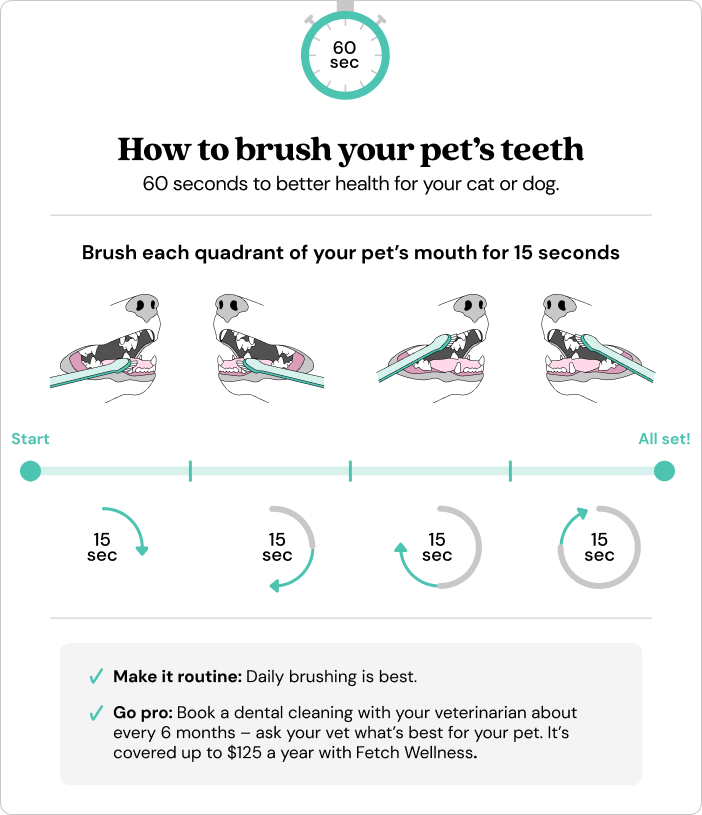
Begin by gently lifting your cat's lip to expose their teeth. Use the toothbrush to lightly brush a few teeth at a time. Focus on the outer surfaces where tartar builds up.
Brush In Circular Motions
Use small, circular motions to brush your cat’s teeth. This technique helps remove plaque and is less abrasive. Be gentle, especially around the gum line.
Work Up To A Full Brushing
Gradually increase the number of teeth you brush in one session. Patience is key. You might only get a few teeth at first, but consistency pays off.
End On A Positive Note
Finish the session with praise and a treat. This positive ending will make future brushing sessions easier. Your cat will associate brushing with positive experiences. By following these steps, you can make brushing your cat’s teeth a manageable and even enjoyable routine. How often do you brush your cat’s teeth? Share your experiences and tips in the comments!
Introducing Brushing To Cats
Regular brushing of a cat's teeth can prevent dental issues. Aim to brush your cat's teeth two to three times a week. This routine helps maintain their oral health and reduces plaque buildup.
Introducing Brushing to Cats Brushing a cat's teeth is essential for their dental health. Many cat owners find it challenging to introduce this routine. Cats are creatures of habit, and changes can be unsettling for them. Start slowly to make the experience pleasant for your feline friend. Patience is key. Gradually get your cat used to the idea of brushing.
Start With Familiarization
Let your cat explore the toothbrush. Place it near their food bowl or resting area. Allow them to sniff and inspect it. This will help them get comfortable.
Use Cat-friendly Toothpaste
Choose a toothpaste made for cats. Human toothpaste can harm your cat. Cat toothpaste often comes in flavors like chicken or fish. This makes it more appealing to them.
Introduce Finger Brushing
Begin with finger brushing. Use your finger to gently rub their gums. This helps your cat adjust to the sensation. Gradually increase the duration.
Positive Reinforcement Techniques
Reward your cat with treats after brushing. Praise them verbally. Positive reinforcement encourages them to enjoy the process.
Establish A Routine
Consistency is important. Brush your cat's teeth at the same time each day. A routine helps them anticipate what will happen next.
- Brush their teeth daily.
- Use gentle motions.
- Make it a bonding experience.
Monitor Your Cat's Comfort
Watch for signs of distress. If your cat seems uncomfortable, pause. Adjust your approach to ensure they stay calm.
Seek Professional Advice
Consult your vet for guidance. They can offer tips tailored to your cat's needs. Regular check-ups help maintain dental health.

Credit: justcatsclinic.com
Alternatives To Brushing
Brushing your cat's teeth regularly can be challenging. Some cats simply refuse to cooperate. Luckily, there are alternatives to brushing that can help maintain your cat's oral health. These methods can effectively reduce plaque and tartar buildup. Explore these options to keep your feline friend’s teeth healthy.
Dental Treats
Dental treats are specially designed to clean teeth while your cat chews. They help reduce plaque and tartar. Choose treats approved by veterinarians for best results. Ensure the treats are low in calories to avoid weight gain.
Water Additives
Water additives can help freshen your cat's breath. They work by reducing bacteria in the mouth. Add the recommended amount to your cat’s water bowl daily. Make sure your cat continues to drink enough water.
Dental Toys
Dental toys can entertain and clean your cat's teeth. They are designed to scrape away plaque. Choose toys made of safe materials. Supervise playtime to ensure safety.
Dietary Changes
Some cat foods are formulated for dental health. They contain ingredients that help reduce plaque. Look for options labeled for dental care. Consult your vet before making dietary changes.
Professional Dental Cleanings
Professional cleanings by a vet are thorough and effective. They can remove tartar and plaque that home methods miss. Schedule regular cleanings to maintain your cat’s oral health. Discuss the frequency with your veterinarian.
Common Challenges And Solutions
Brushing a cat's teeth can be challenging due to their resistance. Try brushing their teeth two to three times a week. This helps prevent plaque and tartar buildup. Use cat-friendly toothpaste and a gentle approach to make the process easier.
Brushing your cat's teeth is crucial for their health. Yet, many cat owners face challenges in this routine. Understanding these challenges can help find effective solutions. This section explores common obstacles and provides practical tips.
Fear Of The Toothbrush
Cats can be scared of new objects. A toothbrush may seem threatening. Start by letting your cat sniff the brush. Gradually, introduce brushing as a positive experience. Use treats to reward calm behavior.
Resistance To Brushing
Some cats resist brushing. They might squirm or hide. Begin with short sessions. Slowly extend the time as your cat gets comfortable. Patience is key. Make brushing part of a daily routine.
Finding The Right Toothpaste
Human toothpaste is unsafe for cats. Choose a cat-friendly option. Cats have different tastes. Experiment with flavors. Chicken or seafood flavors might attract your cat.
Establishing A Routine
Consistency helps cats adjust. Set a regular time for brushing. This builds familiarity. Stick to the schedule. Your cat will start expecting it, reducing stress.
Handling Dental Discomfort
Cats with dental issues may feel pain. Consult a vet if discomfort persists. They can check for problems. Use gentle techniques to avoid hurting your cat.
Veterinary Dental Check-ups
Keeping your cat's teeth healthy goes beyond regular brushing. Veterinary dental check-ups play a crucial role in maintaining your feline friend's oral health. These visits are essential because they allow professionals to spot potential issues that might not be visible to the untrained eye. Additionally, veterinarians can perform thorough cleanings and offer advice tailored to your cat's specific needs. This proactive approach helps prevent more serious health problems down the line. But what should you expect during these check-ups, and how often should they occur?
What Happens During A Dental Check-up?
During a dental check-up, a veterinarian will examine your cat's mouth, teeth, and gums. They often use specialized tools to detect signs of plaque, tartar buildup, or gum disease. If necessary, they may perform a professional cleaning to remove stubborn deposits that regular brushing might miss. This process can significantly improve your cat's oral health.
Frequency Of Veterinary Dental Visits
How often should you schedule these dental visits? Generally, most veterinarians recommend an annual dental check-up. However, if your cat is prone to dental issues, more frequent visits might be necessary. It's always best to consult with your vet, who can provide guidance based on your cat's age, breed, and overall health.
Signs Your Cat Needs A Dental Check-up Sooner
Is your cat showing signs of dental distress? Look out for bad breath, difficulty eating, or excessive drooling. These symptoms can indicate a need for a dental check-up sooner rather than later. Ignoring these signs might lead to more severe problems, impacting your cat's well-being. Trust your instincts and consult your vet if you notice anything unusual.
Preparing For A Vet Visit
Preparing for a veterinary dental visit can ease your cat's anxiety. Consider acclimating your cat to the carrier weeks in advance. Offer treats or toys during car rides to make the experience more pleasant. A calm cat is more likely to have a successful check-up, ensuring their dental health is well-managed.
Questions To Ask Your Veterinarian
Engage with your veterinarian during the visit. Ask about the best brushing techniques or products suitable for your cat. Inquire about diet changes that can improve oral health. By gathering valuable insights, you can enhance your cat's dental care routine effectively. What new information will you discover that could make a difference?
Veterinary dental check-ups are an integral part of your cat's health care routine. By prioritizing these visits, you ensure your furry companion enjoys a happy and healthy life. Are you ready to schedule your cat's next dental appointment?
Credit: www.fetchpet.com
Frequently Asked Questions
Is It A Must To Brush Your Cat's Teeth?
Brushing your cat's teeth is important for dental health. It helps prevent plaque buildup, gum disease, and bad breath. Regular oral care can improve your cat's overall health. Use cat-specific toothpaste and a soft brush for best results. Consult your vet for guidance on proper dental care techniques.
What Happens If You Never Clean Your Cat's Teeth?
Neglecting cat dental care leads to plaque buildup and gum disease. Untreated issues cause pain and tooth loss. Bad breath and difficulty eating may occur. Regular cleanings prevent serious health problems and costly vet bills. Prioritize your cat's dental hygiene for their overall well-being.
How Often Should I Brush My Cat's Teeth?
Brushing your cat's teeth daily is ideal. If that's not possible, aim for at least three times a week. Regular brushing helps prevent plaque buildup, reducing the risk of dental issues. Consistency is key for maintaining your cat's oral health.
What Tools Are Best For Brushing Cat Teeth?
Use a cat-specific toothbrush and toothpaste. Human toothpaste can be harmful to cats. Cat toothbrushes are designed for their small mouths, ensuring effective cleaning. Choose enzymatic toothpaste to break down plaque. Introduce these tools gradually to make your cat comfortable.
Conclusion
Regular brushing is crucial for your cat's dental health. Aim for twice a week. This routine helps prevent plaque and gum disease. Use cat-friendly toothpaste. Avoid human toothpaste, it can harm cats. Start slowly. Let your cat adjust to the process.
Be patient. Reward positive behavior with treats. Dental health affects overall well-being. Keep brushing simple and consistent. Healthy teeth lead to a happy cat. Consult your vet for more advice. They can offer tips and products. Prioritize your cat's dental care.
It ensures a longer and healthier life.
