
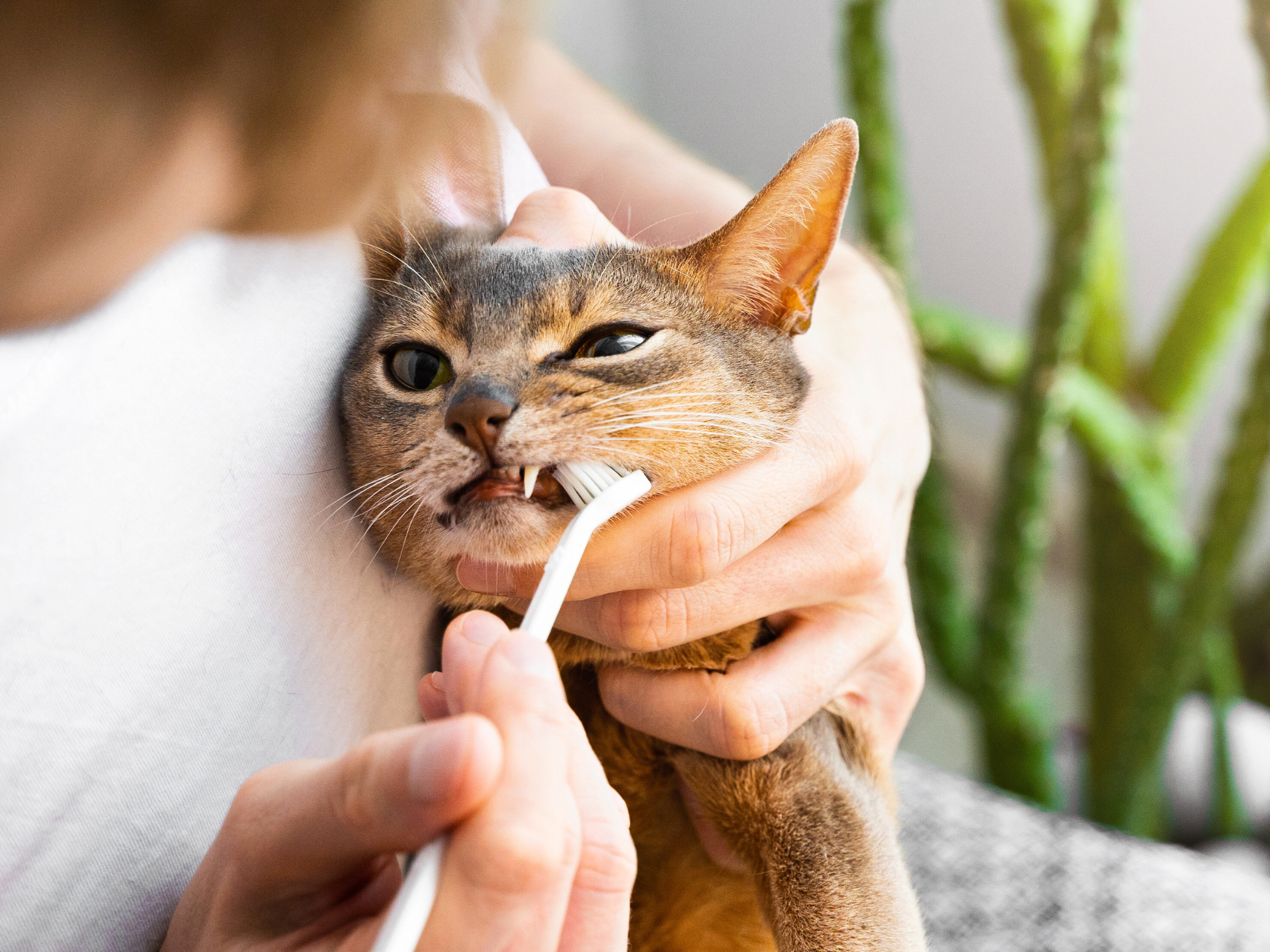
If you’ve ever been hit with a wave of foul “kitty breath” when your cat nuzzles your face, you’re not alone. According to the American Veterinary Medical Association, 70% of cats show signs of dental disease by age 3, and most owners overlook at-home dental care until problems become severe. Brushing your cat’s teeth is the single most effective way to prevent painful, costly dental issues, but many owners struggle with the “how often” question, not to mention getting their cat to cooperate.
This guide covers exact brushing frequencies tailored to your cat’s age, diet, and health status, step-by-step instructions for even the most resistant felines, tool recommendations vetted by veterinary dental specialists, red flags for dental distress, and evidence-based alternatives for cats that won’t tolerate brushing. By the end, you’ll have a clear, actionable plan to keep your cat’s mouth healthy and their breath fresh for years to come. You can also read our guide on do cats need to eat wet food.
Brushing your cat’s teeth might not be the first item on your low-effort litter maintenance list, but it is a non-negotiable part of their overall wellness routine.
Why Feline Dental Care Is Non-Negotiable
Many owners assume cats’ teeth are self-cleaning, thanks to their rough tongues, but this is a dangerous misconception. Plaque builds up on cats’ teeth within 24 to 48 hours of eating, and hardens into tartar in just 3 to 5 days if not removed. Tartar irritates the gums, leading to inflammation, infection, and permanent damage to the teeth and supporting bone. You can also read our guide on fleatick prevention for cats.
The Oral-Systemic Health Link
Dental disease does not stay confined to the mouth. Bacteria from infected gums can enter the bloodstream and travel to vital organs, including the heart, kidneys, and liver, causing life-threatening systemic infections. Regular brushing disrupts plaque before it can cause this damage, protecting not just your cat’s smile, but their entire body. Regular brushing reduces plaque and tartar buildup, lowering the risk of painful dental disease and supporting long-term feline oral health support.
Common Feline Dental Conditions
- Plaque and tartar buildup: The root cause of nearly all feline dental issues
- Gingivitis: Inflammation of the gums, often reversible with consistent at-home care
- Periodontitis: Advanced gum disease that destroys the tissue and bone holding teeth in place, leading to tooth loss
- Tooth resorption: A painful condition where the tooth structure breaks down from the inside out, one of the most common dental issues in adult cats per veterinary dental specialists
Cats on a wet food-only diet are at higher risk for plaque buildup, as wet food sticks to teeth more easily than dry kibble; consult your vet about nutritional plans for cats with chronic conditions if your cat has underlying conditions that impact their diet. You can also read our guide on flea and tick treats for cats.
Exact Brushing Frequency For Your Cat
There is no one-size-fits-all answer to how often you should brush your cat’s teeth, but the following guidelines, aligned with veterinary dental consensus, will help you build a routine that fits your cat’s needs.
Recommended Frequency By Cat Profile
| Cat Profile | Minimum Recommended Brushing Frequency |
|---|---|
| Healthy adult cats (no prior dental issues, eating a mix of wet and dry food) | 3–4 times per week |
| Cats prone to dental disease (history of gingivitis, tooth resorption, or breed predispositions like Persians or Maine Coons) | Daily |
| Kittens under 6 months | 2–3 times per week (to build tolerance for the routine) |
| Senior cats (10+ years) with existing dental wear | Daily, as directed by your veterinarian |
Daily brushing is the gold standard, as it disrupts plaque before it can harden into tartar. If daily sessions feel unmanageable, 3 to 4 times per week will still drastically reduce your cat’s risk of dental disease. Consistency matters far more than perfection.
Signs You Need To Increase Brushing Sessions
Even if you follow the frequency guidelines above, watch for these signs that your cat needs more frequent brushing or a vet check-up:
- Persistent foul breath (not just mild “kitty breath,” but a rotten, garbage-like smell)
- Visible yellow or brown tartar along the gum line
- Red, swollen, or bleeding gums
- Reluctance to eat hard food, or dropping food while chewing
- Excessive drooling or pawing at the mouth
- Weight loss from avoiding food due to oral pain
Choosing The Right Brushing Tools
Using the correct tools makes brushing easier for both you and your cat, and reduces the risk of gum injury. Avoid using human toothbrushes or toothpaste entirely, as human products contain ingredients toxic to cats.
Cat Toothbrushes: Types And Key Features
There are three main types of cat toothbrushes, each suited to different temperaments:
- Small-headed manual brushes: The most common option, with a tiny head and soft bristles that fit comfortably in most cats’ mouths
- Finger brushes: Silicone brushes that fit over your finger, giving you more control for skittish cats (avoid these if your cat dislikes having fingers near their mouth)
- Dual-head brushes: Feature two brush sizes to clean both the outer and inner surfaces of teeth in one pass
Always opt for soft bristles, as medium or hard bristles can damage delicate gum tissue. A non-slip handle is also ideal, especially for wiggly cats, to give you a secure grip during sessions.
Cat Toothpaste: Safe Ingredients And Flavors
Never use human toothpaste on your cat: it contains xylitol, fluoride, and artificial sweeteners that are toxic if swallowed. Look for cat-specific toothpaste with these features:
- Enzymatic formulas: Break down plaque and bacteria without harsh scrubbing
- Appealing flavors: Poultry, seafood, or malt are most popular with cats
- No harmful additives: Avoid products with alcohol, artificial dyes, or added sugars
If your cat is picky, test a few flavors to find one they tolerate, or ask your vet for vet-approved brand recommendations.
Step-By-Step Guide To Stress-Free Brushing
Most cats resist brushing at first, but with patience and positive reinforcement, you can turn it into a low-stress part of your routine. In practice, sessions kept under 60 seconds for the first few weeks are most effective for building tolerance.
Pre-Brushing Prep To Set Your Cat Up For Success
- Choose a quiet, low-distraction time, such as after a meal or a play session when your cat is calm
- Let your cat sniff and investigate the toothbrush and toothpaste first; rub a small amount of paste on your finger to let them taste it and get used to the flavor
- Start with no paste first: gently rub the brush along your cat’s gums and teeth for 10 to 15 seconds per session, rewarding them immediately after, to build comfort with the tool
For cats that get anxious during grooming routines, positive reinforcement training methods can help them tolerate brushing over time without stress.
Proper Brushing Technique For Maximum Plaque Removal
- Gently hold your cat in your lap, or have a helper hold them if they are wiggly; wrap nervous cats in a soft towel (the “purrito” method) to limit movement
- Lift your cat’s lip gently to expose the outer surfaces of their teeth (you do not need to brush the inner surfaces, as cats’ tongues naturally clean these)
- Hold the brush at a 45-degree angle to the gum line, where plaque accumulates most
- Use small, gentle circular motions to brush 2 to 3 teeth at a time, focusing on the gum line
- Gradually increase the number of teeth you brush each session as your cat grows more comfortable, aiming for 30 to 60 seconds total per session once they are tolerant
A common mistake owners make is forcing the brush into their cat’s mouth or scrubbing hard, which can cause gum injury and create long-term negative associations with grooming. If your cat resists, stop and try again later rather than pushing through.
Post-Brushing Rewards To Build Positive Associations
Immediately after each session, reward your cat with high-value training treats, praise, or a short play session with their favorite toy. This reinforces the idea that brushing leads to positive outcomes, making future sessions far easier.
Red Flags: Signs Of Dental Issues In Cats
Cats are masters at hiding pain, so they may act completely normal even with advanced dental disease. Watch for these warning signs that warrant an immediate vet appointment:
- Persistent bad breath that does not improve with brushing
- Visible tartar, red or swollen gums, or bleeding during brushing
- Drooling, pawing at the mouth, or shaking their head frequently
- Difficulty eating, dropping food, or avoiding hard food entirely
- Loose or missing teeth, or visible swelling on the face or under the jaw
Annual dental check-ups are also critical, as most dental disease occurs below the gum line, where it is invisible to the naked eye.
When Brushing Isn’t Enough: Evidence-Based Alternatives
For cats that absolutely refuse to tolerate brushing, or for owners who cannot brush regularly, these vet-approved alternatives can help reduce plaque and tartar buildup. Note that none of these are full replacements for brushing, but they are effective supplements.
VOHC-Approved Dental Treats
Look for treats carrying the Veterinary Oral Health Council (VOHC) seal, which indicates the product has been independently tested to confirm it reduces plaque and tartar, per the VOHC's official product approval list. Feed these in moderation, following the recommended serving size on the packaging, to avoid weight gain.
Enzymatic Water Additives
These are added to your cat’s drinking water and contain enzymes that break down plaque as they drink. They are a low-effort option for cats that refuse treats or brushing, but they are less effective than mechanical brushing, and you will need to change your cat’s water daily to keep the additives working.
Prescription Diets And Professional Cleanings
Veterinary-prescription dental diets are formulated to reduce plaque buildup as cats chew, and can be a good option for cats with severe dental disease or high risk of tartar. For existing tartar and gum disease, professional dental cleanings performed under anesthesia are the only way to fully remove buildup below the gum line, where brushing cannot reach. If at-home brushing proves too stressful for you or your cat, many professional groomers offer gentle dental care services as part of their grooming packages for anxious felines.
Building A Sustainable Long-Term Routine
Sticking to a dental care routine long-term is easier when you build it into your existing schedule:
- Pick a consistent time each day, such as right after your cat’s dinner, to brush their teeth
- Keep sessions short and positive, never punishing your cat for resisting
- Take monthly photos of your cat’s teeth to track improvements in plaque and tartar
- If you miss a few days, don’t give up — even 10 seconds of brushing 3 times a week is better than no brushing at all
For cats with severe anxiety around brushing, consult a certified cat behaviorist to create a custom desensitization plan that works for your pet.
Frequently Asked Questions
Are you supposed to brush your cat's teeth?
Yes. The American Veterinary Medical Association recommends regular tooth brushing as the gold standard for at-home feline dental care, as it is the only method that fully removes plaque from the tooth surface above and below the gum line. Even brushing a few times a week significantly reduces the risk of dental disease.
How often should I clean my cat's teeth?
For most healthy adult cats, 3–4 brushing sessions per week is the minimum recommended frequency. Cats with a history of dental disease, older cats, or cats on a wet food-only diet may need daily brushing. Your vet can give you a personalized recommendation based on your cat’s specific needs.
Is brushing a cat's teeth once a week enough?
Once a week is better than no brushing at all, but it is not sufficient to prevent plaque from hardening into tartar, which begins to form within 3 to 5 days of plaque buildup. Aim for at least 3 sessions per week for optimal protection.
Can I use human toothpaste on my cat?
No. Human toothpaste contains xylitol, fluoride, and artificial sweeteners that are toxic to cats if swallowed. Always use a toothpaste formulated specifically for felines, which is safe to ingest and comes in flavors cats enjoy.
What if my cat absolutely refuses to let me brush their teeth?
Start by desensitizing them to the tools over several weeks: let them sniff the brush, taste the toothpaste, then touch the brush to their gums for a few seconds at a time, rewarding them each time. For extremely resistant cats, VOHC-approved dental treats, water additives, and regular professional dental cleanings are effective supplements. Consult your vet or a certified cat behaviorist for personalized desensitization plans.
Conclusion
Brushing your cat’s teeth doesn’t have to be a battle. With the right tools, a patient approach, and consistent rewards, you can build a routine that keeps your cat’s mouth healthy and avoids painful, expensive dental procedures down the line. Start small: pick up a vet-approved toothbrush and cat-safe toothpaste on your next pet supply run, and schedule a dental check-up with your vet at your next wellness visit to assess your cat’s current oral health and get a personalized brushing frequency recommendation. Your cat’s bright, healthy smile is worth the effort.