

Have you ever stood in front of rows of cat food at the store, wondering how much wet food is right for your feline friend? You're not alone.
Feeding your cat the correct amount of wet food can feel like solving a puzzle. You want to ensure they're healthy, happy, and not hungry. But where do you start? Imagine the relief of knowing you're giving your cat just what they need.
You'll discover simple strategies to determine the perfect portion size for your cat. You'll find out how to balance their diet without overfeeding or underfeeding. With these tips, you can feel confident in your choices and see the difference in your cat's well-being. Keep reading to unlock the secrets to a healthier, happier cat.
Factors Affecting Wet Food Quantity
Factors Affecting Wet Food Quantity Cat's age, weight, and activity level determine wet food portions. Health conditions and dietary needs also play a role. Adjusting food quantity ensures your cat stays healthy and satisfied.
Feeding your cat the right amount of wet food is crucial for their health. But how much is just right? This depends on several factors. Understanding these can help you tailor your cat's diet more effectively.
Age And Life Stage
The age of your cat plays a significant role in determining how much wet food they need. Kittens, for instance, require more frequent feeding due to their rapid growth. They have high energy needs and should be fed more often than adult cats. Adult cats, on the other hand, may need less frequent meals but in larger portions. Seniors might have different dietary needs, especially if they're less active. Always adjust food portions according to their life stage.
Activity Level
Is your cat a couch potato or a frisky feline? Their activity level dramatically affects their dietary needs. Active cats burn more calories and may need larger portions to maintain their energy levels. On the flip side, a sedentary cat might gain weight if overfed. Observing your cat's daily activity can guide you in adjusting their meals. Do you notice changes in their playfulness? Consider revising their diet accordingly.
Health And Medical Conditions
Certain health issues can dictate how much wet food your cat should consume. Conditions like diabetes or kidney disease require specific dietary adjustments. Your vet might recommend a tailored diet plan in such cases. Some cats may need a special diet due to allergies or digestive issues. Keep an eye on any health changes and consult your vet for advice. It's vital to adapt feeding practices to support their well-being.

Credit: www.instagram.com
Reading Cat Food Labels
Deciphering cat food labels helps determine the right wet food amount. Consider your cat's weight and activity level. Adjust portions based on age and health needs.
Reading cat food labels is crucial for determining how much wet food to feed your cat. Labels provide valuable information about serving sizes and caloric content. Understanding this data ensures your cat gets balanced nutrition.
Understanding Serving Sizes
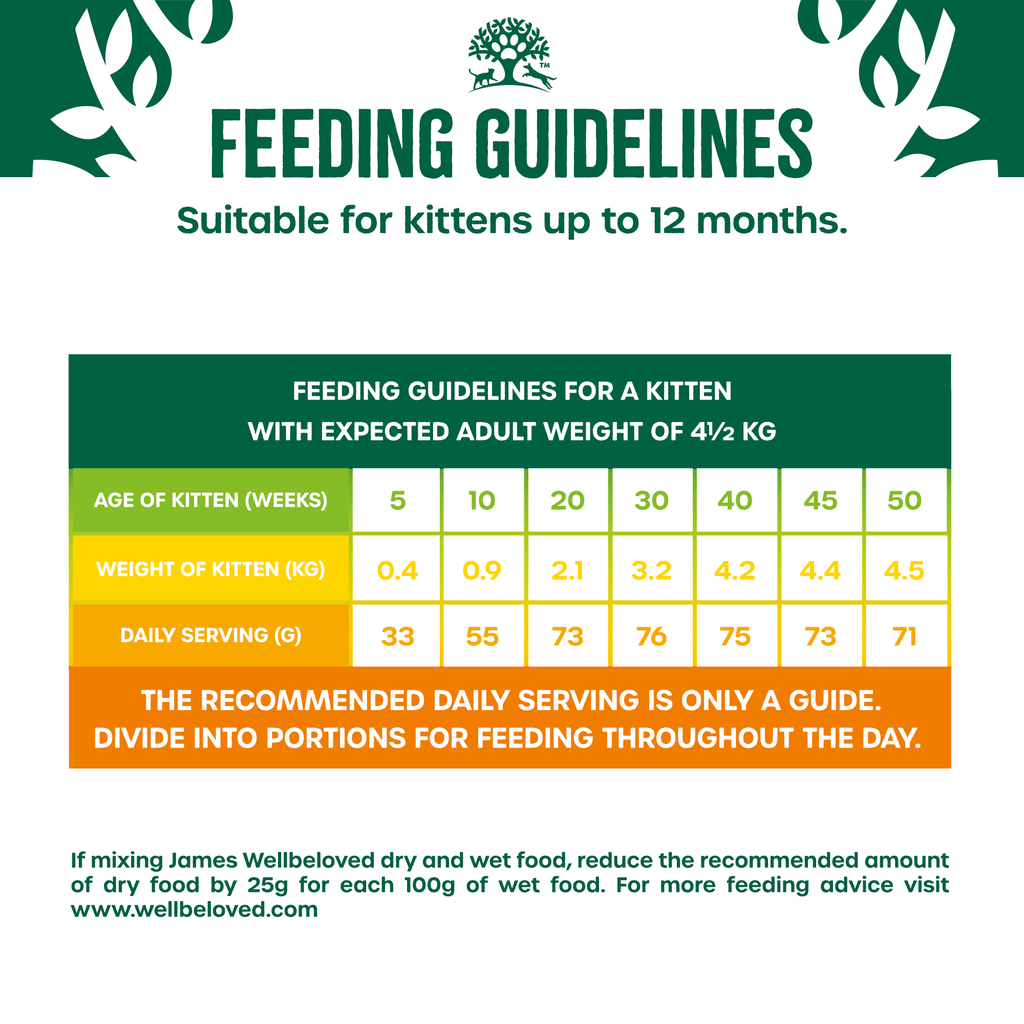
Cat food labels often list serving sizes based on weight or age. Check the recommended portion for your cat's weight. This helps avoid overfeeding, which can lead to obesity. Small cats require less food than large cats. Adjust portions as your cat grows or changes weight.
Caloric Content
Calories indicate the energy in the food. Look for the calories per serving on the label. Compare it with your cat's daily caloric needs. Active cats may need more calories. Older or less active cats need fewer calories. Balance calorie intake with exercise for healthy weight maintenance.
Determining Daily Caloric Needs
Determining how much wet food to feed your cat is crucial. Cats have specific daily caloric needs that vary by age, weight, and activity level. Understanding these needs can prevent overfeeding and ensure your pet stays healthy.
Calculating Caloric Requirements
First, know your cat's weight. This is key for calculating daily calories. The average indoor cat needs about 20 calories per pound. Multiply your cat's weight by 20 to find its daily caloric needs. For more active cats, increase this number slightly.
Read the label on the wet food packaging. It often lists calories per serving. Use this information to decide portion size. It's important to adjust portions based on your cat's age and health.
Consulting With A Veterinarian
A veterinarian can help determine the exact caloric needs for your cat. They consider factors like age, weight, and health conditions. This personalized advice ensures your cat receives the right amount of food.
Regular vet visits help monitor your cat’s weight and health. This ensures you make informed decisions about feeding. Your vet may suggest changes in diet based on your cat's current health status.
Transitioning To Wet Food
Cats thrive on a balanced diet, and wet food can be a great addition. Transitioning a cat to wet food requires patience and careful observation. Cats are creatures of habit, so sudden changes might cause stress or digestive issues. This process should be smooth and gradual, ensuring your cat's comfort and health.
Gradual Introduction
Start by mixing a small amount of wet food with their regular dry food. Gradually increase the portion of wet food over several days. This helps your cat adjust to the new texture and flavor. Observe your cat's eating habits during this transition. Some cats may need more time to accept the change.
Offer wet food at room temperature. Cats often prefer it this way. Try different flavors to find one your cat loves. Keep meals consistent in size and timing. Consistency helps your cat adapt to the new diet.
Monitoring For Adverse Reactions
Watch for any signs of digestive upset, like diarrhea or vomiting. These can indicate a sensitivity to the new food. If adverse reactions occur, consult your veterinarian. They can provide guidance on suitable food options.
Check for changes in energy levels or coat condition. A healthy response to wet food typically includes more energy and a shiny coat. Regularly weigh your cat to ensure they maintain a healthy weight. Adjust food portions if needed.
Balancing Wet And Dry Food
Balancing wet and dry food in a cat's diet is essential for health. A good mix keeps them hydrated and happy. Adjust portions based on their weight and activity level.
Balancing wet and dry food for your cat is key to their health. Wet food provides hydration and variety, while dry food offers convenience and dental benefits. Combining both can ensure your cat gets a complete and balanced diet. Understanding the benefits and strategies for mixed feeding will help you make informed choices.
Benefits Of Mixed Feeding
Mixing wet and dry food gives your cat the best of both worlds. Wet food helps maintain hydration, crucial for urinary tract health. It also tends to be more palatable, enticing picky eaters. Dry food, on the other hand, is convenient and easy to store. It can also help reduce tartar buildup on your cat's teeth. Together, they provide a varied texture and flavor, keeping your cat interested in meals.
Proportional Feeding Strategies
Finding the right balance depends on your cat's age, weight, and activity level. Start by determining the total calorie needs of your cat. Most adult cats need about 20 calories per pound daily. Divide these calories between wet and dry food. For example, if your cat requires 200 calories, you might offer 100 calories from wet food and 100 from dry food. Adjust the portions based on your cat's preference and health needs. Monitor your cat's weight and adjust feeding amounts as necessary to maintain an ideal body condition.
Signs Of Overfeeding Or Underfeeding
Cats may show signs of overfeeding like weight gain and lethargy. Underfeeding can lead to weight loss and frequent hunger cries. Adjusting wet food portions ensures balanced nutrition for your feline friend.
Feeding your cat the right amount of wet food is crucial. Overfeeding or underfeeding can lead to health issues. Understanding the signs can help maintain your cat's well-being. Observing certain indicators can guide you in adjusting their diet.
Weight Changes
Significant weight changes are a clear indicator. A sudden weight gain suggests overfeeding. Conversely, rapid weight loss indicates underfeeding. Regularly weigh your cat to monitor their health. Keep track of any noticeable changes in their body shape.
Behavioral Indicators
Behavioral changes can signal feeding issues. A cat that's always hungry might be underfed. Constant begging for food is a common sign. A lethargic or less active cat might be overfed. Observe their energy levels and daily activity. Look for signs of discomfort or sluggishness. Monitoring these signs ensures your cat's health. Adjust their diet based on these observations. Your cat's well-being depends on a balanced diet.
Adjusting Feeding Based On Cat’s Needs
Every cat is unique, and their dietary needs can vary greatly. Adjusting the amount of wet food you feed your cat requires a keen understanding of their individual needs, lifestyle, and health changes. What works for one feline might not be suitable for another, so being attentive to your cat’s specific requirements is crucial to ensuring their well-being and happiness.
Adapting To Life Changes
Life changes can significantly impact your cat’s dietary needs. Whether you’re moving to a new home, introducing a new pet, or your cat is recovering from an illness, these events can alter their appetite and nutritional demands.
Consider a friend who adopted an older cat; she noticed a decrease in appetite after the move. Understanding this was due to stress, she adjusted the feeding schedule and type of wet food, ensuring the cat felt comfortable and secure.
Have you noticed any shifts in your cat’s behavior during changes in your life? It might be a signal to reassess their feeding routine and make necessary adjustments.
Regular Monitoring And Adjustments
Regularly monitoring your cat’s weight and energy levels can provide insights into whether their current diet meets their needs. Too much wet food can lead to obesity, while too little might not provide enough nutrients.
Set aside time each week to observe your cat during meal times. Are they finishing their food quickly, or leaving more than usual? These observations can guide you in tweaking portions.
If your cat seems more energetic or calmer than usual, it might be time to reevaluate their food intake. Regular adjustments ensure your cat remains healthy and happy.
Credit: stellarnook.com
Credit: aimextools.com
Frequently Asked Questions
How Much Wet Food To Feed A Cat A Day?
Feed your cat about 3-5 ounces of wet food per 5 pounds of body weight daily. Adjust based on activity level and health needs. Consult your vet for personalized advice.
Is 2 Ounces Of Wet Food Enough For A Cat?
Two ounces of wet food might not be enough for most cats. Cats typically need 3-5 ounces daily, depending on their weight and activity level. Always consult your veterinarian to determine the appropriate portion size for your cat's specific needs.
Adjust based on your cat's weight and health.
How Much Wet Food Should I Feed My Cat?
The amount depends on your cat's weight and age. Typically, an adult cat needs about 3-5 ounces per day. Always check the food packaging for specific feeding guidelines. It's crucial to adjust portions based on your cat's activity level and health needs.
Can I Mix Wet And Dry Cat Food?
Yes, you can mix wet and dry food for a balanced diet. Mixing provides variety and helps maintain dental health. Ensure the combined portions meet your cat's nutritional needs. Always consult your vet for personalized advice, especially if your cat has dietary restrictions.
Conclusion
Feeding your cat the right amount of wet food matters. It supports their health and happiness. Always check the food label for guidance. Adjust portions based on your cat's age and activity level. Consult your vet for personalized advice. Cats need balanced nutrition to thrive.
Too much or too little can affect their well-being. Observing your cat’s weight and energy helps in adjusting portions. Healthy cats have shiny coats and active behavior. Caring for your cat’s diet ensures a longer, happier life. Your furry friend deserves the best nutrition possible.
Keep their bowl filled with love and care.
