
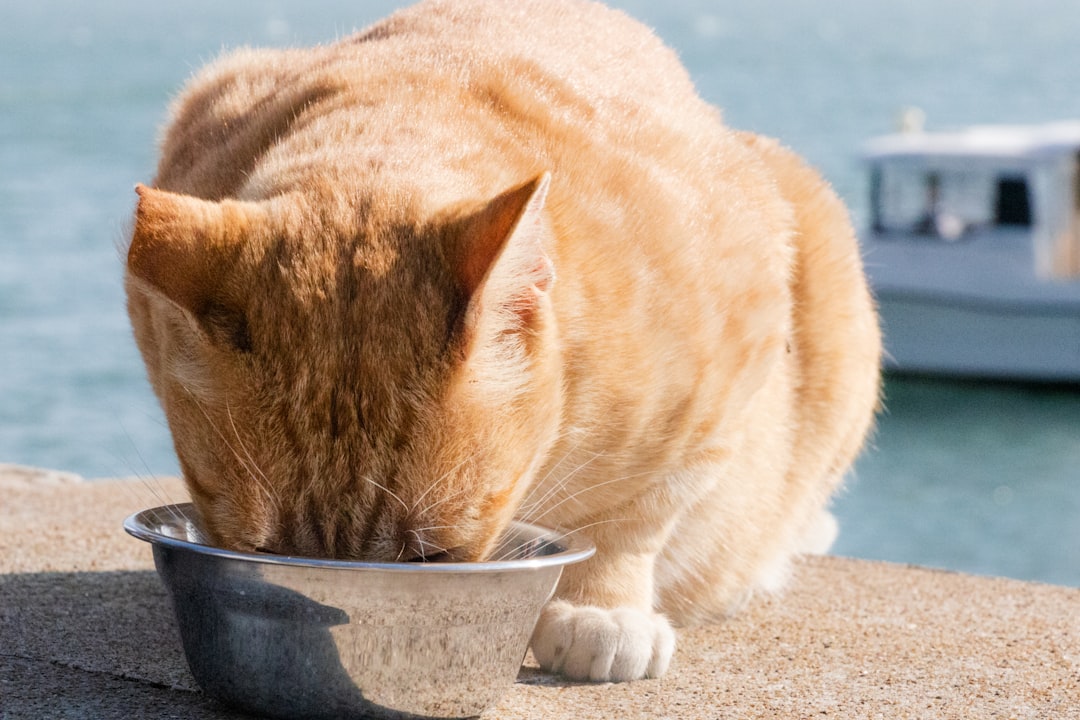
Are you worried about how much to feed your cat? You're not alone.
Many cat owners find themselves puzzled by the right portion sizes for their furry friends. Feeding your cat the right amount of food is crucial for their health and happiness. But, with so many brands and types of cat food, knowing the correct serving can feel overwhelming.
Imagine the peace of mind you'll have once you discover the perfect feeding chart tailored to your cat's needs. This guide will help you navigate the complexities of cat feeding, ensuring your feline companion stays fit and healthy. Dive in to learn more about creating a balanced diet for your cat, and eliminate guesswork from mealtime. Your cat deserves the best, and you'll feel confident knowing exactly how much to serve them. Read on to unlock the secrets of a well-fed and content kitty.
Credit: www.walmart.com
Understanding Cat Nutritional Needs
Cats are unique creatures with specific nutritional needs. Understanding these needs helps ensure they live healthy lives. Proper nutrition supports their growth, energy levels, and overall well-being. A balanced diet is crucial for maintaining their health. Let's explore what constitutes a nutritious diet for cats.
Understanding Protein Requirements
Protein is essential for cats. It supports muscle development and energy. Cats need more protein than dogs. Their diet should include high-quality animal-based proteins. Chicken, fish, and beef are excellent sources. Always ensure protein makes up a significant portion of their diet.
Essential Vitamins And Minerals
Vitamins and minerals play a vital role in cat health. They support immune function and bone health. Key vitamins include A, D, E, and K. Important minerals include calcium and phosphorus. A balanced diet provides these nutrients. Supplements should be given if needed, but consult a vet first.
Hydration And Water Intake
Water is crucial for cats. It aids digestion and prevents urinary problems. Ensure your cat has fresh water available at all times. Wet cat food contains more water than dry food. Consider offering wet food to boost hydration.
Maintaining A Healthy Weight
Monitoring your cat's weight is important. Obesity can lead to health issues. Use a feeding chart to manage portions. Adjust feeding amounts based on your cat's activity level. Regular exercise helps maintain a healthy weight.
Recognizing Special Dietary Needs
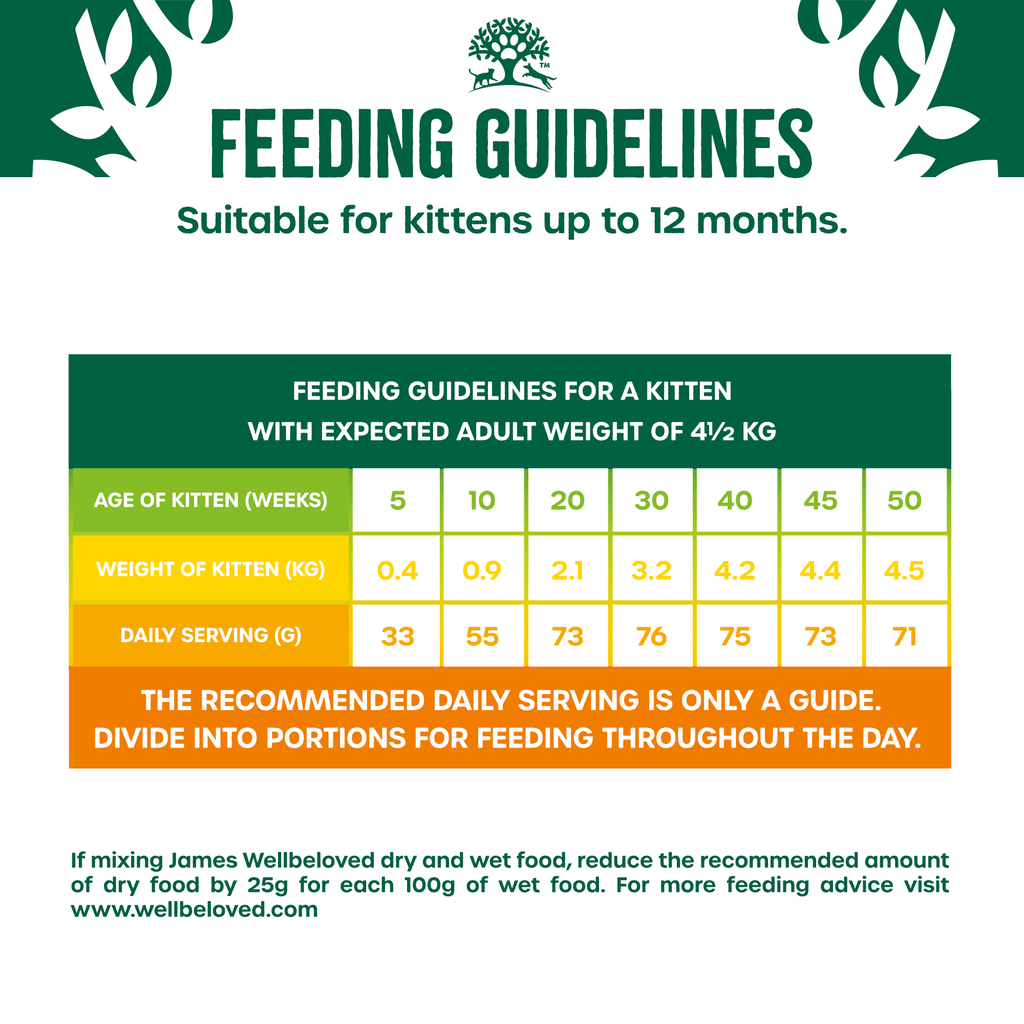
Some cats have special dietary needs. Age, health conditions, and breed can affect diet. Kittens need more calories and nutrients. Senior cats may require fewer calories. Always tailor the diet to your cat's specific needs.
Credit: www.petsmart.com
Factors Influencing Feeding Amounts
Feeding your cat the right amount is crucial for their health and happiness. But how do you determine what's ideal? Several factors influence how much you should feed your cat. Understanding these can help you tailor their diet to meet their specific needs. Let's dive into these essential factors.
Age And Life Stage
Cats have different nutritional needs at various life stages. Kittens require more frequent feeding with nutrient-dense food to support their rapid growth. Adult cats, on the other hand, benefit from balanced meals that maintain their energy levels and overall health. Seniors might need diets focused on joint health and reduced calories to prevent obesity.
Have you noticed changes in your cat's appetite as they've aged? It's essential to adjust their portions accordingly. Consider consulting your vet for guidance on feeding amounts as your feline friend matures.
Activity Level
Your cat's activity level directly impacts their caloric needs. Highly active cats, like those who love to chase toys or roam outdoors, may require more food to fuel their adventures. Meanwhile, more sedentary cats might need fewer calories to avoid unwanted weight gain.
Think about your cat's daily routine. Are they a bundle of energy or a laid-back lounger? Adjust their feeding amounts to match their lifestyle, ensuring they get the right nutrients without overfeeding.
Breed And Size
Different breeds and sizes call for varying feeding amounts. Larger breeds, like Maine Coons, often need more food than smaller breeds such as Siamese cats. Each breed may also have unique dietary requirements that influence portion sizes.
Have you ever considered the specific needs of your cat's breed? Researching breed-specific feeding guides can offer valuable insights into how much to feed your furry companion.
Health Conditions
Your cat's health plays a significant role in determining their feeding amounts. Conditions like diabetes, kidney disease, or obesity require tailored diets and careful portion control. A vet can provide the best advice on feeding plans that cater to your cat's health needs.
If your cat has any health concerns, have you discussed diet adjustments with your vet? Proper feeding can be a vital part of managing their condition and enhancing their quality of life.
Types Of Cat Food
A variety of cat food types exist, including dry, wet, and raw options. Each type offers different nutritional benefits and feeding amounts. A cat feeding chart helps in determining the right portion for maintaining health and energy levels.
Understanding the types of cat food available is essential for any cat owner aiming to provide the best nutrition for their feline friend. Different types of cat food offer various benefits and drawbacks, and knowing these can help you make informed decisions tailored to your cat's needs. Whether you prefer the convenience of dry food, the moisture-rich benefits of wet food, or the natural appeal of a raw diet, each option plays a unique role in your cat's overall health.
Dry Food
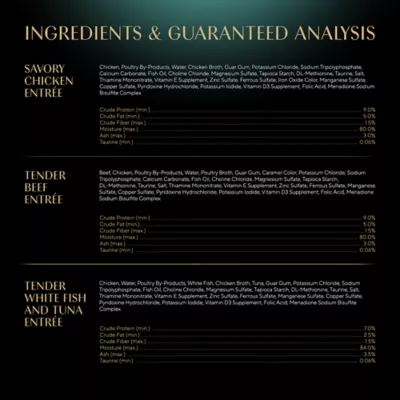
Dry cat food, often known as kibble, is a popular choice due to its convenience and cost-effectiveness. It has a longer shelf life and is easy to measure, making it simple to stick to feeding guidelines. However, it's crucial to ensure your cat drinks plenty of water, as dry food lacks the moisture content found in other types of cat food. Some owners appreciate that dry food can help with dental health, as the crunchiness can reduce tartar buildup. But always check the ingredients, aiming for high-quality protein sources. Have you ever noticed how your cat grazes on kibble throughout the day? This behavior can help control weight when feeding is monitored properly.
Wet Food
Wet cat food is beloved for its high moisture content, which can be beneficial for cats that don't drink enough water. The texture and aroma often make it more appealing to picky eaters. However, it can be more expensive and less convenient due to its shorter shelf life once opened. When feeding wet food, consider mixing it with dry kibble to balance cost and hydration benefits. Does your cat have a specific flavor they adore? Wet food comes in a variety of flavors, providing variety and excitement to meal times.
Raw Diet
A raw diet mimics what cats might eat in the wild, focusing on raw meat, organs, and bones. Advocates argue it provides natural nutrition and health benefits. However, preparing and storing raw food can be time-consuming and requires careful handling to prevent bacterial contamination. If you're considering a raw diet, consult with your vet to ensure your cat gets all essential nutrients. It can be rewarding to see your cat thrive on a diet that closely resembles their ancestral eating habits. What do you think about feeding your cat a diet so close to nature?
Credit: aimextools.com
Creating A Feeding Chart
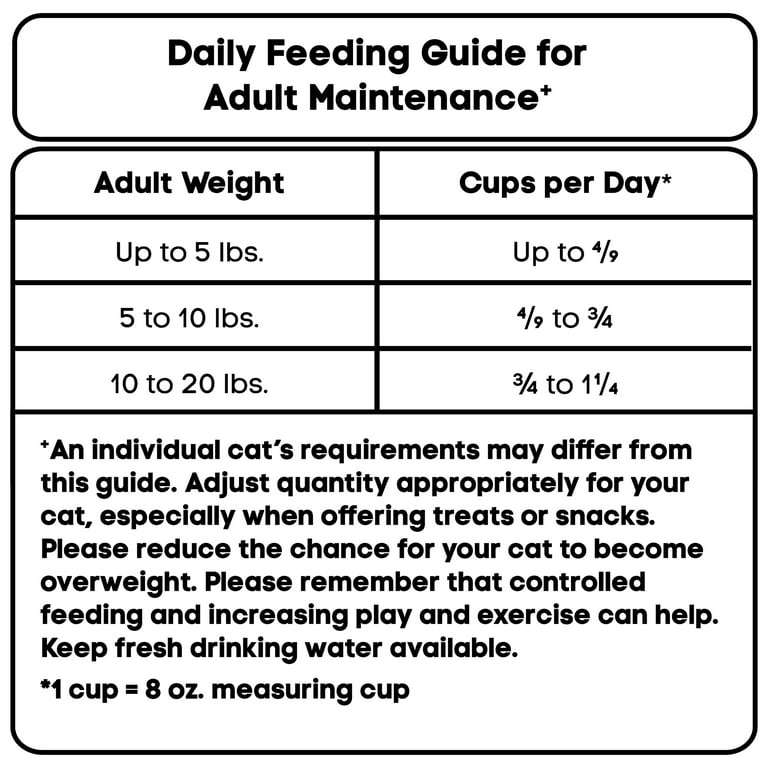
Creating a feeding chart helps determine the right amount to feed your cat daily. Consider your cat's age, weight, and activity level. Tailor the chart to ensure a balanced diet and healthy lifestyle.
Creating a Feeding Chart A feeding chart for cats helps maintain their health and weight. It provides a structured approach to meal planning. Understanding your cat's needs is essential. This guide breaks it down into simple steps.
Daily Caloric Requirements
Cats need a specific number of calories daily. This depends on their age, weight, and activity level. A typical adult cat requires about 20 calories per pound. Active cats may need more calories. Older or sedentary cats require fewer calories. Consulting with a vet can provide precise numbers.
Portion Sizes
Portion sizes are crucial for a balanced diet. Overfeeding leads to obesity and health problems. Measure food accurately using a scale or measuring cup. Dry food portions differ from wet food. Adjust portions based on your cat's weight and health needs. Regular checks on your cat's weight help ensure proper feeding.
Frequency Of Meals
Meal frequency affects digestion and energy levels. Cats benefit from multiple small meals daily. Two to three meals are ideal for most cats. Some prefer free-feeding with dry food. Others thrive on scheduled meals. Observe your cat's habits for the best feeding schedule.
Adjusting For Weight Management
Determining the right food quantity is crucial for a cat's health. A feeding chart helps balance nutritional needs and weight management. Adjust portions based on age, activity level, and health condition for optimal care.
Adjusting for Weight Management When it comes to feeding your cat, maintaining a healthy weight is crucial. Whether your furry friend needs to shed a few pounds or gain some, adjusting their diet is key to their overall well-being. The right feeding chart can guide you, but you may need to tweak it for weight management.
Overweight Cats
An overweight cat may need a slight reduction in calories. Start by cutting back on treats and switching to a high-protein, low-carb diet. Measure their food carefully, and consider dividing it into smaller, more frequent meals to keep their metabolism active. Engage your cat in daily play sessions. This not only helps burn calories but also strengthens your bond. Remember, sudden changes can be stressful, so gradually adjust their food intake. Have you ever tried interactive toys? They can encourage your cat to be more active, making weight loss more achievable.
Underweight Cats
For an underweight cat, you might need to increase their food intake. Choose calorie-dense foods rich in healthy fats and proteins. You could also add a small, nutritious snack between meals. Ensure your cat is healthy by visiting the vet, as underlying health issues might be affecting their weight. Fresh, clean water is essential to support their digestion and nutrient absorption. Have you noticed your cat being picky? Sometimes, experimenting with different flavors or textures can help entice them to eat more.
Signs Of Overfeeding Or Underfeeding
A cat's feeding chart helps find the right balance. Overfeeding results in weight gain and lethargy. Underfeeding causes weight loss and lack of energy.
Understanding the right amount to feed your cat is crucial for its health and well-being. Overfeeding or underfeeding can lead to various health issues that might affect your furry friend's quality of life. Recognizing the signs of overfeeding or underfeeding can help you adjust your feeding strategy, ensuring your cat stays healthy and happy.
Signs Of Overfeeding
One of the most apparent signs of overfeeding is weight gain. If you notice your cat is getting a bit rounder or heavier than usual, it might be time to reassess its diet. Have you noticed your cat becoming less active? Overfeeding can lead to lethargy, as excess weight makes movement more challenging. Another sign is frequent vomiting. Overfed cats often eat too quickly, leading to digestive issues.
Signs Of Underfeeding
Is your cat always begging for food? Constant hunger might be a sign that your cat isn't getting enough nutrition. Check your cat’s coat. A dull, brittle coat can be a symptom of underfeeding, as it may not be receiving the essential nutrients needed for healthy fur. You might also notice a change in behavior. Cats that are underfed can become more aggressive or anxious due to hunger and discomfort.
What Can You Do?
Consider adjusting the portion sizes based on your cat's age, weight, and activity level. Consult your vet for personalized advice. They can help you understand the specific dietary needs of your cat. Try using a feeding chart. It can guide you in determining the appropriate amount of food for your cat's unique requirements.
Personal Experience: Learning From Mistakes
I once struggled with feeding my cat the right amount. After noticing signs of overfeeding, I started using a feeding chart and consulted my vet. This experience taught me the importance of monitoring my cat's weight and energy levels. Have you ever had a similar experience? Adjusting your approach based on your cat's feedback can make all the difference.
Final Thoughts
The key is balance. Keeping an eye on your cat's behavior and physical changes helps you maintain a healthy diet. Adjustments might be necessary over time as your cat ages or its activity levels change. Are you ready to make changes to ensure your cat stays healthy? Your furry friend depends on you to provide the right nutrition.
Consulting With A Veterinarian
Understanding how much to feed your cat is crucial. Consulting a veterinarian helps you read and use the feeding chart correctly. Get personalized advice for your cat's health and dietary needs.
Consulting with a veterinarian is an essential step in understanding the nutritional needs of your cat. Each feline is unique, with specific dietary requirements influenced by factors like age, weight, and health status. A veterinarian can provide tailored advice, ensuring your cat receives the right amount of food for optimal health.
Understanding Your Cat's Unique Needs
Every cat is different, and a one-size-fits-all approach to feeding can lead to health issues. A vet can assess your cat's individual needs, considering their age, breed, and activity level. This personalized assessment helps in creating a diet plan that supports your cat's overall well-being.
Adjusting Portions For Health Conditions
Some cats may have special dietary needs due to health conditions like diabetes or kidney disease. A veterinarian can recommend portion adjustments or special diets that cater to these conditions. This ensures your cat gets the necessary nutrients without exacerbating their health issues.
Monitoring Weight And Activity Levels
Maintaining a healthy weight is crucial for your cat's longevity. Vets can help monitor your cat's weight and suggest portion sizes based on their activity levels. Regular check-ups can prevent obesity or undernourishment, promoting a healthy lifestyle.
When To Seek Professional Advice
Notice any changes in your cat's eating habits or weight? This could be a sign to consult your vet. Immediate professional advice can prevent minor issues from becoming major health concerns.
Creating A Feeding Plan With Your Vet
Work with your veterinarian to develop a feeding plan that aligns with your cat's needs. This plan should include the type of food, portion sizes, and feeding frequency. A well-structured plan can make a significant difference in your cat's quality of life.
Common Feeding Mistakes
Determining the right amount of food for your cat is crucial. A cat feeding chart helps avoid overfeeding, ensuring your feline friend stays healthy. Adjust portions based on age, weight, and activity level for optimal nutrition.
Feeding your cat seems simple, but many pet owners unknowingly make common mistakes that can impact their feline's health. Understanding how much to feed your cat is crucial, but it's equally important to recognize and avoid these pitfalls. Let's delve into some frequent feeding errors that could be affecting your cat's well-being.
Overfeeding And Underfeeding
Many cat owners tend to overestimate or underestimate the amount of food their cat needs. Overfeeding can lead to obesity, while underfeeding may cause nutritional deficiencies. It's essential to follow a feeding chart and adjust portions according to your cat's age, weight, and activity level. Have you checked if your cat's portion aligns with its specific needs?
Ignoring The Quality Of Food
The quality of food is just as important as the quantity. Feeding your cat low-quality food can lead to health problems over time. Always choose high-quality cat food that provides the necessary nutrients. Have you considered what ingredients are in your cat's food?
Inconsistent Feeding Schedule
Cats thrive on routine and a consistent feeding schedule is vital for their digestive health. Irregular meal times can lead to anxiety and overeating. Stick to regular feeding times to ensure your cat's well-being. Is your cat's feeding schedule consistent each day?
Not Monitoring Treat Intake
Treats are a great way to reward your cat, but they should be given in moderation. Excessive treats can lead to weight gain and disrupt balanced nutrition. Track the number of treats you give and include them in your cat's daily calorie count. Could those extra treats be adding hidden calories to your cat's diet?
Neglecting Hydration
Cats often don't drink enough water, especially if they eat dry food. Dehydration can lead to urinary issues and other health problems. Ensure your cat has access to fresh water at all times and consider incorporating wet food into their diet. Is your cat drinking enough water each day? Avoiding these common feeding mistakes can significantly enhance your cat's health and happiness. By being mindful of what and how you feed your cat, you are taking an important step in ensuring their long-term well-being.
Frequently Asked Questions
Is 1 Cup Of Food A Day Enough For A Cat?
A cat's food needs vary based on age, weight, and activity level. Generally, 1 cup may not suffice. Consult your vet for personalized advice and ensure your cat receives balanced nutrition. Always provide fresh water alongside meals. Adjust portions if your cat gains or loses weight unexpectedly.
What Is The Proper Amount Of Food To Feed A Cat?
Feed cats 24 to 35 calories per pound daily. Adjust for age, weight, and activity level. Consult your vet for personalized advice. Use feeding guidelines on cat food packaging for portion sizes. Ensure fresh water is always available. Monitor your cat's weight to prevent obesity.
Is 2 Meals A Day Enough For A Cat?
Feeding a cat two meals a day is generally sufficient for most cats. Ensure meals are balanced and nutritious. Consult your vet for specific dietary needs based on age, weight, and health. Regular feeding schedules help maintain your cat's optimal health and weight.
Is 2 Ounces Of Wet Food Enough For A Cat?
Two ounces may not be enough for most cats. Adult cats typically need around 3-5 ounces daily. Consider your cat's age, weight, and activity level when determining food portions. Consult your veterinarian for tailored advice to ensure your cat receives adequate nutrition.
Conclusion
Feeding your cat the right amount is crucial for its health. A proper diet keeps your cat energetic and happy. Use the feeding chart as a helpful guide. Adjust portions based on age, weight, and activity level. Remember, each cat is unique.
Monitor their weight and mood regularly. Consult your vet for personalized advice. A balanced diet supports long-term wellness. Caring for your cat's nutrition shows your love. Always provide fresh water alongside meals. With care, your cat thrives. Enjoy the rewarding bond with your healthy feline friend.
Your commitment makes a big difference.
