
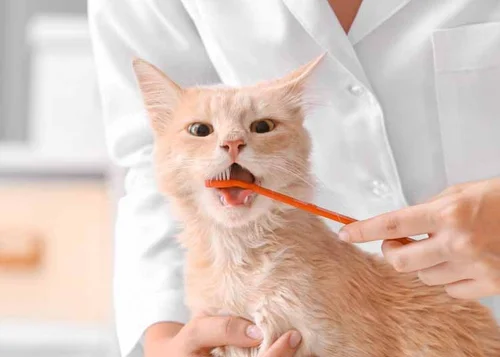
If you’ve ever recoiled from your cat’s notoriously stinky breath, you’re not alone. Many owners write off feline bad breath as a normal quirk, but it’s often the first warning sign of preventable dental disease. The American Veterinary Medical Association reports that 80% of cats over three years old develop some form of oral health issue, most of which can be avoided with simple at-home care. Brushing your cat’s teeth doesn’t have to be a stressful battle: with the right tools, gradual prep, and a patient approach, even the most skittish cats can learn to tolerate (and even enjoy) their dental routine. This guide covers everything you need to know to brush your cat’s teeth safely, avoid common mistakes, and keep their smile healthy for years to come.
Why Brushing Your Cat’s Teeth Is Critical for Their Overall Health
Cats are masters at hiding pain, so dental issues often go unnoticed until they’re advanced. Plaque builds up on their teeth within hours of eating, and if not removed, hardens into tartar within days. Tartar irritates the gums, leading to gingivitis (inflammation of the gums), which can progress to periodontitis (infection of the tissue holding teeth in place) and tooth resorption, a painful condition where the tooth breaks down from the inside out. Left untreated, bacteria from infected gums can enter the bloodstream and damage the kidneys, heart, and liver—making dental care one of the most impactful steps you can take for your cat’s long-term health. Pairing regular toothbrushing with high-quality wet food supports their overall well-being high-quality wet food. For cats already showing signs of kidney strain from advanced dental disease, kidney-healthy wet food options can help support their system kidney-healthy wet food options. You can also read our guide on how often do you brush cats teeth.
The Only Tools You Actually Need (No Fancy Gadgets Required)
You don’t need expensive specialized gear to brush your cat’s teeth effectively—just a few cat-specific basics that keep them safe and comfortable. Avoid human toothbrushes, which are too large and can damage delicate feline gums, and never use human toothpaste, which often contains xylitol and fluoride, both toxic to cats if swallowed.
Tool Comparison for Every Cat Personality
| Tool Type | Best For | Pros | Cons |
|---|---|---|---|
| Dual-head cat toothbrush | Cats who tolerate brushes well | Reaches molars easily, soft bristles | Can feel bulky for very small cats |
| Finger brush | First-time brushers, skittish cats | Easy to control, less intimidating | Hard to reach back molars |
| Silicone finger cap | Cats who hate bristles | Gentle, easy to clean | Less effective at removing plaque |
| Pet dental wipes | Cats who refuse all brushes | No brushing motion needed, quick | Less thorough than brushing |
Pet-Safe Toothpaste 101
Look for cat toothpaste with flavors like chicken, tuna, or malt that your cat will enjoy licking. Enzymatic formulas are ideal, as they break down plaque bacteria even if you don’t scrub hard, making the process more effective for first-time brushers. If your cat is extremely resistant to brushes, start with a soft washcloth wrapped around your finger to wipe their teeth before graduating to a brush. You can also read our guide on are you supposed to brush your cats teeth.
Prep Work: Set Your Cat Up for Success Before You Brush
Cats thrive on routine and familiarity, so rushing into a full brush session cold will almost always end in stress for both of you. Start 1–2 weeks before your first full brush to build positive associations.
Start Desensitization Early
Let your cat sniff and inspect the toothbrush and toothpaste, rewarding them with treats for calm behavior. Next, rub the brush along their gums and teeth without applying toothpaste or scrubbing, just getting them used to the sensation. In practice, most cats tolerate front teeth contact far faster than back molars, so prioritize the easier areas first. A common mistake owners make is pushing to brush all teeth in the first session, which turns the routine into a negative experience—go at your cat’s pace. You can also read our guide on oral tick medication for cats.
Pick the Right Time and Place
Schedule brushing sessions when your cat is naturally calm, like after a meal or a nap, when they’re sleepy and less likely to wriggle away. Choose a quiet, distraction-free spot—no loud TV, other pets, or household traffic. If your cat feels more secure on a raised surface, use a non-slip mat on a table; if they prefer to stay on the floor, sit on the couch with them in your lap. Avoid brushing when your cat is hungry, playful, or overstimulated, as they’ll be less cooperative.
Use High-Value, Exclusive Rewards
The rewards you use for brushing should be something your cat only gets during dental care, not their regular daily kibble. Soft freeze-dried treats, a quick play session with their favorite wand toy, or a small amount of wet food work well to build a positive association with the routine. For cats who are highly food-motivated, high-value training rewards are ideal for reinforcing calm behavior high-value training rewards. You can also read our guide on how to improve my cats nutrition daily.
Step-by-Step Guide to Brushing Your Cat’s Teeth (Even for Skittish Cats)
Follow these steps to keep sessions low-stress and effective, even if your cat has never had their teeth brushed before:
- Position your cat safely: Hold your cat in your lap, or have a second person gently stabilize them on a non-slip surface if they’re wiggly. If your cat hates being held, let them sit next to you on the couch. Avoid restraining them too tightly, as this will increase their stress and make them more likely to struggle. Speak in a soft, calm voice throughout the session.
- Start with the easiest teeth first: Gently lift your cat’s lip to expose their front canines (the large, pointed front teeth). Most cats are far more tolerant of having their front teeth touched first, so start here rather than reaching for the hard-to-reach molars in the back.
- Apply a pea-sized amount of toothpaste: Squeeze a small amount of cat-safe toothpaste onto the brush, and let your cat sniff or lick it off if they want. Don’t force the brush into their mouth if they’re resistant—just let them get used to the taste first.
- Use gentle circular motions: Hold the toothbrush at a 45-degree angle to the gum line, and use small, circular motions to clean the outer surface of each tooth (the side facing the cheek, where plaque builds up most). Spend 2–3 seconds per tooth—you don’t need to brush the inside of the teeth, as your cat’s rough tongue naturally cleans that surface.
- Keep sessions extremely short at first: For first-timers, limit sessions to 10–15 seconds total, gradually working up to 30 seconds per side as your cat gets comfortable. If they start to struggle, stop and try again later—forcing the issue will make future sessions harder.
- Reward immediately the second you’re done: Give your cat their high-value treat and lots of praise right after finishing, so they associate brushing with positive outcomes. Over time, many cats will start to look forward to their dental routine.
In practice, you don’t need to brush every single tooth every session, especially at first. Even brushing 2–3 front teeth a day is better than skipping brushing entirely, and will still make a meaningful difference for your cat’s oral health.

A calm, relaxed cat is the first step to a successful toothbrushing session.
Credit: www.purina.com
Troubleshooting Common Brushing Challenges
Even with the best prep, you may run into hurdles when starting a brushing routine. These are all normal, and easy to work around with patience:
My cat hates the toothbrush
If your cat swats at the brush or runs away when they see it, try switching to a silicone finger cap or a soft washcloth wrapped around your finger first—these feel far less intimidating than a full-sized brush. Let your cat play with the brush as a toy for a few days before using it on their teeth, so they stop seeing it as a threat. For cats who love texture, a finger brush with soft silicone bristles is often a good middle ground between a washcloth and a full brush. You can also read our guide on should you brush your cats teeth.
My cat is extremely anxious or aggressive
If your cat hisses, growls, or swats when you try to brush their teeth, try the "burrito" method: gently wrap them in a soft towel, leaving only their head exposed, to limit their ability to wriggle or scratch. Brush when they’re half-asleep, like right after a nap, when they’re less likely to resist. If aggression persists, pause the routine for a few days and go back to desensitization steps—never force brushing, as this will create long-term fear of the routine. Full feline grooming routines that include positive, low-stress handling can also help your cat get more comfortable with being touched full feline grooming routines.
My cat won’t let me near their mouth
Start by just touching your cat’s chin and cheeks, rewarding them for staying calm. Next, gently lift their lip for 1–2 seconds, then reward. Work up to touching their teeth with the brush (without scrubbing) over the course of 1–2 weeks. Consistency is key—even 30 seconds of practice a day will build familiarity over time.
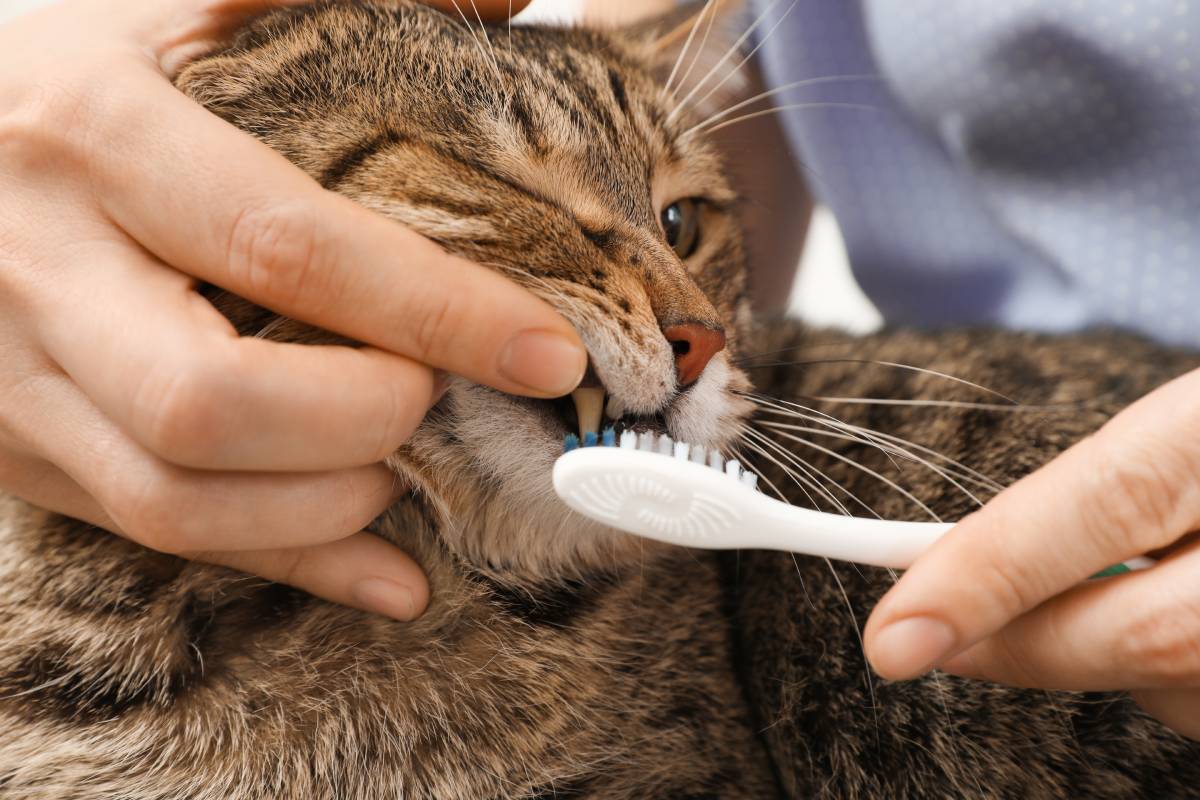
Healthy feline gums should be pink, not red or swollen, and teeth should be free of visible tartar buildup.
Credit: weareallaboutcats.com
Alternatives to Brushing (For Cats Who Absolutely Refuse)
While daily brushing is the gold standard for feline dental care, some cats will never tolerate it, no matter how much patience you use. In these cases, these vet-recommended alternatives are far better than doing nothing at all:
- VOHC-approved dental treats and chews: Look for products with a seal from the Veterinary Oral Health Council, which certifies that treats reduce plaque and tartar by at least 20% VOHC-approved dental treats. Avoid hard bones or antlers, which can crack your cat’s teeth.
- Dental water additives: Vet-formulated additives you add to your cat’s water bowl that reduce bacteria in the mouth. Always choose products labeled safe for cats, with no xylitol or harmful ingredients.
- Dental wipes: Pre-moistened wipes designed to wipe plaque off teeth and gums, ideal for cats who hate the texture of a brush.
- Regular professional dental cleanings: Most cats need a full dental cleaning under anesthesia every 1–3 years, performed by a veterinarian, to remove tartar buildup that at-home care can’t reach.
For cats with existing dental disease or pain, opt for soft, nutritionally balanced feline diets that are easy to chew nutritionally balanced feline diets.
When to Call Your Vet: Red Flags You Can’t Ignore
Even with regular brushing, cats need annual dental checkups with their veterinarian. Schedule an immediate appointment if you notice any of these signs of advanced dental disease:
- Persistent bad breath that doesn’t improve with brushing, often accompanied by drooling
- Bleeding gums during or after brushing
- Difficulty eating, dropping food, or chewing only on one side of the mouth
- Loose, broken, or missing teeth
- Swelling, redness, or pus in the mouth
- Changes in behavior: hiding more than usual, irritability, decreased grooming, or refusing to eat
These signs often indicate issues that require professional treatment, and delaying care can lead to chronic pain and systemic health complications.
Finger brushes are a less intimidating option for cats who are nervous about full-sized toothbrushes.
Credit: www.yahoo.com

Long-Term Tips for a Lifetime of Healthy Smiles
Consistency is the most important factor in maintaining your cat’s dental health. Stick to a brushing routine at the same time every day (many owners brush right after breakfast, when their cat is sleepy and fed). Combine brushing with other dental care tools like dental treats and water additives for extra protection. Start brushing as early as possible—kittens adapt far faster than adult cats—but don’t be discouraged if you’re starting with an older cat: many adult cats learn to tolerate brushing with weeks of gradual desensitization. Avoid giving your cat hard toys, bones, or antlers to chew on, as these can cause fractured teeth. Finally, schedule annual vet dental exams to catch issues early, before they become painful or expensive to treat.
Frequently Asked Questions
Are you supposed to brush a cat’s teeth?
Yes. The American Veterinary Medical Association reports that 80% of cats over three years old develop some form of dental disease, most of which is preventable with regular at-home care. Brushing removes plaque before it hardens into tartar, the leading cause of gum disease, tooth loss, and systemic health issues in cats. For evidence-based guidance on feline dental care, refer to official veterinary recommendations evidence-based feline dental care guidelines.
How do you clean a cat’s teeth at home if they hate brushing?
Start with desensitization: let them sniff and taste cat-safe toothpaste, rub a washcloth or gauze along their teeth and gums for a few seconds, and reward them immediately for calm behavior. If they still refuse, use VOHC-approved dental treats, water additives, or dental wipes as a supplement, and talk to your vet about other options. For a full list of tested, certified dental products, check the Veterinary Oral Health Council’s directory Veterinary Oral Health Council's list of approved dental products.
How often should you brush your cat’s teeth?
Ideally every day, but even 3–4 times a week makes a significant difference. Consistency is more important than perfection—regular, short sessions are better than infrequent, long ones that stress your cat out.
Can I use human toothpaste on my cat?
Never. Human toothpaste contains xylitol, fluoride, and other ingredients that are toxic to cats if swallowed. Always use toothpaste formulated specifically for felines, which is safe to ingest and comes in flavors cats enjoy.
What if my cat has existing dental disease?
If your cat already has signs of dental pain or disease, schedule a vet appointment first. Brushing painful teeth will cause more stress and discomfort, and your vet may recommend a professional cleaning or treatment before you start an at-home routine.
Conclusion
Brushing your cat’s teeth doesn’t have to be a dreaded chore. With gradual prep, the right tools, and a patient, reward-focused approach, you can build a routine that keeps your cat’s mouth healthy and reduces their risk of painful, costly dental disease down the line. Remember: consistency matters more than perfection—even short, infrequent sessions are better than skipping brushing entirely. If you’re looking for more ways to support your cat’s overall health, check out our guide to nutritionally balanced feline diets to keep them thriving from the inside out nutritionally balanced feline diets.