
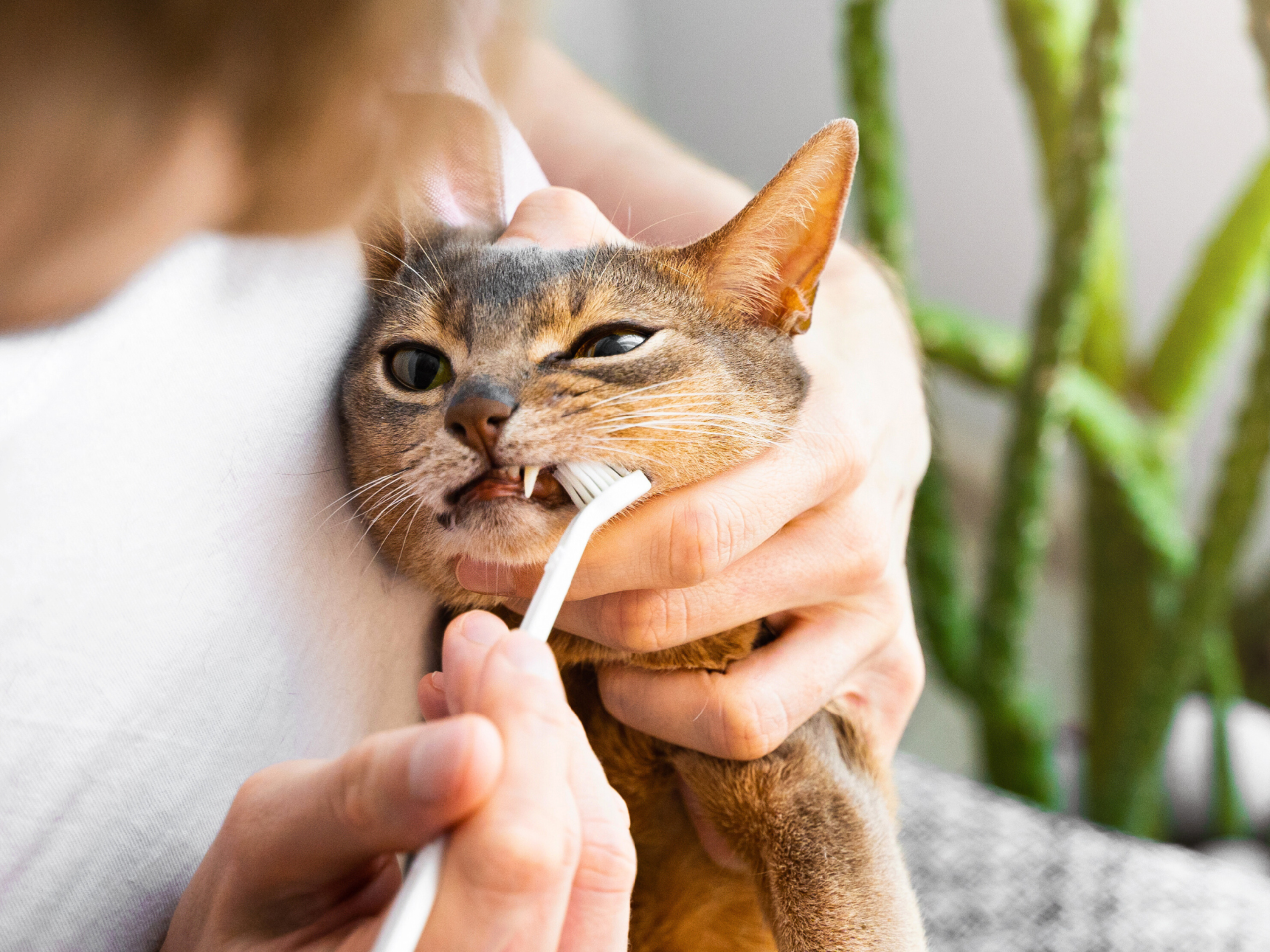
Most cat owners prioritize feeding, playtime, and litter box upkeep, but feline dental care often falls by the wayside—until a vet points out advanced tartar buildup or your cat starts avoiding their favorite food. As outlined in evidence-based feline dental care guidance from the Cornell University College of Veterinary Medicine, routine at-home tooth brushing is the single most effective preventive measure for painful, costly dental disease in cats. If you’ve ever asked, “Should you brush your cat’s teeth?” the short answer is yes for nearly all felines, and this guide will walk you through why it matters, how to do it without the drama, and what to do if your cat refuses to cooperate.
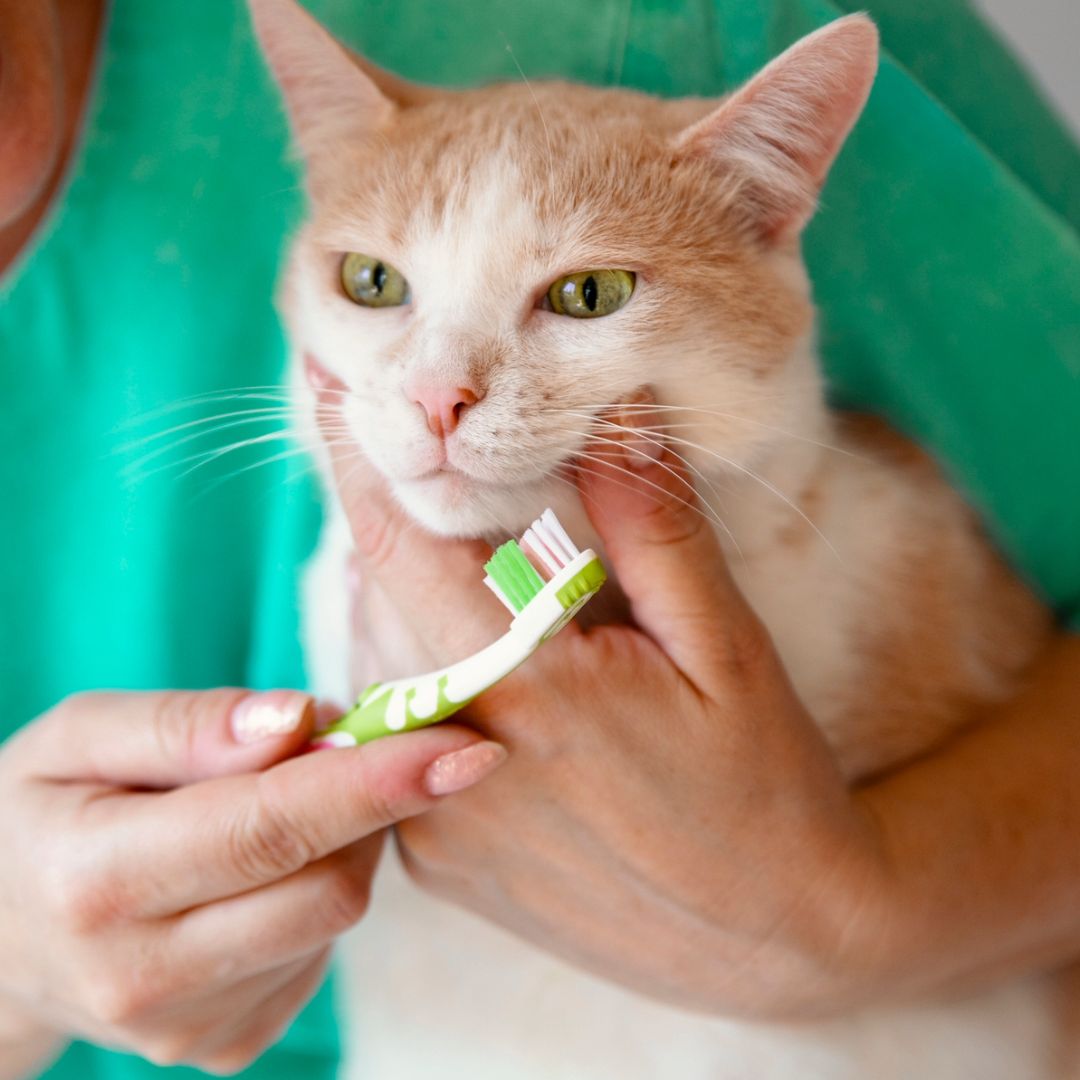
Regular at-home brushing is the most effective way to prevent plaque and tartar buildup in cats.
Credit: www.petsradar.com
The Short Answer: Yes, And Here’s Why
Veterinary dental specialists consistently rank daily tooth brushing as the gold standard for feline oral care, far more effective than dental treats, diets, or wipes alone at removing plaque before it hardens into tartar. Unlike dogs, cats are notoriously skilled at hiding pain, so dental disease often progresses to advanced stages before owners notice any symptoms. Brushing your cat’s teeth doesn’t just keep their breath fresh—it reduces the risk of systemic health complications that can impact their heart, kidneys, and liver over time, and can cut down on expensive veterinary dental procedures by thousands of dollars over your cat’s lifetime. You can also read our guide on how do you train cats to use the toilet.
What Most Cat Owners Don’t Know About Feline Dental Disease
Many cat owners assume dental issues only affect cats that eat dry kibble, but plaque forms on all teeth regardless of diet, as leftover food particles mix with saliva and bacteria to create a sticky biofilm on the enamel. If not removed within 24 to 48 hours, this plaque hardens into tartar, a rough, porous substance that traps more bacteria and irritates the gums, leading to gingivitis. Left untreated, gingivitis progresses to periodontal disease, which destroys the tissue and bone that support the teeth, and can even lead to tooth resorption—a painful condition where the cat’s own body breaks down the tooth structure from the inside out.
The risks extend far beyond the mouth: veterinary research confirms that bacteria from untreated gum disease can enter the bloodstream through inflamed gum tissue, causing bacteremia that triggers chronic inflammation in vital organs. Cats with pre-existing conditions like chronic kidney disease are especially vulnerable to complications from untreated dental pain, so pairing regular brushing with renal-supportive nutrition can reduce overall systemic health risks. You can also read our guide on is wet food bad for cats teeth.
Non-Negotiable Signs Your Cat Has Dental Pain
Because cats instinctively hide signs of weakness, dental distress often shows up as subtle behavioral or physical changes before you notice obvious pain. Watch for these red flags:
- Behavioral changes: Reluctance to eat hard food, dropping food mid-meal, chewing only on one side of the mouth, refusing favorite treats, decreased playfulness, or reduced grooming (which can lead to matted fur)
- Physical symptoms: Persistent bad breath that smells like rotten meat or sewage (not just mild “cat breath”), excessive drooling, pawing at the mouth, visible redness, swelling, or bleeding in the gums, or loose teeth
- Advanced warning signs: Weight loss from avoiding meals, lethargy, or aggressive behavior when touched near the face
If you notice any of these signs, schedule a vet appointment immediately. If your cat is avoiding hard food due to pain, switch temporarily to soft, nutritionally balanced wet food to ensure they meet their daily caloric and nutrient needs while you address the underlying issue.
Brushing vs. Alternatives: What Actually Works
Brushing your cat’s teeth removes up to 80% of surface plaque when done correctly, making it the only at-home method that fully meets veterinary dental care recommendations. That said, some cats refuse to tolerate brushing no matter how much training you put in, and alternatives can help slow plaque buildup in these cases:
- VOHC-approved dental treats: These are formulated to scrub plaque off the teeth as the cat chews, but they only clean the surfaces they touch, and many are high in calories. Opt for low-calorie dental rewards to avoid unintended weight gain.
- Dental wipes and oral rinses: These can reduce bacteria on the surface of the teeth, but they don’t scrub plaque out of the gum line the way brushing does.
- Prescription dental diets: These are formulated with kibble designed to scrape plaque off the teeth as the cat chews, and are a good option for cats that won’t tolerate any hands-on dental care.
No alternative is as effective as brushing, but any of these methods are better than no dental care at all for cats that absolutely cannot tolerate a toothbrush. You can also read our guide on oral tick medication for cats.
Step-by-Step: How To Brush Your Cat’s Teeth Without the Drama
A common mistake new cat owners make is forcing a toothbrush into their cat’s mouth on the first attempt, which almost always leads to long-term resistance to the routine. The key to success is slow, gradual desensitization paired with positive reinforcement:
Prep Work (Weeks 1–2)
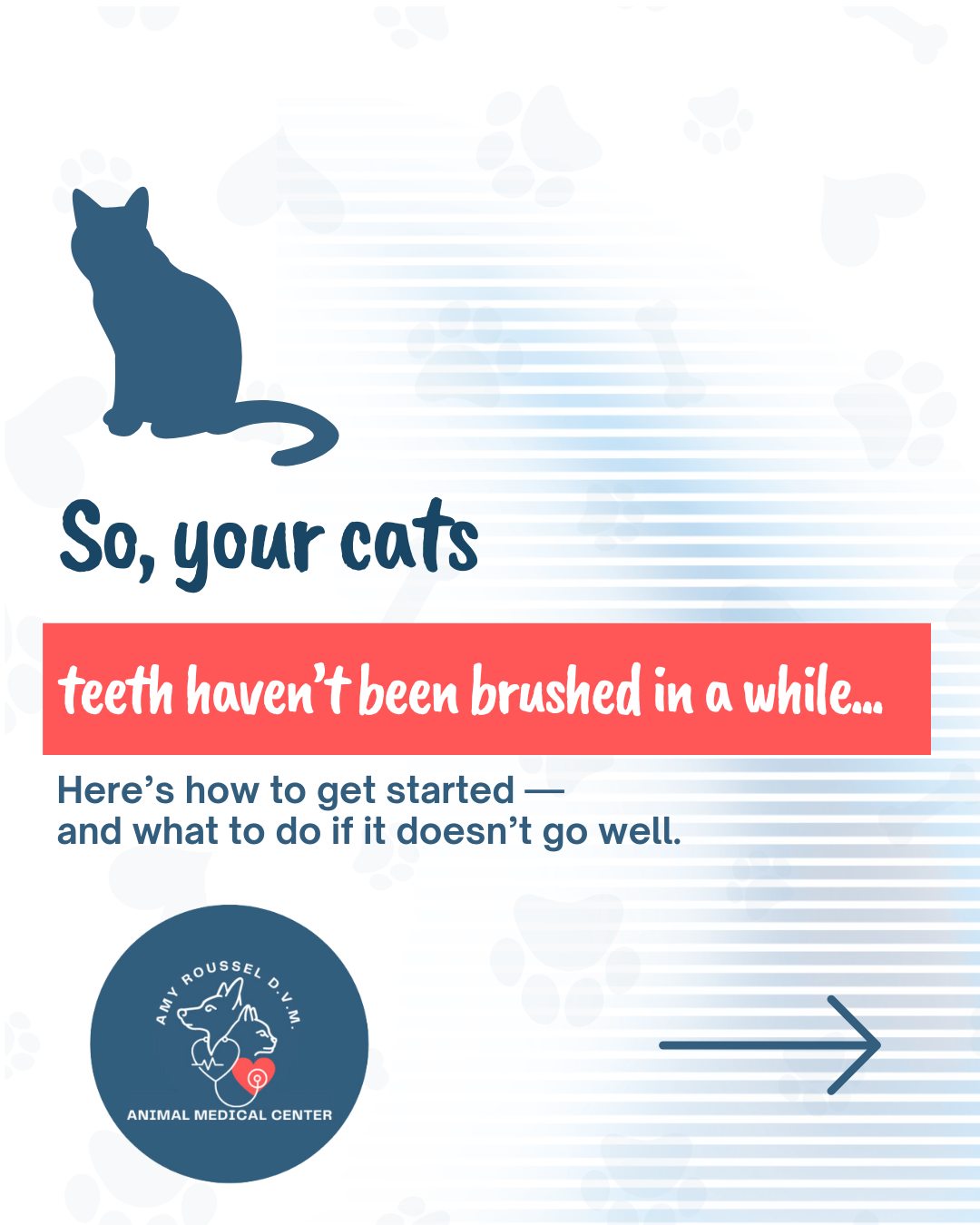
Start by getting your cat comfortable with you touching their face and mouth. Gently lift their lip for a few seconds at a time, then reward them with a treat. Let them sniff and taste cat-specific toothpaste (never use human toothpaste, which contains toxic ingredients like xylitol and high fluoride levels that are dangerous if swallowed) to get used to the flavor. Pair these sessions with reward-based training techniques to build positive associations with mouth handling.
First Brushing Sessions (Weeks 3–4)
Once your cat is comfortable with mouth handling, introduce a soft finger brush or a cat-specific toothbrush with ultra-soft bristles. Start by brushing only the two large canine teeth (the “fangs” at the front of the mouth) for 10 to 15 seconds per session, then immediately reward your cat with a treat and praise. Many cats will only tolerate this small amount of contact at first, and that’s okay—consistency matters more than covering all teeth in one go. Some cats respond well to target training tools to build tolerance for the brush near their face gradually. You can also read our guide on why does my cat do that understanding common cat behaviors.
Full Routine (After 4+ Weeks)
Once your cat accepts brushing the front teeth, gradually work your way back to the molars over the course of a week or two. Hold the brush at a 45-degree angle to the gum line, and use gentle circular motions to scrub the outer surfaces of the teeth (the inner surfaces are harder to access and less prone to tartar buildup, so you can skip these if your cat won’t tolerate it). Aim for 30 seconds of brushing per side of the mouth, and end every session with a high-value reward.
Common Mistakes to Avoid
- Don’t brush aggressively: Scrubbing too hard can damage gums and make your cat associate brushing with pain.
- Don’t rush the process: If your cat shows signs of stress (flattened ears, twitching tail, trying to escape), stop and try again later.
- Don’t skip regular vet check-ups: Even cats with perfect at-home brushing routines need annual dental exams to catch hidden issues like tooth resorption early.
Positive reinforcement with high-value rewards helps cats associate brushing with positive experiences.
Credit: m.facebook.com
When At-Home Brushing Isn’t Enough: Professional Care Options
Even the most dedicated at-home brushing routine can’t remove tartar that has already hardened below the gum line, which is why regular professional dental care is a critical complement to home care. Most vets recommend annual professional dental cleanings for cats over the age of 3, though some cats with higher risk of dental disease may need cleanings every 6 months. You can also read our guide on fleatick prevention for cats.
Professional cleanings are performed under general anesthesia to keep the cat safe and still, and include full mouth x-rays to detect hidden issues like tooth resorption or broken tooth roots that aren’t visible to the naked eye. The vet will scale tartar off the teeth above and below the gum line, polish the enamel to smooth out rough spots that trap plaque, and treat any existing issues like inflamed gums or loose teeth.
Some professional feline grooming services offer basic teeth brushing for cats that tolerate handling, but these services cannot replace veterinary cleanings, as they don’t include scaling below the gum line or x-rays. If your cat has severe dental disease, your vet may recommend advanced treatments like tooth extractions or root canals to eliminate pain and prevent infection from spreading.
Annual professional dental cleanings under anesthesia remove tartar that at-home brushing cannot reach.
Credit: m.facebook.com
Frequently Asked Questions
Is It Okay To Not Brush My Cat’s Teeth?
While some cats may have a lower genetic risk of dental disease, skipping brushing entirely significantly increases the risk of painful, costly dental issues over time. Even cats that eat exclusively wet food develop plaque on their teeth, so brushing is recommended for all cats unless a vet explicitly advises against it due to pre-existing mouth trauma, severe dental pain, or medical conditions that make anesthesia high-risk for professional cleanings.
Do Vets Recommend Brushing Cats’ Teeth?
Yes, the American Veterinary Dental College and most major veterinary associations list daily tooth brushing as the gold standard for feline dental care. Vets may recommend complementary products like dental treats or prescription diets to support oral health, but no at-home product replaces the mechanical plaque removal that brushing provides.
Is It Necessary To Clean A Cat’s Teeth?
For the vast majority of cats, yes. Untreated dental disease causes chronic pain, reduces quality of life, and can lead to life-threatening systemic infections. The only exceptions are cats with severe, advanced dental disease that makes brushing painful until the underlying issue is treated, or cats with medical conditions that make any oral handling stressful. Even in these cases, vets will recommend alternative dental care methods to manage plaque buildup.
How Often Should I Brush My Cat’s Teeth?
Daily brushing is ideal, as plaque begins to harden into tartar within 24 to 48 hours after eating. For cats that strongly resist brushing, aim for at least 3 to 4 sessions per week to slow plaque buildup. Consistency is more important than perfect technique, so even short, 10-second sessions are better than no brushing at all.
Final Verdict: Make Brushing a Non-Negotiable Part of Your Routine
The answer to “Should you brush your cat’s teeth?” is a clear yes for nearly all felines. Brushing is the most effective, low-cost way to prevent painful dental disease, reduce the risk of systemic health complications, and avoid expensive veterinary procedures down the line. If you’ve been putting off starting a brushing routine, start small this week: lift your cat’s lip to check for signs of redness or tartar, offer them a taste of cat-safe toothpaste to gauge their reaction, and work up to full brushing sessions gradually over the course of a month. Most cats adjust to the routine within 4 to 6 weeks of short, positive sessions, and the long-term payoff for their health and comfort is well worth the initial effort.