
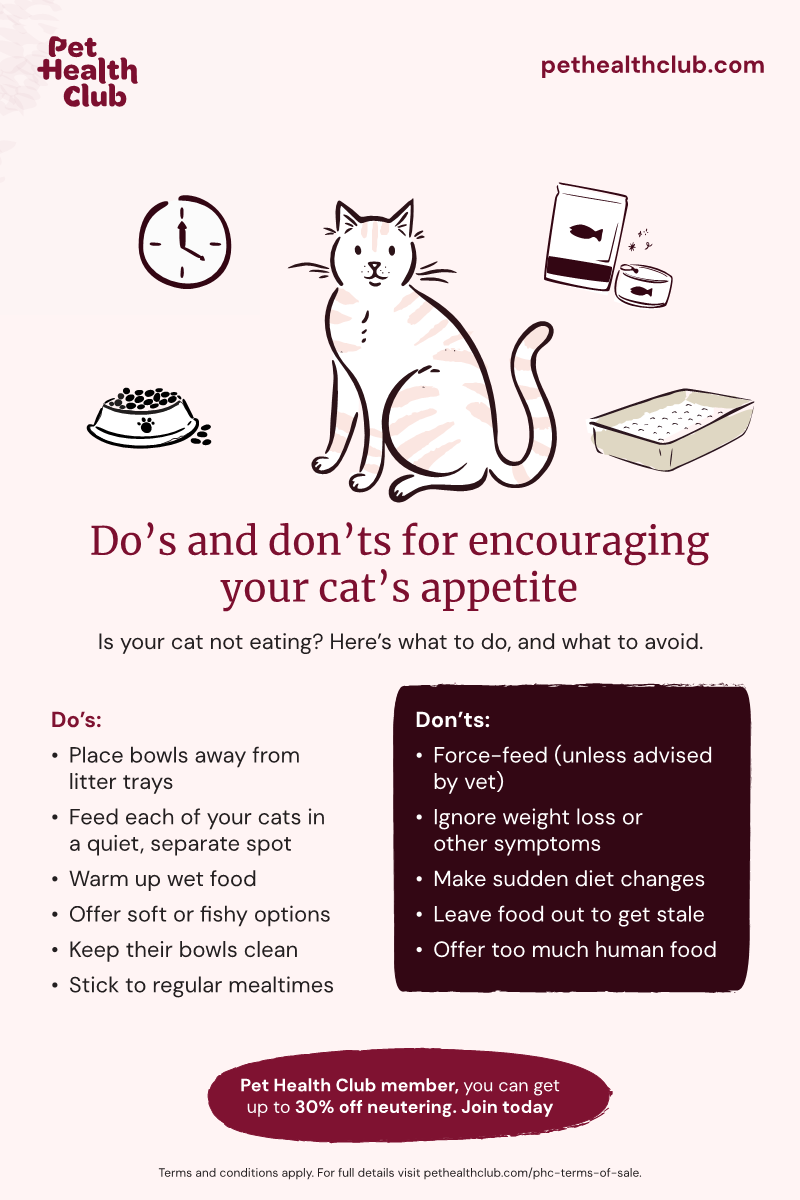
Is your feline friend turning up its nose at mealtime? You might find yourself searching for a magic ingredient to spark their appetite.
Nutritional yeast could be the answer you're looking for. This savory, cheese-like seasoning is a favorite among pet owners hoping to entice their picky eaters. Imagine your cat eagerly waiting by their bowl, excited for every meal. We’ll explore whether nutritional yeast can truly enhance your cat's appetite, how it works, and whether it’s safe for your furry companion.
Get ready to uncover the secret to making mealtime an event your cat looks forward to!

Credit: www.b2kpet.com.sg
Nutritional Yeast Basics
Nutritional yeast has gained popularity as a supplement for cats. It is known for its potential to boost appetite and offer health benefits. Understanding the basics of nutritional yeast can help cat owners decide if it's right for their feline friends.
What Is Nutritional Yeast?
Nutritional yeast is a deactivated yeast, often derived from sugarcane or beet molasses. Unlike active yeast, it does not cause fermentation. It is typically sold in flakes or powder form. Its savory, cheesy flavor makes it a favorite among pet owners who want to enhance their cat's food.
Nutritional Profile And Benefits
Nutritional yeast is packed with essential nutrients. It is rich in B vitamins, including B12, which is vital for energy metabolism. It contains protein, providing essential amino acids. It is also a source of minerals like zinc and selenium.
The benefits of nutritional yeast are numerous. It supports a healthy coat and skin. It boosts the immune system. The presence of B vitamins helps in stress reduction. These factors may contribute to an increased appetite in cats.
Cats And Nutritional Yeast
Nutritional yeast can boost a cat's appetite by enhancing flavor in their food. Its cheesy taste often appeals to cats, encouraging them to eat more. Adding a small amount to meals might help picky eaters enjoy their food.
Cats and Nutritional Yeast Cats can be picky eaters. Many cat owners search for ways to boost their appetite. Nutritional yeast is often suggested as a solution. This savory powder is popular among health enthusiasts. But is it good for cats too? Let's explore how nutritional yeast might affect your feline friend.
Is It Safe For Cats?
Nutritional yeast is safe for most cats. It is not the same as baking yeast. It is inactive and won't cause digestive issues. Some cats might be allergic, though. Always introduce it slowly. Watch for signs of allergies like itching or vomiting. Consult your vet for advice.
Potential Health Benefits
Nutritional yeast might offer some health perks. It is rich in B vitamins, which support energy. These vitamins help maintain a healthy coat and skin. It also contains amino acids. These are building blocks for strong muscles. Cats might find its cheesy flavor appealing. This can increase their interest in food. Always serve in moderation to avoid overconsumption.
Appetite Stimulation In Cats
Have you ever watched your cat turn its nose up at dinner and wondered why? Cats can be quite picky eaters, and a decline in their appetite might be alarming. Understanding the reasons behind this and how nutritional yeast can play a role in stimulating their appetite can make mealtime a happier event for both of you.
Common Causes Of Appetite Loss
Cats can lose interest in food for various reasons. Stress is a common culprit. A new environment or changes in routine can make them uneasy. Health issues like dental problems or digestive disorders also affect their desire to eat.
Sometimes, it’s simply a matter of taste. Cats, much like humans, have flavor preferences. A sudden switch in food can lead to a drop in appetite. Are you giving your cat the flavors it loves?
Role Of Nutritional Yeast
Nutritional yeast isn't just for the health-conscious human. It’s a powerhouse of flavor and nutrition for your feline friend. Packed with B-vitamins, it can enhance the taste of their regular food, making it more appealing.
Have you tried sprinkling a bit over their meals? Many cat owners find this simple trick can revive their pet's interest in eating. It’s a natural flavor enhancer without the risks of artificial additives.
Are you looking for ways to entice your cat to eat? Nutritional yeast might be the gentle nudge they need. It’s a safe, natural option that can make mealtime enjoyable again.
How To Introduce Nutritional Yeast
Nutritional yeast can enhance a cat's appetite when sprinkled on food. Its savory flavor is appealing to many cats. Introduce it gradually to avoid overwhelming their taste buds.
Introducing nutritional yeast to your cat's diet can be a great way to enhance their appetite. This superfood is rich in B-vitamins and has a cheesy flavor that many cats enjoy. It’s important to introduce it slowly to ensure your feline friend adapts well. Start by sprinkling a small amount on their regular food. This can pique their interest without overwhelming them. Gradually increase the amount as they get accustomed to the new taste and texture.
Dosage And Serving Suggestions
When introducing nutritional yeast, use a small dose. Begin with 1/8 teaspoon per meal. This small amount helps prevent digestive issues. Observe your cat’s reaction. If they enjoy it, gradually increase the dose. Aim for a maximum of 1/2 teaspoon per meal. Mix the yeast well with wet or dry food. This ensures even distribution and better acceptance. If your cat seems hesitant, try adding a few drops of water to blend it in.
Signs Of Positive Response
Watch for signs of increased appetite. Your cat should show more interest in their meals. They may finish their food more eagerly. Look for a shinier coat and more energy. These are good indicators of a positive response. If your cat shows any adverse reactions, stop immediately. Always consult with your veterinarian before making dietary changes.
Potential Risks And Considerations
Nutritional yeast is a popular supplement for cats. It can enhance flavor and provide vitamins. But it's crucial to understand potential risks. Some cats might react negatively. Knowing these risks helps ensure a safe choice.
Possible Side Effects
Some cats may experience digestive upset. They might have diarrhea or vomiting. These symptoms can be uncomfortable for them. Monitor your cat's reaction closely. Allergic reactions are rare but possible. Signs include itching or skin rashes. If you notice these, stop using nutritional yeast.
When To Consult A Veterinarian
Consult a vet if side effects occur. They can provide guidance and alternatives. If your cat has pre-existing conditions, a vet's advice is crucial. This ensures the supplement won't worsen health issues. Regular check-ups help monitor your cat's overall health. Always prioritize their well-being with expert advice.
Real-life Experiences
Exploring nutritional yeast as a dietary addition can reveal its effects on a cat's appetite. Real-life experiences indicate that many cats enjoy its savory flavor, potentially boosting their interest in meals.
Real-life experiences provide valuable insights into nutritional yeast and cat appetite. Many pet owners and experts have shared their observations. Their stories help us understand how nutritional yeast affects cats.
Pet Owners' Testimonials
Pet owners often share their cats' reactions. Some noticed immediate changes. Cats seemed more interested in their food. One owner mentioned her cat used to be picky. After adding nutritional yeast, her cat ate more eagerly. Another pet owner shared a similar story. Her cat loved the taste and finished meals quickly. These positive experiences are common among cat lovers.
Case Studies
Case studies provide structured insights. A study involved ten cats with low appetite. Researchers added nutritional yeast to their diet. Most cats showed increased interest in food. Their weight and energy levels improved. Another case study focused on older cats. They often have reduced appetite. Nutritional yeast helped them eat better. These findings are promising for cat health.
Alternatives To Nutritional Yeast
Exploring alternatives to nutritional yeast can help enhance your cat's appetite. Chicken broth, fish oil, and cooked eggs are tasty options. These choices provide flavor and nutrition without using yeast.
Cats, much like humans, can be picky about their food. If nutritional yeast isn't enticing enough for your feline friend, there are several other options to consider. You might be surprised at how simple changes or additions to their diet can make a world of difference.
Other Appetite Enhancers
One effective appetite enhancer for cats is tuna water. The smell alone can lure even the most finicky eaters. Simply drain a can of tuna and mix the water with your cat's food. Another option is bone broth. It's rich in nutrients and flavor, making it an excellent way to tempt your cat's taste buds. You can make it at home or buy a pet-safe version from the store. Certain wet foods are also formulated to be more palatable for picky cats. Look for those with strong flavors or aromas, like chicken liver or salmon.
Comparing Effectiveness
When evaluating these alternatives, consider your cat's specific preferences and dietary needs. Tuna water, while enticing, lacks the nutritional benefits that bone broth offers. However, it’s a quick fix for short-term appetite issues. Bone broth, on the other hand, provides essential nutrients and can be a healthier long-term solution. It also helps with hydration, especially if your cat isn't drinking enough water. Wet foods can be more convenient and balanced, ensuring your cat gets a variety of nutrients with each meal. However, they may require trial and error to find the most appealing option for your cat. Have you tried any of these alternatives with your cat? What worked best for your furry friend? Exploring different options can lead to discovering the perfect solution to improve your cat’s appetite.

Credit: www.b2kpet.com.sg
Credit: www.banfield.com
Frequently Asked Questions
What Are The Side Effects Of Nutritional Yeast For Cats?
Nutritional yeast may cause digestive upset in cats, like diarrhea or vomiting. High phosphorus levels might affect kidney health. Consult a vet before introducing it to your cat's diet. Always ensure moderate consumption to prevent potential side effects.
Can I Give My Cat Nutritional Yeast Every Day?
You can give your cat nutritional yeast daily in moderation. It’s rich in B-vitamins and amino acids, promoting health. Ensure it's unfortified and consult your vet for personalized advice. Overfeeding may lead to digestive issues.
What Can I Feed My Cat To Stimulate Appetite?
Offer wet cat food or tuna to entice your cat's appetite. Warm the food slightly to enhance aroma. Adding chicken broth can also make meals more appealing. Ensure fresh food and water are always available. Consult your vet if appetite loss persists for underlying health issues.
How Does Nutritional Yeast Help Cats?
Nutritional yeast boosts cats' immune systems and provides essential B vitamins. It enhances coat health and may deter fleas.
Conclusion
Nutritional yeast may boost your cat's appetite. Cats often enjoy the flavor. This ingredient offers vitamins and proteins. It can be sprinkled on food. Some cats may be picky eaters. Adding nutritional yeast could help. Always check with your vet first.
They know what’s best for your pet’s diet. Observing your cat's reaction is important. If your cat likes it, use it occasionally. Balance is key in pet nutrition. Watch for any changes in eating behavior. Your cat's health should always come first.
Make informed choices for your pet’s well-being.
