
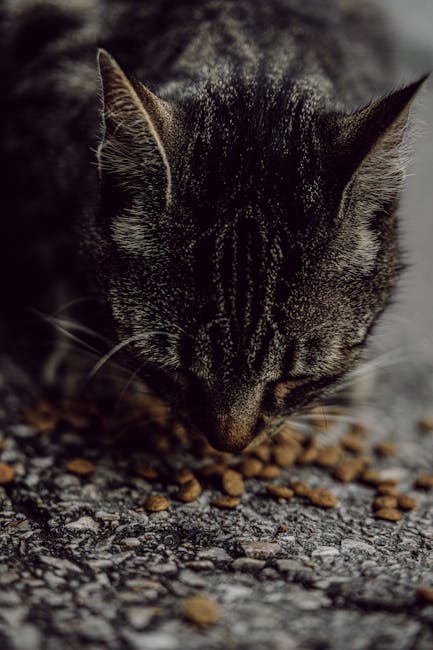
Have you ever wondered about the nutritional value of cat food for humans? It might sound a bit strange, but it's a question that sparks curiosity.
You might ask yourself: Is it safe? Could it possibly be beneficial? Or is it just a myth? By exploring this unusual topic, you'll uncover surprising facts and insights that might challenge your perceptions about diet and nutrition. Imagine unlocking secrets about what's in your pet's food and how it compares to what you eat.
You might be intrigued by the idea that something so familiar could hold unexpected truths. This article will guide you through the nutritional components of cat food and delve into whether humans can benefit from it. Your curiosity will lead you to discover the hidden potential and risks, ensuring you're informed and entertained along the way. Stay with us as we reveal the unexpected answers, and you might find yourself looking at your furry friend's meal in a whole new light.
Origins Of The Cat Food Myth
The idea that humans can gain nutrition through cat food has intrigued many. This curiosity stems from myths and misconceptions. Understanding the origins of these myths can clarify the truth. Let's explore where these ideas come from.
Historical Background
Cat food myths have roots in wartime scarcity. During tough times, food was hard to find. People turned to unconventional sources. Pet food was among them. Stories of survival spread, fueling myths. Over time, these tales became exaggerated. They transformed into beliefs about nutrition.
Common Misconceptions
Many think cat food is similar to human food. This misconception arises from its ingredients. People see meat and grains in labels. They assume it must be nutritious for humans. Yet, cat food is tailored for feline needs. It lacks essential nutrients for humans. Another misconception is safety. Some believe cat food undergoes strict tests. They assume it's safe for human consumption. In reality, regulations differ greatly between pet and human food.
Nutritional Composition Of Cat Food
Understanding the nutritional composition of cat food is important. Cat food is designed for feline health, focusing on their specific dietary needs. It includes proteins, fats, and essential nutrients cats require. These ingredients are carefully selected to meet cats' unique dietary requirements.
Key Ingredients
Cat food contains several key ingredients that promote feline health.
- Proteins:Essential for muscle growth and repair.
- Fats:Provide energy and support cell growth.
- Vitamins and Minerals:Support overall health and immunity.
- Fiber:Aids digestion and prevents hairball formation.
Each ingredient plays a specific role in maintaining a cat's well-being. Proteins are often sourced from chicken, fish, or beef. Fats are derived from animal sources or oils. Vitamins and minerals are added to support immune function. Fiber is included to help with digestion.
Comparison With Human Food
Cat food differs from human food in several ways. Cat food has higher protein content, which suits feline metabolism. Human diets focus on varied nutrients and lower protein levels. Cat food includes taurine, an amino acid crucial for cats but not for humans.
Cat food is typically low in carbohydrates. Human diets often contain more grains and sugars. Cats require fewer carbs, focusing on proteins and fats. Cat food is not balanced for human consumption. Human food is crafted to meet human dietary needs, considering health and lifestyle factors.
Potential Health Impacts On Humans
Have you ever wondered about the nutritional impact of unconventional food choices? The idea of humans consuming cat food might sound strange, yet it opens a door to exploring nutrition from a unique perspective. As curiosity piques, it's essential to understand the potential health impacts on humans. Let's delve into the possible benefits and risks associated with this feline fare.
Possible Benefits
Interestingly, cat food is packed with protein, often more than some human snacks. This protein boost can be beneficial for muscle repair and growth. Imagine the convenience of having a protein-rich option readily available in your pantry.
Some cat foods are fortified with vitamins and minerals, potentially filling gaps in your diet. Could this be a quirky solution to those days when you miss out on essential nutrients?
Risks And Concerns
Despite the nutritional perks, cat food is formulated for feline needs, not humans. This difference could mean an imbalance in nutrients, leading to deficiencies or excesses. Are you prepared to alter your diet to accommodate these potential changes?
Preservatives and additives present in cat food might pose risks to human health. Long-term consumption could lead to unforeseen health issues. How much do you really know about what you're eating?
Lastly, the taste and texture may not appeal to human palates, making regular consumption less practical. Would you enjoy your meals enough to stick to this unconventional diet?

Credit: m.facebook.com
Scientific Studies And Findings
Exploring whether humans can gain nutrition through cat food is an intriguing topic. While cat food is designed for feline health, some wonder if it offers benefits to humans. Scientific studies have examined this curiosity, providing insights into the nutritional components of cat food. Let's delve into the research findings and expert opinions.
Research Overview
Scientific studies have focused on the composition of cat food. Researchers analyze its ingredients, which include proteins, fats, and vitamins. The goal is to understand its nutritional value for humans. Studies show that cat food contains essential nutrients. However, it is formulated for cats, not humans. This difference in formulation is crucial. Human bodies have different dietary needs and metabolism rates.
Expert Opinions
Nutritionists offer valuable insights into this topic. They advise caution when considering cat food for human consumption. Experts emphasize the importance of a balanced diet tailored for humans. Cat food lacks certain nutrients needed by humans, such as specific vitamins and minerals. It may not meet human dietary requirements. Professionals highlight potential health risks. Long-term consumption could lead to deficiencies or health issues.
Legal And Ethical Considerations
When exploring the idea of humans gaining nutrition through cat food, it's important to consider both legal and ethical perspectives. The consumption of cat food by humans might seem unconventional, but understanding the regulations and ethical implications can provide clarity. Let's delve into these considerations to see what they entail.
Regulatory Standards
Cat food is manufactured under specific regulations that ensure its safety and nutritional adequacy for cats. These standards are not designed with human consumption in mind. Therefore, cat food does not meet the same rigorous safety and nutritional guidelines as human food.
The Food and Drug Administration (FDA) oversees the regulation of pet food in the United States. However, their focus is on ensuring that the food is safe for animals, not humans. This distinction is crucial as it influences the ingredients and processes used in production.
Considering these regulatory standards, would you feel confident consuming a product not specifically designed for human consumption? It's a question worth pondering before making any dietary decisions involving pet food.
Ethical Implications
From an ethical standpoint, consuming cat food raises questions about resource use and societal norms. Cat food is formulated to meet the dietary needs of cats, often with ingredients that humans might not find palatable or ethically sourced.
Additionally, there's the consideration of animal welfare. Choosing to consume cat food could inadvertently affect the availability and quality of food for the pets that rely on it. Is it ethical to divert resources meant for animals to human use?
Furthermore, there's a broader societal implication to consider. Eating cat food might be seen as undermining food security efforts, especially when there are many nutritious and affordable options available for humans. Could this choice reflect a disregard for socially accepted dietary practices?
These legal and ethical considerations shed light on the complexities of choosing to consume cat food. As you weigh these factors, what resonates most with your personal values and lifestyle?
Public Perception And Media Influence
The idea that humans might gain nutrition from cat food may sound bizarre, yet it has become a topic of public interest. This curiosity is often fueled by sensational stories and viral posts. But how much of this is shaped by media portrayal and public perception?
Role Of Social Media
Social media platforms are a powerful force in shaping opinions. A single viral post can spark a debate on human consumption of cat food. This is where the conversation often starts, with users sharing personal anecdotes or humorous takes.
Have you ever scrolled past a meme about unusual food choices and found yourself questioning its validity? That's the power of social media. It plants seeds of curiosity and skepticism, often blurring the lines between fact and fiction.
Impact Of Misinformation
Misinformation spreads like wildfire in the digital age. A few misunderstood articles or videos can lead people to believe in myths about nutrition from unconventional sources like cat food. The danger lies in the lack of scientific backing.
Consider the confusion that arises when people rely solely on viral content for health advice. It's crucial to verify information through credible sources. Don't let catchy headlines dictate your dietary choices.
Next time you encounter a sensational claim, take a moment to think critically. Does the source have authority on the subject? Your health decisions should be informed by facts, not fiction.
Alternative Nutritional Sources
Exploring alternative nutritional sources is crucial for maintaining a balanced diet. While conventional foods provide essential nutrients, diverse options can enrich our dietary intake. Varied sources ensure we meet our body's needs effectively. Let's delve into safe human foods and supplements that can complement nutrition.
Safe Human Foods
Many human foods offer rich nutritional benefits. Fruits like bananas and apples provide vitamins and fiber. Vegetables such as spinach and broccoli contain vital minerals. Lean meats, including chicken and fish, are excellent protein sources. Whole grains, oats, and quinoa deliver essential carbohydrates. Dairy products like milk and yogurt are rich in calcium.
Supplements And Vitamins
Supplements can fill nutritional gaps in diets. Vitamin D aids in calcium absorption. Omega-3 supports heart health and brain function. Iron supplements help combat anemia and boost energy. Calcium tablets strengthen bones and teeth. Multivitamins provide a balanced mix of essential nutrients.

Credit: www.instagram.com

Credit: www.instagram.com
Frequently Asked Questions
How Nutritious Is Cat Food For Humans?
Cat food is not suitable for human consumption. It lacks essential nutrients for humans and may cause digestive issues. Always choose food specifically made for human dietary needs. Eating cat food regularly can lead to nutritional deficiencies and health problems.
Is Cat Food Made For Human Consumption?
Cat food is not made for human consumption. It lacks nutrients essential for humans and may contain harmful additives. Always check labels and consult professionals for dietary advice.
Can You Eat Cat Food In A Survival Situation?
Yes, you can eat cat food in a survival situation. It provides basic nutrition, but it's not ideal. Always prioritize finding human food. Consuming it occasionally won't harm you, but it's not formulated for humans. Ensure the cat food is not expired and is safe to consume.
Is It Safe For Humans To Eat Pet Food?
Eating pet food is generally not recommended for humans. It lacks essential nutrients needed for human health. Pet food may contain ingredients unfit for human consumption. Always check labels and consult a doctor before considering it. Stick to food specifically made for humans for safety.
Conclusion
Exploring the idea of eating cat food for human nutrition sounds odd. It's not recommended for humans. Cat food is made for cats' dietary needs. Humans need a different balance of nutrients. Eating it might lack vital vitamins and minerals.
Also, there could be health risks. Cat food isn't tested for human safety. It's best to stick to food meant for people. A balanced diet with fresh fruits, vegetables, and proteins supports human health. Always choose foods designed for human consumption.
Keep your meals safe and nutritious.
