
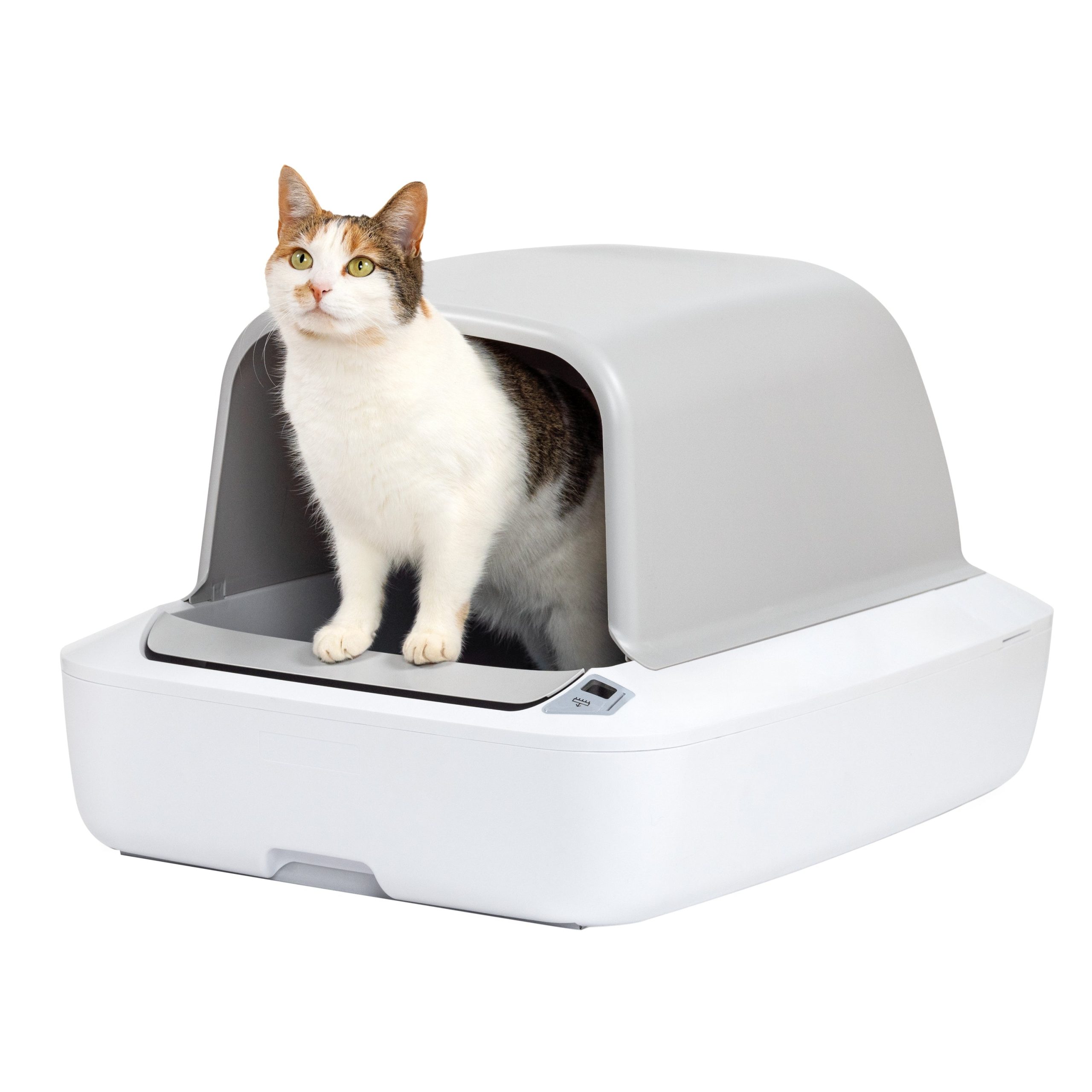
If you’ve ever groaned at the thought of scooping clumped litter at the end of a long day, or come home from a weekend trip to a stinky, overfull litter box, you’re not alone. For decades, daily litter box maintenance was an unavoidable part of cat ownership — until self-cleaning litter boxes hit the mainstream. By 2026, these devices have evolved from overpriced gimmicks to reliable, pet-safe tools that cut down on chores, reduce household odors, and keep your cat happier and healthier. In this guide, we’ll break down exactly how these boxes work, what features matter most, which models are worth your money in 2026, and how to transition your cat without accidents. Whether you have one cat or five, a tight apartment or a large home, there’s a self-cleaning option that fits your needs and budget.
Why a Self-Cleaning Litter Box Is a Game-Changer for Modern Cat Owners
Cat self-cleaning litter boxes eliminate the most tedious part of pet care, with benefits that extend beyond just convenience. Consistent litter box hygiene is one of the top recommendations from the AVMA for preventing inappropriate elimination behavior in cats, a common issue that leads to many cats being surrendered to shelters annually. You can also read our guide on cat flea and tick medication.
No More Daily Scooping Chores
The average cat owner spends 10–15 minutes a day scooping litter, which adds up to 60+ hours a year — more time than many people spend on vacation. Self-cleaning boxes automate this task, freeing you up to focus on playing with your cat, running errands, or simply relaxing after work.
Drastically Reduced Household Odor
Waste is removed automatically within minutes of your cat using the box, before ammonia and bacteria have time to build up and spread through your home. This is a game-changer for small apartments, homes with poor ventilation, or households where guests frequent common areas near the litter box. For homes still using traditional boxes, pairing with a high-quality odor control deodorizer can help, but self-cleaning models eliminate waste before odors spread at the source. You can also read our guide on can you train cats like dogs.
Better Feline Health and Hygiene
Cats are fastidious about cleanliness, and many will refuse to use a dirty litter box, leading to inappropriate elimination around the house or even urinary tract infections (UTIs) from holding waste for too long. Consistent automated cleaning ensures your cat always has a fresh, hygienic space to do their business, reducing stress and health risks.
Ideal for Busy Schedules and Travel
If you work long hours, travel frequently for work or leisure, or have mobility issues that make scooping difficult, a self-cleaning box removes the stress of worrying about your cat’s litter needs while you’re away. Many models have large waste compartments that can go 1–2 weeks between emptying, perfect for weekend trips without needing a pet sitter to handle litter duty. You can also read our guide on automatic self cleaning cat litter box.
How Self-Cleaning Litter Boxes Work (No Tech Expertise Required)
Understanding the basic mechanics of these devices will help you choose the right model and troubleshoot issues down the line. All 2026 self-cleaning litter boxes follow the same core workflow, with variations in how they detect use, remove waste, and store it.
Detection Sensors
All reputable self-cleaning boxes use sensors to detect when your cat has left the box before starting a cleaning cycle, to avoid startling or injuring them. Most use either weight sensors (which measure the cat’s mass when they step in) or infrared motion sensors (which detect movement in and out of the box). A common mistake is placing the box on an uneven surface, which can throw off weight sensors and cause missed cycles or false triggers. All 2026 models also include safety cutoffs that immediately stop the cleaning mechanism if a cat enters mid-cycle. You can also read our guide on travel cat carrier with litter box.
Cleaning Mechanisms
The cleaning process varies by model type:
- Rake-style: The most common design, a motorized rake sifts through litter to pull clumps into a sealed waste compartment, then returns to its original position.
- Sifting/rotating: The entire litter drum rotates to separate clumps from clean litter, dropping waste into a lower tray.
- Wash-and-flush: Models like the CatGenie use water to wash and sanitize reusable litter granules, then flush waste down a standard toilet drain, eliminating the need for disposable waste bags entirely.
Waste Disposal
Waste is stored in a sealed, odor-proof compartment that can be emptied with a pull-out tray. Some models use disposable liners for zero-mess cleanup, while others have flushable waste systems for even less landfill waste.
Power and Basic Maintenance
Most models plug into a standard 120V outlet, with some offering optional battery backups for power outages. Routine maintenance is minimal: most only require wiping down sensors weekly, emptying the waste compartment every 1–2 weeks, and adding litter as needed.
Key Features to Prioritize When Shopping in 2026
Not all self-cleaning litter boxes are created equal, and prioritizing the right features will ensure you get a model that fits your cat’s needs and your lifestyle.
Safety Features (Non-Negotiable)
Look for models with dead-man switches that stop the cleaning cycle if a cat is detected inside, low-voltage power to reduce electric shock risk, and smooth, rounded edges to prevent injury. Avoid no-name models that skip these basic safety features, as they pose a risk to your pet.
Litter Compatibility
Most self-cleaning boxes work with standard clumping clay or silica crystal litter, but check the manufacturer’s guidelines before buying. Non-clumping litter, large crystal beads, or litter with added fragrances can jam the cleaning mechanism, leading to costly repairs. For low-mess options, opt for low-dust, clumping litter formulated for automatic boxes to reduce tracking and sensor buildup.
Odor Control Upgrades
Look for models with HEPA filters on the exhaust, sealed waste compartments with carbon filters, and antimicrobial coating on the litter bed to reduce bacterial growth. For multi-cat households, larger waste compartments and stronger filters are a must to keep odors at bay.
Connectivity and Alerts
Wi-Fi enabled models send alerts to your phone when the waste compartment is full, the litter is low, or the sensors need cleaning. Some even let you adjust cleaning schedules remotely, so you can delay a cycle if your cat is sleeping nearby.
Size and Weight Limits
Always check the maximum weight and size capacity before buying. A box that’s too small for your cat will lead to avoidance and accidents outside the box. For multi-cat households, opt for models with a 15+ pound weight limit and a large litter bed to accommodate multiple cats using the box at different times.
Top Models for Every Budget and Household Type
The market for self-cleaning litter boxes has expanded dramatically in recent years, with options for every budget and use case.
Budget Pick: PetSafe ScoopFree Plus ($129)
This rake-style model uses disposable trays with silica crystal litter that absorbs moisture and controls odor for up to 3 weeks. It’s compact, easy to set up, and requires no electricity for the basic manual version, making it perfect for renters or small apartments. The only recurring cost is replacement trays, which run about $15 each.
Mid-Range Best Seller: Litter-Robot 4 ($399)
The current market leader for performance and reliability, the Litter-Robot 4 has a large 7-pound waste capacity suitable for up to 4 cats, Wi-Fi app alerts, and a quiet cleaning cycle that runs 10 minutes after your cat leaves the box to avoid startling them. Its patented sifting system uses 50% less litter than traditional boxes, according to the manufacturer, and it’s compatible with all clumping litters.
Premium No-Litter Option: CatGenie 120 ($499)
If you hate dealing with litter entirely, the CatGenie 120 washes and sanitizes reusable granules with water and a cleaning solution, then flushes waste down your toilet drain. It uses less than 1 gallon of water per cycle, making it more water-efficient than a standard toilet flush, and it’s ideal for people with allergies or respiratory issues who want to avoid litter dust entirely. For a breakdown of the latest high-tech robotic models, check out our guide to top robotic litter boxes.
Multi-Cat Powerhouse: Nature’s Miracle Multi-Cat Self-Cleaning Box ($279)
Designed for households with 3+ cats, this model has a 20-pound waste capacity, high walls to prevent litter scatter, and a motion sensor that triggers the cleaning cycle 15 minutes after use to avoid disrupting multiple cats using the box at once. Its built-in carbon filter eliminates odors even with heavy use. For more options tailored to multi-cat homes, see our roundup of multi-cat specific litter boxes.
Manual Non-Electric Option: Omega Paw Roll ‘n Clean 2.0 ($59)
For renters who can’t install a permanent power outlet or want a no-frills option, this manual model uses a rolling mechanism to sift waste into a pull-out tray with no electricity required. It’s budget-friendly, easy to clean, and works with any clumping litter.

This sleek rake-style model is the most common type of self-cleaning litter box on the market in 2026.
Credit: www.ebay.com
Step-by-Step Setup Guide for First-Time Users
Setting up a self-cleaning litter box takes 15–30 minutes for most models, and following these steps will ensure it works smoothly from day one.
Step 1: Choose the Right Location
Pick a quiet, low-traffic spot away from your cat’s food and water bowls (cats instinctively avoid eliminating near their eating area) and near a standard power outlet. Ensure the surface is completely level, as uneven ground can throw off weight sensors and cause missed cleaning cycles. Avoid placing the box in direct sunlight or damp areas like basements, as this can cause litter to clump excessively and damage electronic components.
Step 2: Unbox and Inspect All Components
Before assembling, check all parts against the included manual to ensure nothing is missing or damaged. Test the sensors and cleaning mechanism without litter to confirm they work properly. If you find any defects, contact customer service immediately before proceeding.
Step 3: Assemble the Unit and Waste Compartment
Follow the manufacturer’s instructions to attach the base, litter bed, and waste compartment. Ensure all seals are tight to prevent leaks and odor escape. For models with a waste liner, install it now to make future cleanup easier.
Step 4: Add the Correct Litter
Fill the litter bed to the marked maximum line — overfilling can cause jams, while underfilling may prevent the cleaning mechanism from working properly. Use only the litter type recommended by the manufacturer, usually clumping clay or silica crystal.
Step 5: Run a Test Cycle
Plug in the unit and activate a test cleaning cycle to ensure the rake or sifting mechanism moves smoothly and the waste compartment seals correctly. If you hear unusual noises or see error messages, consult the troubleshooting section of the manual before introducing your cat.
Step 6: Introduce Your Cat Gradually
Place the new box next to the old one for 1–2 weeks to let your cat explore it at their own pace. You can even add some of their used litter to the new box to make it smell familiar. Once they’re using the new box regularly, you can move it to its permanent location and remove the old box.
How to Transition Your Cat Smoothly (No Accidents Guaranteed)
Cats are creatures of habit, and sudden changes to their litter setup can lead to stress and accidents. Follow these tips to make the transition as seamless as possible:
Keep the Old Box as a Backup
Leave the traditional litter box in its original spot for at least 2 weeks after introducing the self-cleaning model. This gives your cat a familiar option if they’re hesitant to use the new box, preventing accidents around the house.
Use the Same Litter
Stick to the same litter type and brand you used in the old box for the first month. Cats rely heavily on scent to recognize their litter space, so familiar smells will make the transition far less stressful.
Reward Use with Positive Reinforcement
Give your cat a high-value training treat or extra playtime immediately after they use the new box. This builds a positive association with the new space and encourages them to keep using it.
Adjust the Cleaning Schedule
Some cats are startled by the noise of the cleaning cycle, especially if it runs immediately after they leave the box. Most models let you delay the cycle by 5–15 minutes, so schedule it to run when your cat is likely to be elsewhere in the house.
Monitor for Signs of Stress
Watch for signs of litter box avoidance, such as urinating outside the box, scratching around the box excessively, or refusing to enter the room where the box is located. If you notice these behaviors, go back a step in the transition process, or consult our cat behavior training guide for tips to address anxiety-related avoidance.
Troubleshooting Common Self-Cleaning Litter Box Problems
Like any electronic device, self-cleaning litter boxes can experience occasional issues, but most problems have simple, quick fixes.
Sensors Aren’t Triggering the Cleaning Cycle
If your box isn’t starting cycles automatically, first wipe the sensor with a dry, soft cloth to remove any litter dust or debris buildup. Next, ensure the box is on a completely level surface — even a 1-degree tilt can throw off weight sensors. If the problem persists, check for loose sensor connections inside the unit, or contact the manufacturer’s support team for assistance.
Rake or Sifting Mechanism Is Jammed
Jams are almost always caused by using the wrong litter type or overfilling the box. Use only manufacturer-recommended clumping litter, and break up any large clumps manually once a week to prevent buildup. If the mechanism is jammed, unplug the unit and gently clear any stuck litter before restarting.
Cleaning Cycle Is Noisy
Loose screws or litter buildup in the mechanism can cause loud rattling during cycles. Tighten any loose parts, and clean the rake or sifting drum to remove stuck debris. Placing a rubber mat under the box can also dampen noise and prevent vibration from traveling through your floor.
Waste Compartment Is Leaking
Leaks are usually caused by overfilled waste trays or damaged seals. Empty the tray before it reaches the maximum fill line, and check the rubber seal around the compartment for tears or dirt buildup. Replace the seal if it’s damaged to prevent leaks and odor escape.
Power Issues
If the unit won’t turn on, first check that the power cord is securely plugged into both the outlet and the box, and that the outlet is working (test it with another device). If the cord is frayed or damaged, replace it immediately, and use a surge protector to guard against power surges that can damage the unit’s electronics.
True Cost Breakdown: Is a Self-Cleaning Litter Box Worth the Investment?
While self-cleaning litter boxes have a higher upfront cost than traditional boxes, they often pay for themselves over time via time and supply savings.
Upfront Costs
In 2026, self-cleaning litter boxes range from $59 for basic manual non-electric models to $499 for premium wash-and-flush units with Wi-Fi connectivity. Mid-range models suitable for most 1–2 cat households cost $200–$400, with the average upfront cost sitting around $300.
Recurring Costs
Beyond the initial purchase, you’ll need to budget for litter, waste bags or liners, and replacement filters (for models with carbon filters). Most households spend $8–$20 per month on these supplies, depending on the model and number of cats. Many brands offer subscription services for supplies that cut costs by 10–15% and deliver refills directly to your door on a schedule you set.
Long-Term Savings
While the upfront cost is higher than a traditional litter box (which costs $20–$50), self-cleaning models pay for themselves over time via reduced litter usage (many users report using 30–50% less litter annually, as only waste is removed rather than all the litter), savings on scooping supplies (litter scoops, deodorizing sprays, trash bags), and reduced veterinary bills from litter box-related health issues like UTIs or stress-induced inappropriate elimination. For frequent travelers, you’ll also save on pet sitting costs for litter box care during trips.
Financing Options
Most major self-cleaning litter box brands offer 0% APR financing for 12 months on purchases over $200, making premium models accessible for households on a tight budget. Some pet insurance plans also cover a portion of the cost if the box is recommended by a veterinarian for a cat with chronic litter box issues.
Eco-Friendly Self-Cleaning Litter Box Options for Sustainable Pet Care
If you’re looking to reduce your pet care footprint, many 2026 self-cleaning models are designed with sustainability in mind, and can actually cut down on waste compared to traditional litter boxes.
Recycled and Sustainable Construction
Many 2026 models are made from post-consumer recycled plastic and are BPA-free, reducing the amount of virgin plastic used in manufacturing. Some brands also offer take-back programs for old units, ensuring electronic components and plastics are recycled properly instead of ending up in landfills.
Energy Efficiency
Most electric self-cleaning boxes use less than 10 watts per cleaning cycle, and many have sleep modes that cut standby power to <1 watt when not in use. A few brands even offer solar-powered models for off-grid or eco-conscious households.
Low-Waste Litter Compatibility
Self-cleaning boxes work best with long-lasting litter like silica crystal, which only needs to be fully replaced every 3–4 weeks (compared to 1 week for clay litter), drastically reducing litter waste. Many models also work with compostable, biodegradable litter for even lower environmental impact.
Water and Waste Savings
Wash-and-flush models like the CatGenie use less than 1 gallon of water per cleaning cycle, which meets EPA WaterSense guidelines for efficient water use and uses less water than a standard toilet flush. Sealed waste compartments also reduce the amount of plastic waste sent to landfills, as you only dispose of waste rather than all the litter in the box.

Wash-and-flush models like the CatGenie use water to sanitize the litter granules, eliminating the need for traditional clay or crystal litter.
Credit: www.elspet.com
Real Owner Feedback: Pros, Cons, and Who Should Buy One
Reading real user reviews is one of the best ways to gauge if a self-cleaning litter box is right for your household. Here’s what owners are saying in 2026:
Top-Rated Pros
The vast majority of owners cite time savings as the biggest benefit, with many reporting they get 10+ hours a month back from not scooping litter daily. Other common praises include drastically reduced household odors, fewer litter box accidents, and improved quality of life for people with allergies, asthma, or mobility issues that make scooping difficult.
Common Cons
The most frequently cited downsides are the high upfront cost, noise from the cleaning cycle that can startle skittish cats, and occasional jams if the wrong litter is used. Some owners in small apartments also note that self-cleaning boxes have a larger footprint than traditional litter boxes, so space can be a constraint.
Who Should Buy One
Self-cleaning litter boxes are an excellent investment for busy professionals, multi-cat households, frequent travelers, seniors with limited mobility, and people with respiratory issues who are sensitive to litter dust or odor.
Who Might Want to Skip It
If you have a cat with severe anxiety that is easily startled by noise, a very small home with no space for a larger box, or an extremely tight budget, a traditional litter box or manual non-electric self-cleaning model may be a better fit.

Sealed waste compartments are a key feature for controlling odor in multi-cat households.
Credit: www.amazon.com
Frequently Asked Questions
Is a self-cleaning cat litter box worth it in 2026?
For most cat owners, yes. The time saved from daily scooping, reduced odor, and lower risk of litter box-related health issues (like UTIs or stress-induced inappropriate elimination) outweigh the upfront cost for households with 1+ cats. Budget manual models start at $100, making them accessible for most buyers.
Do veterinarians recommend self-cleaning litter boxes?
The AVMA and most small animal veterinarians recommend self-cleaning boxes as a tool to improve litter box hygiene, which reduces the risk of bacterial infections and stress-related avoidance behavior. The key is to choose a model that fits your cat’s size and temperament, and transition gradually to avoid upsetting their routine.
What are the biggest disadvantages of automatic litter boxes?
The most common downsides are upfront cost, occasional mechanical jams if the wrong litter is used, and noise from the cleaning cycle that may startle skittish cats. Smaller units may also be too cramped for large breed cats like Maine Coons or Ragdolls.
What is the best self-cleaning cat litter box for 2026?
The Litter-Robot 4 is the top pick for most households, with a large capacity suitable for up to 4 cats, Wi-Fi app alerts, and a quiet cleaning cycle. For budget buyers, the PetSafe ScoopFree Plus offers reliable performance at half the cost. For pet parents who want a no-litter option, the CatGenie 120 is the leading wash-and-flush model.
Can I use regular clumping litter in a self-cleaning box?
Most models are compatible with standard clumping clay or silica crystal litter, but check your manufacturer’s guidelines first. Non-clumping litter, crystal litter with large beads, or litter with added deodorizers can jam the cleaning mechanism, so avoid those.
Conclusion
A cat self-cleaning litter box is more than just a convenience — it’s a tool that simplifies pet care, keeps your home cleaner, and supports your cat’s health and well-being. While the upfront cost may be higher than a traditional litter box, the time saved, reduced odor, and lower risk of litter box-related health issues make it a worthwhile investment for most cat owners in 2026. If you’re ready to eliminate daily scooping from your routine, explore our top self-cleaning litter box picks to find the perfect model for your household size, budget, and cat’s unique needs.