
If you’re tired of sweeping scattered litter daily, finding accidents outside the box, or watching your large cat or multi-cat household fight over limited bathroom space, an extra large cat litter box is a simple, high-impact upgrade. Undersized litter boxes are a leading cause of litter box avoidance and inappropriate elimination, per common triggers for litter box avoidance documented by animal welfare organizations, leading to stressed pets and messy homes. An extra large box gives your feline plenty of room to dig, turn around, and cover waste comfortably, cutting down on mess, reducing territorial tension, and supporting your cat’s natural bathroom instincts. This guide breaks down sizing, materials, placement, and maintenance tips to help you choose the perfect extra large litter box for your home in 2026.

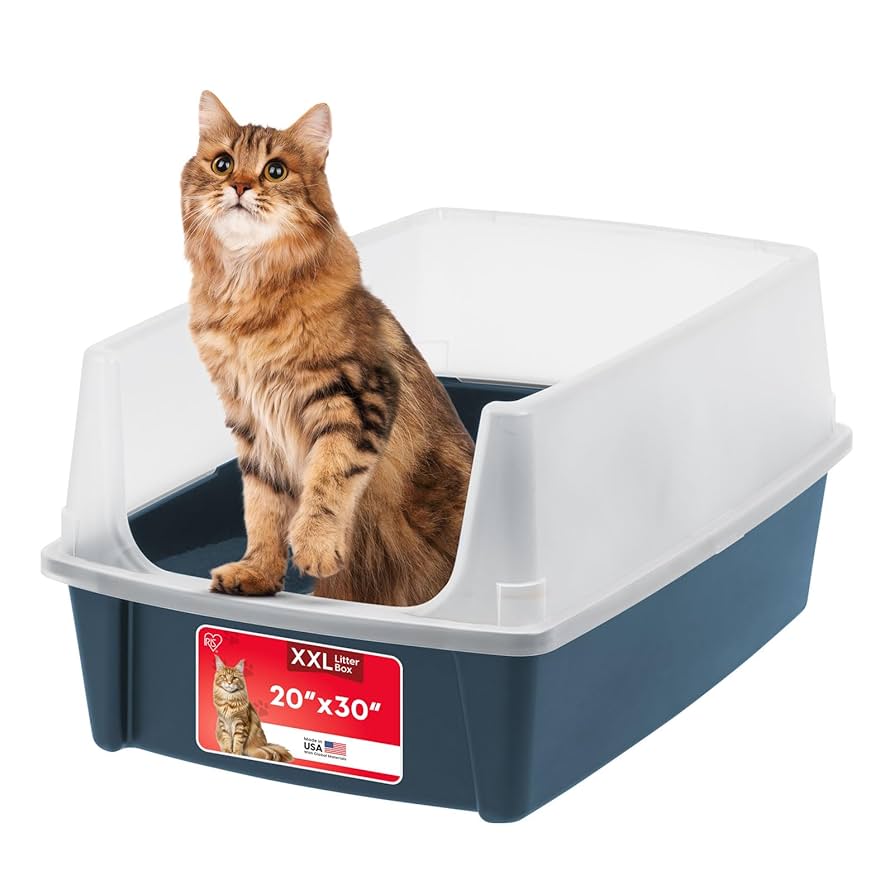
This open high-sided design is ideal for cats that dislike covered spaces and need extra room to move.
Credit: www.amazon.com
Why Extra Large Litter Boxes Deliver Better Cat Comfort and Owner Convenience
Extra large litter boxes solve common pain points that standard boxes can’t address, for both cats and their owners. Their spacious design aligns with feline natural instincts, while their practical features reduce daily household work.
Reduced Litter Scatter and Household Mess
High-sided extra large boxes (12–16 inches tall) contain nearly all litter kicked during digging, per common owner observations, reducing daily sweep time by 50% or more for most households. Open designs with wide rims also catch stray litter before it spreads to floors, eliminating the need for daily mat replacements. For cats that dig extremely deep, models with 20-inch high walls or covered designs keep even the messiest waste contained.
Lower Risk of Litter Box Avoidance and Accidents
Cats need at least 1.5 times their body length (nose to base of tail) plus their shoulder width to move comfortably in a litter box, per standard cat behavior guidelines. An undersized box forces cats to stand on waste or feel cramped, leading them to avoid the box entirely. Extra large boxes eliminate this problem, reducing inappropriate elimination incidents on carpets, furniture, and bedding significantly.
Support for Multi-Cat Households and Large Breeds
For homes with 2–3 cats, the golden rule is one litter box per cat plus one extra. An extra large box can serve as the shared “extra” box, or even replace 2 standard boxes in small spaces, reducing territorial disputes over limited bathroom access. They’re also ideal for large breeds like Maine Coons, Ragdolls, and Savannahs, which often outgrow standard litter boxes by 1–2 years of age. Undersized boxes for large cats can cause joint stress when they have to contort to fit, leading to long-term mobility issues.
How to Choose the Right Extra Large Litter Box Size for Your Cat
Sizing is the most critical factor when shopping for an extra large litter box, as a box that’s too small will still cause discomfort and mess, no matter how many extra features it has.
Sizing Guidelines for Individual Cats
To find the right size for a single cat, measure your cat from the tip of their nose to the base of their tail, then add 2 inches for the minimum box length. Measure their shoulder width, multiply by 1.5, and use that as the minimum box width. For cats up to 20 lbs, look for boxes at least 30 inches long and 20 inches wide. For senior cats with arthritis or mobility issues, prioritize a low entry height (under 4 inches) even if the box is larger, to avoid joint stress when entering and exiting.
Sizing for Multi-Cat Households
If you have 2–3 cats sharing a single extra large box, opt for a model at least 40 inches long to give each cat enough space to use it without feeling crowded. For households with more than 3 cats, pair 1–2 extra large boxes with additional standard boxes to meet the one-per-cat-plus-one rule and reduce competition. If you’re considering an automatic litter box, confirm the weight limit matches your largest cat’s weight — most extra large automatic models support cats up to 25 lbs, which covers most large breeds.
Material Comparison: Plastic vs. Stainless Steel Extra Large Litter Boxes
The material of your litter box impacts durability, ease of cleaning, and long-term odor retention. The two most common options for extra large boxes are plastic and stainless steel, each with clear trade-offs.
Plastic Litter Boxes: Pros and Cons
Plastic is the most common material for extra large litter boxes, with prices ranging from $20 to $60. It’s lightweight, easy to move, and available in a wide range of styles, including open, covered, and high-sided designs. The main downside is that porous plastic absorbs odors and stains over 6–12 months of regular use. A common mistake owners make is using abrasive scrubbers on plastic boxes, which creates micro-scratches that trap waste and bacteria, making deep cleaning less effective. For best results, use a soft sponge and mild soap to clean plastic boxes, and replace them every 2–3 years.
Stainless Steel Litter Boxes: Pros and Cons
Stainless steel is a premium, long-lasting option priced between $80 and $200. Its non-porous surface resists odor absorption, scratching, and bacterial growth, making it ideal for cats with sensitive respiratory systems or households with allergies. Stainless steel boxes are also dishwasher-safe for easy deep cleaning, and most last 5+ years with proper care. The trade-offs are a higher upfront cost, heavier weight that makes moving difficult, and a cold surface that some cats dislike in cooler homes. For owners looking for a low-maintenance, long-term investment, stainless steel is often worth the extra cost.
Key Design Features to Prioritize for Cat Comfort
Small design details make a big difference in whether your cat will consistently use their extra large litter box, and how much maintenance the box requires for you.
High Walls for Litter Containment
For extra large boxes, high sides (12–16 inches) are a non-negotiable feature to contain litter kicked during digging. If you have a cat that stands while urinating or digs extremely deep, opt for a model with 20-inch high walls or a covered design to keep mess contained. Look for boxes with a lip around the top edge to catch stray litter before it falls to the floor.
Accessible Entry Points for All Cats
Avoid boxes with tall, narrow entryways that force cats to jump, which can cause joint stress over time, especially for senior cats or large breeds. Low-entry designs with a ramp or wide cutout (under 4 inches high) are ideal for cats with arthritis, kittens, or small breeds. For covered boxes, ensure the entrance is wide enough for your cat to pass through comfortably without hitting their head.
Non-Slip and Stable Bases
A textured or rubberized base prevents the box from sliding when your cat digs, which reduces stress and makes them feel more secure while using the bathroom. Many extra large boxes also have a detachable base that makes waste removal and deep cleaning far easier.
Optimal Placement Tips for Litter Box Success
Even the best extra large litter box will go unused if placed in the wrong spot. Proper placement aligns with your cat’s natural instincts to reduce stress and encourage consistent use.
Prioritize Privacy and Low-Traffic Access
Cats instinctively seek out quiet, secluded spots to eliminate, to avoid predation. Place the extra large box in a low-traffic corner of a laundry room, spare bathroom, or quiet nook, away from high-activity areas like hallways, kitchens, or living rooms. Never place the box near your cat’s food and water bowls, as cats avoid eliminating near their eating area by instinct. If you have a multi-story home, place at least one box on each level for easy access, especially for senior cats.
Ventilation and Odor Management
Place the box near a window, exhaust fan, or air purifier to circulate air and reduce odor buildup. Avoid damp, enclosed spaces like closed closets or unventilated basements, as moisture can cause litter to clump poorly and encourage bacterial growth. For covered boxes, ensure there are two exit points so your cat doesn’t feel trapped, which can cause anxiety and box avoidance.

Covered designs with built-in filters are perfect for small spaces where odor containment is a priority.
Credit: www.amazon.com
Maintenance and Hygiene Best Practices for Extra Large Boxes
Extra large boxes require less frequent full litter changes than standard boxes, but they still need a consistent cleaning routine to stay hygienic and odor-free for your cat.
Daily and Weekly Cleaning Routines
Scoop solid waste and clumps at least once every 1–2 days — the larger volume of litter in an extra large box absorbs waste more effectively than standard boxes, so you may not need to scoop daily for single-cat households. Do a full deep clean every 2–3 weeks: empty all litter, wash the box with mild, unscented soap and warm water (avoid harsh chemicals like bleach, which can leave toxic residues for cats), rinse thoroughly, and dry completely before refilling. Set a recurring reminder on your phone to stay on track with cleaning.
Odor Control Without Harsh Chemicals
Use litter with natural odor-neutralizing ingredients like baking soda or activated charcoal, or add a thin layer of safe deodorizing products under the main litter layer to reduce smell without irritating your cat’s sensitive respiratory system. Avoid scented litters and sprays, as strong fragrances can deter cats from using the box. For extra large boxes in small spaces, an air purifier with a HEPA filter placed nearby can reduce airborne odor and dander significantly.
Cost vs. Long-Term Value: Is an Extra Large Litter Box Worth It?
While extra large litter boxes have a higher upfront cost than standard models, they deliver significant long-term savings and benefits for most households.
Upfront vs. Long-Term Costs
Basic plastic extra large boxes cost $20 to $50, while premium stainless steel or covered models with extra features cost $80 to $200. While the upfront cost is higher than standard litter boxes, extra large models last 2–3 years longer than standard plastic boxes on average, and reduce litter waste by 20–30% because less litter is kicked out and needs replacement.
Hidden Savings to Consider
Extra large boxes reduce the need for frequent litter replacement, lower the risk of litter box-related accidents (which can cost hundreds in carpet or furniture cleaning), and reduce stress for both you and your cat. Chronic stress from litter box issues can lead to urinary tract infections and other health problems, leading to unnecessary veterinary bills — a well-sized litter box is a low-cost preventive measure. For multi-cat households, a single extra large box can replace 2–3 standard boxes, saving space and money on litter over time.
Top Extra Large Litter Box Options and Owner Feedback
With dozens of extra large litter boxes on the market in 2026, narrowing down the right style for your household is easier when you match features to your cat’s needs.
Styles for Different Needs and Households
Open extra large boxes are the most popular choice for cats that dislike covered spaces, offering maximum ventilation and easy access. High-sided extra large boxes are ideal for cats that kick litter aggressively, with walls tall enough to contain even the messiest diggers. Covered extra large boxes with built-in carbon filters are perfect for small apartments or homes where odor control is a top priority. For multi-cat households, our options for multi-cat households include extra large models with multiple entry points to reduce territorial tension. If you want to cut down on daily scooping, low-maintenance automatic models offer extra large capacities that hold 2–3 weeks of waste for 1–2 cats, and work best with compatible litter for automatic boxes designed for low-clumping performance. For households where odor is a top priority, explore odor-control focused designs with built-in filters or antimicrobial surfaces.
What Owners Report About Extra Large Boxes
Common feedback from cat owners notes that extra large boxes reduce daily cleaning time by 30% or more, and eliminate accidents caused by cramped space. Owners of large breeds like Maine Coons report that their cats are more willing to use the box consistently, reducing stress for both pets and humans. For general guidance on selecting a litter box for any household, refer to our general litter box buying guidance, and browse our top overall litter box picks for tested, highly rated options.
Specialized extra large boxes like this Purina Breeze model use a urine collection system to reduce odor and litter changes.
Credit: www.purina.com
Frequently Asked Questions
What size is considered an extra large cat litter box?
Standard extra large litter boxes measure 30 to 36 inches long, 20 to 24 inches wide, and 12 to 16 inches tall, which fits most cats up to 20 lbs, including large domestic breeds. For multi-cat households or giant breeds over 20 lbs, look for models 40 inches or longer for adequate space.
Can a 20-pound cat fit in an extra large litter box?
Yes, most extra large litter boxes are designed to support cats up to 20 to 25 lbs. If you have a giant breed like a Maine Coon that exceeds 25 lbs, look for boxes specifically marketed for extra-large cats, which have wider bases and higher weight limits to accommodate their size.
Do cats actually prefer larger litter boxes?
Yes. According to standard cat behavior guidelines, cats need enough space to turn around, dig, and cover their waste without touching the sides of the box. Undersized boxes are a leading cause of litter box avoidance and inappropriate elimination, per veterinary behaviorists.
How big is too big for a litter box?
A litter box is only too big if it does not fit in your home’s designated space or is difficult for your cat to access safely. As long as your cat can easily enter and exit the box without jumping or straining, larger is almost always better for comfort and hygiene.
Do extra large litter boxes require more maintenance than standard boxes?
No. The larger volume of litter in an extra large box absorbs waste more effectively than standard boxes, meaning you may need to do full litter changes less frequently. You will still need to scoop waste every 1–2 days and do a full deep clean every 2 to 3 weeks, same as you would with a standard box.
Conclusion
Investing in an extra large cat litter box is one of the simplest, most cost-effective ways to improve your cat’s quality of life and reduce household mess. By prioritizing a size that fits your cat’s breed and mobility needs, choosing a material that matches your cleaning preferences, and placing the box in a quiet, well-ventilated spot, you can eliminate most common litter box issues for good. Stick to a regular cleaning routine, and pair your box with high-quality litter and optional odor-control products to keep the space fresh for both you and your pet. If you’re ready to shop, explore our guides to the best multi-cat litter boxes and top odor-controlling litter box options to find the perfect fit for your home.