
If you’ve ever stepped on a stray piece of used cat litter, watched your large feline struggle to turn around in their tiny box, or dealt with territorial disputes between multiple cats over limited bathroom space, you’re not alone. Standard litter boxes are designed for average 8–10 lb cats, leaving larger breeds, overweight felines, and multi-cat households out of luck. Extra large cat litter boxes are the spacious, practical solution to these common pet care headaches: they give cats the room they need to do their business comfortably, reduce mess and odor, and cut down on your daily cleanup time. In this guide, we’ll break down how to choose the right size for your cat, key features to prioritize, and maintenance tips to keep your home clean and your cat happy.
Why Standard Litter Boxes Often Fall Short
Most mass-market litter boxes measure just 18 x 14 inches, a size built for small to average cats. For large breeds like Maine Coons, Ragdolls, and Savannahs (which often weigh 15–25 lbs), overweight cats, or homes with 2+ cats, these compact boxes create unnecessary stress and mess. Cramped spaces prevent cats from fully turning around, digging, and covering their waste, leading to litter kick-out, box avoidance, and even urinary tract issues from cats holding their waste to avoid uncomfortable bathrooms. The ASPCA recommends litter boxes be at least 1.5 times the length of your cat from nose to tail base to support natural, stress-free bathroom behaviors. You can also read our guide on extra extra large cat litter box.
Core Benefits of Extra Large Cat Litter Boxes
Improved Feline Comfort and Reduced Stress
Cats need unrestricted room to perform their natural bathroom routine: turning to face the exit, digging a shallow hole, eliminating, and covering their waste. A cramped box forces cats to contort their bodies, causing stress that can lead to consistent box avoidance and accidents on carpets or furniture. Extra large options eliminate this restriction, encouraging regular, low-stress bathroom habits and reducing the risk of chronic urinary issues.
Minimized Litter Scatter and Home Mess
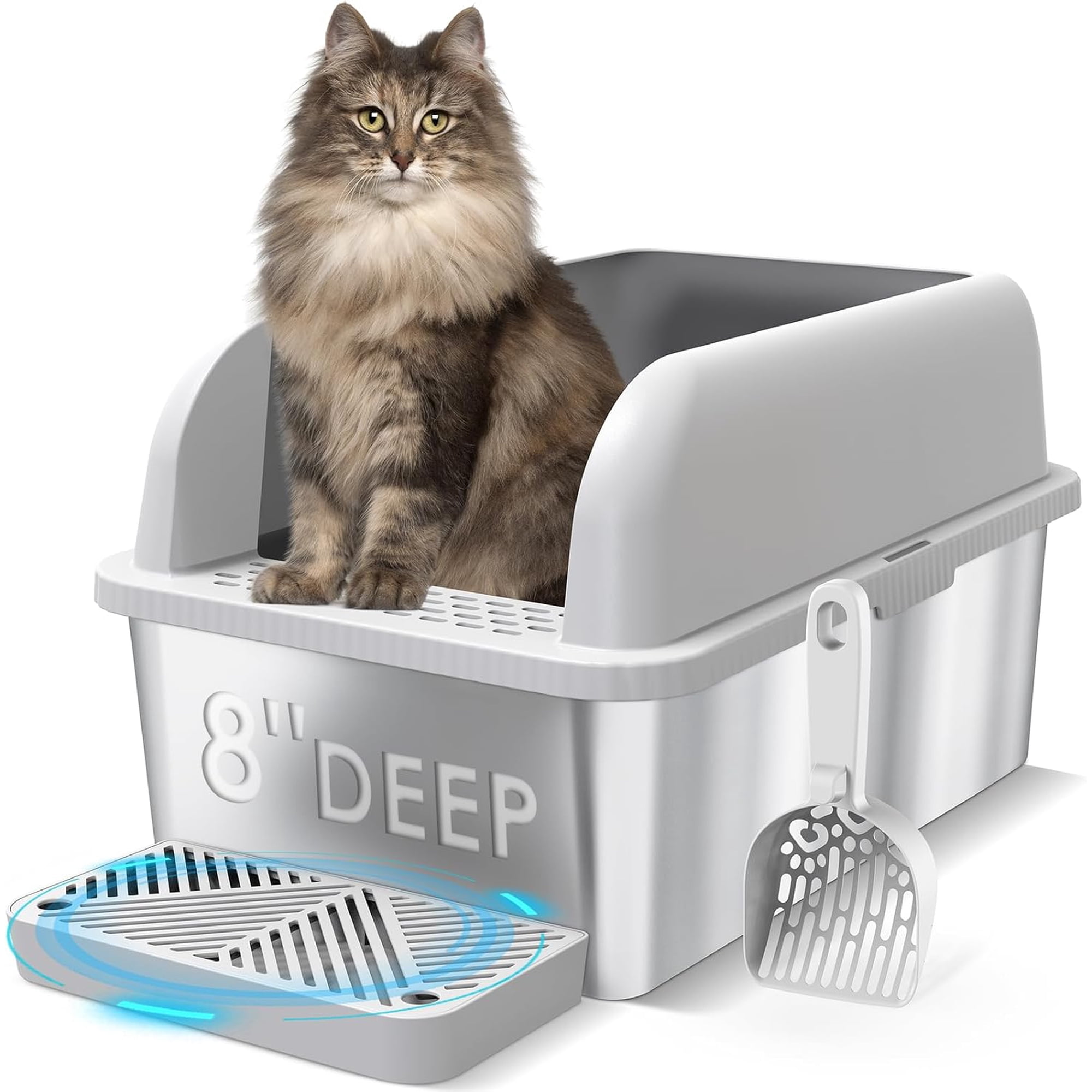
Most cats kick litter when covering their waste; in a standard box, this litter flies over the edges onto your floor. Extra large boxes have higher walls and more floor space, catching kicked litter before it spreads. This reduces daily cleanup time and eliminates the need for litter mats that require frequent washing. You can also read our guide on open top cat litter box.
Better Support for Multi-Cat Households
The golden rule for multi-cat homes is one litter box per cat, plus one extra. An extra large box can comfortably serve 2–3 cats, reducing the need for multiple smaller boxes that take up extra space. The shared room also minimizes territorial disputes over limited bathroom access, leading to a more harmonious household.
Accessibility for Senior and Mobility-Impaired Cats
Many extra large models feature low entry points (2–3 inches high) and wide openings, making them easy for arthritic, overweight, or senior cats to enter without jumping. This reduces joint stress and encourages regular use for cats with limited mobility, who may avoid high-sided standard boxes entirely. You can also read our guide on litter box for old cats.
How to Choose the Right Size for Your Cat
Choosing the correct size is the most important factor in ensuring your cat uses the box consistently. Follow these concrete guidelines to find the perfect fit:
- For single cats: Measure your cat from the tip of their nose to the base of their tail, then multiply that length by 1.5. This is the minimum interior length your box should have. For example, a 12-inch long cat needs a box at least 18 inches long.
- For large breeds (Maine Coons, Ragdolls, Savannahs): Opt for a box 30–36 inches long, as these cats often reach 20+ inches in body length and need extra room to turn without hitting the walls.
- For multi-cat homes: Add 6 inches of length per additional cat to ensure all pets have enough room to move without crowding.
- Entry height: For senior cats or cats with mobility issues, choose a box with an entry point no higher than 3 inches. For cats that kick litter aggressively, look for sides 12–16 inches high to contain mess.
Key Features to Prioritize When Shopping
Not all extra large litter boxes are created equal; prioritize these features to get the most value and functionality:
Durable, Non-Toxic Construction
Look for boxes made of thick, BPA-free polypropylene or stainless steel that resists scratching and cracking from cat claws. Thin, cheap plastic will warp over time from litter weight and regular cleaning, leading to leaks and cracks that require full replacement.
Mess-Containing Sides and Guards
High sides (12+ inches) and optional removable splash guards prevent litter kick-out, especially for cats that dig aggressively. Some models also feature a lower entry cutout on one side for easy access, with higher sides on the other three sides to contain mess without creating a barrier for mobility-impaired cats. You can also read our guide on self cleaning litter boxes for cats.
Easy-Clean Design
Smooth, non-porous surfaces and rounded corners prevent litter and waste from sticking, making wiping down the box quick. Look for models compatible with disposable liners for even faster cleanup, and avoid boxes with tight crevices where waste can build up and harbor bacteria.
Odor-Control Integration
Many extra large boxes include built-in carbon filters, vented lids, or antimicrobial coatings to reduce odor buildup. For homes with sensitive noses, pair the box with supplemental deodorizing solutions to keep your space smelling fresh between deep cleans.

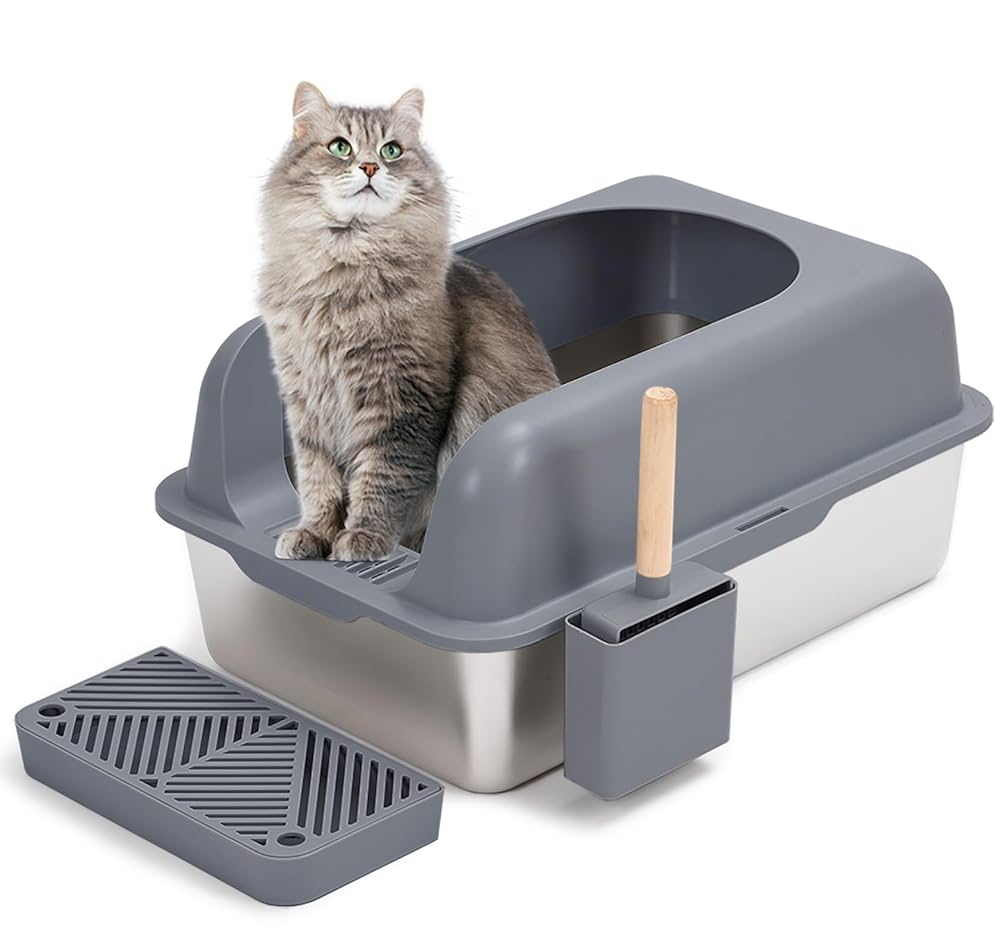
This jumbo open-top model features a sifting tray for easy waste removal, ideal for multi-cat homes.
Image source: catit.ca
Open vs. Covered Extra Large Litter Boxes: Which Is Right for You?
One of the biggest decisions when shopping is whether to choose an open or covered design. Each has clear pros and cons depending on your cat’s preferences and your household needs:
- Open-top boxes: Pros include better ventilation, easier scooping and cleaning, and no feeling of confinement for cats that dislike enclosed spaces. They are ideal for kittens, senior cats, and multi-cat homes. The main downside is increased litter scatter and less odor containment.
- Covered boxes: These contain litter kick-out and trap odors inside the box, making them a good pick for small spaces or owners sensitive to smells. They also give cats a private, den-like space to do their business. The downsides include trapped odor inside the box that can deter cats from using it, harder cleaning access, and the need for more frequent scooping to prevent smell buildup.
Enclosed covered designs like this one include carbon filters to trap odors and prevent litter scatter.
Image source: www.walmart.ca
Top Use Cases for Extra Large Litter Boxes
While extra large boxes work for any cat, they are especially beneficial for these common scenarios:
- Large breed cats: Maine Coons, Norwegian Forest Cats, and Savannahs often weigh 15–25 lbs and need 30+ inches of space to move comfortably.
- Overweight cats: Extra room reduces pressure on joints and makes it easier for heavier cats to turn and cover waste without straining.
- Multi-cat households: A single 30-inch box can replace two standard boxes, saving space and reducing competition between cats.
- Senior cats with arthritis: Low entry points and spacious interiors make it easy for cats with joint pain to access the box without jumping.
- Kitten litter training: Extra room gives kittens space to explore and learn proper bathroom habits without feeling confined.
Placement Tips to Encourage Consistent Use
Even the best litter box will go unused if placed in the wrong spot. Follow these guidelines to set your cat up for success:
- Place the box in a quiet, low-traffic area away from loud appliances, food and water bowls, and high-traffic hallways. Cats prefer privacy when using the bathroom, and will avoid boxes placed in exposed or busy areas.
- For multi-cat homes, place extra large boxes in separate locations around your home to reduce territorial competition, even if you have enough space for just one box.
- Avoid placing the box near heating vents or in direct sunlight, as heat amplifies litter odors and can make the space uncomfortable for your cat.
- Ensure there are two clear entry and exit points to the box area, so cats don’t feel trapped while using it.
Maintenance and Cost Considerations
Routine Maintenance
To keep the box clean and odor-free: scoop solid waste and clumps daily, stir clumping litter daily to distribute absorbent material, and do a full litter change every 2–3 weeks. Deep clean the box monthly with mild, unscented soap and warm water to avoid leaving behind harsh chemical residues that deter cats from using it. For self-cleaning models, empty the waste drawer every 2–3 days and follow the manufacturer’s cleaning guidelines to keep the mechanism functioning properly. If you use an automated model, opt for compatible litter formulas designed for low-clumping, dust-free performance to avoid jamming the mechanism.
Cost Breakdown
- Budget-friendly options ($20–$50): Basic open-top polypropylene boxes, or DIY options made from BPA-free storage bins. These are ideal for owners on a tight budget who don’t need extra features.
- Mid-range options ($50–$150): Covered boxes with odor filters, splash guards, and reinforced construction. These offer a balance of functionality and value for most households.
- Premium options ($150+): Self-cleaning, stainless steel, or automated models. These are ideal for busy owners or cats with specific mobility needs, and often last 5+ years with proper care.

High-sided extra large boxes prevent litter kick-out for cats that dig aggressively.
Image source: www.amazon.ca
Frequently Asked Questions
What is the largest standard litter box size?
Standard extra large litter boxes measure 24 x 18 x 10 inches, but jumbo/oversized models are available up to 36 x 24 x 12 inches for giant breed cats or households with 3+ cats.
What size litter box do I need for a large cat?
As a general rule, choose a box at least 1.5 times the length of your cat from nose to tail base. For Maine Coons and other large breeds, opt for a 30–36 inch long box with a low 2–3 inch entry point for easy access.
What is the golden rule for litter boxes?
The golden rule is to provide one litter box per cat in your home, plus one extra. This reduces territorial competition and ensures all cats have access to a clean box at all times.
Can I make my own extra large litter box?
Yes, many owners use 50–100 gallon BPA-free storage bins as DIY extra large litter boxes. Cut a 2–3 inch tall entry in one side, sand the edges smooth to avoid injury, and add a lid with a cutout for a top-entry option if desired.
Are extra large litter boxes good for multiple cats?
Yes, a 30+ inch extra large box can comfortably serve 2–3 cats, as long as it is scooped daily and placed in a low-traffic, accessible location. For homes with more than 3 cats, follow the 1 box per cat plus 1 rule.
Conclusion
Extra large cat litter boxes are a simple, high-impact upgrade for any household with big cats, multiple pets, or senior felines. They eliminate the frustration of constant litter scatter, reduce box avoidance and territorial disputes, and make cleanup far easier for busy owners. When choosing a box, prioritize size first to ensure it fits your cat’s body length, then look for features like high sides, easy-clean surfaces, and low entry points that match your pet’s specific needs. For owners looking for low-maintenance options, low-maintenance self-cleaning models automate waste removal to cut down on daily chores, while options tailored for multi-cat households offer the extra space and durability needed to handle heavy use. If you’re unsure which model is right for your cat, browse our guide to our top-rated litter box picks for personalized recommendations based on breed, age, and household setup. A little extra space goes a long way in keeping your cat comfortable and your home clean.