
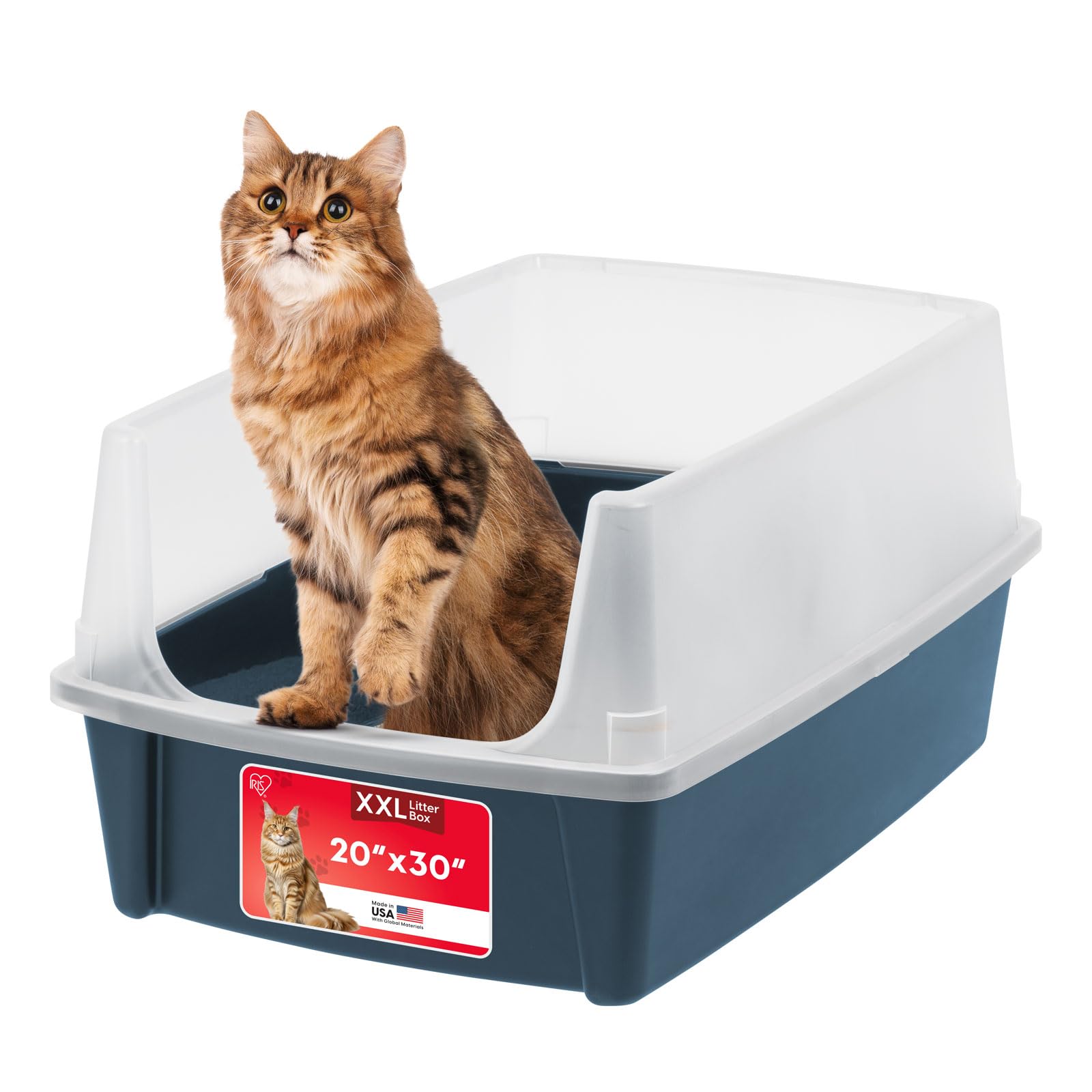
If you share your home with a large breed cat—think a 20-pound Maine Coon, a fluffy Norwegian Forest Cat, or a broad-chested Ragdoll—you’ve likely watched them cram their full body into a standard 18x12-inch litter box, only to kick litter over the edge or avoid the space entirely due to discomfort. Standard litter boxes are designed for the average 8-10 pound domestic cat, leaving larger felines with insufficient room to dig, turn, and bury waste without feeling confined. An extra large litter box for big cats isn’t a luxury upgrade: it’s a necessity for supporting your pet’s physical comfort, reducing household mess, and preventing long-term stress-related behavioral issues. In this guide, we’ll break down exactly what to look for in a spacious litter box, how to pick the right size for your cat’s breed and age, and which features deliver the most value for big cat owners in 2026.
Why Standard Litter Boxes Fail Big Cats
Per guidelines from the Cornell University College of Veterinary Medicine, cats require enough space to turn a full circle and dig without touching the box walls to feel comfortable using it. Standard litter boxes fall far short of this requirement for large breeds, which often measure 3+ feet long from nose to tail base and weigh 15-25 pounds or more. You can also read our guide on how to feed wet cat food.
Common issues with undersized boxes for big cats include:
- Litter scatter from vigorous digging, as high sides that work for small cats are too low for larger pets to kick against
- Inappropriate urination or defecation outside the box, caused by stress from feeling trapped in a confined space
- Urinary tract issues from holding waste for long periods to avoid using an uncomfortable box
- Increased odor concentration, as waste is confined to a small, poorly ventilated space
Senior big cats with arthritis face even more challenges with standard boxes, as high entry points force them to put painful pressure on their joints to enter and exit.
Core Benefits of Extra Large Litter Boxes for Large Breeds
Upgrading to a properly sized extra large litter box solves most of the issues caused by undersized standard boxes, with benefits that extend to both you and your cat:
-
Reduced Litter Scatter and Household Mess
Big cats kick litter instinctively when burying waste. A standard box's high sides are often too low for a large cat's vigorous digging, leading to litter spread across floors. Extra large boxes with 12+ inch high walls contain the vast majority of kicked litter, and wide, weighted bases prevent tipping when your cat leans against the side while digging. You can also read our guide on can you train cats like dogs.
-
Lower Stress and Reduced Behavioral Issues
Cramped, dirty litter boxes are a top cause of feline stress, per veterinary behaviorists, which can lead to inappropriate urination, aggression, or complete avoidance of the box. A spacious box gives big cats a sense of security, as they don’t feel trapped while in a vulnerable position. A common mistake owners make is punishing cats for accidents when the root cause is an undersized box.
-
Improved Hygiene and Odor Control
Larger volume means waste is spread out, reducing concentrated ammonia smells. Wider surfaces make scooping easier, so waste is removed more frequently, cutting down on bacteria growth. High-quality extra large boxes also use non-porous materials that resist odor absorption, unlike cheap plastic that holds smells over time. For persistent household odors, pairing your extra large box with targeted odor control solutions eliminates concentrated smells without harsh chemicals. You can also read our guide on automatic self cleaning cat litter box.
-
Better Accommodation for Multi-Cat Households
If you have 2+ large cats, a single extra large box eliminates the need for multiple standard boxes (the Cornell guidelines recommend one box per cat plus one extra, but a spacious jumbo box can work for 2-3 cats if it has separate waste zones or is large enough to avoid territorial conflicts). Cats prefer not to share a small box, leading to one cat avoiding it entirely. If you share your home with three or more large cats, dedicated multi-cat options may offer even more space and separate waste zones.
-
Support for Senior and Mobility-Impaired Cats
Low-entry extra large boxes reduce joint strain for older big cats with arthritis, who struggle to climb over high sides of standard boxes. The extra space also lets them move without putting pressure on sore joints. Long-haired large breeds like Persians and Maine Coons also benefit from routine coat maintenance to reduce litter stuck in their fur, which can also discourage box use. You can also read our guide on cat grooming santa rosa ca.
How to Choose the Perfect Size for Your Big Cat
Sizing is the most critical factor when selecting an extra large litter box for big cats, as a box that is too small will cause the same issues as a standard box, no matter how many premium features it has. Follow these guidelines to pick the right size for your pet:
-
Use the 1.5x Length Rule
Veterinary behaviorists recommend selecting a litter box that is at least 1.5 times your cat’s body length (measured from the tip of the nose to the base of the tail) and as wide as your cat is tall when standing. For context: a 20-pound Maine Coon with an 18-inch body length needs a box at least 27 inches long and 18 inches wide to turn comfortably. A smaller 15-pound Ragdoll can fit in a 24x16 inch box, but most large breeds benefit from 30+ inch lengths.
-
Factor in Your Cat’s Mobility
Senior cats or those with arthritis need extra width to move without turning sharply, and a low entry point (under 4 inches) to avoid joint strain. A common mistake is buying a "jumbo" box with high sides and no low entry, which is unusable for older cats. You can also read our guide on maine coon cat litter box.
-
Account for Multiple Cats
If you have 2+ large cats, add 12 inches of length per additional cat. For three 18-pound cats, a 40x20 inch box gives enough space to avoid territorial conflicts, per the Cornell guidelines.
-
Test Before Committing
If possible, bring a cardboard box home the same size as the model you’re considering to see if your cat can turn around comfortably inside it. Many owners find their cat avoids a new box not because of the brand, but because it’s still too small.
Material Breakdown: Durability, Hygiene, and Longevity
The material of your extra large litter box determines how long it will last, how easy it is to clean, and how well it resists odor and damage from scratching. Here’s how the most common materials compare for big cat households:
-
High-Density Polypropylene Plastic
The most common option for extra large boxes, lightweight and affordable. Look for non-porous, BPA-free plastic with a textured non-stick coating to prevent litter and waste from sticking.
Pros: Easy to lift for cleaning, budget-friendly, available in a wide range of sizes.
Cons: Cheaper models can scratch easily, creating rough spots that harbor bacteria and odor.
Best for: Single-cat households on a budget. -
Stainless Steel
The gold standard for hygiene and durability. Scratch-resistant, non-porous, and can be sanitized with mild soap and water or even pet-safe disinfectants.
Pros: Lasts 10+ years with proper care, resists odor absorption, heavy base prevents tipping.
Cons: Expensive, cold to the touch in unheated homes, may scare skittish cats with loud clinking sounds.
Best for: Multi-cat households, owners prioritizing long-term value.
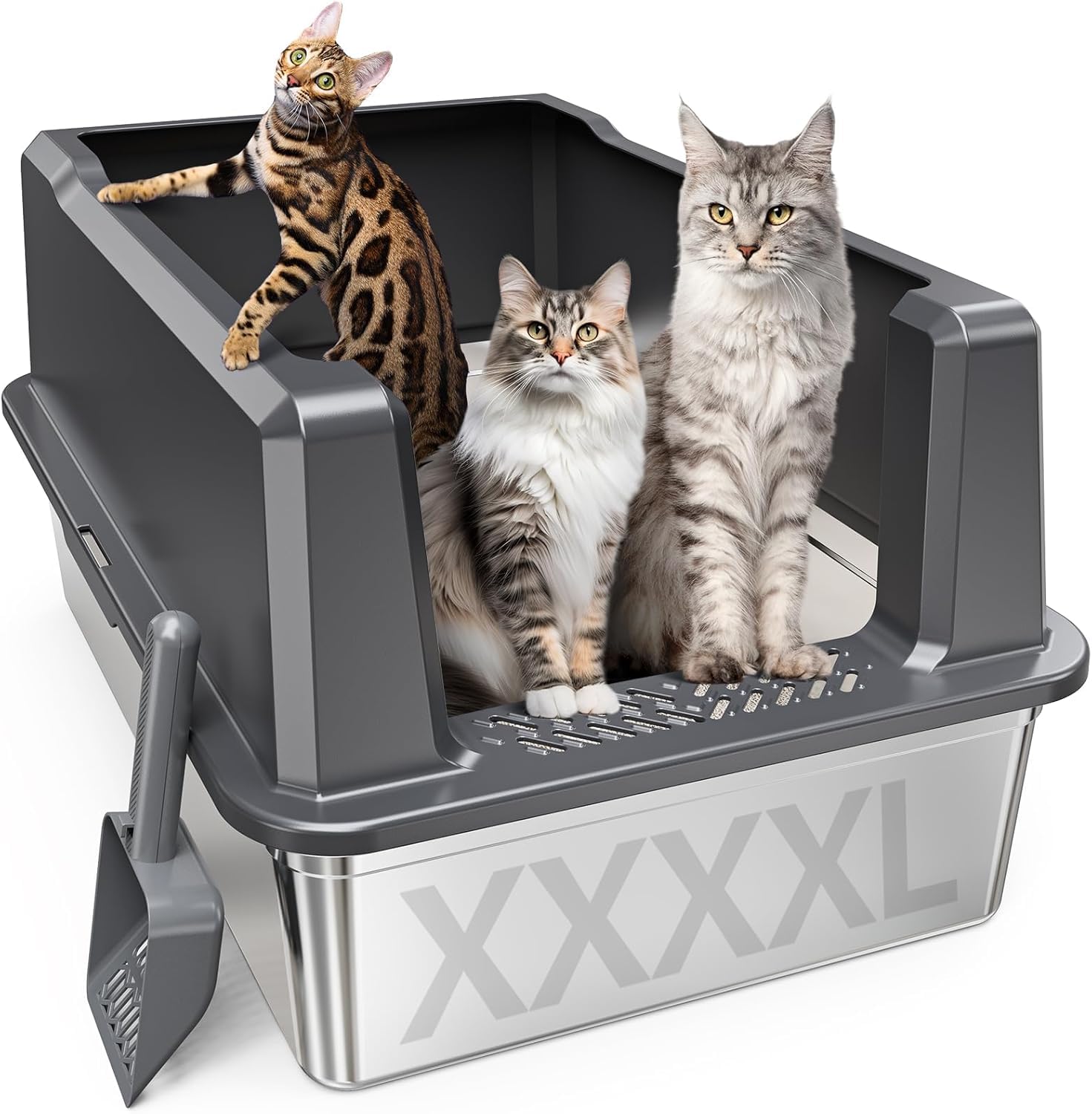
Stainless steel construction resists scratches and odors for multi-cat households.
Credit: www.amazon.com -
Reinforced Wood/Composite
Eco-friendly option with a natural aesthetic, often coated in water-resistant sealant to prevent warping from moisture.
Pros: Stylish, sturdy, heavy enough to stay in place.
Cons: Sealant can wear down over time, leading to water damage and odor absorption, higher price point than plastic.
Best for: Owners who want a litter box that blends with home decor. -
Ceramic
Heavy, stable, and non-porous, similar to stainless steel in odor resistance.
Pros: Very difficult to tip over, easy to clean, available in decorative designs.
Cons: Extremely heavy (hard to move for cleaning), fragile if dropped, often more expensive than plastic.
Best for: Owners who prioritize stability over portability.
For big cats that scratch aggressively, avoid thin, flexible plastic boxes, which can crack under pressure from a 25-pound cat leaning against the side. Look for boxes with reinforced corners and a thickness of at least 1/8 inch to withstand daily use.
Must-Have Design Features for Comfort and Usability
Beyond size and material, specific design features make an extra large litter box more comfortable for your cat and easier for you to maintain:
-
Spacious, Open Interior
Avoid boxes with built-in ledges or dividers that reduce usable floor space. The interior should be flat and unobstructed to let your cat turn a full circle without hitting walls. For senior cats, avoid boxes with high interior steps that require climbing.

This open-top design offers easy access for senior cats with limited mobility.
Credit: www.amazon.com -
Rounded, Smooth Edges
Rough or sharp plastic edges can scratch your cat’s paws and skin, especially for long-haired breeds that have litter stuck in their fur. Rounded edges also make scooping easier, as litter doesn’t get stuck in corners.
-
Low, Wide Entry Point
Entry points under 4 inches high are ideal for senior cats and large breeds with shorter legs (like Persians). Avoid boxes with small, high doorways that require your cat to step up or duck to enter.
-
Non-Slip, Weighted Base
Big cats are powerful diggers, and a lightweight box will slide across the floor when they kick litter. Look for boxes with rubberized feet or a weighted base to stay in place. If your box slides, add a non-slip mat underneath for extra stability.
-
Ventilation and Odor Control
Open-top boxes provide the best airflow, but if you prefer a covered box for aesthetics, look for models with removable vent panels on the top or sides to prevent stale air buildup. Avoid fully enclosed boxes without ventilation, as they trap ammonia smells and can deter cats from using them.

Hooded designs provide privacy for cats that prefer secluded bathroom spaces.
Credit: www.amazon.com
Placement Strategies to Encourage Consistent Use
Even the perfect extra large litter box will go unused if placed in the wrong spot. Follow these placement rules to encourage consistent use:
- Prioritize quiet, low-traffic areas away from loud appliances (washing machines, furnaces) and high-traffic hallways. A quiet corner of a basement, laundry room, or spare bathroom is ideal.
- Keep the box at least 10 feet away from food and water bowls, as cats instinctively avoid eliminating near their eating area.
- Ensure there are multiple escape routes if you have a multi-pet household, so your cat isn’t trapped by another animal while using the box.
- Avoid tucking the box into tiny closets or under steep staircases where your cat has to squeeze to enter. Ensure there’s at least 2 feet of open space around the box on all sides.
- Place the box on a hard, water-resistant floor (tile, linoleum, sealed concrete) to make scooping and deep cleaning faster. Avoid carpeted areas, as accidents will stain the flooring.
- Once you find a suitable spot, keep it consistent: frequent changes to the box location can confuse your cat and lead to accidents.
Care and Maintenance to Extend Your Box's Lifespan
Proper maintenance keeps your extra large litter box fresh, functional, and inviting for your cat for years:
-
Daily Scooping
Remove solid waste and clumps at least once per day to prevent odor buildup and bacteria growth. For multi-cat households, scoop twice daily. Use a large, sturdy scoop that fits the width of your box to avoid missing waste in corners.
-
Weekly Deep Cleaning
Empty all litter, wash the box with warm soap and water (avoid harsh chemicals like bleach, which can leave toxic residues for cats), and dry thoroughly before refilling. For stainless steel or non-stick plastic boxes, you can use a vinegar-water solution to remove stubborn stains without damaging the material.
-
Litter Replacement
Replace all litter every 2-3 weeks, or more frequently if you notice strong odors or clumping issues. Use a litter mat outside the box to catch stray litter on your cat’s paws, reducing the amount of litter that needs to be replaced.
-
Maintenance for Self-Cleaning Models
For owners short on daily cleaning time, low-maintenance self-cleaning models automate waste removal with motion sensors that rake clumps after your cat exits. Note that self-cleaning units require compatible litter formulations to function properly, so check manufacturer specs before purchasing. Empty the waste drawer weekly and clean the sensor and rake mechanism monthly to prevent malfunctions.
-
Avoid Common Maintenance Mistakes
Don’t use scented cleaning products, as strong fragrances can deter cats from using the box. Don’t place the box near the litter storage area, as fresh litter scent can be overwhelming for cats.
Top-Rated Extra Large Litter Boxes for Big Cats in 2026
With dozens of options on the market, it can be overwhelming to pick the right extra large litter box for your big cat. Below are the top-rated models for 2026, selected for durability, size, and cat-friendly features:
| Model | Dimensions | Best For | Key Features | Starting Price |
|---|---|---|---|---|
| Petmate Giant Litter Pan | 34.5” L x 21” W x 10” H | Single large cats, budget owners | 10-inch high sides, non-stick interior, built-in scoop holder, BPA-free plastic | $18 |
| Nature's Miracle High-Sided Jumbo | 32” L x 20” W x 12” H | Owners sensitive to odors | Antimicrobial coating, 12-inch high sides, curved interior for easy scooping | $22 |
| Catit Jumbo Hooded Litter Pan | 34” L x 21” W x 24” H | Skittish cats needing privacy | Removable hood with vents, 3-inch low entry, included carbon filter | $35 |
| PetFusion BetterBox Non-Stick | 30” L x 22” W x 11” H | Low-maintenance owners | FDA-approved non-stick coating, rounded corners, non-slip feet, dishwasher-safe | $45 |
| IRIS USA Jumbo with Shield | 38” L x 24” W x 12” H | 2-3 large cats | Extra-wide interior, removable privacy shield, included scoop, scratch-resistant plastic | $40 |
If you have more than three large cats, dedicated multi-cat litter systems may offer even more space and separate waste zones to reduce territorial conflict.
Frequently Asked Questions
What is the largest standard litter box size available?
Most off-the-rack extra large litter boxes max out at 38 inches long, 24 inches wide, and 12 inches high. For cats over 25 pounds or households with 3+ large cats, custom-built wooden or plastic boxes (often sold through specialty pet retailers) can be made to order in sizes up to 48 inches long.
What size litter box does a Maine Coon need?
Adult Maine Coons average 18-22 inches in body length and 15-25 pounds, so they need a box at least 27 inches long, 18 inches wide, and 10 inches high. Look for a low entry point if your Maine Coon is a senior, as the breed is prone to hip dysplasia and arthritis.
How often should I clean my extra large litter box?
Scoop solid waste daily, and replace all litter every 2-3 weeks. Deep clean the box with soap and water every 4-6 weeks to remove built-up bacteria and odor. For multi-cat households, increase scooping frequency to twice daily and litter replacement to every 1-2 weeks.
Can I use a regular litter box liner in an extra large box?
Yes, but make sure to purchase liners sized specifically for jumbo or extra large boxes. Standard liners will be too small and can tear easily when a large cat digs, leading to litter spills and mess.
My big cat still avoids the new extra large box—what should I do?
First, rule out medical issues with a vet visit, as urinary tract infections or arthritis can cause litter box avoidance. If your cat is healthy, try placing the new box next to their old one for a week to let them adjust, then remove the old box. You can also try gentle retraining protocols to encourage use, such as placing treats near the box or using a feline pheromone diffuser nearby.
Are covered litter boxes good for big cats?
Covered boxes can provide privacy for skittish cats, but they trap odors and can feel cramped for large cats. If you choose a covered box, ensure it has ventilation slots and is large enough for your cat to turn around fully inside without touching the walls.
Final Thoughts
Investing in an extra large litter box for your big cat is one of the simplest, most impactful changes you can make to their quality of life and your household cleanliness. A properly sized box eliminates the stress of cramped spaces, reduces mess and odor, and supports your cat’s long-term physical health, especially for senior and mobility-impaired large breeds. When shopping, prioritize size first, then look for durable materials and design features that match your cat’s specific needs—whether that’s a low entry for an older Maine Coon or a hooded design for a skittish Ragdoll. Pair your new box with a high-quality clumping litter and regular cleaning routine to keep it fresh and inviting for years to come. Ready to upgrade your cat’s bathroom experience? Browse our full roundup of the best litter boxes for cats of all sizes to find the perfect fit for your feline friend.