
Have you ever found yourself staring at your cat's food bowl, wondering why your furry friend has suddenly become a picky eater? You’re not alone.
Many cat owners face the challenge of keeping their pets interested in their meals. But what if there was a simple, nutritious solution to this mealtime dilemma? Enter nutritional yeast powder—a surprising addition that might just make your cat’s meal irresistible.
Imagine transforming feeding time from a chore into an eagerly awaited event. Could this golden sprinkle be the key to unlocking your cat's appetite? Stick around as we delve into how nutritional yeast powder can potentially revolutionize your cat’s eating habits and ensure they're getting the nutrition they need.
Nutritional Yeast Powder Basics
Nutritional yeast powder is a popular supplement for pets. It is known for its rich flavor and health benefits. Many pet owners use it to entice their cats to eat. Understanding its basics can help you incorporate it effectively into your cat's diet.
What It Is
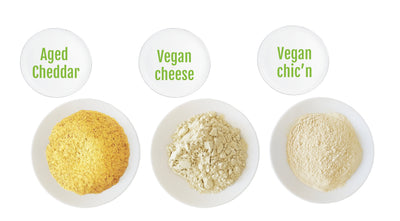
Nutritional yeast powder is made from deactivated yeast cells. It is a rich source of vitamins, especially B-complex vitamins. It also contains protein and minerals. The powder has a cheesy, nutty flavor that many cats find appealing.
Common Uses In Pet Food
Nutritional yeast powder is often added to pet food. It enhances flavor and boosts nutritional content. Some pet owners sprinkle it on dry kibble. Others mix it with wet food for added taste. It can also be used as a treat or supplement.

Credit: www.lundsandbyerlys.com
Benefits For Cats
Nutritional yeast powder is gaining popularity not just among health-conscious humans but also for its potential benefits for your feline friends. If you're seeking a way to enhance your cat's diet while making mealtime more appealing, nutritional yeast might be the answer. But what exactly makes it beneficial for cats?
Nutritional Value
Nutritional yeast is packed with essential vitamins, particularly B-complex vitamins that support your cat's overall health. These vitamins play a crucial role in boosting energy levels and maintaining a healthy coat. Moreover, it contains amino acids that are vital for muscle development and repair. Are you looking to improve your cat's immune system? Nutritional yeast also offers antioxidants that help shield your cat from common ailments.
Taste Appeal
Does your cat turn its nose up at its food? Nutritional yeast powder could change that. Its savory, cheesy flavor often makes it irresistible to cats, turning mealtime into a treat rather than a chore. You might find your cat eagerly waiting by its bowl once you sprinkle a bit of this magic powder. Have you ever tried adding something new to your cat's food just to watch them walk away uninterested? With nutritional yeast, you might finally see your cat licking its bowl clean.
Potential Risks
Introducing nutritional yeast powder into your cat's diet can be tempting, especially when trying to entice a picky eater. However, it's important to consider the potential risks associated with this addition. Understanding these risks can help ensure your cat's health and safety.
Allergic Reactions
Cats, like humans, can have allergies. Nutritional yeast powder, although generally safe, may trigger allergic reactions in some cats. Symptoms can include itching, digestive upset, or even respiratory issues.
If your cat shows any unusual symptoms after trying nutritional yeast, it's crucial to stop usage immediately. Consult your vet to rule out any serious allergies. Always introduce new foods slowly and in small amounts to monitor reactions.
Overconsumption Concerns
While nutritional yeast is packed with nutrients, too much of a good thing can be harmful. Overconsumption can lead to an imbalance in your cat's diet. This imbalance may cause digestive issues or nutritional deficiencies over time.
Moderation is key. Stick to recommended serving sizes and avoid using it as a meal replacement. Ask yourself, is your cat getting the balanced diet they need?
Remember, your cat's health is a priority. Regular vet check-ups can help ensure their diet supports their well-being. What might seem like a tasty treat could have unintended consequences if not properly monitored.

Credit: www.amazon.com
Feeding Guidelines
Nutritional yeast powder is gaining popularity among cat owners looking to enhance their feline’s diet. This golden-yellow powder, often touted for its rich, cheesy flavor, can entice picky eaters to finish their meals. However, like any dietary addition, it’s important to follow feeding guidelines to ensure your cat’s health and happiness.
Proper Dosage
Determining the right amount of nutritional yeast for your cat is crucial. Start small to assess your cat’s tolerance. A mere sprinkle, akin to a pinch of salt, can be enough for most cats.
Too much yeast can lead to digestive upset. Aim for about 1/8 of a teaspoon per meal, gradually increasing if your cat responds well. Keep an eye on your cat’s overall health and consult your vet if unsure.
How To Introduce
Introducing new food elements can be tricky. Begin by mixing the nutritional yeast powder with foods your cat already loves. This can help mask any unfamiliar taste while allowing your pet to acclimate.
Try adding it to wet food, as its texture blends well. You might even sprinkle it over dry kibble to enhance the aroma. Watch your cat's reaction—does it show more enthusiasm at mealtime?
Consider sharing your own experiences with friends or fellow pet owners. Have you noticed your cat eating more eagerly? Does your feline seem happier or more energetic? These observations can guide you in adjusting your approach.
Remember, each cat is unique. What works for one may not work for another. Listening to your cat’s needs can make all the difference in their dietary journey.
Alternatives To Nutritional Yeast
If you're searching for alternatives to nutritional yeast to entice your picky feline, you're not alone. Many cat owners find themselves in a similar situation, eager to find the perfect ingredient that will make their pet's mealtime more enjoyable. Fortunately, there are several options that can enhance the flavor of your cat's food and make it more appealing.
Other Flavor Enhancers
Adding a bit of tuna juice or chicken broth to your cat’s meal can work wonders. These flavors are not only irresistible to cats but also help in moistening dry food, making it easier to chew and digest. Just ensure these additions are low in sodium to keep your cat healthy.
Another option is to sprinkle a small amount of grated cheese on top of your cat's food. Cheese is often a favorite among cats, although it should be given in moderation to avoid digestive issues. Experiment with different types of cheese to see which one your cat prefers.
Natural Supplements
Consider incorporating fish oil into your cat’s diet. Fish oil is not only a natural flavor enhancer but also provides omega-3 fatty acids, which are beneficial for your cat's coat and overall health. A few drops added to their food can significantly increase its appeal.
Catnip, although more known for its playful effects, can also be used as a food topper. A small sprinkle can transform a bland meal into a delightful feast for your cat. Always monitor the quantity to ensure it doesn’t overstimulate your pet.
Have you ever tried using any of these alternatives? If not, why not start experimenting today and observe your cat’s reactions? You might just discover the secret to making every meal an exciting event for your feline friend.
Veterinarian Insights
When it comes to understanding whether nutritional yeast powder can entice your feline friend to eat, consulting a veterinarian can offer valuable insights. Veterinarians have a wealth of experience in animal nutrition and behavior, making them an excellent resource for understanding what might make your cat’s meals more appealing. If you’ve ever struggled to get your cat to eat, you know how important it is to find a solution that works.
Expert Opinions
Veterinarians often recommend nutritional yeast powder because it can be a natural flavor enhancer for cats. It's packed with B-vitamins, which not only boost your cat’s health but also add an appealing taste to their food. Some cats are notoriously picky eaters, and this powder could be a simple addition that makes a big difference.
Dr. Emily Johnson, a seasoned veterinarian, suggests trying nutritional yeast powder as a first step if your cat is showing signs of disinterest in their meals. She has noticed that many cats react positively to the taste, and it can encourage them to eat more consistently.
When To Consult A Vet
If your cat consistently refuses to eat or shows drastic changes in eating habits, it's crucial to consult a vet. While nutritional yeast powder might help, there could be underlying health issues that need addressing. Loss of appetite can be a symptom of various health conditions, and a professional evaluation is essential.
Consider making an appointment if you notice weight loss or lethargy accompanying your cat’s disinterest in food. Your vet can perform necessary tests and suggest other dietary adjustments if needed. Remember, nutritional yeast is a supplement, not a cure-all, and professional guidance ensures your cat’s health is prioritized.
Have you tried nutritional yeast powder for your cat before? What was your experience? These insights can help other cat owners facing similar challenges. Sharing your story might inspire them to try new solutions.
Real-life Experiences
Real-life experiences can guide cat owners seeking dietary solutions. Nutritional yeast powder has gained attention for its potential benefits. Many cat owners have shared their stories, eager to help others.
Cat Owner Testimonials
Many cat owners have witnessed positive changes with nutritional yeast powder. Jane from Seattle shared her journey. Her cat, Max, was a picky eater. Jane sprinkled a teaspoon of nutritional yeast on Max's food. He started eating with enthusiasm. Jane felt relieved and happy.
Another cat owner, Mike, had a similar experience. His cat, Bella, often ignored her meals. After adding nutritional yeast, Bella's appetite improved. Mike noticed Bella had more energy and seemed happier.
Success Stories
Success stories abound in the cat community. Lisa's story is particularly inspiring. Her cat, Tiger, was losing weight. Concerned, Lisa tried nutritional yeast powder. Within weeks, Tiger's appetite increased. He regained weight and vitality.
Tom shared a touching story about his elderly cat, Whiskers. Whiskers had lost interest in food. Tom introduced nutritional yeast powder. Whiskers began eating regularly. Tom noticed a positive change in Whiskers' demeanor.
These stories reflect the experiences of many cat owners. Nutritional yeast powder has been a beneficial addition to their cats' diets.
Credit: petfoodshop.com
Frequently Asked Questions
What Are The Side Effects Of Nutritional Yeast In Cats?
Nutritional yeast may cause digestive upset in cats, including diarrhea or gas. Some cats might develop allergies. Always introduce it gradually and consult a vet before adding it to your cat's diet. Ensure it is free from added garlic or onion, which are toxic to cats.
Can Cats Eat Nutritional Yeast Powder?
Cats can eat nutritional yeast powder in moderation. It provides B vitamins and enhances flavor. Ensure it's unsweetened and unflavored. Consult a vet before adding it to their diet. Too much yeast can cause digestive issues. Always monitor your cat’s reaction when introducing new foods.
Are There Negative Side Effects Of Nutritional Yeast?
Nutritional yeast may cause digestive discomfort for some people. It can trigger headaches in those sensitive to tyramine. Excessive consumption might lead to bloating or gas. Allergic reactions are rare but possible. It's generally safe in moderate amounts, offering a rich source of vitamins and minerals.
What Happens When A Cat Eats Yeast?
Cats consuming yeast may experience digestive upset, bloating, and discomfort. Yeast can ferment in their stomach, leading to gas production. In severe cases, it might cause alcohol poisoning. Always consult a veterinarian for guidance.
Conclusion
Nutritional yeast powder can entice your cat to eat. Its savory taste often appeals to picky cats. Sprinkle a small amount on their food. Watch them enjoy their meal more. This method offers a simple way to boost your cat's appetite.
Remember to consult your vet. They can offer guidance on safe amounts for your cat. Nutritional yeast is not a substitute for balanced cat food. Use it as a tasty addition. Help your furry friend enjoy mealtime again. It's a little change that might make a big difference.
