
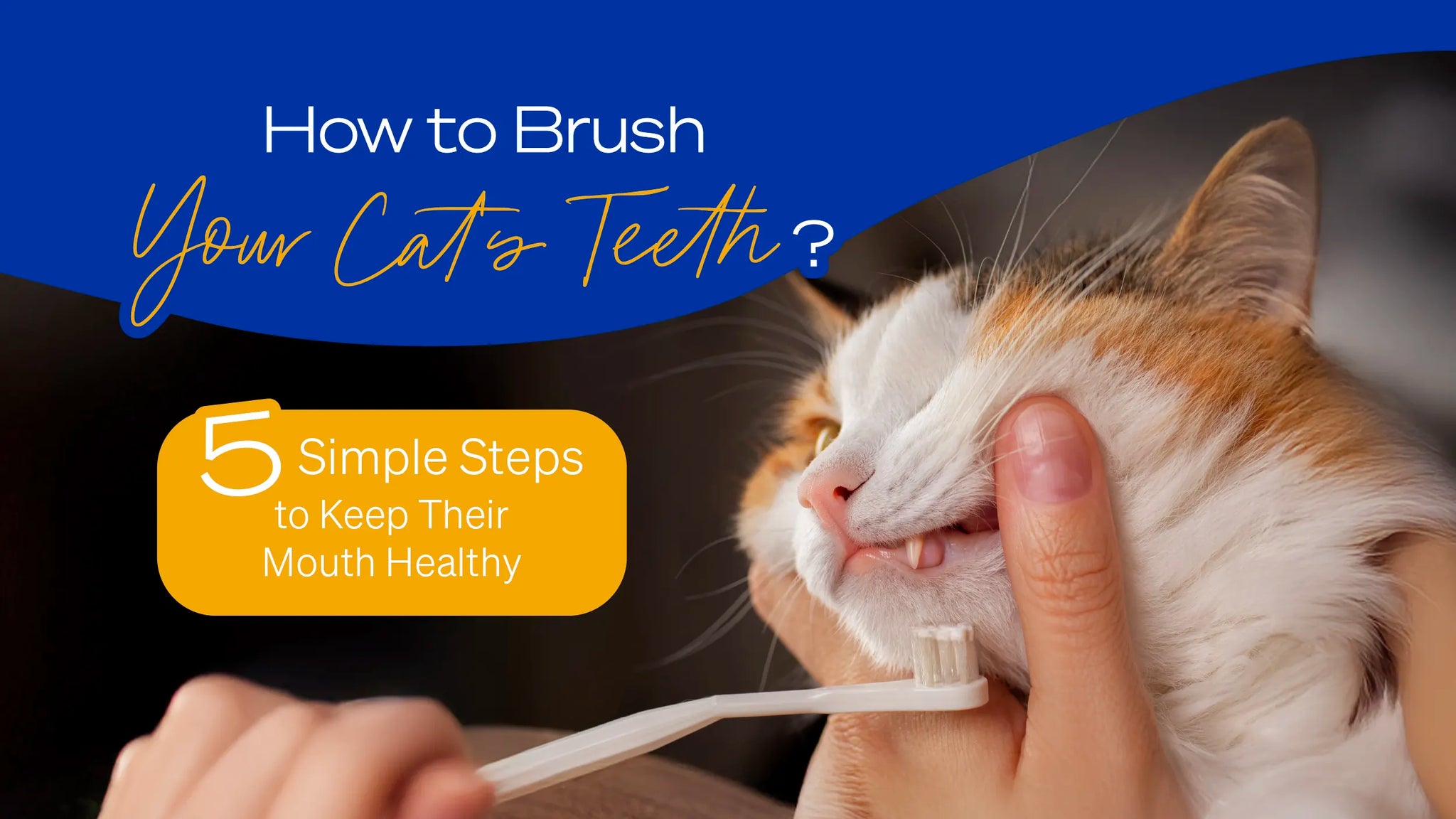
The short answer is yes—brushing your cat’s teeth is safe and highly beneficial for their long-term health, as long as you use a toothpaste formulated specifically for felines. Human toothpaste, even fluoride-free or "natural" varieties, contains toxic ingredients that can cause serious harm if swallowed. This guide breaks down the safety guidelines, step-by-step techniques, and vet-approved alternatives to keep your cat’s mouth healthy with minimal stress.
Pairing regular dental care with nutrient-dense wet food options supports whole-body wellness, as oral health is directly linked to heart, kidney, and digestive function in cats. You can also read our guide on how to improve my cats nutrition daily.
The Short Answer: Yes, But Only With Cat-Specific Toothpaste
Cat toothpaste is explicitly designed to be safe if swallowed, a key feature since cats cannot spit out toothpaste like humans. These formulas are free of toxic human ingredients, flavored with feline-friendly tastes like chicken, fish, or malt to encourage cooperation, and often contain enzymes that break down plaque and tartar without harsh abrasives.
No human toothpaste is safe for cats, regardless of marketing claims. Even small amounts of human paste can cause vomiting, diarrhea, or more severe toxicity, so always keep human oral care products stored out of your cat’s reach. You can also read our guide on how often do you brush cats teeth.
Why Feline Dental Care Is Critical for Long-Term Health
According to the American Veterinary Medical Association (AVMA), an estimated 70-80% of cats show signs of periodontal disease by age 3, making regular dental care one of the most impactful things owners can do for their pet's quality of life. Poor oral health does not just cause bad breath and tooth pain: bacteria from infected gums can spread to the heart, kidneys, and liver, leading to life-threatening systemic illness.
Common Dental Issues in Cats
- Gingivitis: Inflammation of the gums caused by plaque buildup, often reversible with early intervention.
- Periodontitis: Advanced gum disease that damages the tissue and bone supporting the teeth, leading to loose teeth and chronic pain.
- Tooth resorption: A painful condition where the tooth structure breaks down from the inside out, affecting up to 60% of cats over 5 years old.
- Oral infections and abscesses: Often caused by broken teeth or trapped foreign objects, requiring urgent veterinary care.
Early Warning Signs of Dental Distress
Watch for these red flags that indicate your cat needs a dental checkup:
- Persistent bad breath (beyond the mild "fishy" smell common in cats)
- Drooling excessively or dropping food while eating
- Red, swollen, or bleeding gums
- Pawing at the mouth or face frequently
- Weight loss or decreased appetite due to pain while chewing
- Loose or missing teeth
Human Toothpaste vs. Cat Toothpaste: Critical Ingredient Differences
The gap between human and feline toothpaste formulations is far larger than most owners realize. The table below breaks down the key differences to keep in mind when shopping for dental care products:
| Ingredient Category | Human Toothpaste | Cat-Safe Toothpaste | Risk to Cats |
|---|---|---|---|
| Fluoride | Almost always included | Never included | Highly toxic if swallowed; causes kidney damage, seizures, and death in large doses |
| Xylitol/sweeteners | Common in most varieties | Never included | Causes rapid insulin release, leading to liver failure and hypoglycemia |
| Flavorings | Mint, cinnamon, citrus | Chicken, fish, malt, or neutral | Mint and citrus oils irritate a cat’s mouth and digestive tract |
| Abrasives | High grit for stain removal | Low grit, enamel-safe | High-abrasive formulas wear down cat’s thinner tooth enamel over time |
| Enzymes | Rarely included | Commonly included | Break down plaque and tartar without scrubbing, ideal for cats with sensitive mouths |
Toxic Ingredients to Avoid in All Cat Dental Products
Even some products marketed for pets may contain harmful additives. Always check labels to avoid:
- Sodium lauryl sulfate: A foaming agent that irritates the mouth and digestive tract
- Essential oils (tea tree, peppermint, eucalyptus): Toxic to cats even in small amounts
- Alcohol: Causes mouth irritation and central nervous system depression in cats
- Xylitol and other sugar alcohols: Extremely toxic, even in trace amounts
Verified Risks of Using Human Toothpaste on Cats
Even a single exposure to human toothpaste can cause adverse effects, depending on the amount ingested and your cat’s size and age. You can also read our guide on how do you brush a cats teeth.
Immediate Symptoms of Ingestion
If your cat licks or swallows human toothpaste, watch for these signs within 1-2 hours:
- Drooling and pawing at the mouth
- Vomiting or diarrhea
- Lethargy or loss of coordination
- Tremors or seizures (in cases of large fluoride exposure)
If you suspect your cat has ingested human toothpaste, contact your veterinarian or the ASPCA Animal Poison Control Center immediately for guidance.
Long-Term Health Complications
Repeated small exposures to toxic ingredients like fluoride and xylitol can cause cumulative damage to the liver, kidneys, and nervous system. Chronic mouth irritation from harsh abrasives or flavorings can also lead to persistent gingivitis and difficulty eating. You can also read our guide on are you supposed to brush your cats teeth.
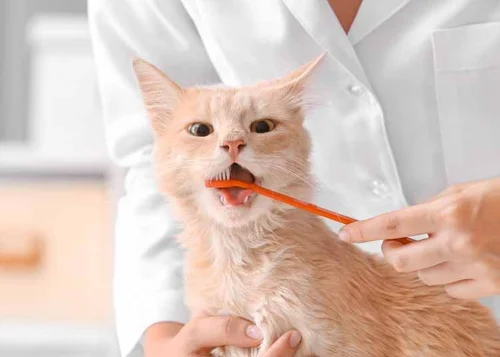
A calm, patient approach makes tooth brushing a low-stress routine for most cats
Credit: www.catschool.co
Step-by-Step Guide to Brushing Your Cat's Teeth Safely
In practice, most cats tolerate brushing best when sessions are kept under 2 minutes, and owners avoid forcing the mouth open, which triggers fear and resistance. Follow this process to build a low-stress routine over 1-2 weeks:
Choosing the Right Tools
Opt for tools designed explicitly for feline mouths:
- A soft-bristled cat toothbrush with a small head, or a finger brush for cats that tolerate close contact
- A pea-sized amount of feline enzymatic toothpaste (avoid gels or pastes with added sweeteners)
- A towel or blanket to wrap your cat gently if they are skittish, to restrict movement without causing distress
Acclimating Your Cat to Brushing
Rushing into full brushing will make your cat associate the process with fear. Use gentle positive reinforcement techniques to build positive associations first:
- Days 1-2: Let your cat lick a small amount of cat toothpaste off your finger to get used to the flavor.
- Days 3-4: Gently rub the toothbrush (without paste) along their gums and teeth for a few seconds at a time, rewarding calm behavior.
- Days 5-7: Add a tiny amount of toothpaste to the brush and repeat the gentle rubbing motion.
The Brushing Technique
Once your cat is comfortable with the brush and paste:
- Gently lift their lip to expose the outer surfaces of their teeth (you do not need to brush the inner surfaces, as cats’ tongues naturally clean those areas).
- Use small, circular motions to brush the gum line, focusing on the back molars where plaque builds up fastest.
- Aim for 30 seconds per side of the mouth, 2-3 times per week at minimum, or daily for cats prone to dental disease.
Post-Brushing Rewards
Immediately reward your cat with small, low-calorie training treats and praise to reinforce that brushing is a positive experience. Never punish or scold your cat for resisting, as this will create long-term fear of the routine.
Vet-Approved Alternatives for Cats That Refuse to Brush
If your cat absolutely refuses to tolerate brushing, these vet-recommended options can reduce plaque and tartar buildup, though they are not a full replacement for regular brushing in most cases:
- VOHC-approved dental treats: Look for products with the Veterinary Oral Health Council seal, which indicates they have been proven to reduce plaque by at least 20%. These work by scraping plaque off chewing surfaces as your cat eats.
- Water additives: Vet-recommended additives mixed into your cat’s water bowl reduce bacteria and freshen breath with no effort required. Avoid products with alcohol or harsh chemicals.
- Dental wipes: Pre-moistened wipes with enzymatic cleaners can be rubbed along the gum line for cats that tolerate touch but hate brushes.
- Therapeutic dental diets: Nutritionally balanced meals formulated for dental health have a larger kibble size and added enzymes that scrub teeth as cats chew. These are a great option for cats with chronic dental pain that cannot tolerate brushing.
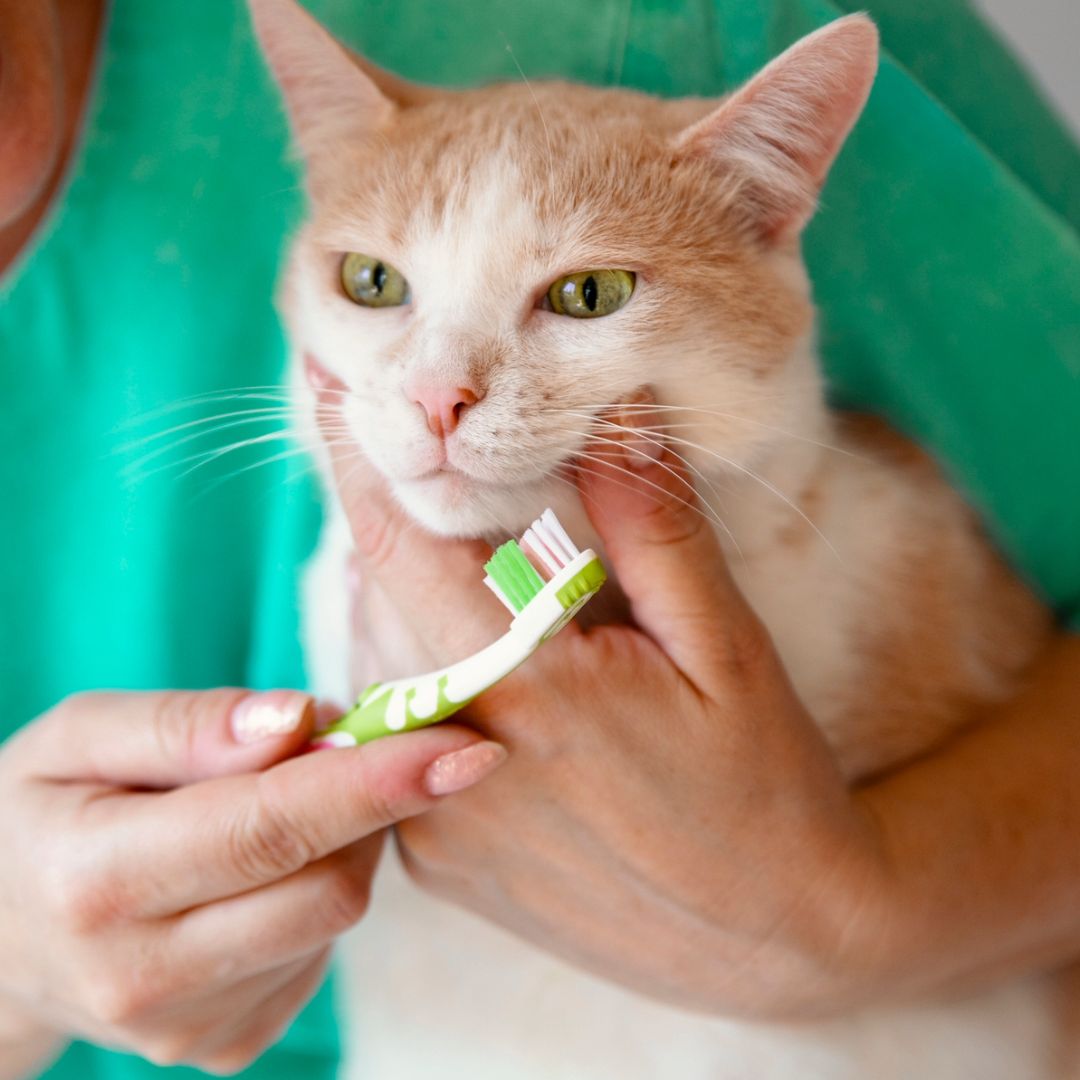
Look for products with the Veterinary Oral Health Council (VOHC) seal of approval for proven plaque reduction
Credit: www.petsradar.com
When to Schedule a Professional Veterinary Dental Cleaning
Even with consistent at-home care, cats need annual professional dental cleanings under general anesthesia to remove tartar and plaque buildup below the gum line that brushing cannot reach. During a cleaning, your vet will also take X-rays to check for hidden tooth resorption or bone loss, and extract damaged teeth if needed to prevent pain and infection.
For cats with a history of dental disease, senior cats over 10, or breeds prone to dental issues (like Persians or Maine Coons), schedule cleanings every 6 months instead of annually. If you notice bleeding gums, loose teeth, or persistent bad breath between appointments, book an urgent vet visit rather than waiting for your annual checkup.
Some professional grooming services offer gentle dental wiping as an add-on service between vet cleanings, but these are not a replacement for veterinary dental care under anesthesia.
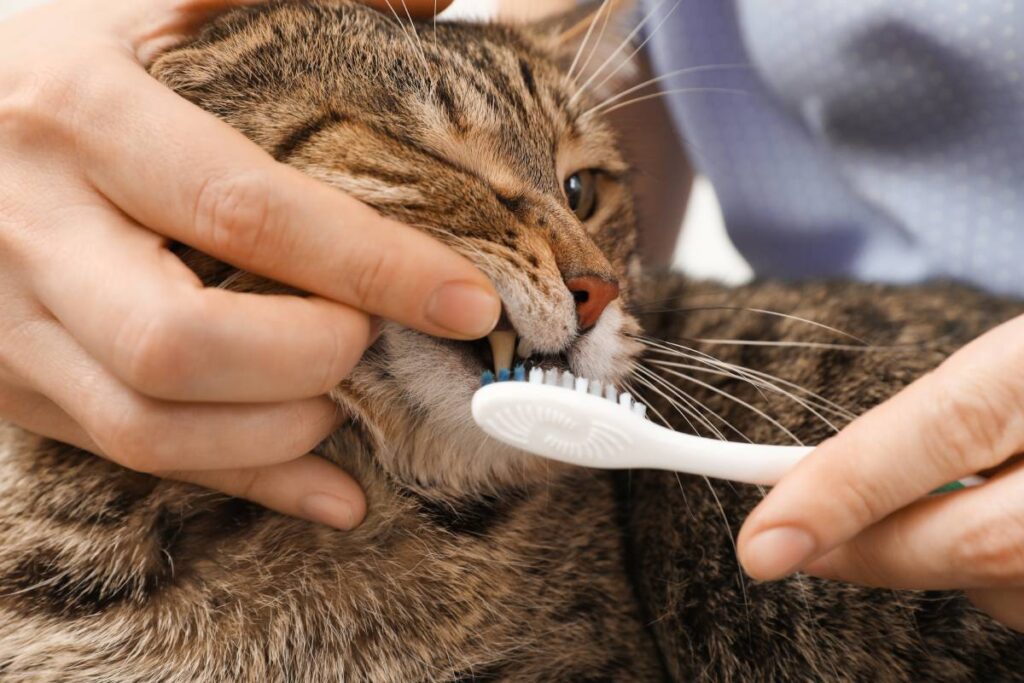
Professional cleanings under anesthesia remove tartar below the gum line that at-home care can't reach
Credit: weareallaboutcats.com
Frequently Asked Questions
What do I use to brush my cat's teeth?
Use a soft-bristled feline toothbrush or finger brush, and a pea-sized amount of cat-specific enzymatic toothpaste. Never use human toothpaste or baking soda, as both can damage your cat’s enamel or cause toxicity if swallowed.
What can I use instead of cat toothpaste?
Baking soda is not recommended as a regular substitute: its high pH can irritate your cat’s mouth, and its abrasive texture can wear down tooth enamel over time. For short-term use if you run out of cat toothpaste, plain warm water applied with a soft brush is a safer temporary option, but switch back to feline-specific formula as soon as possible. For cats that refuse all brushing, VOHC-approved dental treats, water additives, or regular professional cleanings are far more effective and safe long-term solutions.
What human toothpaste is safe for cats?
No human toothpaste is safe for cats, even fluoride-free or "natural" varieties. Most contain xylitol, essential oils, sodium lauryl sulfate, or other ingredients that can cause toxicity, mouth irritation, or digestive upset. Always use a toothpaste formulated specifically for felines.
How often should I brush my cat's teeth?
Aim for daily brushing for optimal plaque prevention, but 2-3 times per week is sufficient for most cats with no history of dental disease. Cats with existing gingivitis or periodontal disease may need daily brushing as recommended by your vet.
How can I clean my cat's teeth naturally?
The safest natural at-home option is brushing with a cat-specific toothpaste made with gentle, non-toxic ingredients. You can also offer VOHC-approved dental treats, add a vet-recommended water additive to their bowl, or feed a therapeutic dental diet formulated to reduce plaque. Avoid homemade remedies like coconut oil, lemon juice, or baking soda paste, as these can irritate the mouth, disrupt gut health, or damage tooth enamel over time.
Conclusion
Brushing your cat’s teeth is one of the simplest, most cost-effective ways to prevent painful dental disease and extend their lifespan. The process only requires cat-specific toothpaste and a soft brush, and with gradual acclimation, most cats will tolerate the routine with minimal stress.
If you are unsure which dental products are right for your cat, or if your cat shows signs of dental pain, schedule a checkup with your veterinarian to get personalized recommendations tailored to your pet’s age, breed, and health status.