

Do you ever wonder if those tempting little treats you give your cat are actually good for them? As a cat owner, you want to ensure that every snack you offer is not only delicious but also safe and nutritious.
Temptations Cat Treats have become a popular choice, often seen as a go-to option for rewarding your feline friend. But are they really as harmless as they seem? We're diving deep into the nutritional safety of Temptations Cat Treats. Discover the truth behind those crunchy bites and learn how they might impact your cat's health.
Your curiosity is about to be satisfied! Prepare to uncover insights that could change the way you treat your beloved pet.
What Are Temptations Cat Treats?
Temptations Cat Treats have become a popular choice among cat owners. These treats are known for their crunchy exterior and soft, flavorful center. But what exactly are they, and why do cats seem to love them so much?
Temptations Cat Treats are bite-sized snacks designed specifically for felines. They come in a variety of flavors such as chicken, tuna, and salmon, appealing to the diverse tastes of cats. Each treat is crafted to be crunchy on the outside while soft on the inside, offering a texture that cats find irresistible.
One of the key features of these treats is their low-calorie content, making them a guilt-free way to reward your pet. With just two calories per treat, you can indulge your cat without worrying about overfeeding. This can be particularly beneficial for maintaining a healthy weight in your furry friend.
Temptations also prides itself on using quality ingredients to create their treats. While the primary ingredients include chicken or fish, they also contain essential vitamins and minerals. This ensures that your cat not only enjoys a tasty snack but also receives some nutritional benefits.
Are They Suitable For All Cats?
Not every treat is suitable for every cat, and Temptations are no exception. While many cats enjoy them without any issues, some may have dietary restrictions or allergies. It's important to monitor how your cat reacts to new treats and consult your veterinarian if you have any concerns.
Consider the age and health of your cat before offering these treats. Senior cats or those with specific health conditions might require special dietary considerations. Always prioritize your cat's well-being over treat time satisfaction.
How Often Should You Give Temptations Treats?
Moderation is key when it comes to feeding your cat treats. While Temptations are low in calories, they should not replace a balanced diet. Use them as an occasional reward or as a tool for training and bonding with your cat.
It's easy to get carried away when your cat shows excitement, but remember: treats should only make up a small portion of your cat's daily caloric intake. Regular meals should remain the primary source of nutrition.
Ultimately, understanding your cat's specific needs and preferences will guide you in making the best choice. Do Temptations Cat Treats fit into your pet's lifestyle? Consider experimenting with them while keeping a close eye on your cat's health and happiness.

Credit: www.reddit.com
Ingredients In Temptations Cat Treats
Temptations Cat Treats have gained popularity among pet owners for their irresistible taste. But, knowing what's in these treats is crucial for your cat's health. Understanding the ingredients can help you ensure your feline friend is consuming a safe snack.
These treats contain a variety of ingredients. Some are beneficial, while others might raise questions.
Protein Sources
Protein is essential for cats. Temptations often use poultry or fish. These sources provide the necessary amino acids for muscle growth.
Fats And Oils
Fats provide energy and help absorb vitamins. Temptations include animal fats, which are palatable for cats. They also use fish oil, rich in omega-3 fatty acids.
Carbohydrates
Carbs are not vital for cats, but they add texture. Temptations use grains like corn. These help in forming the crunchy exterior.
Flavor Enhancers
Flavor enhancers make treats irresistible. Salt is often used, which should be consumed in moderation. Natural flavors mimic the taste of meat, appealing to cats.
Preservatives
Preservatives increase shelf life. BHT and BHA are common, ensuring the treats stay fresh. They are generally safe in small amounts.
Color Additives
Colors make treats visually appealing. Temptations use safe food dyes. These are approved for use in pet foods.
Understanding these ingredients helps ensure your cat's safety. Choosing treats with wholesome components can contribute to their overall well-being.
Nutritional Benefits
Are Temptations Cat Treats nutritionally safe for your feline friend? These treats offer various nutritional benefits. They can complement a balanced diet for your cat. Let's explore the specific benefits they provide.
Essential Nutrients
Temptations Cat Treats contain essential nutrients your cat needs. They include proteins, which support muscle health and growth. These treats also have vitamins and minerals. These nutrients help maintain your cat's overall well-being. Omega fatty acids in the treats promote a shiny coat. They also support healthy skin. Fiber in the treats aids digestion, keeping your cat's stomach happy.
Caloric Content
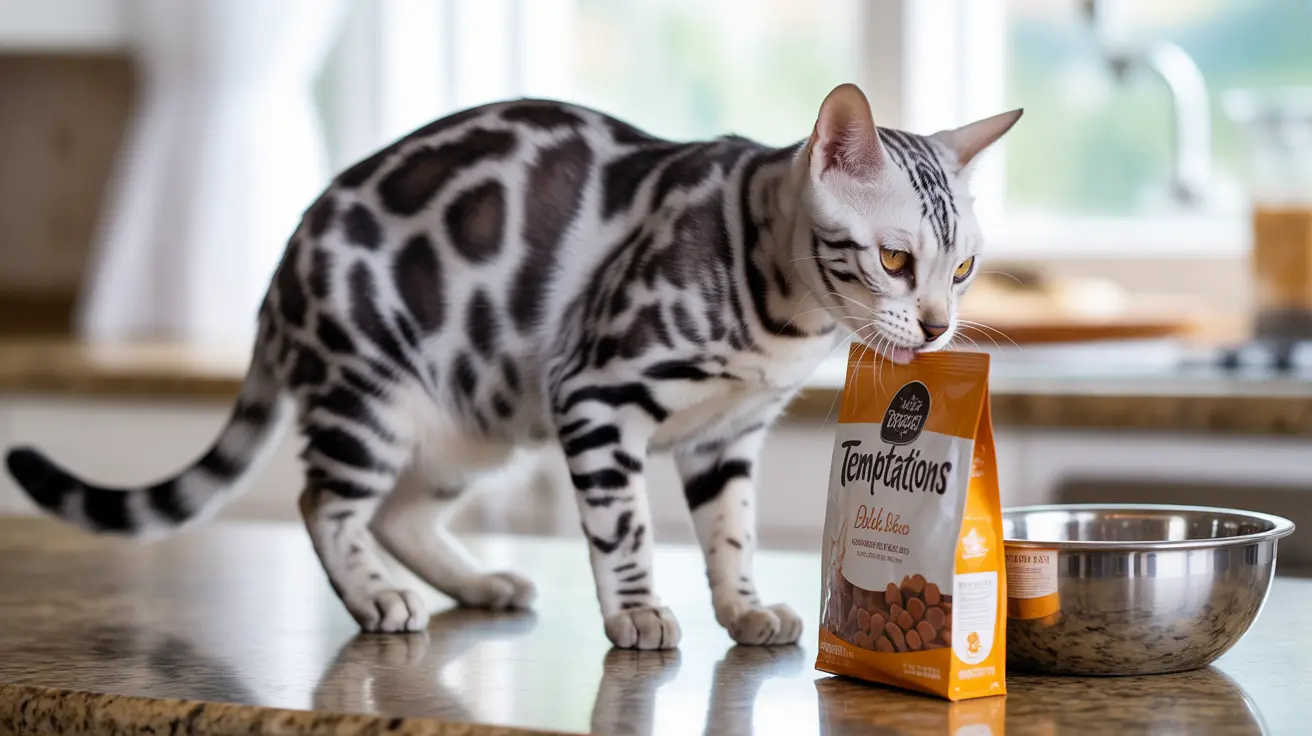
It's important to monitor your cat's caloric intake. Temptations Cat Treats are designed with controlled calories. Each treat contains only about two calories. This allows you to treat your cat without overfeeding. Always consider your cat's total daily caloric needs. Adjust the number of treats accordingly. This ensures your cat stays healthy and fit.
Credit: www.petscare.com
Potential Health Concerns
Temptations cat treats are popular among pet owners for their enticing flavors and crunchy texture. While they may seem like a delightful reward for your feline friend, it's essential to consider potential health concerns. Understanding what's inside these treats can help you make informed decisions for your cat's well-being.
Additives And Preservatives
Many cat treats contain additives and preservatives to enhance flavor and shelf life. Some of these substances may not be entirely safe for cats. Artificial colors are often used to make treats more appealing. These can sometimes lead to allergic reactions or digestive issues. Preservatives like BHA and BHT are common in pet foods. While they prevent spoilage, their safety is debated among experts. It's wise to check labels for these ingredients and consult your vet.
Risk Of Overfeeding
Cats love treats, but too many can lead to health problems. Overfeeding can cause weight gain and obesity in cats. This can lead to serious conditions like diabetes and arthritis. Treats should not replace a balanced diet but complement it. Portion control is vital. Always follow the feeding guidelines on the packaging. Monitor your cat's weight and adjust treat intake as needed. Keep treats as occasional rewards, not daily meals.
Comparing Temptations With Other Brands
Temptations cat treats are a popular choice for pet owners. Their nutritional safety is often compared to other brands. Many find them safe, but it's essential to check ingredients for any specific dietary needs.
Comparing Temptations with Other Brands Choosing the right treats for your cat isn't just about flavor; it's about ensuring they are healthy and safe. Temptations cat treats have become a favorite for many pet owners, but how do they stack up against other brands? Understanding the differences in nutrition, price, and availability can help you make an informed decision for your furry friend.
Nutritional Differences
When examining the nutritional content of cat treats, it's crucial to look beyond the packaging. Temptations are known for their crunchy outer shell and soft center, which cats adore. However, some pet parents wonder if the sugar and artificial additives are the best choice. Other brands like Blue Buffalo and Greenies emphasize natural ingredients and often list real meat as the first ingredient. They may contain fewer fillers and preservatives, which could be a healthier option. Consider what matters more for your cat’s diet—taste or nutritional value?
Price And Availability
Budgeting for your pet’s treats can sometimes feel like a juggling act. Temptations are widely available in supermarkets and pet stores, often with competitive pricing that appeals to budget-conscious pet owners. This makes them a convenient choice for many. On the other hand, premium brands like Royal Canin or Hill’s Science Diet might be priced higher but promise higher quality ingredients. Availability can sometimes be an issue, as these brands are often found in specialty stores or require online ordering. Would you rather prioritize cost, or are you willing to pay a bit more for potentially better quality? Ultimately, comparing Temptations with other brands involves weighing what you value most for your cat’s wellbeing. Are you ready to make a choice that satisfies both your pet’s taste buds and health needs?
Veterinarian Opinions
Veterinarians often discuss the nutritional safety of Temptations Cat Treats. Some believe they're fine in moderation. Others suggest checking labels for any concerns.
Veterinarian opinions hold significant weight when it comes to assessing the nutritional safety of Temptations cat treats. Many cat owners rely on these expert insights to make informed decisions about their pet's diet. Veterinarians often analyze the ingredients and nutritional content of such treats to ensure they align with a cat's dietary needs.
Recommended Usage
Veterinarians generally recommend using Temptations cat treats in moderation. These treats are designed to be a supplement, not a primary food source. Limiting treats to 10% of your cat's daily caloric intake can help maintain a balanced diet. A personal story might resonate with you: I once overindulged my own cat, Whiskers, with treats, thinking they were harmless. A quick vet visit revealed Whiskers had gained extra weight. This was a wake-up call to follow the recommended usage guidelines closely.
Safety Tips
Keep safety in mind by storing treats in a secure place. Cats are curious by nature and might get into the treat bag if it's left out. Always check the expiration date before giving any treats to ensure freshness and safety. It's also a good idea to watch your cat’s reaction after trying a new treat. Any signs of allergies, such as itching or digestive issues, should prompt a chat with your veterinarian. Have you noticed any changes in your cat's behavior after introducing a new treat? Observing these small details can make a big difference in your cat's health.
Making Informed Choices
When choosing treats for your feline friend, making informed choices ensures their health and happiness. Are Temptations Cat Treats nutritionally safe? It's crucial to understand what you're feeding your pet. This section will help you navigate the complexities of pet treat labels and offer tips on maintaining a balanced diet for your cat.
Understanding Labels
Have you ever scrutinized the labels on your cat's treats? It's not just about the flavor; it's about the ingredients and nutritional content. Look for key components like protein sources, artificial additives, and preservatives. You might be surprised to find that some treats contain ingredients you wouldn't expect. Understanding these labels helps you pick treats that align with your cat's dietary needs.
Consider the ingredient list as a roadmap. It guides you in choosing treats that contribute positively to your cat's health. Opt for treats with clear labeling and fewer artificial ingredients. This transparency in labeling reassures you of what your pet is consuming.
Balancing Treats With Diet
Treats are delightful for cats, but moderation is key. Overindulgence can lead to health issues like obesity. How do you balance treats with your cat's regular diet? Think of treats as an occasional reward, not a dietary staple. This approach ensures your cat maintains a healthy weight and receives all essential nutrients from their main meals.
Integrate treats into playtime or training sessions to enrich your pet's experience without overfeeding. If your cat has specific dietary needs, consult your veterinarian for advice on compatible treats. Balancing treats with a nutritious diet is a thoughtful way to care for your furry companion.
What choices will you make for your cat today? Understanding labels and balancing treats with diet are your first steps towards informed decisions that benefit your pet's health.

Credit: www.petfoodprocessing.net
Frequently Asked Questions
Are Temptation Cat Treats Healthy For Cats?
Temptation cat treats are safe in moderation but not a substitute for a balanced diet. They contain preservatives and flavor enhancers. Ensure treats don't exceed 10% of daily calorie intake to maintain feline health. Consult your vet for personalized dietary advice.
What Are The Healthiest Treats To Give Your Cat?
Offer your cat cooked chicken, turkey, or fish for healthy treats. Avoid seasoning or adding any oils. Small portions of plain canned pumpkin or steamed carrots are also nutritious. Always ensure treats make up less than 10% of your cat's diet to maintain a balanced nutritional intake.
Can You Feed Temptations Treats As A Meal?
Temptations treats are not designed to replace regular meals for cats. They are meant as occasional snacks. Ensure your cat's diet includes complete and balanced nutrition. Always consult a vet for dietary advice to keep your cat healthy.
How Many Temptations Treats Can I Give My Cat Per Day?
You can give your cat up to 15 Temptations treats per day. Always ensure the treats don't exceed 10% of your cat's daily calorie intake. Adjust based on your cat's activity level and weight. Consult your veterinarian for personalized advice.
Keep fresh water available for your cat.
Conclusion
Temptations cat treats provide a tasty reward for your feline friend. Nutritional safety is important when choosing treats. These treats offer a balance of taste and essential nutrients. Check the ingredients to ensure they meet your cat's needs. Moderation is key to keeping your pet healthy.
Always consult with your vet for personalized advice. Treats should complement a balanced diet. Your cat's health depends on informed choices. A happy cat means a happy home. Keep their diet in check, and enjoy those purrs of contentment.
