
A home free of surprise accidents and lingering odors is possible for every cat owner, no matter if you’re bringing home a new kitten, adopting an adult rescue, or troubleshooting persistent litter box avoidance. According to the American Veterinary Medical Association (AVMA), cats have a natural instinct to bury their waste, so training is less about forcing a new behavior and more about setting up an environment that aligns with their innate preferences. With the right setup, consistent routines, and positive reinforcement, most cats learn to use their litter box reliably within 1 to 4 weeks, even if they’ve never used one before. This guide covers evidence-based, step-by-step tips for cats of all ages, common pitfalls to avoid, and actionable solutions for even the most stubborn training challenges.
Pre-Training Prep: Set Yourself Up for Success Before You Start
Before you bring a litter box home, assess your cat’s unique background and needs to avoid wasted time and frustration:
- Kittens under 4 weeks old cannot eliminate on their own and rely on their mother’s stimulation, so formal litter training isn’t needed yet.
- Adult cats adopted from shelters or previously kept outdoors may have never encountered a litter box, so they’ll need slower, more gradual introduction.
- Senior cats (10+ years) often have arthritis, mobility issues, or vision loss, so their box setup will require specific accessibility adjustments.
Stock these supplies ahead of time to avoid hasty, ineffective choices mid-training:
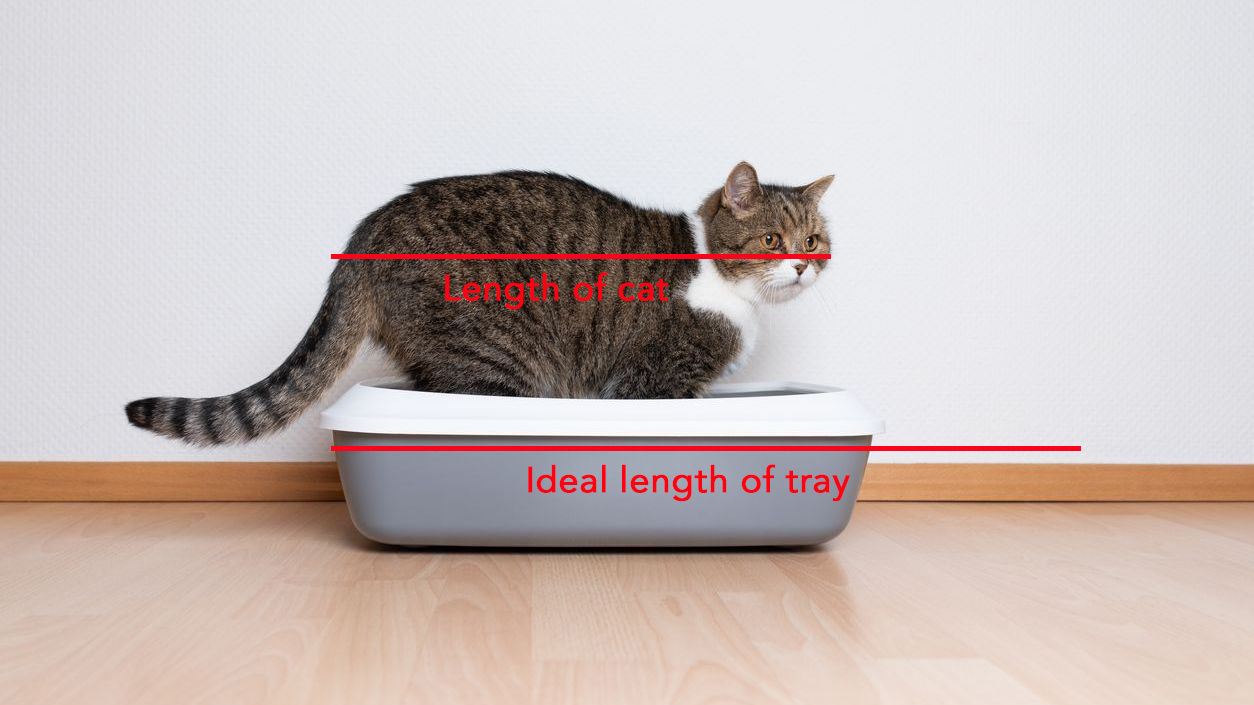
- Appropriately sized litter box (1.5x your cat’s length, low-entry for kittens and seniors)
- Unscented, dust-free litter (fine-grained, sand-like texture matches outdoor substrate cats prefer)
- Dedicated litter scooper and disposable waste bags
- High-value, small training treats
- Enzymatic cleaner for accident cleanup (avoid ammonia-based products, which smell like urine and attract repeat accidents)
Step 1: Choose the Right Litter Box for Your Cat’s Needs
The litter box is the centerpiece of training, and a poor fit is the most common cause of avoidable accidents.
Size, Shape, and Accessibility
A box that’s too small will make your cat feel cramped and unwilling to use it. As a general rule, select a box that is at least 1.5 times the length of your cat from nose to tail base: for an average 10lb domestic shorthair, this means an 18+ inch long, 12+ inch wide box. For large breeds like Maine Coons, opt for 24+ inch commercial boxes or large plastic storage totes (cut a low entry hole if needed) for enough space to turn around and dig. For kittens and senior cats with mobility issues, choose a low-entry box with side heights under 3 inches—jumping over high sides is painful and will lead to immediate avoidance. For households with more than one feline, adhering to the one-per-cat-plus-one guideline eliminates territorial competition over bathroom space, a top cause of out-of-box elimination. For large breed cats, you can reference our sizing guidelines for larger felines to find a commercial option that fits their needs. You can also read our guide on spray bottle for cat training.
Covered vs. Uncovered Boxes: Prioritize Your Cat’s Comfort
Covered boxes contain odor and offer privacy, which appeals to some owners, but they have significant downsides for cats: they trap ammonia fumes from urine that irritate sensitive nasal passages, and many cats feel trapped with only one exit, triggering anxiety. They also make it harder to monitor your cat’s waste for signs of illness (blood, mucus, changes in consistency), a key part of preventive care per AVMA guidance. In practice, most cats prefer uncovered boxes during training, as they feel less confined and allow for easier waste monitoring. If you live in a small space and want a covered box for odor control, choose one with a removable top first to test if your cat accepts it—if they avoid it, switch to uncovered and use a non-toxic deodorizing product instead of a cover.
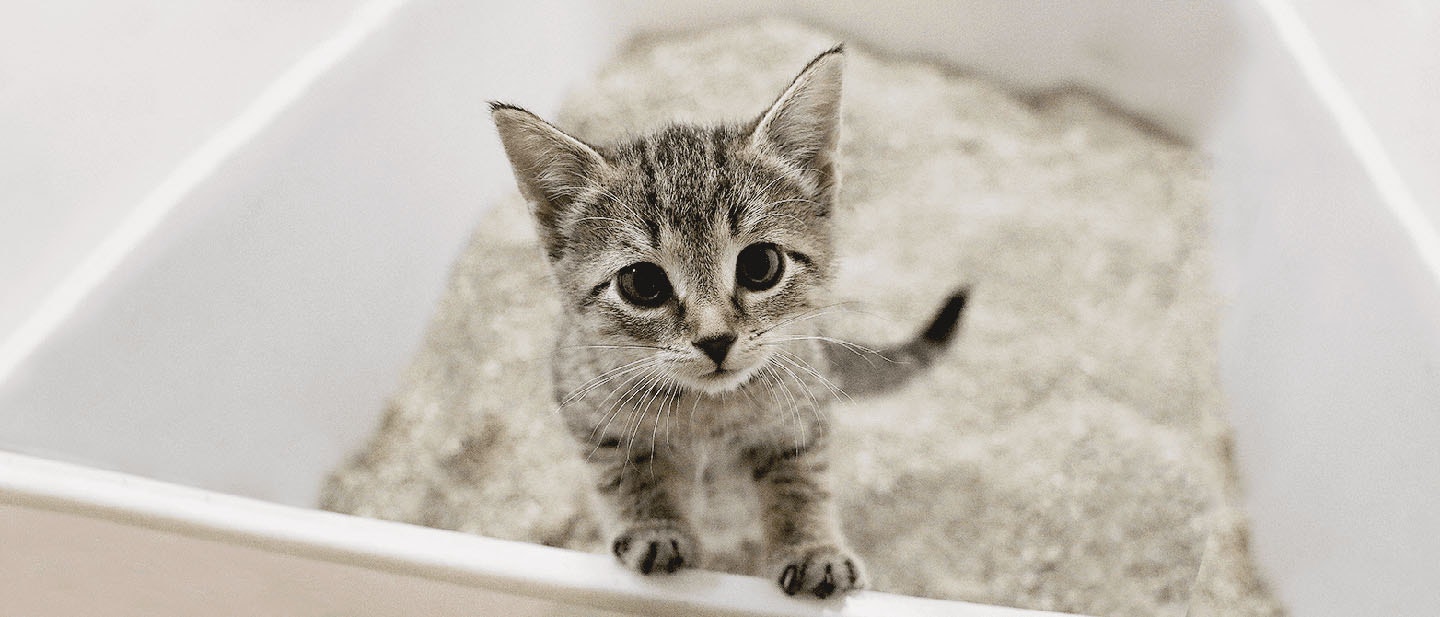
An open, low-entry litter box is ideal for most cats during training, as it reduces anxiety and makes monitoring waste easier.
Credit: www.whiskas.com.ph
Step 2: Select Litter That Aligns With Your Cat’s Natural Instincts
Cats are extremely particular about litter texture and scent, and a poor litter choice is the second most common cause of training failure. You can also read our guide on litter box toilet training cats.
Clumping vs. Non-Clumping Litter
Clumping litter (usually bentonite clay) forms solid clumps when wet, making daily scooping fast and effective at controlling odor. It’s the best choice for most cats during training, as it’s easy to dig in and mimics the soft, diggable soil cats use outdoors. Non-clumping litter (paper-based, silica gel, or non-clumping clay) is a safer option for kittens who may accidentally ingest litter, or cats with respiratory issues, as it produces less dust. It requires full replacement every 3-7 days, so it’s higher maintenance for owners.
Skip Scented Litters Entirely During Training
Synthetic fragrances in scented litters irritate cats’ sensitive respiratory systems, especially flat-faced brachycephalic breeds like Persians and Himalayans. They also mask the natural earthy scent cats rely on to identify their bathroom spot, leading to confusion and avoidance. Unscented, dust-free litter is always the best choice for training; if odor control is a concern for you, scoop daily instead of relying on added fragrances. You can also read our guide on how to improve my cats nutrition daily.
Step 3: Place the Litter Box in a Low-Stress, Accessible Location
Even a perfect box and litter will be ignored if it’s in the wrong spot. Cats are vulnerable when eliminating, so they need a space that feels safe and private.
Prioritize Quiet, Secluded Spots
Place the box away from loud appliances (washing machines, furnaces), high-traffic areas (hallways, entryways), and spaces where your cat might be startled by other pets, children, or sudden noises. Ideal locations include a quiet corner of a spare room, a bathroom nook away from the toilet, or a low-traffic basement area (if your cat has easy, stair-free access). You can also read our guide on automatic self cleaning cat litter box.
Ensure Easy Access for All Cats
For kittens, place the box on the same floor they spend most of their time on, with no stairs or obstacles to navigate. For senior cats with mobility issues, avoid slippery floors or elevated spots. For multi-cat households, place boxes in separate, quiet locations so no cat has to pass another’s box to use theirs—this reduces territorial stress and prevents ambushes. Once your cat is using the box consistently, never move it abruptly; if you need to relocate it, shift it a few feet a day until it reaches the new spot, so your cat can follow the familiar scent.
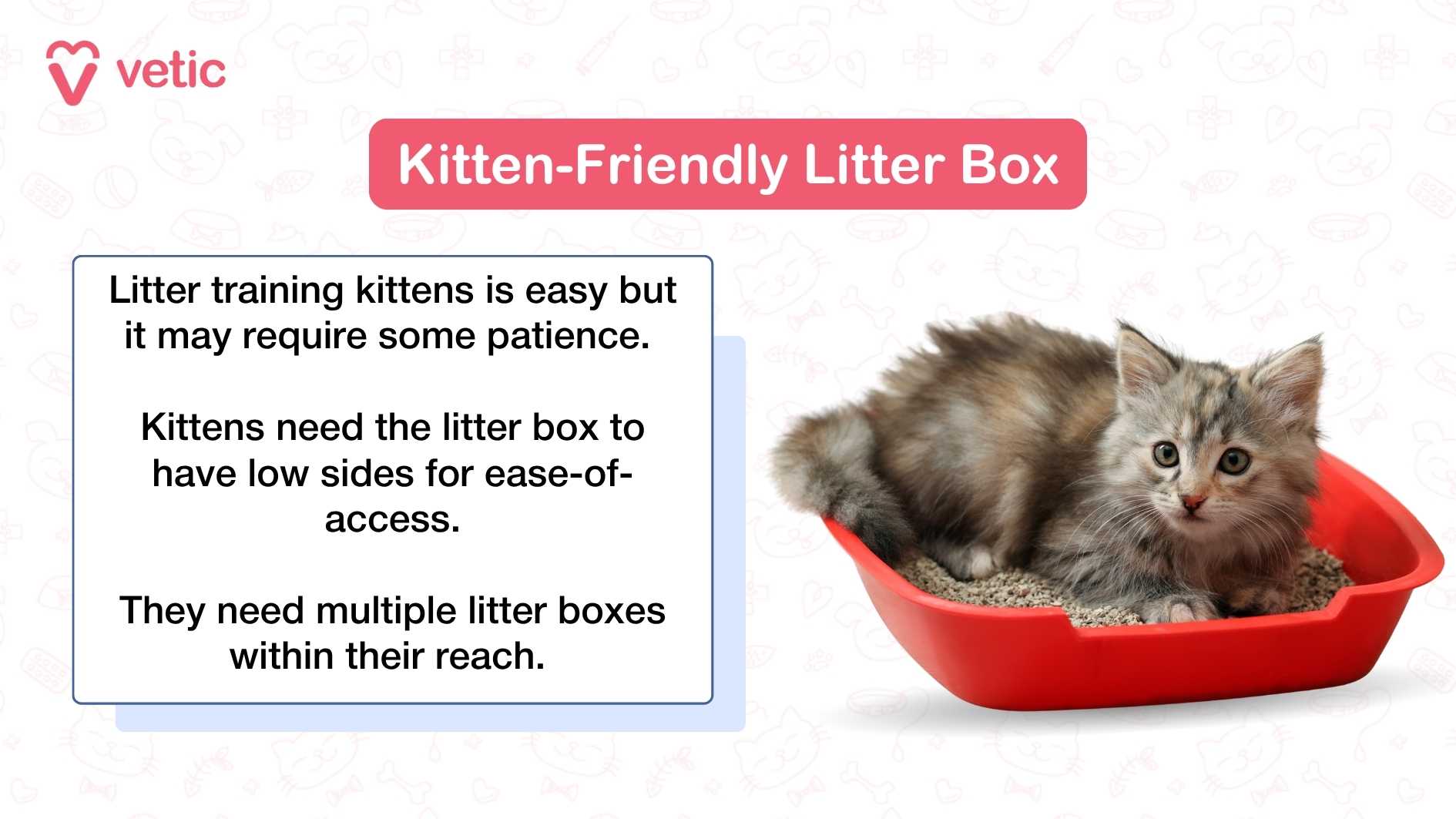
Kittens under 6 months old need low-entry boxes to make climbing in easy and frustration-free.
Credit: vetic.in
Step 4: Introduce the Litter Box With Positive Reinforcement
Positive reinforcement is the only evidence-based, low-stress way to train a cat—punishment will only create fear and make avoidance worse. You can also read our guide on cat flea and tick powder.
Introduce the Box Gradually
When you first set up the box, let your cat explore it on their own terms without forcing them inside. For kittens or cats new to your home, gently place them in the box after they eat, wake up from a nap, or finish playing—these are the times cats naturally feel the urge to eliminate. If they use the box, reward them immediately.
Use High-Value Rewards to Reinforce the Behavior
The best cat rewards are small, high-value treats (like soft meaty bites that aren’t part of their regular diet) or 30 seconds of play with their favorite toy. Reward your cat within 1 to 2 seconds of them using the box, so they clearly associate the action with the positive outcome. A common mistake owners make is waiting too long to reward, which breaks the association entirely. Never yell, spray your cat, or rub their nose in accidents—these actions only make them fear you and avoid the box even more. For consistent reward delivery, keep training-specific options nearby so you don’t have to leave the room to grab treats.
Step 5: Maintain a Clean Litter Box to Encourage Consistent Use
A dirty litter box is the top reason cats abandon a previously well-used box, so consistent cleaning is non-negotiable for long-term success. Use this simple schedule to keep your box fresh:
| Cleaning Task | Frequency | Key Notes |
|---|---|---|
| Scoop solid waste and clumps | 1-2x daily (2x for multi-cat/kitten households) | Avoid shaking the scooper to prevent spreading odor particles |
| Add fresh litter as needed | When litter level drops below 2-3 inches | Prevents clumps from sticking to the box bottom |
| Full deep clean | Every 1-2 weeks | Scrub with warm water and mild, unscented soap; avoid harsh chemicals like bleach that leave residual smells |
For daily cleaning, use a dedicated scooper and tie waste bags tightly before disposing of them to prevent odors from spreading. During deep cleans, inspect the box for scratches or stains—scratches trap bacteria and lingering smells that will repel your cat, so replace the box if it’s damaged.
Daily scooping is the single most important step to keep your cat willing to use their litter box.
Credit: www.instagram.com

Age-Specific Training Tips
Cats of different ages have unique needs that require small adjustments to your training approach:
Training Kittens (4 Weeks to 6 Months)
Kittens under 4 weeks old need their mother’s stimulation to eliminate, so hand-raised kittens require a warm, damp cotton ball rubbed gently against their genital area after each meal until they’re old enough to use a box. For 4-8 week old kittens, place them in the litter box after every meal, nap, and play session, when they naturally feel the urge to go. Keep the box in a central, easy-to-find spot at first, then move it to a quieter location once they’re using it consistently. Use small, low-entry boxes so they can climb in without frustration.
Training Adult Cats (New to Your Home)
Adult cats, especially rescues or former outdoor cats, may have never used a litter box before. Start by placing the box in the room they spend the most time in, so they don’t have to search for it. If they eliminate outside the box, clean the spot immediately with an enzymatic cleaner, then place a small amount of their waste in the box to leverage their natural instinct to eliminate where they smell their own scent. Be patient: adult cats may take 2-4 weeks to adjust, especially if they’re stressed from a recent move.
Training Senior Cats (10+ Years)
Senior cats often struggle with arthritis, reduced mobility, or vision loss. Opt for a low-entry box with a non-slip mat underneath to prevent slipping, and place it in a spot they can reach without climbing stairs. If they have vision loss, keep the box in the same permanent location and avoid rearranging furniture around it. Scoop more frequently than usual, as senior cats often have more frequent urination due to age-related medical conditions like kidney disease.
Troubleshooting Common Litter Box Challenges
Even with perfect setup, issues can arise. Address these common problems with targeted, low-stress solutions:
Cat is Avoiding the Box Entirely
First, rule out medical issues: urinary tract infections, constipation, arthritis, and other painful conditions make using the box uncomfortable, so a vet visit is the first step if avoidance is sudden. If medical issues are ruled out, adjust one variable at a time: scoop more frequently, move the box to a quieter spot, switch to a different litter type, or add a second box to see if your cat prefers a different option.
Cat Eliminates Just Outside the Box
This usually signals the box is too small, has high sides, uses uncomfortable litter, or isn’t clean enough. Start by switching to a larger, low-entry box and fine-grained litter. If the issue persists, place a second box directly next to the first—many cats will use the second box if the first doesn’t meet their preferences.
Cat is Spraying or Marking Territory
Spraying (small amounts of urine on vertical surfaces) is a territorial behavior, not a house training issue. It’s usually triggered by stress (new pet, new home, new family member) or conflict with other cats in the household. Reduce stress by using Feliway diffusers, ensuring each cat has separate food, water, box, and perch resources, and consult your vet if spraying persists, as it can be a sign of hormonal issues in unneutered cats.
Accidents Happen: Clean Properly to Prevent Repeat Incidents
If your cat has an accident outside the box, clean the spot immediately with an enzymatic cleaner (not ammonia-based products, which smell like urine and attract repeat accidents). Never punish your cat for accidents—this will only make them fear you and eliminate in hidden, harder-to-find spots. If accidents persist for more than a week, consult your vet to rule out underlying medical conditions like UTIs or gastrointestinal problems.
Frequently Asked Questions
How long does it take to train a cat to use the litter box?
Training time varies by age and background: kittens 4-8 weeks old typically learn in 3-7 days, adult cats take 1-4 weeks, and senior cats with mobility issues may take 2-6 weeks. Consistency, positive reinforcement, and a well-suited box setup are the biggest factors in speeding up the process.
How can I encourage my cat to use the litter box?
Start with a clean, appropriately sized box in a quiet, accessible location, use unscented litter, and reward your cat immediately when they use it. If they’re hesitant, try adding a small amount of their used litter to the box, or use a cat pheromone attractant to draw them in. Never force them into the box, as this creates negative associations.
Is litter box training difficult for most cats?
No—most cats learn to use a litter box with minimal effort, as it aligns with their natural instinct to bury waste. The only exceptions are cats with untreated medical issues, severe anxiety, or a history of trauma, which may require extra support from a vet or certified cat behaviorist.
Will an untrained cat use a litter box on its own?
Yes—most untrained cats will use a litter box instinctively if it’s set up correctly, as it mimics the soft, diggable substrate they’d use outdoors. The only exception is cats previously trained to eliminate on hard surfaces like concrete, which may require a gradual transition to litter.
What should I do if my cat keeps having accidents outside the box?
First, clean all accident spots with an enzymatic cleaner to remove odor traces. Then review your box setup: is it clean enough? Is it in a low-stress location? Is the litter type appropriate for your cat? If accidents persist for more than a week, consult your vet to rule out medical issues like UTIs or gastrointestinal problems.
Conclusion
Litter box training is a straightforward process when you align your setup with your cat’s natural instincts and preferences. Start with a properly sized, accessible box, unscented litter, and a quiet, low-stress location, then reinforce use with immediate positive rewards. Stick to a consistent cleaning routine to keep the box inviting, and address any issues early by ruling out medical causes first. Every cat learns at its own pace, so patience and consistency are far more effective than punishment. If you’re still facing persistent challenges, our guide to advanced behavior adjustment strategies offers targeted solutions for even the most stubborn cases. With these tips, you’ll be on your way to a clean, stress-free home and a happy, well-trained cat in no time.