
Fleas and ticks can quickly turn a relaxed cat into a restless, scratching, over-grooming one. Cat flea and tick powder can help because it reaches the coat where pests hide, and many formulas also treat carpets, bedding, and furniture where flea eggs and larvae build up.
In 2026, the most effective approach is not simply to dust your cat and hope the problem disappears. The best results come from using a product labeled for cats, treating the home environment, and supporting your cat’s skin, grooming, and daily routine. Natural powders can be useful, but they work best when you understand their limits and use them carefully.
Key things to know before you start:
- Choose only products clearly labeled for cats.
- Do not assume “natural” automatically means safe.
- Treat your cat and your home at the same time.
- Watch for breathing irritation, especially in cats with asthma.
- Severe infestations usually need veterinary guidance.
What Cat Flea and Tick Powder Actually Does
Flea and tick powders are designed to contact pests on your cat’s coat or in the home environment. Some products are made to be applied directly to the pet, while others are intended only for carpets, rugs, upholstery, or pet bedding.
Direct-use powders can help reduce adult fleas and ticks on the animal. Home powders can help target pests hiding in fibers, cracks, and bedding. However, powders do not always solve every stage of the flea life cycle. Flea eggs, larvae, and pupae can persist for weeks, so repeated cleaning and follow-up treatments are often necessary.
| Powder type | How it helps | Best for | Main limitation |
|---|---|---|---|
| Direct-on-cat powder | Works on pests in the coat | Cats that tolerate handling | Must be applied carefully |
| Carpet and home powder | Treats fibers, bedding, and rugs | Indoor flea pressure | Usually not for direct pet use |
| Herbal or essential-oil powder | May repel pests and freshen the coat | Mild flea pressure | May irritate sensitive cats |
| Waterless bath alternative | Cleans and helps control pests without soaking | Water-averse cats | May need repeated use |
| Supplement or chewable | Supports skin, coat, and overall condition | Long-term routine support | Not usually a fast-acting treatment |
A common mistake is expecting one product to handle everything. In practice, powders work best as part of a broader plan that includes vacuuming, washing bedding, inspecting your cat, and using veterinary-approved products when infestations are heavy.
Safety First: Choosing a Cat-Safe Powder
Not every flea powder is appropriate for cats. Cats are especially sensitive to certain ingredients, including some essential oils and insecticides commonly found in dog products. Always check the label for cat suitability, age restrictions, weight guidance, and application instructions.
Avoid using dog-only flea products on cats. Some dog formulas contain ingredients that can be dangerous to felines. If a product does not clearly say it is safe for cats, do not use it.
Cat-safe powder checklist:
- Labeled specifically for cats or kittens, if applicable
- Clear age and weight instructions
- No harsh dust clouds that may irritate breathing
- Suitable for your cat’s health status and coat type
- No overlapping use with other flea products unless approved
Natural ingredients still require caution. Essential oils, herbal extracts, and fragrances can irritate a cat’s skin, eyes, or respiratory system. If your cat has asthma, allergies, or a history of skin sensitivity, ask your veterinarian before using any powder.
For broader household pesticide safety, review EPA pesticide safety guidance before combining products or treating shared living spaces.
A regular grooming routine also makes inspections easier. The right coat maintenance tools help you work through dense fur without pulling, making it easier to spot fleas, ticks, or irritated skin early.
How to Apply Flea Powder to a Cat Calmly and Safely
Applying powder to a cat requires patience. Cats are often more tolerant when the process is quiet, quick, and paired with positive experiences.
- Read the label first. Confirm the product is suitable for your cat’s age, weight, and health condition.
- Do a patch test. Apply a small amount to one area and watch for redness, scratching, or irritation.
- Protect the face. Avoid eyes, nose, mouth, and ears. If you need to clean around the eyes first, use facial cleansing wipes rather than spraying or powdering near the face.
- Apply lightly. Dust small sections of the coat rather than pouring powder over the whole body.
- Massage gently. Work the powder toward the skin using your fingertips, especially around the neck, shoulders, base of the tail, and belly.
- Brush out excess. This helps reduce visible residue and removes loose debris.
- Monitor your cat. Watch for drooling, vomiting, coughing, sneezing, or unusual behavior after application.
- Reward calmly. Finish with tasty training rewards so your cat links handling with something positive.
Do not apply powder in a small, closed room if your cat is sensitive to dust. Good ventilation helps reduce respiratory irritation for both you and your pet.
Treating the Home: Carpets, Bedding, and Favorite Napping Spots
Fleas do not live only on your cat. Eggs, larvae, and pupae often accumulate in carpets, rugs, furniture, pet beds, and warm hiding places. If you treat only the cat, the problem can return quickly.
Home treatment steps:
- Vacuum carpets, rugs, furniture, and baseboards thoroughly.
- Wash pet bedding and removable fabric covers in hot water.
- Apply a home-safe powder evenly where your cat rests.
- Let the powder sit according to the label.
- Vacuum again to remove residue and dead pests.
- Repeat as directed, especially during heavy flea season.
In multiple-cat homes, keep resting areas and the multi-cat bathroom setup clean because shared spaces can make pest control more challenging.
If odors remain after treatment, litter area odor control can complement the broader plan. Just avoid mixing too many scented products at once, since strong fragrances may bother sensitive cats.
Natural Support That Makes Powders Work Better
Natural flea control is not only about the powder. A cat with healthy skin, low stress, and a clean environment is easier to protect.
Skin health often improves when cats receive hydrating wet meals that fit their dietary needs. Good nutrition supports the skin barrier, coat condition, and overall resilience, which can make flea-related irritation less severe.
Between treatments, gentle cleansing wipes can help remove outdoor debris without a full bath. This is especially useful for cats that dislike water or become stressed during grooming.
Natural powders work best when paired with these habits:
- Regular coat inspections
- Routine vacuuming
- Clean bedding and resting areas
- Consistent feeding and hydration
- Prompt removal of any attached ticks
- Veterinary guidance when infestations become overwhelming
Best Cat Flea and Tick Powders and Related Options
The products below include direct-use powders, home powders, and related alternatives such as sprays, waterless baths, spot-ons, and supplements. Not every option will suit every cat, but together they cover the main approaches cat owners often consider.
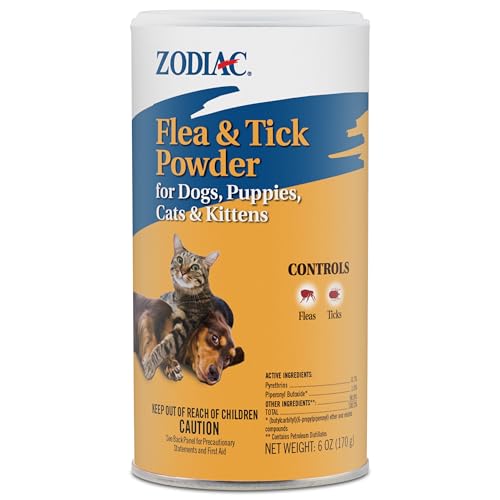
Zodiac Flea & Tick Powder

Zodiac powder is a direct-use option when the label matches your cat’s needs.
Zodiac is a practical choice when you want a direct-use powder that can fit into a multi-pet routine. The format lets you work the product into the coat, especially around the neck, base of the tail, and underbelly where fleas often concentrate.
It is best treated as a label-driven product: follow age and weight guidance, avoid the eyes and nose, and use only enough powder to lightly coat the fur. In practice, the beige dust can show on dark cats, so a thorough brush-out helps. It may also need reapplication after outdoor exposure or bathing.
Good for:
- Direct application on cats when label-approved
- Multi-pet households with careful use
- Owners who prefer powder over spot-on treatments
Watch for:
- Visible residue on dark coats
- Need for careful, light application
- Reapplication based on exposure
If you want a straightforward powder for direct use, view this Zodiac option on Amazon.
Natural Pet EasyDefense Powder for Dogs & Cats

EasyDefense powder is useful for treating pet areas and home surfaces.
Only Natural Pet EasyDefense is a strong option if your main concern is treating the spaces your cat uses most. It is designed for home environments, including carpets, furniture, bedding, and outdoor areas, making it useful when flea pressure is centered around resting spots.
The natural positioning appeals to owners who want to avoid harsh-smelling treatments. Still, natural does not mean effortless. Heavy infestations may require more frequent application, and you should always confirm whether the label allows direct contact with your cat.
Good for:
- Home-first flea control
- Carpets, bedding, and furniture
- Owners seeking a natural-leaning approach
Watch for:
- May need frequent reapplication
- Not ideal as the only solution for severe infestations
- Powder mess during application
For a home-focused natural approach, check this EasyDefense listing on Amazon.
PetArmor Home Carpet Powder for Fleas and Ticks
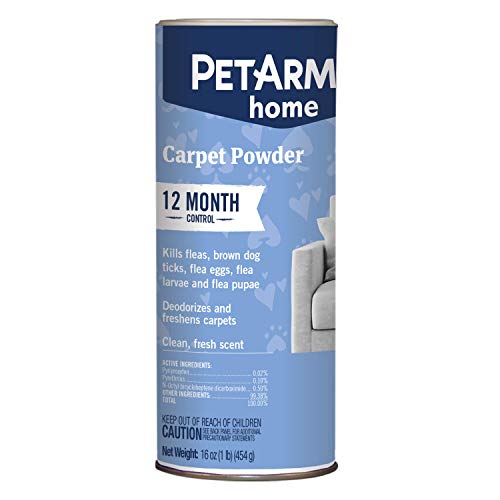
PetArmor carpet powder is designed for floors and pet areas, not direct pet use.
PetArmor Home Carpet Powder is best viewed as an environmental treatment rather than a product for your cat’s body. It targets fleas and ticks in carpets while also helping deodorize treated areas, which is useful in homes where pet odors and flea pressure overlap.
This type of product works best when paired with direct pet treatment. Apply it evenly, keep cats away during treatment as directed, and vacuum thoroughly afterward. Some owners notice the scent at first, so ventilation matters.
Good for:
- Carpet and rug treatment
- Deodorizing pet-friendly rooms
- Supporting whole-home flea control
Watch for:
- Not for direct application on cats
- Scent may be noticeable initially
- Multiple applications may be needed
To treat carpets as well as pet areas, see PetArmor carpet powder on Amazon.
NaturVet Herbal Flea Plus Essential Oils

NaturVet herbal powder uses essential oils and may suit mild flea pressure.
NaturVet Herbal Flea Plus is designed for owners who prefer an herbal approach. It uses essential oils to help repel fleas while also leaving a fresher scent on the coat. This can be appealing if your cat dislikes the medicinal smell of some flea products.
However, essential oils require caution with cats. Some cats are highly sensitive to fragrance, and products with oils should be introduced carefully. Start with a small amount, avoid the face, and stop use if your cat shows irritation, excessive grooming, or breathing discomfort.
Good for:
- Mild flea pressure
- Cats that tolerate herbal scents
- Owners wanting a deodorizing powder option
Watch for:
- Essential-oil sensitivity in some cats
- Not a replacement for severe infestations
- Needs consistent, careful use
If your cat tolerates herbal scents, view NaturVet’s herbal powder on Amazon.
Hartz UltraGuard Plus Cat Flea & Tick Spray

Hartz UltraGuard spray is an alternative for cats that dislike powder dust.
Hartz UltraGuard Plus is not a powder, but it belongs in this conversation because many cat owners prefer sprays when powder dust is a concern. A spray can cover larger areas more quickly, though the sound and mist may startle some cats.
This option can work well for cats that spend time outdoors or need a faster application method. Follow the label carefully, avoid spraying near the face, and apply in a ventilated area. Kittens and sensitive cats need extra caution.
Good for:
- Owners who prefer spray over powder
- Cats that tolerate handling but dislike dust
- Indoor and outdoor flea protection routines
Watch for:
- Spray noise may stress some cats
- Less precise than careful powder application
- Not always suitable for very young kittens
For a no-powder alternative, check this Hartz spray on Amazon.
Natural Care Flea and Tick Carpet Powder

Natural Care carpet powder targets rugs, carpets, and pet bedding.
Natural Care Flea and Tick Carpet Powder is another home-focused option. It is intended for rugs, carpets, and pet bedding, making it useful when your cat spends most of the day on soft surfaces.
The canister format allows controlled application, but the powder can be dusty if applied too heavily. It should not be used directly on your cat unless the label clearly says so. For best results, combine it with vacuuming and direct pet treatment.
Good for:
- Rugs, carpets, and bedding
- Homes with indoor flea pressure
- Surface-level environmental control
Watch for:
- Not for direct pet application
- Dust during application
- May need repeat treatments
For rugs and bedding, see this Natural Care carpet powder on Amazon.
Hartz UltraGuard Topical Flea & Tick Prevention for Cats and Kittens
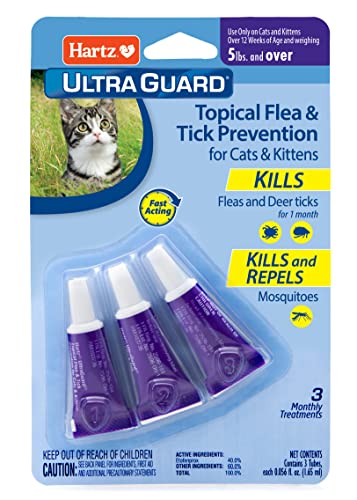
This Hartz topical pack supplies monthly treatments for cats and kittens.
Hartz UltraGuard Topical is a useful alternative when your cat will not accept powder at all. This pack supplies monthly topical treatments designed for cats and kittens, making it easier to maintain a consistent routine.
Spot-on products can be more convenient for busy owners, but they still require careful application. Place the product where your cat cannot lick it, usually at the back of the neck, and monitor for skin irritation after use.
Good for:
- Owners who prefer monthly spot-on care
- Cats that dislike powders or sprays
- A more scheduled prevention routine
Watch for:
- Some cats may react to topical products
- Must be applied to the correct spot
- Not a powder, despite being part of flea control
If monthly spot-on care is easier, view this Hartz topical pack on Amazon.
Vet's Best Natural Waterless Flea & Tick Bath for Cats

Vet's Best waterless bath can help cats that hate traditional washing.
Vet's Best Natural Waterless Flea & Tick Bath is a helpful middle ground between grooming and flea control. It uses plant-based ingredients and certified essential oils, and the no-rinse format is especially useful for cats that panic near water.
This option is best for cats with mild flea pressure or owners who need a gentler maintenance routine. Because it contains essential oils, sensitive cats should be watched closely. Avoid the eyes, mouth, and irritated skin.
Good for:
- Water-averse cats
- Gentle cleaning and flea support
- Owners wanting a no-rinse routine
Watch for:
- Essential-oil sensitivity is possible
- May need repeated use
- Not ideal for heavy infestations alone
For water-averse cats, see this waterless bath option on Amazon.
Earth Animal Apothecary Natural Flea & Tick Daily Internal Herbal Powder Supplement
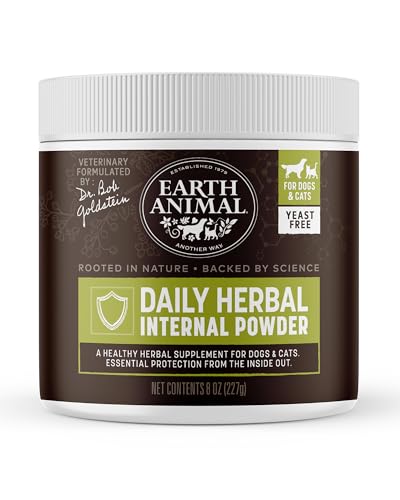
Earth Animal internal powder is mixed into food as part of a daily routine.
Earth Animal Apothecary’s internal herbal powder takes a different approach. Instead of being applied to the coat, it is mixed into food as a daily supplement. This can appeal to owners who prefer a holistic routine and want to avoid topical products.
This type of product should be viewed as supportive rather than a fast solution. It may help with overall skin and coat condition, but it is not a substitute for proven flea control during a serious infestation. Always consult your veterinarian before adding internal supplements, especially for cats with medical conditions.
Good for:
- Daily routine support
- Owners avoiding topical treatments
- Cats that accept powder mixed into food
Watch for:
- Requires consistent daily use
- Results may vary
- Not a replacement for severe infestations
To add an internal herbal routine, check Earth Animal’s supplement on Amazon.
Puyrzoe 4-in-1 Flea Treatment for Cats Chewable

Puyrzoe chewables combine flea support with skin, coat, and digestion benefits.
Puyrzoe 4-in-1 Chewable is a supplement-style option for cat owners who want an easy oral format. It is marketed for flea and tick support while also helping with skin, coat, immunity, and digestion.
Chewables can be easier to administer than powders for some cats, but picky eaters may disagree. As with other supplements, this should not be treated as the only defense during an active infestation. It works best as part of a broader prevention and care plan.
Good for:
- Cats that accept chewable supplements
- Owners wanting multi-benefit support
- A simple daily routine
Watch for:
- Picky cats may refuse it
- Not a fast-acting flea killer
- Should be paired with environmental control
If your cat prefers chews, view this chewable supplement on Amazon.
When to Skip DIY Powder and Call a Veterinarian
Natural powders can be useful, but they are not always enough. Veterinary care is especially important if your cat is very young, very old, pregnant, nursing, immunocompromised, or showing signs of illness.
Contact a veterinarian if you notice:
- Heavy flea dirt or live fleas despite treatment
- Pale gums, weakness, or lethargy
- Severe scratching, bleeding, or skin sores
- Hair loss from over-grooming
- Vomiting, diarrhea, or drooling after product use
- A tick that is embedded and difficult to remove
- Signs of tick-borne illness, such as fever or low energy
In practice, many owners wait too long before asking for help. If a flea problem keeps returning, a veterinarian can recommend stronger, safer, and more targeted options.
Frequently Asked Questions
Are flea powders safe for all cats?
No, not every flea powder is safe for every cat. Some products contain ingredients that may irritate cats with sensitive skin, asthma, or allergies. Kittens, senior cats, pregnant cats, and cats with medical conditions need extra caution.
Always choose a product labeled for cats and follow the age and weight guidance. If your cat has a health condition or you are using multiple flea-control products, ask your veterinarian first.
How often should I apply flea powder to my cat?
The correct frequency depends on the product label, your cat’s lifestyle, and the level of flea pressure. Some powders are designed for occasional use, while others may be part of a more frequent routine.
Do not apply more than the label allows. Overuse can increase the risk of skin irritation or respiratory discomfort. If you find yourself reapplying constantly without results, the problem may require a different treatment approach.
Can I use carpet flea powder directly on my cat?
Only if the label clearly says it is safe for direct pet use. Many carpet powders are formulated for fibers and may be too harsh or dusty for a cat’s skin and lungs.
Keep home powders separate from pet powders. If you are unsure, assume the product is for the home only and choose a different product for your cat’s coat.
Are natural or herbal powders as effective as conventional treatments?
Natural powders can help with mild flea pressure and may make your cat less comfortable to pests. However, they are often not enough for a heavy infestation.
Conventional veterinary products may be necessary when fleas are established in your home. The safest plan often combines natural maintenance with proven treatment when needed.
What should I do if my cat licks flea powder?
A small lick may cause mild drooling or mouth irritation, but the response depends on the product and amount. Prevent licking by applying powder carefully and keeping your cat occupied until it settles.
If your cat shows drooling, vomiting, tremors, coughing, breathing trouble, or unusual behavior, stop using the product and contact a veterinarian immediately. Bring the product label with you if possible.
How long does it take to see results after using flea powder?
You may notice fewer active fleas soon after applying a direct-use powder, but full control can take weeks. Flea eggs and larvae in the home can continue hatching after the first treatment.
Vacuum regularly, wash bedding, and treat all pets in the household. If fleas persist after several weeks, it is time to reassess your plan with a veterinarian.
Conclusion
Cat flea and tick powder can be a helpful part of a natural protection plan, but it works best when used with realistic expectations. Choose a cat-safe product, apply it carefully, treat your home, and support your cat’s skin and grooming routine.
Natural options can reduce mild flea pressure and make your home fresher, but serious infestations often require stronger veterinary guidance. The best results come from consistency: clean bedding, regular inspections, careful product use, and prompt help when your cat shows signs of distress.
Start with one cat-safe option, treat your home at the same time, and build a calmer, pest-free routine your cat can actually tolerate.