

Dealing with unexpected accidents on your carpet, lingering ammonia odors, or a cat that refuses to use their litter box is one of the most frustrating parts of cat ownership. Many owners assume cats are naturally litter trained from birth, but while felines have an innate instinct to bury waste, they still need guidance to associate your home’s litter box with that instinct. Whether you’re bringing home a new kitten, adopting an adult rescue, or troubleshooting issues with a long-time pet, this expert-backed guide walks you through proven, low-stress training methods, common pitfalls to avoid, and solutions for even the most stubborn cases. All guidance is aligned with current 2026 veterinary and animal behavior recommendations to set you and your cat up for long-term success.
Why Litter Box Training Varies By Cat Age & Background
There is no one-size-fits-all timeline for litter training, as a cat’s age, previous experience, and physical health dramatically impact how quickly they learn the habit. Tailoring your approach to your cat’s specific background will reduce stress for both of you and speed up the training process. You can also read our guide on cat grooming santa rosa ca.
Newborn to 8-Week Kittens
Kittens start learning litter box habits from their mother as early as 3 weeks old, when they begin following her to eliminate. If you adopt a kitten before 8 weeks, they may not have fully learned this behavior yet. Place them in the litter box 10-15 minutes after meals, naps, and play sessions—these are the times kittens naturally feel the urge to go. Gently scratch the litter with your finger to demonstrate the digging motion, but don’t force them to stay. Most kittens under 8 weeks will pick up the habit within 3-7 days with consistent reinforcement. This innate burying instinct is present in almost all cats, but they still need guidance to associate your home’s litter box with that behavior.
Adult Cats With No Prior Litter Experience
Adult rescues or stray cats may have never been exposed to a litter box, or may have had negative experiences with dirty, covered, or poorly placed boxes in the past. Start with an uncovered box placed in a quiet, low-traffic area, and use fine-grained, unscented clay litter to mimic outdoor substrate they may be used to. Avoid punishment for accidents: instead, calmly interrupt them if you catch them in the act, carry them to the box, and reward them if they finish there. Many adult cats learn the habit within 1-2 weeks with patience. Always observe your cat’s natural cues to choose the box type and litter that aligns with their preferences. You can also read our guide on cat litter box training problems.
Senior Cats With Mobility or Health Issues
Cats over 10 years old often develop arthritis, reduced mobility, or cognitive decline that makes accessing a standard litter box difficult. Opt for low-sided low-entry box designs that reduce strain on their joints and make accessing the litter area easier, and place at least one box on every floor of your home so they don’t have to climb stairs when they need to go. Add a non-slip ramp if the box is in a raised area, and use soft, low-dust litter to avoid irritating sensitive paws. Senior cats may also need more frequent bathroom breaks, so keep boxes in easily accessible locations away from their food and sleeping areas.
Step 1: Choose The Perfect Litter Box For Your Cat
A well-chosen litter box is the foundation of successful training: if the box is uncomfortable, unsafe, or hard to access, even the most consistent reinforcement will not encourage use. You can also read our guide on what sort of nutrition is needed for a sick cat.
Size & Access Requirements
The golden rule for litter box size is that it should be at least 1.5 times the length of your cat from the tip of their nose to the base of their tail. For average domestic cats, this means a minimum of 18x12 inches; for large breeds like Maine Coons or Ragdolls, opt for a 36x18 inch storage bin or specialty extra-large box. Kittens can start with a small box, but upgrade to a full-size option by 4 months old to avoid outgrowing it too quickly. For multi-cat households, follow the “one box per cat plus one extra” rule to reduce territorial disputes and ensure all cats have access when they need it. For households with three or more cats, opt for multi-cat friendly boxes that offer ample space for multiple cats to dig and cover waste without territorial disputes.
Covered vs. Uncovered: Honest Tradeoffs
Covered litter boxes offer privacy and help contain odors and litter scatter, making them appealing to owners, but they are not suitable for all cats. Many cats feel trapped in covered boxes, especially if there is only one entrance, which can deter shy, anxious, or territorial cats from using them. If you want to try a covered box, offer both a covered and uncovered option in separate locations for a week and see which your cat uses more consistently. Uncovered boxes are almost always the safer choice for new training, as they allow cats to see approaching threats and feel more secure while eliminating.
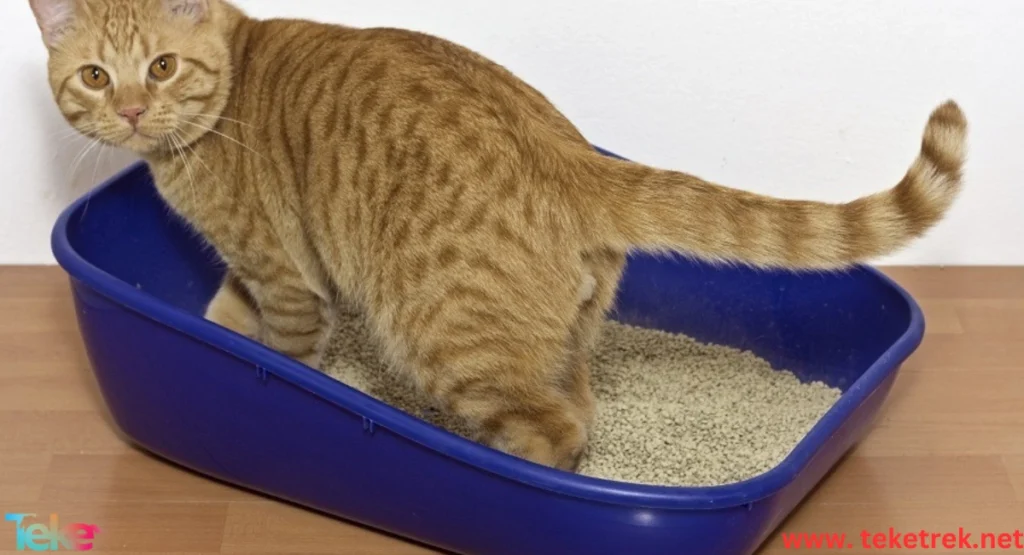
Covered boxes offer privacy but can feel trapping for anxious or territorial cats, while uncovered options are more accessible for most pets.
Credit: teketrek.net
Optimal Placement Rules (The #1 Owner Mistake)
The most common mistake owners make is placing the litter box in a dark, isolated basement, behind a washing machine, or in a high-traffic hallway. Cats are prey animals, so they need to feel safe while eliminating: place the box against a wall with a clear view of the room, never in a corner where they can’t see approaching threats, and keep it far from loud appliances (washing machines, furnaces, garbage disposals) that may startle them. Always keep the box at least 10 feet away from your cat’s food and water bowls—cats instinctively avoid eliminating near their eating area. For multi-level homes, place at least one box on every floor so cats don’t have to travel far when they need to go.
Step 2: Select Litter Your Cat Will Actually Accept
Even with the perfect box and placement, the wrong litter can derail training entirely. Cats are extremely particular about litter texture and scent, so testing small bags of different options is worth the minor upfront cost.
Texture & Material Preferences
Cats’ litter preferences are largely based on the texture of the material, which should mimic the soft, sand-like substrate they would use outdoors. Fine-grained clay clumping litter is the most popular option for most cats, as it allows them to dig and cover waste easily. Some cats dislike the rough texture of pine pellets, the sticky texture of silica gel crystals, or the large grains of corn-based litter, so if your cat is avoiding the box, switch to a fine-grained non-clumping clay litter first to test if texture is the issue.
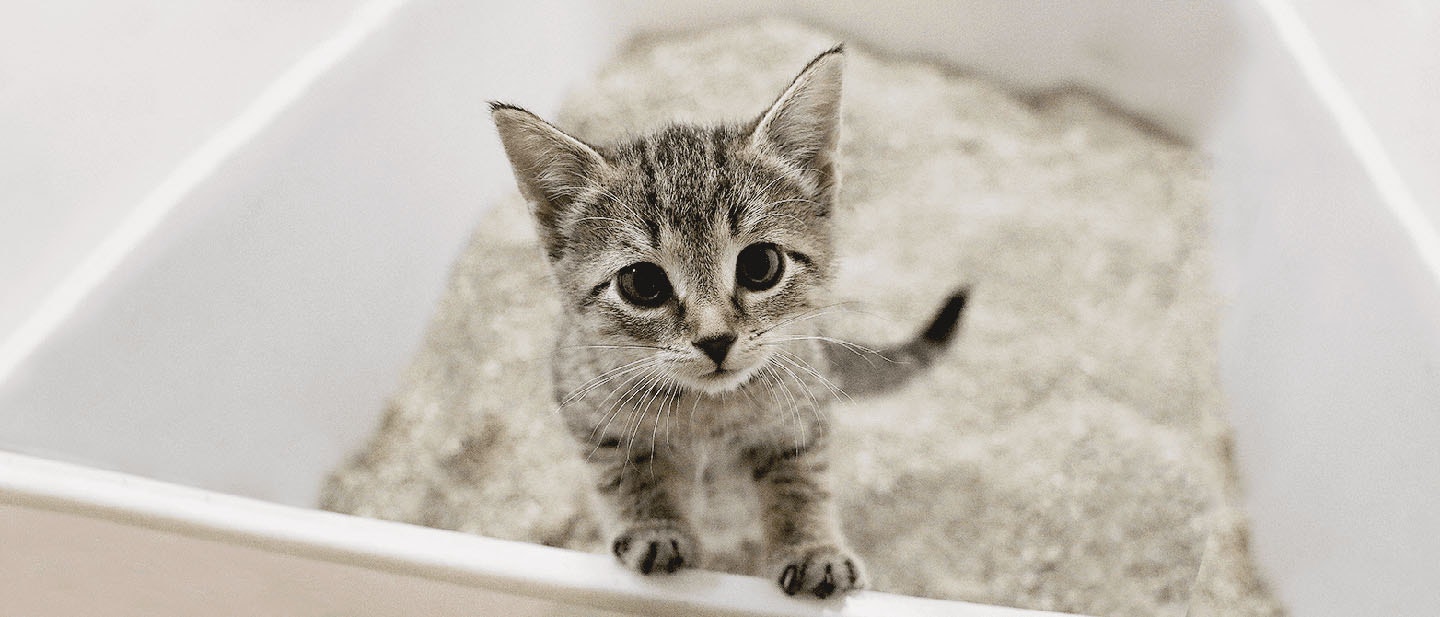
Catching your cat using the litter box correctly and rewarding them immediately reinforces positive long-term habits.
Credit: www.whiskas.com.ph
Scent & Additive Safety
Cats have a sense of smell 14 times stronger than humans, so even mild “fresh linen” or “lemon” scents that seem subtle to you can be overwhelming and repulsive to your cat. Always opt for unscented litter to avoid deterring use. If you struggle with odor, skip scented litter entirely and instead sprinkle a thin layer of baking soda under the litter, or use gentle, cat-safe safe odor control products formulated for sensitive felines. Avoid any litter with added perfumes, deodorizers, or essential oils, as these can irritate your cat’s respiratory tract. If you’re considering a transition to a toilet training system in the future, start with a fine-grained clumping litter that mimics the texture of water to ease the shift, using litter formulated for toilet training to reduce resistance during the process.
Special Considerations for Kittens and Senior Cats
Kittens under 4 months old often try to eat litter, so always use non-clumping, dust-free litter to avoid life-threatening intestinal blockages. For senior cats with declawing (a procedure now widely discouraged by veterinary associations due to long-term pain and behavioral issues) or arthritis, opt for soft, low-dust paper or corn-based litter that won’t irritate sensitive paw tissue. If your cat has a history of urinary tract issues, avoid dusty litter that can irritate their bladder.
Step 3: Introduce The Box & Reinforce Positive Behavior
The first few days of introducing a new litter box are critical for building positive associations. A low-stress, reward-focused approach will yield far better results than forcing interaction or punishing mistakes.
First Introduction Protocol
When bringing a new litter box into your home, place it in the pre-selected quiet, accessible location first, then introduce your cat to it gently. Place your cat in the box 10-15 minutes after meals, after they wake up from naps, and after play sessions—these are the times cats naturally feel the urge to eliminate. Gently scratch the litter with your finger to demonstrate the digging and covering motion, then let them explore on their own terms. Don’t close the door to the room or force them to stay in the box if they want to leave; forcing interaction will create negative associations. If they use the box during the introduction, reward them immediately with a small, high-value treat (like freeze-dried chicken) and calm praise.
Positive Reinforcement Rules That Work
Positive reinforcement is far more effective than punishment for litter training, as punishment only creates fear and aversion to the box. Rewards must be immediate: give the treat and praise within 2 seconds of your cat finishing in the box, so they associate the reward with the action, not with something else they did afterward. For cats that respond well to marker training, use a clicker or a consistent verbal cue like “yes” paired with training-specific treats that are small, soft, and high-value to reinforce the behavior. Keep training sessions short (5-10 minutes max) to avoid overwhelming your cat.
How to Handle Accidents Without Scaring Your Cat
Accidents are a normal part of the training process, especially with kittens or new rescues. If you catch your cat in the act of going outside the box, calmly interrupt them with a soft “no” and carry them to the litter box. If they finish in the box, reward them immediately. If you find an accident after the fact, never rub their nose in it, yell, or punish them—they will not understand the connection between the accident and your anger, and will only learn to fear you. Clean all accident spots immediately with an enzymatic cleaner, not regular soap or bleach: regular cleaners don’t break down the urine proteins that smell like a toilet to cats, so they will keep returning to the same spot to eliminate.
Step 4: Maintain Hygiene To Prevent Long-Term Avoidance
Even a perfectly trained cat will start avoiding the box if it is dirty or poorly maintained. A consistent cleaning routine is non-negotiable for long-term success.
Daily & Weekly Cleaning Schedule
Cats are fastidious animals, and a dirty litter box is the #1 reason for trained cats to start avoiding it. Scoop out all solid waste and urine clumps at least once a day, twice if you have multiple cats or a cat that uses the box frequently. Completely empty all litter, wash the box with mild, unscented dish soap and warm water, and replace with fresh litter once a week. Avoid harsh chemicals like ammonia, bleach, or pine-sol when cleaning: these leave strong scents that repel cats, and many are toxic if ingested during grooming. If you struggle to stick to a daily scooping routine, self-cleaning models can automate waste removal while still allowing you to deep clean the box weekly for optimal hygiene.
Multi-Cat Household Maintenance Tips
In homes with multiple cats, follow the “one box per cat plus one extra” rule, and place boxes in separate, low-traffic areas to avoid territorial guarding. A dominant cat may block access to a shared box, forcing submissive cats to eliminate elsewhere. Clean each box daily, and monitor usage to ensure all cats have equal access. If you notice one cat spending excessive time guarding a box, add an extra box in a new location to reduce competition. For busy owners, automated cleaning options can help maintain consistent cleanliness, which is critical for preventing avoidance in cats that are sensitive to dirty boxes.
Common Cleaning Mistakes To Avoid
- Don’t use liners unless your cat has proven they tolerate them: many cats’ claws get caught on the plastic, leading them to avoid the box entirely.
- Don’t overfill the box with litter: 2-3 inches deep is perfect. Too much litter gets caught in your cat’s paws and tracked around your home, and makes digging difficult for kittens and senior cats.
- Don’t place the box near their food or water: cats instinctively avoid eliminating near their eating area, which will lead to avoidance.
Troubleshooting Persistent Litter Box Problems
If you’ve followed all the steps above and your cat is still having accidents, the issue is likely either medical or related to an unaddressed environmental stressor.
Rule Out Medical Issues First
If your cat was previously reliably litter trained but suddenly starts having accidents, the first step is to rule out underlying medical causes. Painful conditions like urinary tract infections (UTIs), bladder stones, kidney disease, or constipation can make eliminating in the box uncomfortable, leading cats to associate the box with pain and avoid it. Watch for signs like straining, frequent urination, blood in urine, crying while using the box, or changes in bathroom frequency: if you notice any of these, consult your veterinarian immediately. According to the American Veterinary Medical Association, common underlying medical causes are a leading cause of chronic litter box avoidance, so early intervention is critical to prevent long-term behavioral issues.
Fixing Accidents on Carpets, Rugs, and Soft Surfaces
If your cat is repeatedly going on soft surfaces like carpets, rugs, or beds, first clean all affected areas with an enzymatic cleaner to break down all urine scent markers—regular cleaners won’t remove the proteins that smell like a toilet to cats, so they will keep returning to the same spot to eliminate. Place a temporary litter box directly over the accident spot for 1-2 weeks to redirect their behavior, then gradually move the box 1-2 feet per day toward its permanent location. If your cat prefers soft textures, add a soft, fluffy mat in front of the litter box to mimic the feel of carpet under their paws when they exit. Also, ensure the litter box is not placed in a location that is difficult to access: if the box is in a basement and your cat is scared of stairs, they may eliminate on the rug at the top of the stairs instead.
Reducing Litter Scatter and Excessive Digging
If your cat tracks litter all over your home or digs excessively, try a litter box with a high lip or a rubber litter mat placed in front of the box to catch stray granules. Switch to a heavier litter, like pine pellets or walnut-based litter, which is less likely to stick to paws. Excessive digging may also signal that your cat is trying to cover waste but can’t: ensure the litter is at least 2-3 inches deep, and switch to a finer, softer texture if the current litter is too coarse. For cats that kick litter out of uncovered boxes, you can also try a covered box with a removable top, as long as your cat is comfortable using it.
Frequently Asked Questions
How long does it take to litter train a cat?
Most kittens learn to use the litter box consistently within 3-7 days with regular reinforcement. Adult cats with no prior litter experience may take 1-2 weeks to adjust, while senior cats with mobility issues may take longer as they get used to the box’s location and height. Consistency is key: stick to a regular routine of placing your cat in the box after meals and naps, and reward them immediately for success.
My cat was trained but suddenly started having accidents—what’s wrong?
Sudden litter box avoidance almost always points to either a medical issue or a recent change in their environment. First, rule out medical causes like UTIs or bladder stones by visiting your vet. If medical issues are ruled out, consider recent changes: did you switch litter brands? Move the box to a new location? Add a new pet or family member to the home? Reduce stressors where possible, and add an extra litter box in a quiet location to give your cat more options.
Can I toilet train my cat instead of using a litter box?
While toilet training kits are available, veterinary and animal behavior experts generally do not recommend this method for most cats. Toilet training goes against cats’ natural instinct to dig and cover waste, which can cause significant stress. It also leaves your cat with no alternative bathroom if the toilet is occupied, and a fall into the toilet can lead to lifelong fear of the bathroom and avoidance of eliminating entirely. Stick to a traditional litter box for the most low-stress, reliable option.
What should I do if my cat only uses the litter box for urination, not defecation?
This is often a sign of a medical issue like constipation or anal gland problems, so visit your vet first to rule out pain or discomfort. If medical issues are ruled out, the box may be too small for your cat to turn around and cover their waste comfortably, or the litter may be too rough on their paws when they squat. Try a larger box with softer, finer litter, and scoop more frequently to remove solid waste, as some cats avoid boxes with visible feces.
Do I need to punish my cat if they have an accident?
No. Punishment (rubbing their nose in waste, yelling, locking them in a room with the box) will only make your cat afraid of you and the litter box, leading to more long-term avoidance. Cats do not understand punishment for past actions, so even if you punish them minutes after an accident, they will not connect the punishment to the behavior. Focus on rewarding positive behavior and cleaning accidents with an enzymatic cleaner to remove scent markers.
How many litter boxes do I need for multiple cats?
Follow the “one box per cat plus one extra” rule to reduce territorial disputes and ensure all cats have access. For example, three cats need a minimum of four boxes, placed in separate, low-traffic areas of your home. This prevents a dominant cat from guarding a single box and forcing submissive cats to eliminate elsewhere.
Conclusion
Litter box training is a straightforward process that relies on patience, consistency, and understanding your cat’s unique needs and preferences. Start by choosing a box that fits your cat’s size and comfort, place it in a safe, accessible location away from noise and food, and reinforce positive behavior with immediate rewards. Maintain a strict cleaning schedule to keep the box inviting, and rule out medical issues first if you encounter persistent avoidance. Remember that every cat learns at its own pace: kittens may pick up the habit in days, while adult rescues may take a few weeks to adjust. Avoid punishment entirely, as it will only create fear and long-term behavioral issues.
If you’re still struggling with persistent litter box problems after following these steps, consult a certified veterinary behaviorist to rule out underlying medical or anxiety-related concerns. For more expert-backed guides to litter boxes, training tools, and cat care, explore our full library of resources tailored to cat owners of all experience levels.